

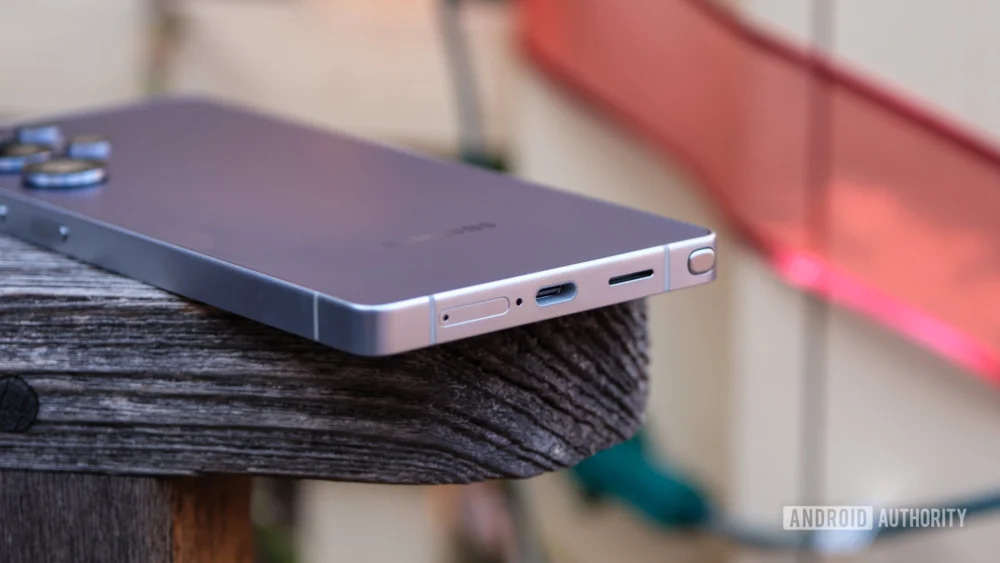
The landscape of mobile technology has long been defined by a relentless pursuit of thinner profiles and faster processors, yet the industry’s most persistent bottleneck remains the chemical limitations of the lithium-ion battery. For over a decade, consumers have been tethered to a daily charging cycle, a compromise that has become increasingly burdensome as high-refresh-rate displays, power-hungry 5G modems, and sophisticated on-device artificial intelligence demand more from portable power sources. However, a series of recent leaks suggests that Samsung SDI, the battery manufacturing arm of the South Korean conglomerate, is attempting to shatter the status quo by testing a staggering 20,000mAh silicon-carbon battery. While the raw capacity promises a future where smartphones could last for nearly a work week on a single charge, the experimental nature of the technology has revealed significant engineering obstacles that must be overcome before it reaches the pockets of the general public.
The leak, which originated from a tech tipster known as phonefuturist and was subsequently corroborated by secondary industry sources, details a dual-cell battery architecture designed to push energy density to its absolute limit. According to the reports, the 20,000mAh total capacity is achieved through the combination of two distinct cells: a primary 12,000mAh unit and a secondary 8,000mAh unit. This dual-cell approach is not entirely new to the industry—many modern fast-charging smartphones use two cells to allow for simultaneous charging and better heat dissipation—but the scale of this specific implementation is unprecedented in the mobile sector. For context, most modern flagship smartphones, such as the Galaxy S24 Ultra or the iPhone 15 Pro Max, utilize batteries in the 4,500mAh to 5,000mAh range. A 20,000mAh unit would effectively quadruple the energy reserves of the world’s most powerful handsets.
To achieve such high capacity without creating a device that is prohibitively bulky, Samsung is reportedly leveraging silicon-carbon (Si-C) anode technology. Traditional lithium-ion batteries utilize graphite anodes, which have served the industry well but are reaching their theoretical maximum for energy density. Silicon, by contrast, can hold significantly more lithium ions than graphite, offering the potential for much higher capacity in a smaller physical footprint. However, silicon comes with a notorious drawback: it expands and contracts violently during the charging and discharging cycles. By mixing silicon with carbon, engineers hope to create a composite material that harnesses the capacity of silicon while using the carbon structure to buffer the physical stress of expansion.
The performance metrics shared in the leak are nothing short of revolutionary. During internal testing, the 20,000mAh prototype reportedly powered a device for 27 hours of continuous screen-on time. In real-world usage scenarios, where the screen is not always active, this could easily translate to four or five days of battery life for a heavy user. Furthermore, the battery was subjected to an aggressive stress test consisting of 960 charging cycles within a single year—a simulation of roughly three years of standard usage compressed into twelve months. The fact that the battery survived this cycle count suggests that the chemical longevity of the silicon-carbon mixture is maturing.
However, the "bad news" accompanying this leak highlights the physical volatility that continues to plague high-capacity silicon anodes. Reports indicate that the experimental batteries exhibited severe swelling after the rigorous testing phase. Specifically, the 8,000mAh cell reportedly expanded from a thickness of 4mm to 7.2mm—an increase of 80%. In the precision-engineered world of smartphone manufacturing, where internal components are packed with sub-millimeter tolerances, such expansion is catastrophic. Battery swelling not only risks cracking the internal chassis and the glass exterior of a phone but also poses a severe fire hazard if the separator between the anode and cathode is compromised.
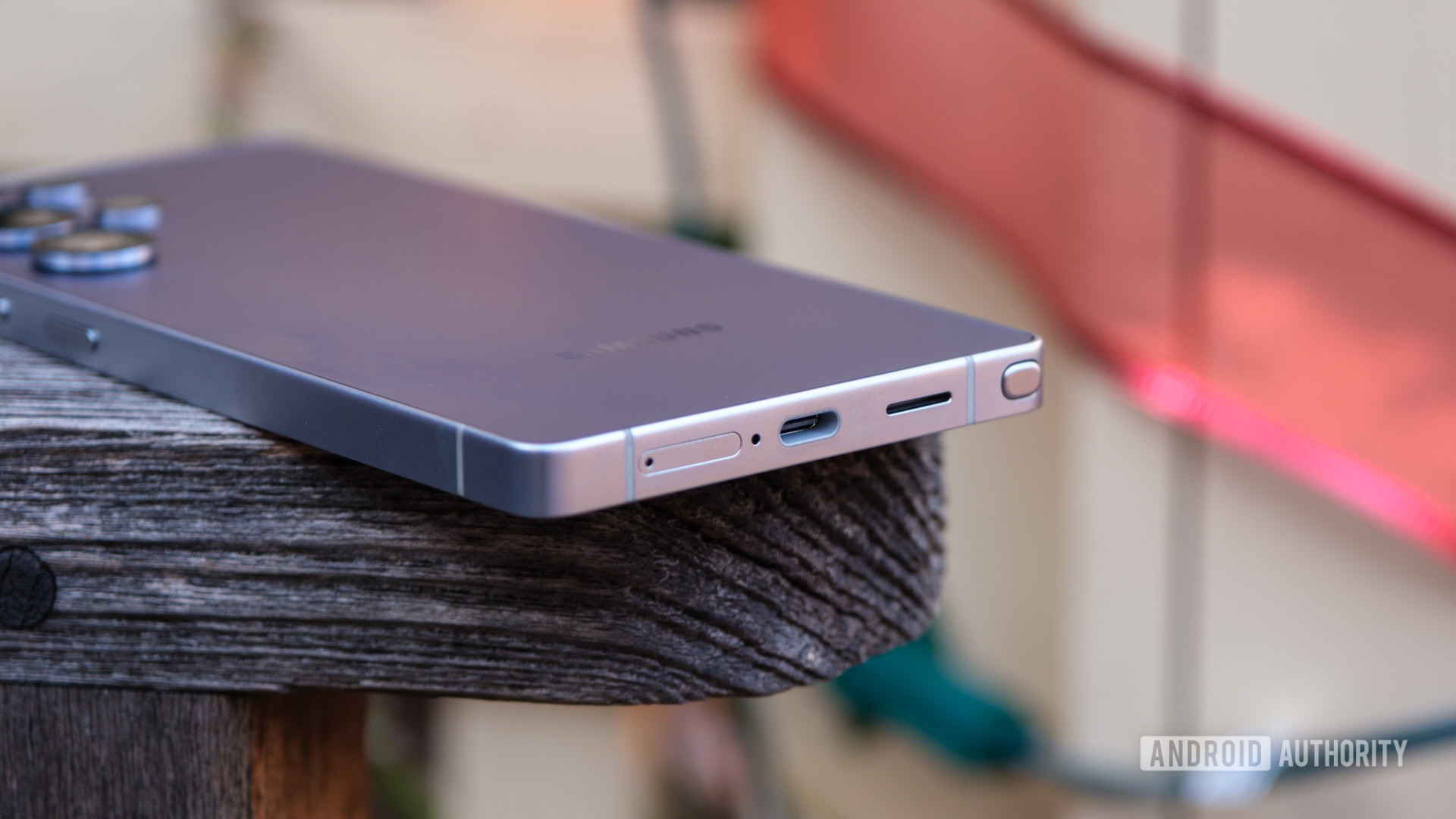
This structural instability explains why Samsung and its competitors have been cautious about increasing silicon content in commercial products. Current market leaders like OnePlus, which recently introduced a 7,300mAh "Glacier Battery" in its latest flagship, typically limit silicon content to around 15% to maintain structural integrity. Realme recently showcased a 15,000mAh prototype with 100% silicon content, but that remained a conceptual proof-of-concept rather than a retail-ready component. The Samsung SDI leak suggests that the company is experimenting with much higher silicon concentrations to achieve the 20,000mAh threshold, but the resulting physical expansion remains a "deal-breaker" for consumer electronics.
There is also the question of the intended application for this technology. While the rumors have set the smartphone world ablaze, some industry analysts suggest that Samsung SDI may be testing these high-capacity cells with a broader scope in mind. A 20,000mAh battery might be too thick for a traditional slab-style smartphone, but it could be a perfect fit for the next generation of foldable devices, tablets, or even specialized rugged laptops. In a foldable phone, the dual-cell design could be split across both halves of the device, mitigating the thickness issue. Alternatively, this research might be a precursor to advancements in the electric vehicle (EV) sector, where Samsung SDI is a major supplier for automotive giants like BMW and Stellantis. The lessons learned from the expansion of small-scale silicon-carbon cells are directly applicable to the massive battery packs required for long-range EVs.
The competitive pressure in the battery space is at an all-time high. Chinese manufacturers, in particular, have been aggressive in deploying silicon-carbon technology. Honor recently launched devices featuring 10,000mAh batteries in certain markets, signaling that the "thin and light" trend might be shifting toward "long-lasting and reliable." Samsung, which has been somewhat conservative with battery innovation since the Galaxy Note 7 incident in 2016, is clearly feeling the need to reclaim its position as a leader in hardware engineering. By pushing the boundaries to 20,000mAh in the lab, Samsung is signaling that it is looking far beyond incremental 5% annual improvements.
For the average consumer, the takeaway from this leak is twofold. First, it confirms that the "multi-day smartphone" is no longer a pipe dream but a tangible goal that is currently being tested in high-tech laboratories. The move to silicon-carbon is the most significant shift in battery chemistry in decades, and it promises to redefine our relationship with our mobile devices. Second, it serves as a reminder that the path to innovation is fraught with safety and reliability hurdles. A 20,000mAh battery that doubles in size after a year of use is not a feature; it is a liability.
As Samsung SDI continues to refine its silicon-carbon ratios and explores new ways to encapsulate the anode to prevent swelling—perhaps through advanced nano-coatings or more rigid internal housings—the industry watches closely. If the company can solve the expansion problem, the impact would be felt far beyond the smartphone market. It would revolutionize wearable technology, medical devices, and portable computing. For now, the 20,000mAh Galaxy phone remains a tantalizing glimpse into a future that is chemically possible but mechanically unrefined. Until the swelling is contained, the quest for the ultimate battery continues, balanced on the thin line between record-breaking capacity and structural safety.
