

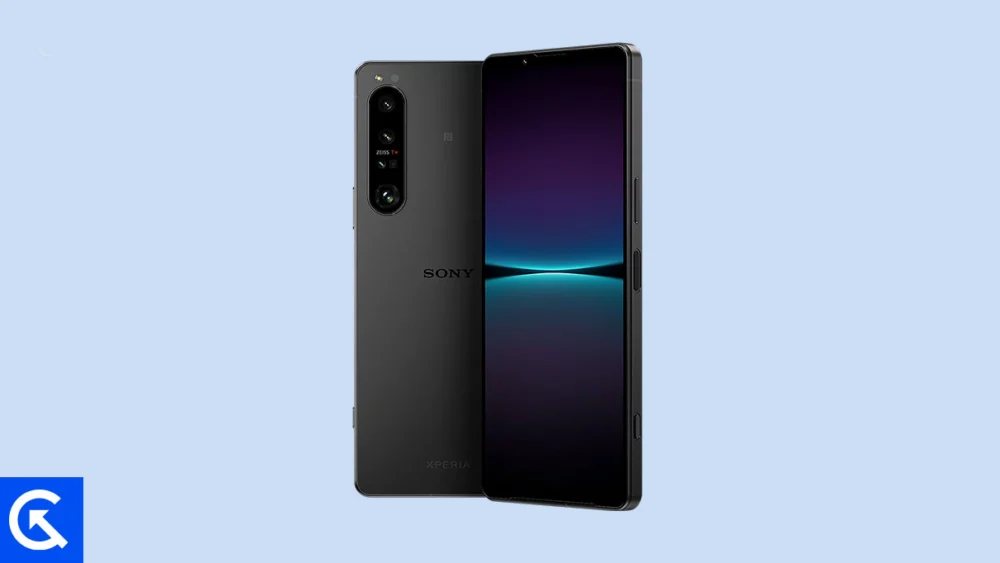
The aftermarket Android development community has once again extended the longevity of a premium flagship device, with developers successfully porting an unofficial Android 16-based custom ROM to the Sony Xperia 1 IV. While Google’s latest operating system initially rolls out exclusively to its Pixel lineup, the swift adaptation of the Android Open Source Project (AOSP) code by independent programmers means that owners of powerful, yet officially unsupported, older hardware can now access modern features, security enhancements, and performance optimizations. This move allows users of the Xperia 1 IV to bypass the constraints of manufacturer software support windows, breathing new computational life into a device celebrated for its advanced optics and display technology.
The Xperia 1 IV, originally launched running Android 12 with an upgrade path to Android 13, represents a pinnacle of mobile engineering from Sony. Its hardware specifications remain highly competitive, making it an ideal candidate for software rejuvenation. Central to its appeal is the stunning 6.5-inch OLED display, which boasts a unique 1644 x 3840 pixel resolution (approximating 4K) in a cinematic 21:9 aspect ratio, delivering an exceptionally high pixel density of approximately 643 ppi. The panel supports a 120Hz refresh rate and HDR BT.2020 standard, providing a visual foundation capable of handling the most demanding graphical interfaces and media consumption.
Internally, the device is powered by the high-performance Qualcomm SM8450 Snapdragon 8 Gen 1 chipset, paired with the Adreno 730 GPU. Depending on the configuration, the Xperia 1 IV includes 12GB or 16GB of RAM and utilizes UFS technology for rapid data retrieval across 256GB or 512GB storage variants. Crucially for enthusiasts, the phone maintains a dedicated 3.5mm audio jack and features robust stereo speakers alongside a dynamic vibration system. Its connectivity suite is comprehensive, featuring Wi-Fi 6e, Bluetooth 5.2, and a versatile USB Type-C 3.2 port supporting OTG and video output.
![How to Install Android 16 on Sony Xperia 1 IV [Download Link]](https://www.getdroidtips.com/wp-content/uploads/2023/12/Sony-Xperia-1-IV.jpg)
Photography is a hallmark of the Xperia line, and the 1 IV is equipped with a sophisticated triple 12 MP rear camera system, including a wide lens, an ultrawide lens, and a unique telephoto lens capable of continuous optical zoom. This professional-grade camera array, enhanced by Zeiss optics and native Sony Alpha camera support, is often the primary reason users wish to retain the device long-term. The success of this custom ROM relies heavily on maintaining the functionality of these specialized camera modules, a common hurdle for AOSP ports on heavily customized hardware.
Android 16: The Dawn of Material 3 Expressive
The core appeal of upgrading to Android 16 lies in experiencing the latest innovations in system architecture and user interface design. Headlining these changes is the introduction of Material 3 Expressive, a substantial refinement of Google’s current Material Design language. While not a dramatic visual overhaul, Expressive focuses on enhancing the user experience (UX) through improved polish, fluid dynamics, and superior legibility.
Material 3 Expressive builds upon the foundation established by Material Design 3, which debuted with Android 13, by prioritizing smoother, more dynamic system animations that offer richer visual feedback. This iteration also integrates larger, more accessible touch targets, a key improvement for accessibility and overall ease of use, particularly on large-screen devices. Furthermore, the design language incorporates bolder, more deliberate typography, ensuring information hierarchy is clear and engaging across various screen sizes and resolutions, including the unique 4K panel of the Xperia 1 IV.
This graphical evolution arrives at an opportune moment, addressing the slight stagnation felt in earlier iterations of Material Design 3. The ‘Expressive’ elements reintroduce vitality and a sense of modern fluidity to the OS, maintaining familiarity while significantly elevating the perceived performance and responsiveness of the system. Beyond the visual layer, Android 16 introduces systemic optimizations designed to improve battery management, enhance privacy controls, and ensure greater stability across diverse hardware configurations, including non-standard form factors like tablets and potential future foldables. Although official distribution begins with the latest Pixel hardware, the community’s rapid deployment via custom ROMs allows other users, like those with the Xperia 1 IV, to immediately benefit from these core system improvements.
![How to Install Android 16 on Sony Xperia 1 IV [Download Link]](https://www.getdroidtips.com/wp-content/uploads/2023/12/Sony-Xperia-1-IV-300x169.jpg)
The Technical Migration: Prerequisites for Custom Firmware
The installation of any custom firmware, particularly an unofficial AOSP port, requires careful preparation and adherence to a stringent set of technical prerequisites. This process bypasses the standardized Over-The-Air (OTA) update mechanism and requires the user to gain deep access to the device’s internal partitions.
The initial, and most critical, step is Unlocking the Bootloader. The bootloader acts as the primary security gatekeeper for the device, preventing unauthorized operating systems from loading. Unlocking it is mandatory for flashing custom ROMs but is often performed using vendor-specific tools (in this case, Sony’s official procedure). It is imperative to understand that this action inherently voids the manufacturer’s warranty and, critically, initiates a complete data wipe as a security protocol, necessitating a full backup of all personal files prior to commencement.
Following the bootloader unlock, the user must install a specialized recovery environment, typically TWRP (Team Win Recovery Project). The stock recovery system is designed only to install official, cryptographically signed software updates. TWRP provides a crucial non-stock interface that allows the user to manually flash unsigned binaries, which include the custom Android 16 ROM and the necessary Google applications (GApps) package.
To facilitate the communication between the computer and the device during these low-level operations, two tools are essential: ADB (Android Debug Bridge) and Fastboot. ADB establishes a stable bridge for basic commands and file transfers while the device is running or in recovery mode. Fastboot, conversely, is a highly advanced command-line utility used specifically when the device is in bootloader mode, enabling the actual flashing and modification of system partitions. Access to the latest platform-tools binaries (containing both ADB and Fastboot) and the appropriate Sony USB drivers are non-negotiable requirements for a stable connection.
![How to Install Android 16 on Sony Xperia 1 IV [Download Link]](https://www.getdroidtips.com/wp-content/uploads/2020/06/cmd-platform-tools.jpg)
Finally, the integrity of the device must be guaranteed. A battery charge exceeding 50% is required to mitigate the risk of a mid-flash shutdown, which can lead to a bricked device. Once the custom ROM file and the corresponding Android 16 GApps package are secured, the installation proceeds via the TWRP interface: performing a factory reset (wiping data, cache, and Dalvik cache), flashing the custom ROM zip file, and immediately flashing the GApps package before the first reboot. Failure to flash GApps immediately after the ROM will necessitate a complete re-installation cycle.
Current Status and Community Outlook
Early reports regarding the unofficial Android 16 build for the Sony Xperia 1 IV are highly encouraging. Developers indicate that the core functionalities, including cellular connectivity, Wi-Fi, display drivers, and audio, appear to be working reliably, suggesting a high degree of stability for an initial AOSP port. At the time of reporting, the build seems largely devoid of major, show-stopping known issues.
However, users engaging in this custom firmware installation must remain aware that they are participating in a developmental process. Although the current status is promising, subtle bugs or inconsistencies related to specialized hardware features—such as the continuous optical zoom or specific proprietary Sony camera features—may surface over time. The continued improvement of the ROM relies heavily on user participation; users who encounter glitches are urged to report them meticulously, providing detailed logs to the developer community for timely patching and optimization.
By embracing this custom ROM path, Sony Xperia 1 IV owners are actively extending the operational lifespan and relevance of their high-end hardware. They gain immediate access to the performance and feature set of Android 16, features that the manufacturer may never officially deliver. This collective effort ensures that powerful devices do not become prematurely obsolete, maintaining a robust alternative to continuous hardware upgrades while demonstrating the enduring strength and dedication of the Android modding community.
