

The landscape of the foldable smartphone market is currently experiencing a tectonic shift, driven by a confluence of technological maturation and the looming entry of the world’s most influential consumer electronics brand. For years, the foldable sector has been defined by a "tall and narrow" design philosophy, largely championed by Samsung’s dominant Galaxy Z Fold series. However, as the industry prepares for 2026, a new consensus is emerging: the future of the foldable form factor may be wide. Recent industry reports suggest that OPPO is positioning itself at the vanguard of this transition, preparing a dual-pronged hardware strategy designed to not only compete with Samsung’s refined lineup but also to preemptively strike against Apple’s highly anticipated entry into the foldable space.
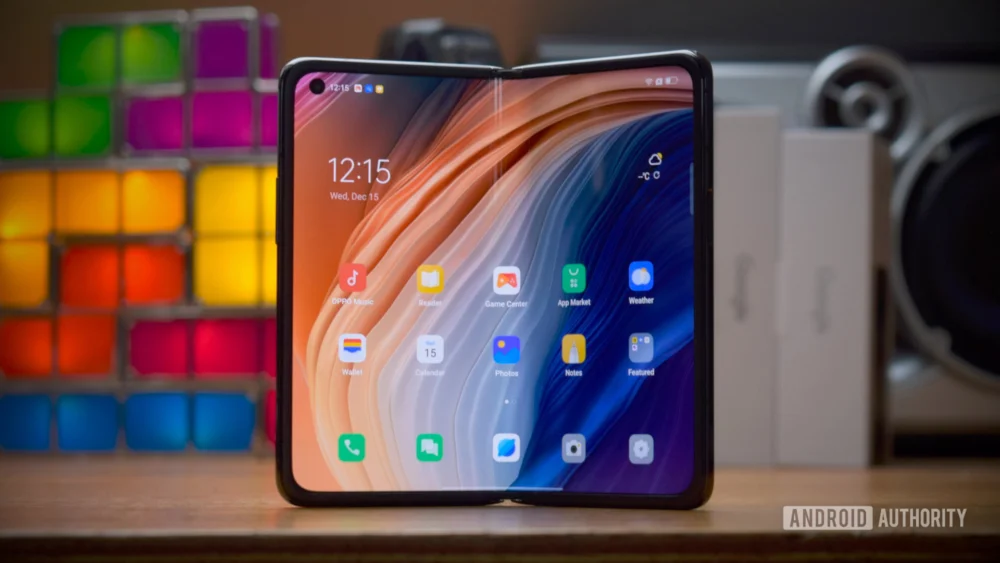
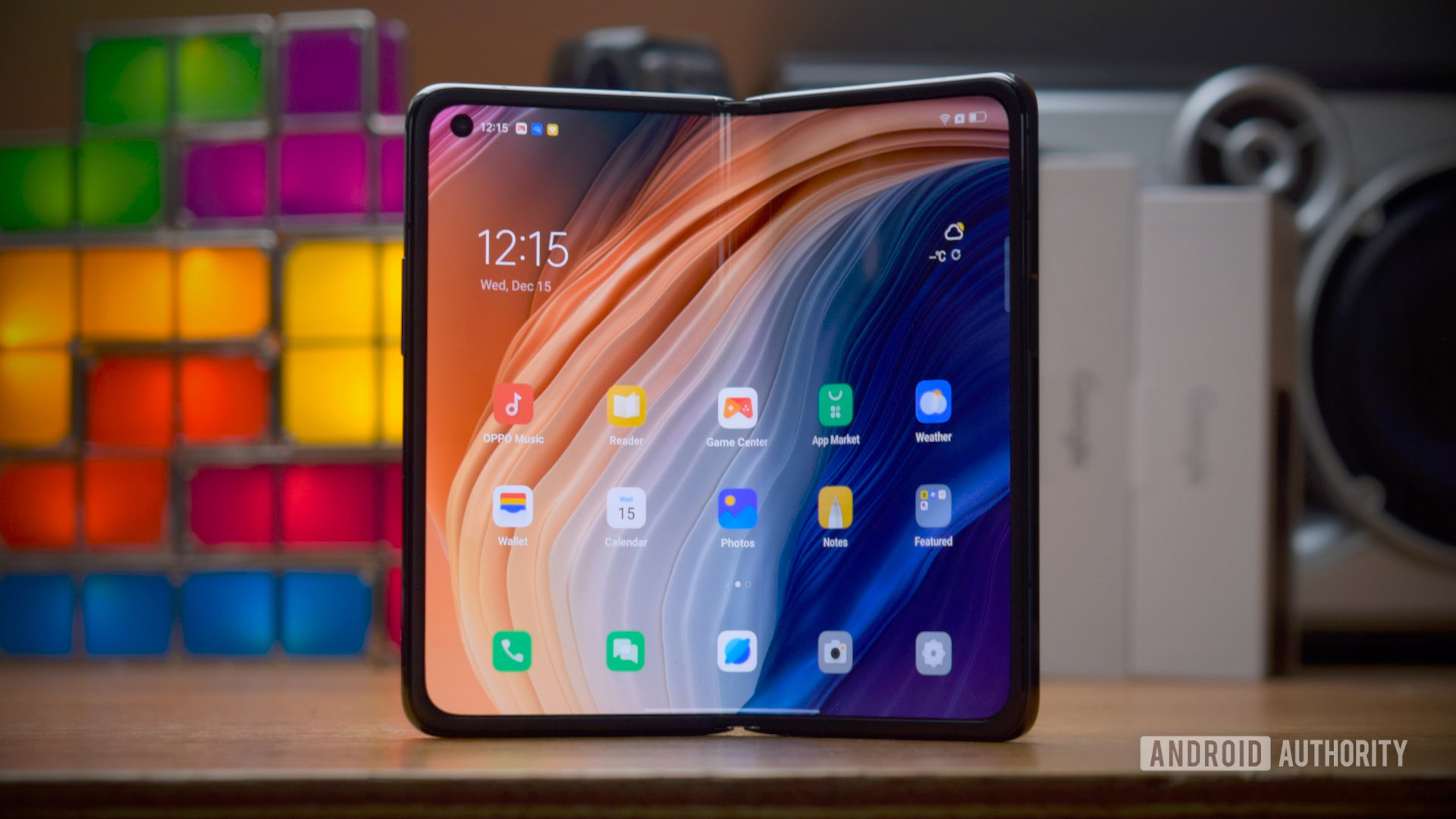
At the heart of this strategy is a return to roots. When OPPO first entered the foldable market with the original Find N, it was lauded for its "passport" dimensions—a shorter, wider aspect ratio that allowed for a more natural typing experience on the cover screen and a landscape-oriented canvas upon unfolding. While subsequent models like the Find N3 (and its global counterpart, the OnePlus Open) moved toward a taller, more conventional smartphone height, new leaks indicate that OPPO is planning to resurrect the wide-format design to counter the rumored "iPhone Fold." This move signifies a broader industry realization that the ergonomics of a foldable device are its primary selling point, and the "remote control" feel of narrow foldables may finally be falling out of favor.
The first phase of OPPO’s 2026 offensive is expected to begin in the first quarter of the year with the debut of the OPPO Find N6. Scheduled for a domestic launch in China this February, followed by a global rollout in March, the Find N6 is being positioned as a direct successor to the critically acclaimed Find N5. This device is expected to maintain the more contemporary, taller proportions that have become standard in the current generation, serving as a high-performance bridge for users who prefer the traditional "book-style" ergonomics.
Under the hood, the Find N6 is rumored to be a technical powerhouse, utilizing the next generation of mobile silicon. It is expected to be powered by the Snapdragon 8 Elite Gen 5 chipset, a processor designed to handle the intensive multitasking and high-resolution rendering required by foldable displays. Accompanying this chipset will be a robust 16GB of RAM, ensuring that the device remains future-proofed for the increasingly demanding artificial intelligence features that are now a staple of flagship Android devices.
The display technology on the Find N6 represents a significant leap forward. The cover screen is reported to be a 6.62-inch AMOLED panel, providing a flagship-level experience even when the device is closed. Once opened, users will be greeted by a sprawling 8.12-inch 2K LTPO OLED internal display. This inner screen is expected to support a variable 120Hz refresh rate, offering the fluid motion and power efficiency that high-end users demand. Perhaps most impressive is the rumored weight of the device. Despite the massive internal screen and high-end components, OPPO has reportedly managed to keep the Find N6 at a mere 225 grams. This would make it one of the lightest foldables in its class, addressing one of the primary consumer complaints regarding the bulk and heft of folding hardware.
However, the hardware specifications do not stop at the display. OPPO is clearly aiming for the title of the best camera system in a foldable. The Find N6 is rumored to house a sophisticated triple-camera array, headlined by a massive 200MP primary sensor. This would be a landmark achievement, as foldables have historically lagged behind traditional slabs in camera performance due to the physical constraints of their thin chassis. Supporting this main sensor will be a 50MP telephoto lens and a 50MP ultrawide lens, creating a versatile imaging suite that rivals the best "Pro" smartphones on the market. To keep these components running, OPPO is expected to include a 6,000mAh battery—a capacity that significantly outclasses most current competitors—paired with 80W wired and 50W wireless fast charging.
While the Find N6 serves the established market, the true disruptor is expected to arrive in September 2026: the OPPO Find N7. This secondary foldable launch is timed with surgical precision to coincide with the traditional release window of the new iPhone lineup, which is widely expected to include Apple’s first foldable device. The Find N7 is rumored to depart from the N6’s silhouette, adopting a wider, "passport-style" aspect ratio. This design choice is not merely an aesthetic one; it is a strategic maneuver to offer an Android alternative to the "iPhone Fold," which leaks suggest will also feature a wider-than-average form factor.
The Find N7 is expected to share the internal DNA of the N6—including the high-end processor and advanced camera optics—but repackage them into this wider frame. This dual-release strategy suggests that OPPO believes the market is bifurcating. One segment of users prefers a device that feels like a standard phone when closed, while another segment—the one Apple is likely to target—wants a device that prioritizes a tablet-like experience from the moment it is picked up. By offering both the N6 and the N7 within the same calendar year, OPPO is effectively hedging its bets and ensuring it has a competitor for every possible consumer preference.
This competitive pressure is not only being felt by OPPO. Samsung, the long-standing king of the foldable market, is also reportedly adjusting its sails. Rumors suggest that alongside the standard Galaxy Z Fold 8, Samsung may launch its own "wide" variant. This represents a significant departure for the South Korean giant, which has spent years refining the narrow "Fold" identity. The sudden industry-wide pivot toward wider dimensions highlights the "Apple Effect." Even before Apple has officially announced a product, the mere expectation of their design choices is forcing the rest of the industry to recalibrate. Apple has a history of entering categories late but defining the "correct" form factor in the eyes of the general public. Android manufacturers are clearly determined to ensure they aren’t left behind if Apple decides that "wide" is the gold standard.
The technological implications of these new devices extend beyond just screen ratios. To achieve a 225g weight with a 6,000mAh battery and a 200MP camera, OPPO must utilize cutting-edge materials. This likely includes the use of carbon fiber in the hinge mechanism and high-density silicon-carbon battery chemistry, which allows for greater energy storage in a smaller physical footprint. The engineering required to fold a 200MP camera module—which usually requires significant depth for its lens stack—is equally daunting. If OPPO succeeds, it will have solved the "foldable compromise," proving that users do not have to choose between a folding screen and top-tier photography or battery life.
As 2026 approaches, the foldable market is moving out of its "early adopter" phase and into a high-stakes battle for mainstream dominance. The competition between the Find N6, the Find N7, the Galaxy Z Fold 8, and the inaugural iPhone Fold will likely determine the trajectory of mobile computing for the next decade. For consumers, this rivalry is a net positive, resulting in devices that are lighter, more powerful, and more ergonomically diverse than ever before. Whether the world truly wants a "wide" phone remains to be seen, but with OPPO, Samsung, and Apple all seemingly betting on that future, the "tall and narrow" era of foldables may soon be a footnote in tech history. The Find N7, in particular, stands as a testament to OPPO’s ambition—a device designed to steal the spotlight from Apple by proving that Android was there first, and perhaps, did it better.
