

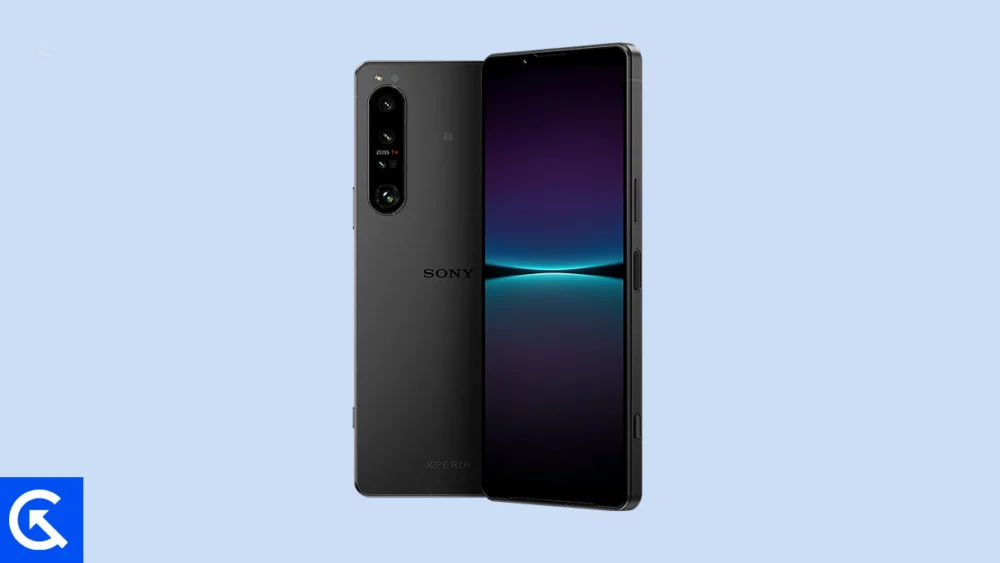
The premium Sony Xperia 1 IV, a flagship device released with Android 12, is receiving an unexpected lease on life through the dedicated Android developer community. Despite officially nearing the end of its software support cycle, an unofficial custom ROM based on the newly released Android 16 source code is now available, enabling users to experience Google’s latest mobile operating system years ahead of any potential official timeline—or, more likely, completely bypassing Sony’s final software commitment. This AOSP (Android Open Source Project) port provides enthusiasts with the refined user interface and system optimizations characteristic of the latest Android iteration.
The drive to install such custom firmware stems from the desire to maximize the longevity of high-end hardware. While official updates typically cease after three or four years, the Xperia 1 IV’s powerful specifications remain highly capable of handling modern workloads, making it a prime candidate for community-driven software continuation.
Android 16: An Evolution of Expressive Design
The headline feature of Android 16 is undoubtedly the implementation of Material 3 Expressive. This design philosophy represents a significant, yet measured, evolution of Google’s Material Design language. Unlike previous iterations that involved dramatic visual shifts, Material 3 Expressive focuses on enhancing the established foundation laid by Material Design 3, which debuted with Android 13.
![How to Install Android 16 on Sony Xperia 1 IV [Download Link]](https://www.getdroidtips.com/wp-content/uploads/2023/12/Sony-Xperia-1-IV.jpg)
The changes are centered on polish and fluidity. Users will immediately notice smoother, more dynamic animations that provide better feedback and a more cohesive feel across the operating system. Furthermore, the design update incorporates larger touch targets, subtly improving accessibility and ease of use, particularly on larger displays. Typography has also received a bolder treatment, ensuring critical information stands out clearly.
This refinement arrives at a critical juncture for Android’s interface design. While Material Design 3 was modern upon its release, the incremental nature of software development meant the look and feel had begun to show its age. Material 3 Expressive revitalizes the aesthetic without alienating users accustomed to the existing visual cues, prioritizing a high degree of fluidity and responsiveness. Beyond the visual updates, Android 16 includes essential system-level optimizations designed to improve battery efficiency, enhance privacy controls, and streamline performance across diverse form factors, including foldables and tablets.
The Hardware Platform: Sony Xperia 1 IV
The Sony Xperia 1 IV serves as an ideal platform for showcasing the performance gains and visual improvements of Android 16. The device is a multimedia powerhouse, defined by its 6.5-inch OLED display. This panel boasts an exceptional 1644 x 3840 resolution, translating to a staggering pixel density of approximately 643 pixels per inch (ppi). Paired with a cinematic 21:9 aspect ratio, 120Hz refresh rate, and HDR BT.2020 support, the display provides an unmatched visual experience for mobile consumption and creation.
Internally, the phone is powered by the formidable Qualcomm SM8450 Snapdragon 8 Gen 1 chipset, coupled with the Adreno 730 GPU. Storage configurations reach up to 512GB with 12GB or 16GB of RAM, utilizing UFS technology for rapid data access.
![How to Install Android 16 on Sony Xperia 1 IV [Download Link]](https://www.getdroidtips.com/wp-content/uploads/2023/12/Sony-Xperia-1-IV-300x169.jpg)
A key differentiator for the Xperia 1 IV is its sophisticated camera system. The triple-camera array includes three 12 MP lenses (wide, telephoto, and ultrawide), complemented by a 0.3 MP TOF 3D depth sensor. Critically, the telephoto lens offers continuous optical zoom—a feature still rare in the mobile market—enhancing its appeal to serious photographers. Audio quality is equally emphasized, featuring stereo speakers and the retention of a traditional 3.5mm audio jack, along with a dynamic vibration system. This comprehensive hardware package ensures that the Xperia 1 IV is more than capable of handling the demands of a modern operating system like Android 16.
Navigating the Custom ROM Installation Process
The installation of an unofficial Android 16 build is not a simple over-the-air update; it requires significant modification of the device’s core software environment. This process, while rewarding, carries inherent risks and demands meticulous preparation.
The first, and most crucial, step is comprehensive data backup. Because the installation process involves unlocking the bootloader and wiping the device partitions, all user data will be erased. Furthermore, adequate battery charge (a minimum of 50%) is mandatory to prevent unexpected shutdowns during the flashing sequence, which can lead to permanent device damage, or "bricking."
A prerequisite for any custom firmware installation on the Xperia 1 IV is unlocking the bootloader. This procedure, which Sony mandates, removes the security restrictions imposed by the manufacturer, allowing third-party software to be loaded onto the device. It is a necessary but irreversible action that typically voids the device’s warranty.
![How to Install Android 16 on Sony Xperia 1 IV [Download Link]](https://www.getdroidtips.com/wp-content/uploads/2020/06/cmd-platform-tools.jpg)
Following the bootloader unlock, two key software tools must be utilized: ADB (Android Debug Bridge) and Fastboot. ADB facilitates communication between the computer and the device while it is running or in recovery mode, whereas Fastboot is the advanced command-line utility specifically used for flashing system partitions. Users must ensure they have the latest ADB and Fastboot binaries (Platform-Tools) installed, alongside the necessary Sony USB drivers to maintain a stable connection.
The final preparatory step involves installing a custom recovery environment, specifically TWRP (Team Win Recovery Project). TWRP replaces the stock recovery utility and provides the graphical interface necessary to manage partitions, perform backups, and, most importantly, flash the unofficial Android 16 custom ROM file and the accompanying GApps (Google Applications). Since most AOSP builds are purely based on the open-source code, they do not include proprietary Google services. Therefore, a separate Android 16 GApps package must be flashed immediately after the main ROM file, prior to the first system reboot, to ensure access to the Play Store and core Google services.
Stability and Community Outlook
Initial reports regarding the stability of this unofficial Android 16 port for the Xperia 1 IV are overwhelmingly positive, with developers noting that core functionalities appear intact. The critical systems—including the display, cellular connectivity, and primary processing—are reported to be fully operational. However, the nature of unofficial AOSP builds means that minor glitches or hardware-specific incompatibilities are always possible. Users are strongly encouraged to document and report any discovered bugs, along with detailed system logs, to the community developer responsible for the port. This collaborative effort is essential for refining the build and achieving a production-ready level of stability.
The availability of Android 16 via a custom ROM successfully extends the functional lifespan of the Sony Xperia 1 IV, offering a modern, optimized software experience that the manufacturer would not have provided. For power users and hardware enthusiasts, embracing this unofficial pathway represents the optimal method for leveraging the device’s robust capabilities well into the future.
