
The landscape of wearable technology has shifted dramatically over the last several years, evolving from simple fitness trackers into sophisticated extensions of the modern smartphone. At the heart of this evolution is the software experience, specifically how users interact with their most essential tools without having to reach into their pockets. Google, as the steward of both the Android operating system and the Wear OS platform, has been on a long-term mission to harmonize the experience between mobile handsets and smartwatches. The latest evidence of this effort has emerged through a detailed examination of the Google Messages application for Wear OS, which suggests that two highly requested features—interactive emoji reactions and a dedicated "Mark as Read" notification button—are finally on the horizon for the wearable platform.
For years, Google Messages has served as the vanguard for the Rich Communication Services (RCS) standard, a protocol designed to replace the aging SMS and MMS systems with a modern, data-driven messaging experience. While the mobile version of the app has seen a flurry of innovations, ranging from end-to-end encryption to AI-driven "Magic Compose" suggestions, the Wear OS counterpart has often felt like a simplified mirror. Currently, when a Wear OS user receives a message, they are largely limited to viewing the text and responding via voice, a tiny keyboard, or a handful of pre-set "Smart Replies." While the app can display emoji reactions sent by others, the ability to actually initiate a reaction from the wrist has remained a glaring omission.
This functional gap appears to be closing. Recent technical investigations into the Google Messages APK (Android Package Kit) for Wear OS have revealed specific code signatures pointing toward a new "MessageReactionsActivity." This internal framework is the structural foundation required to allow users to long-press or tap a message and select an emoji to express their sentiment. Accompanying this discovery are new localized strings of text designed for screen readers and accessibility tools, such as "React with %1$s" and "Remove %1$s reaction." These clues indicate that Google is not merely experimenting with the idea but is actively building the user interface elements necessary for a public rollout.
The introduction of emoji reactions on the wrist represents more than just a cosmetic update; it addresses a fundamental shift in how people communicate in the digital age. In a fast-paced environment, a full text response is often unnecessary when a simple "thumbs up" or "heart" conveys the intended message. For smartwatch users, who often interact with their devices in short, five-to-ten-second bursts, this efficiency is paramount. By enabling reactions, Google is allowing users to acknowledge messages with a single tap, fulfilling the core promise of wearable technology: reducing friction and screen time on the primary device.
Furthermore, the teardown suggests that while standard emojis are being integrated, the more complex "Photomojis"—a feature on Android phones that allows users to turn their own photos into custom reactions—may remain limited to viewing only on the watch for the time being. This is a logical step, as the processing power and screen real estate required to curate and create Photomojis are better suited for the smartphone, while the watch remains the ideal venue for quick, reactive consumption.
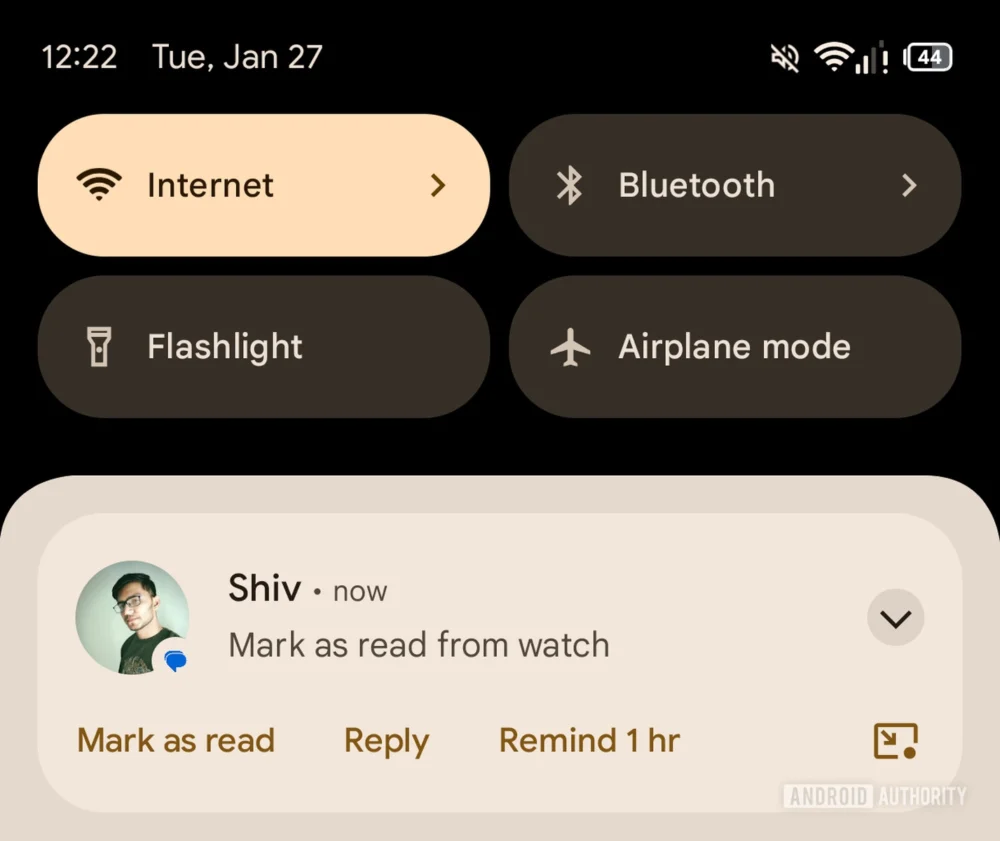
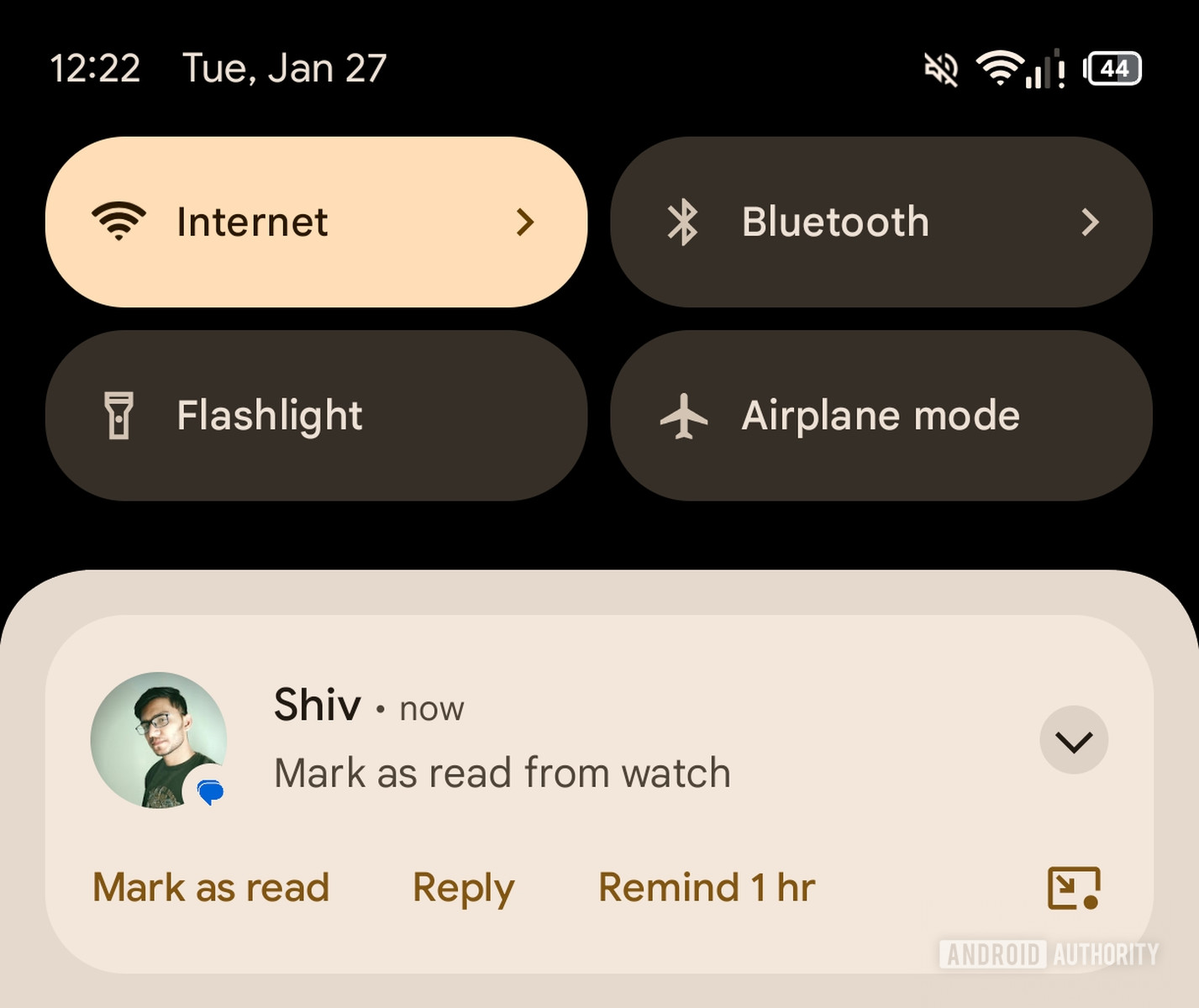
The second major enhancement discovered in the code is the impending arrival of a "Mark as Read" button within the notification interface. This feature has been a staple of the Android mobile experience for years, allowing users to dismiss a notification and clear the unread status of a message simultaneously. On Wear OS, however, the experience has been inconsistently handled across different Google applications. For instance, the Gmail app for Wear OS already includes a "Mark as Read" or "Archive" option directly within the notification shade, allowing for efficient inbox management. Google Messages, despite being one of the most frequently used apps on the platform, has lacked this specific toggle.
The absence of a "Mark as Read" button on the watch has long been a source of minor frustration for power users. Currently, dismissing a message notification on a Wear OS device often removes the alert from the watch face but leaves the message marked as unread on the paired smartphone. This creates a redundant workflow where the user must eventually open their phone to clear out "ghost" notifications that they have already seen and processed on their wrist. The discovery of the "enable_mark_as_read_on_wear_notification" flag in the app’s code suggests that Google is finally moving to eliminate this redundancy.
The implementation of this feature is a significant win for notification hygiene. In an era of digital over-saturation, the ability to triage incoming data at the source is vital. By allowing users to mark unimportant or purely informational texts as read directly from their smartwatch, Google is helping users maintain a "zero-unread" status with minimal effort. This synchronization is a hallmark of a mature ecosystem, ensuring that the state of an application is consistent across all hardware touchpoints.
These updates arrive at a pivotal moment for the Wear OS ecosystem. Following the launch of the Pixel Watch series and the continued success of Samsung’s Galaxy Watch lineup, Google has a vested interest in ensuring its first-party apps are the gold standard for wearable software. For a long time, Wear OS struggled with a "second-class citizen" reputation compared to Apple’s watchOS, which has historically offered deep integration with iMessage, including reactions and sophisticated notification handling. By bringing Google Messages closer to feature parity with its mobile version, Google is strengthening its competitive position and rewarding the loyalty of users who have invested in the Android-Wear OS hardware stack.
From a technical perspective, these discoveries were made through "APK teardowns," a process where developers and enthusiasts decompile the latest version of an application to see what changes are being made under the hood. While code strings and activity names are strong indicators of a company’s direction, they do not always guarantee an immediate release. Google frequently "flags" features in their code months before they are toggled on for the general public, using this time for internal testing and bug fixing. However, given the refined nature of the strings found—specifically those related to accessibility and user interface descriptions—it is highly likely that these features are in the final stages of development.
The broader implications of these updates also touch upon the evolution of RCS. As Google continues to pressure other industry players to adopt RCS for better cross-platform messaging, it must ensure that its own implementation of the standard is as robust and feature-rich as possible. Providing a seamless RCS experience on the wrist is a crucial part of that narrative. It demonstrates that RCS is not just a "phone feature," but a holistic communication standard that works across the entire spectrum of modern computing devices.
As users await the official rollout of these features, the discoveries serve as a reminder of the iterative nature of software development. The journey toward a perfect wearable experience is not defined by a single revolutionary leap, but by the steady accumulation of small, quality-of-life improvements. The ability to react with a "laughing" emoji to a friend’s joke or to silence a persistent group chat by marking it as read from the wrist might seem like minor additions in isolation. Yet, in the context of daily usage, these are the features that transform a smartwatch from a luxury gadget into an indispensable tool for modern living.
In the coming months, Wear OS users should keep a close eye on updates to the Google Messages app via the Play Store. While Google has not officially announced a release date for these features, the presence of the code suggests that the "Message Reactions" and the "Mark as Read" button are no longer a matter of "if," but "when." As the lines between our devices continue to blur, Google’s commitment to refining these micro-interactions will be the key to maintaining its momentum in the increasingly competitive wearable market.
