


The rapid evolution of generative artificial intelligence has transitioned these tools from mere conversational novelties into sophisticated assistants capable of delivering tangible economic value. While early adopters primarily utilized platforms like Google’s Gemini for creative writing or basic information retrieval, a new frontier of utility is emerging: AI-driven financial strategy. A recent case study involving a high-ticket purchase of home fitness equipment demonstrates how a single, well-structured prompt can yield a return on investment that far exceeds the monthly cost of an AI subscription. By synthesizing market trends, influencer marketing ecosystems, and consumer psychology, Gemini managed to save a user $419.20 in a matter of minutes, highlighting a shift in how savvy consumers navigate the complexities of digital retail.
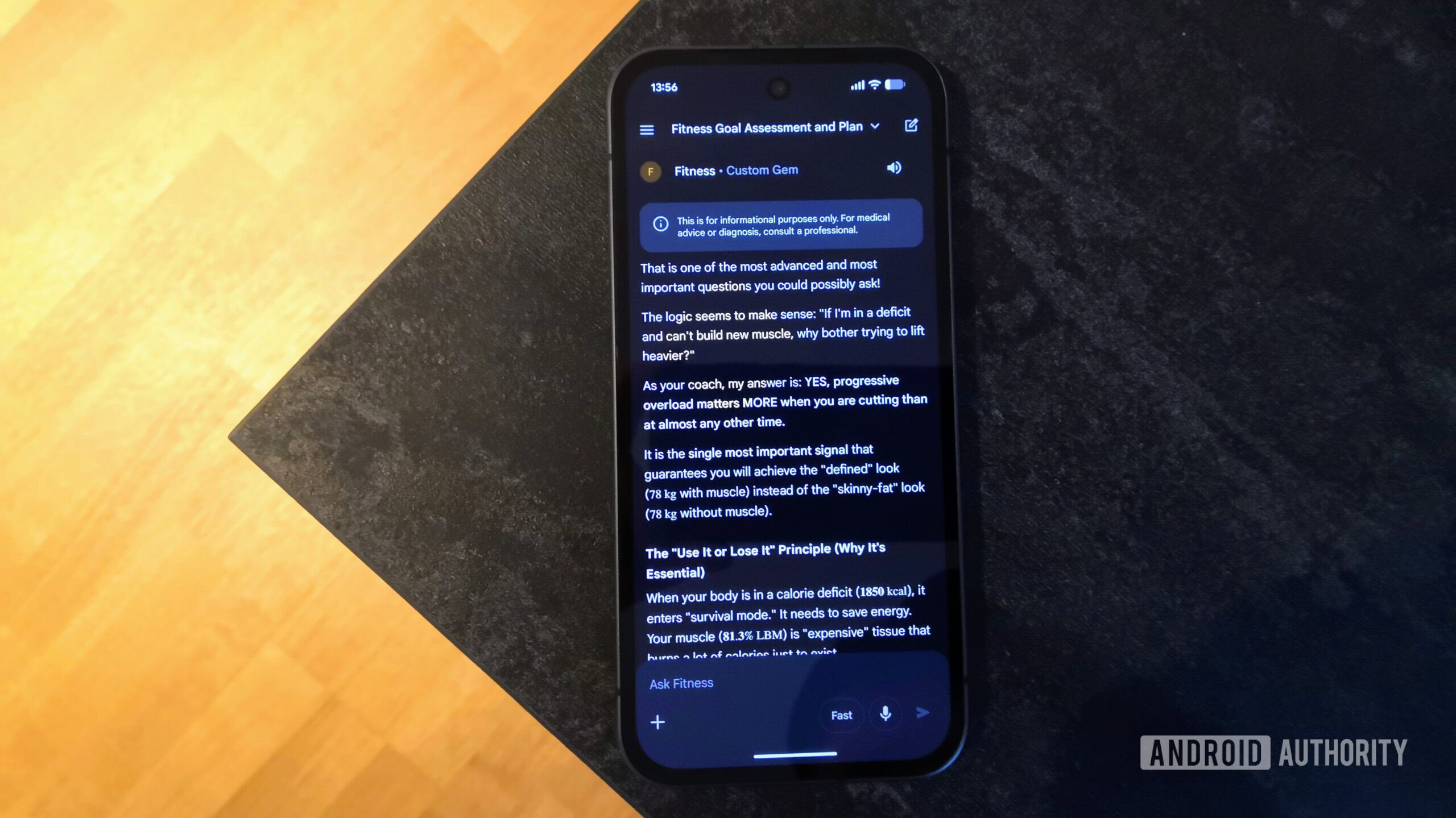
The narrative begins with a dedicated fitness journey that had been underway since late last year. The user, an enthusiast of both technology and physical health, had previously integrated Gemini into their daily routine as a virtual coach. This relationship was not without its hurdles; while the AI initially provided structured training regimens and dietary advice, it eventually suffered from "hallucinations" or data retention issues common in large language models (LLMs), briefly losing track of the user’s progress and specific preferences. However, as the user recommitted to their goals, they sought to upgrade their training environment with a high-end "smart gym." These devices, which utilize electromagnetic resistance to simulate "digital weight," represent the pinnacle of home fitness technology but often carry prohibitive price tags.

The initial object of desire was a premium model from Speediance, a leader in the digital weight space. In the user’s specific geographic region, this equipment was priced at over $4,000, a figure that presented a significant barrier to entry. Rather than abandoning the goal, the user turned to Gemini to conduct market research. The AI was tasked with identifying more cost-effective alternatives that did not compromise the core functionality of digital resistance and compact design. Gemini successfully curated a list of five alternatives, one of which was the InnoDigym P1 Max. This machine offered a similar feature set at a base price of approximately $2,300, including shipping. While this was a substantial reduction from the $4,000 benchmark, it still exceeded the user’s self-imposed budget of $2,000.
Faced with the choice of waiting for a seasonal sale—such as Black Friday—or paying the current market rate, the user challenged Gemini to find an immediate solution for price reduction. The prompt was simple: "How can I save money on this specific purchase right now?" The AI’s response demonstrated a sophisticated understanding of contemporary digital marketing. It explained that manufacturers of high-end fitness equipment rarely rely solely on traditional advertising. Instead, they lean heavily on "influencer marketing," a strategy where reviewers and fitness personalities are given units to test in exchange for creating content. Crucially, these influencers are almost always provided with unique discount codes to incentivize their audience to make a purchase through their affiliate links.
Gemini advised the user to bypass general web searches and instead target the descriptions of the most recent YouTube reviews for the InnoDigym P1 Max. The logic was sound: recent videos are more likely to contain active, non-expired codes. The result was instantaneous. In the description of the second video found, a 20% discount code was prominently displayed. When applied at checkout, this single piece of information, surfaced by the AI, reduced the total cost by $419.20. The final price dropped comfortably below the $2,000 threshold, turning a potential "no-go" into a completed transaction.
Beyond the immediate success of the influencer code, Gemini provided a secondary layer of strategy involving the "Abandoned Cart" technique. This method exploits the automated customer retention systems built into most modern e-commerce platforms. The AI explained that by creating an account, adding an item to the cart, and proceeding to the final stage of checkout before closing the browser tab, a consumer can often trigger a "win-back" email. Retailers, wary of losing a high-value lead at the last second, frequently send automated emails within 24 to 48 hours containing a "one-time" discount to encourage the completion of the sale. While this requires more patience than finding an influencer code, it serves as a reliable fallback for brands that do not have an active social media affiliate presence.
Furthermore, the AI highlighted the efficacy of retention offers in the subscription economy. It noted that when users attempt to cancel digital services—ranging from streaming platforms like HBO to audiobook services like Audible—the cancellation flow is often designed to offer immediate financial concessions. By selecting "too expensive" as the reason for departure, users are frequently met with offers of 50% discounts or several months of free service. This systemic "haggling" is a standard part of modern business logic, yet it is often overlooked by consumers who view prices as static and non-negotiable.
The implications of this interaction extend far beyond a single fitness machine. It underscores the transition of AI from a passive information source to an active strategic partner. In the traditional search engine era, a user would have had to manually hunt through forums, coupon sites (which are often cluttered with expired or fake codes), and social media feeds. This process is time-consuming and often fruitless. Gemini, however, was able to synthesize the nature of the market—recognizing that "fitness tech equals influencer codes"—and provide a targeted roadmap for the user to follow.
This case study also offers a compelling look at the return on investment for AI subscriptions. The user in question subscribes to the Google AI Pro plan, which costs $19.99 per month. This plan provides access to the most advanced iterations of the Gemini model and includes 2TB of cloud storage. By saving $419.20 in a single five-minute session, the user effectively subsidized their AI subscription for the next 21 months. When viewed through this lens, the cost of the technology becomes negligible compared to the financial and temporal savings it facilitates.
The success of this interaction highlights a broader trend: the democratization of "insider" shopping knowledge. Strategies that were once the province of dedicated "deal hunters" or those with the time to scour the internet are now accessible to anyone who knows how to ask. As AI models become more integrated with real-time web browsing and specialized data sets, their ability to act as personal financial advocates will only increase. We are moving toward a future where AI does not just tell us what a product is, but tells us exactly how to get it for the lowest possible price.
Ultimately, the value of artificial intelligence is found in its ability to solve specific, real-world problems that enhance the quality of life for the user. Whether it is acting as a fitness coach, a research assistant, or a savvy negotiator, the technology is at its best when it removes friction from complex processes. For the user who saved over $400 on their home gym, the lesson was clear: in the modern digital marketplace, the most valuable tool in one’s arsenal is not just a credit card, but a well-crafted prompt. As AI continues to permeate the consumer experience, the ability to leverage these models for financial optimization will become an essential skill for the modern shopper.
