

The once-vibrant landscape of Android customization, defined by the thrill of flashing custom firmware and reclaiming control over hardware, is entering what many industry analysts describe as its final act. In 2026, the ecosystem that once flourished on the fringes of the mobile industry is being squeezed by two converging forces: the strategic evolution of Original Equipment Manufacturers (OEMs) and the increasingly restrictive security architecture implemented by Google. For over a decade, the custom ROM community was the vanguard of mobile innovation, offering features and longevity that manufacturers refused to provide. Today, however, the fundamental reasons for the existence of these third-party operating systems are being systematically dismantled.
The first major blow to the custom ROM movement comes from the very manufacturers who once inadvertently fueled its growth. In the early days of Android, users turned to ROMs like CyanogenMod or Paranoid Android to escape "bloatware" and to gain access to basic features like dark mode, screen recording, or granular permission controls. In 2026, these features are no longer the exclusive province of the enthusiast. Modern iterations of Samsung’s One UI, Xiaomi’s HyperOS, and Google’s own Pixel UI have matured into feature-rich environments that satisfy the vast majority of power users. The "feature gap" that once justified the risk of bricking a device has effectively closed.
Perhaps more significantly, the argument for custom ROMs as a tool for device longevity has been neutralized by new corporate policies. For years, the primary motivation for flashing a ROM was to keep a two-year-old device updated after the manufacturer abandoned it. However, the industry has shifted toward a more sustainable support model. Both Samsung and Google now guarantee seven years of major OS upgrades and security patches for their flagship and mid-range devices. When a consumer purchases a Pixel or a Galaxy device in 2026, they are promised official support well into the 2030s. This unprecedented commitment to software lifecycle management removes the "planned obsolescence" incentive that was once the lifeblood of the custom ROM community.
Beyond the lack of necessity, the technical barriers to entry have reached an all-time high. The process of "unlocking the bootloader"—the essential first step for any modification—has been transformed from a simple developer setting into a bureaucratic and often impossible hurdle. Samsung, long a favorite for hardware enthusiasts, has taken a drastic turn with the release of One UI 8. By altogether removing the "OEM Unlocking" toggle from the developer options, Samsung has effectively shuttered the door on third-party development. Without this gateway, the Knox security suite remains impenetrable, making the installation of custom recoveries or kernels a relic of the past for new Galaxy owners.
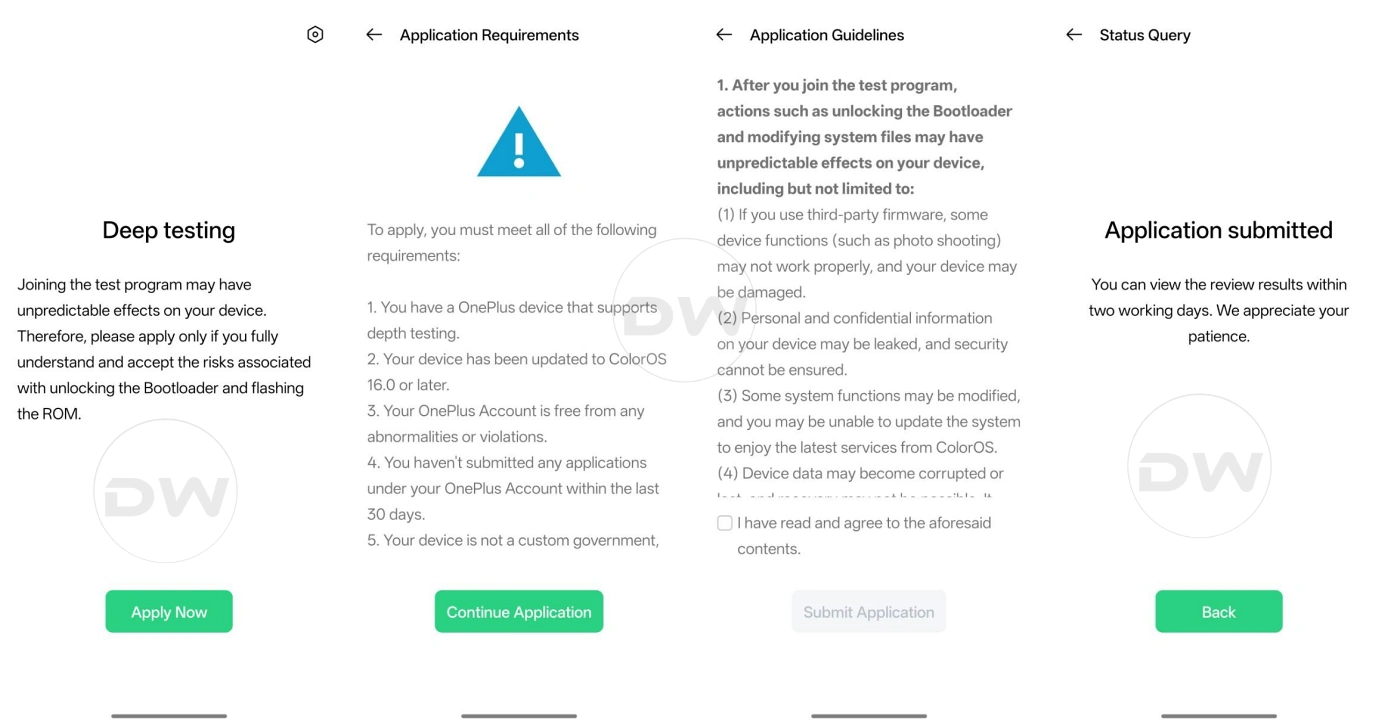
Xiaomi, another former darling of the modding scene, has similarly complicated the landscape. With the full integration of HyperOS, the company has replaced its relatively straightforward unlocking process with a restrictive system that requires active community participation, account leveling, and strict waiting periods. While some independent developers have released scripts and bypasses to circumvent these requirements for HyperOS 2 and Android 15, these solutions are often temporary and carry the risk of account bans or permanent device locking. Even OnePlus, a brand that built its identity on being "developer-friendly," has begun moving away from standard Fastboot commands. In its domestic Chinese market, OnePlus now requires the use of a "Deep Test" app to authorize bootloader unlocking—a trend that industry insiders expect will be mandated globally as the company seeks closer alignment with parent-company Oppo’s more restrictive security protocols.

While OEMs are hardening the hardware, Google is tightening the software noose through the Android Open Source Project (AOSP) and the Play Integrity API. In a move that has sent shockwaves through the developer community, Google has transitioned to a biannual release cycle for Android source code. By releasing code only twice a year, Google has made it nearly impossible for independent projects like LineageOS or GrapheneOS to maintain parity with official security patches and feature updates. Developers are now forced to work with aging codebases, leading to a "version lag" that compromises the security of the very users who turned to custom ROMs for better protection.
The most formidable obstacle, however, is the Play Integrity API. This security suite is designed to ensure that a device is running "trusted" software. For a user on a custom ROM, passing Play Integrity has become a grueling game of cat-and-mouse. To use essential services—including banking apps, mobile payments via Google Wallet, high-definition streaming on Netflix, and even popular games—a device must prove its integrity to Google’s servers. When a bootloader is unlocked, the device’s "Strong Integrity" status is revoked.
To combat this, the community turned to "keyboxes"—cryptographic files that spoof the identity of a certified device. However, this workaround is nearing its end. Google has begun an aggressive campaign to revoke leaked keyboxes within days of their discovery. Furthermore, recent technical documentation indicates that the current method of using keyboxes will be rendered entirely obsolete by April 2026. As Google mandates hardware-backed attestation that cannot be faked via software, the ability to use a custom ROM as a "daily driver" becomes practically impossible for anyone who relies on modern digital infrastructure. If a phone cannot pass a security check for a banking app, it ceases to be a functional tool for the modern world.

The human cost of this technical warfare is already visible. The shuttering of the Pixel Experience project—one of the most popular and user-friendly ROMs in history—served as a canary in the coal mine. The lead developers cited the increasing difficulty of maintaining the project against Google’s shifting security requirements as a primary reason for its dissolution. Other major projects are facing similar burnout. When developers spend 90% of their time fixing broken Google Play Services and only 10% on actual innovation, the passion that fueled the movement begins to evaporate.
There remains a niche for custom ROMs, specifically in the realm of extreme privacy and de-googling. Projects like GrapheneOS continue to provide a vital service for journalists, activists, and privacy-conscious individuals who are willing to sacrifice the convenience of the Play Store for a hardened, independent OS. For these users, the struggle is not about aesthetics or extra features; it is about digital sovereignty. However, for the general enthusiast who simply wanted a cleaner UI or a faster phone, the cost-benefit analysis has shifted dramatically.
As we move further into 2026, the question of whether flashing a custom ROM is "worth it" becomes increasingly rhetorical. For the average user, the trade-offs—broken biometrics, the loss of banking apps, the risk of permanent hardware locks, and the constant need to hunt for new exploits—far outweigh the benefits of a custom skin or a few extra toggles. The "Golden Age" of Android modding was defined by a sense of infinite possibility and a collaborative spirit between users and developers. Today, that era is being replaced by a "Locked Era," where the device you buy is the device you keep, exactly as the manufacturer intended. While the spirit of modding may live on in the halls of specialized privacy projects, the era of the "mainstream" custom ROM appears to be reaching its conclusion, silenced by the dual pressures of corporate polish and cryptographic security.
