


In a move that signals a profound shift in the architectural foundations of wearable computing, Google has unveiled a comprehensive suite of design tools and philosophical guidelines intended to define the future of Android XR. As the industry moves closer to the dream of ubiquitous, lightweight smart glasses, the tech giant has introduced "Glimmer," a specialized library of Jetpack Compose tools specifically engineered for the unique challenges of transparent displays. This announcement, detailed by David Allin Reese, a senior visual designer at Google, marks a departure from traditional mobile interface design and sets the stage for a new era of "ambient computing" where digital information is woven into the physical world rather than confined to a glass slab in a user’s pocket.
For years, the technology industry has grappled with the "transparency problem." Unlike traditional smartphones or VR headsets, which utilize opaque screens to control every pixel, augmented reality (AR) glasses must project digital light onto lenses that the user is simultaneously looking through to see the real world. This creates a complex layering effect where the background environment is unpredictable, varying from a bright, sunlit street to a dimly lit office. Google’s Glimmer library is the company’s definitive answer to this challenge, offering developers a roadmap for creating legible, aesthetically pleasing, and non-intrusive user interfaces that respect the user’s primary vision.
At the heart of Google’s design philosophy for Android XR is the concept of placing the "interface at arm’s length." While competitors like Apple have leaned heavily into the "glassmorphism" aesthetic for visionOS—relying on tinted, frosted glass panels and high-contrast shadows to simulate physical objects floating in space—Google is taking a more optical approach. The Glimmer framework prioritizes the way the human eye naturally interacts with depth. By projecting elements so they appear roughly one meter away from the wearer’s face, Google aims to reduce eye strain and minimize the "vergence-accommodation conflict," a common issue in near-eye displays where the brain becomes confused by the distance of the digital object versus the focus of the eye.
To achieve this sense of depth and clarity without blocking the user’s view of their surroundings, Google is moving away from the vibrant, opaque Material Design language that has defined Android for the last decade. Material Design relies on bold blocks of color and layered surfaces to create hierarchy. In the world of transparent lenses, however, opaque blocks act as blind spots. Instead, Glimmer champions a "neutral look" that utilizes light-based elements. Because AR displays are additive—meaning they can only add light to the user’s field of vision rather than subtract it—creating "black" or dark colors is physically impossible on most transparent optics. Dark areas simply appear as clear glass. Google’s solution is to use light-colored text and iconography backed by subtle, strategically placed shadows.
This technique addresses a phenomenon known as "halation," where bright light from a digital element bleeds into the surrounding dark areas or the real-world background, causing a glowing blur that destroys legibility. By using light elements with a darker "drop shadow" or outline, Glimmer ensures that the edges of a button or a letter remain crisp against any background. Furthermore, the framework uses variable shadow strength to establish a visual hierarchy. For example, a high-priority notification or a primary action button might feature a thicker, more pronounced shadow, creating a stereoscopic illusion that the element is "closer" to the user and therefore more deserving of immediate attention.
Typography has also undergone a radical transformation for the XR environment. Google has adapted its signature typeface, Google Sans, into a specialized version for Glimmer. This new iteration is thicker and rounder, specifically designed to maintain its structural integrity when viewed against busy or high-contrast real-world backgrounds. In a mobile environment, a thin font is elegant; in an AR environment, a thin font is a liability, often disappearing into the texture of a brick wall or a patterned carpet. By increasing the weight and adjusting the kerning of the typeface, Google ensures that information remains readable even when the wearer is in motion.
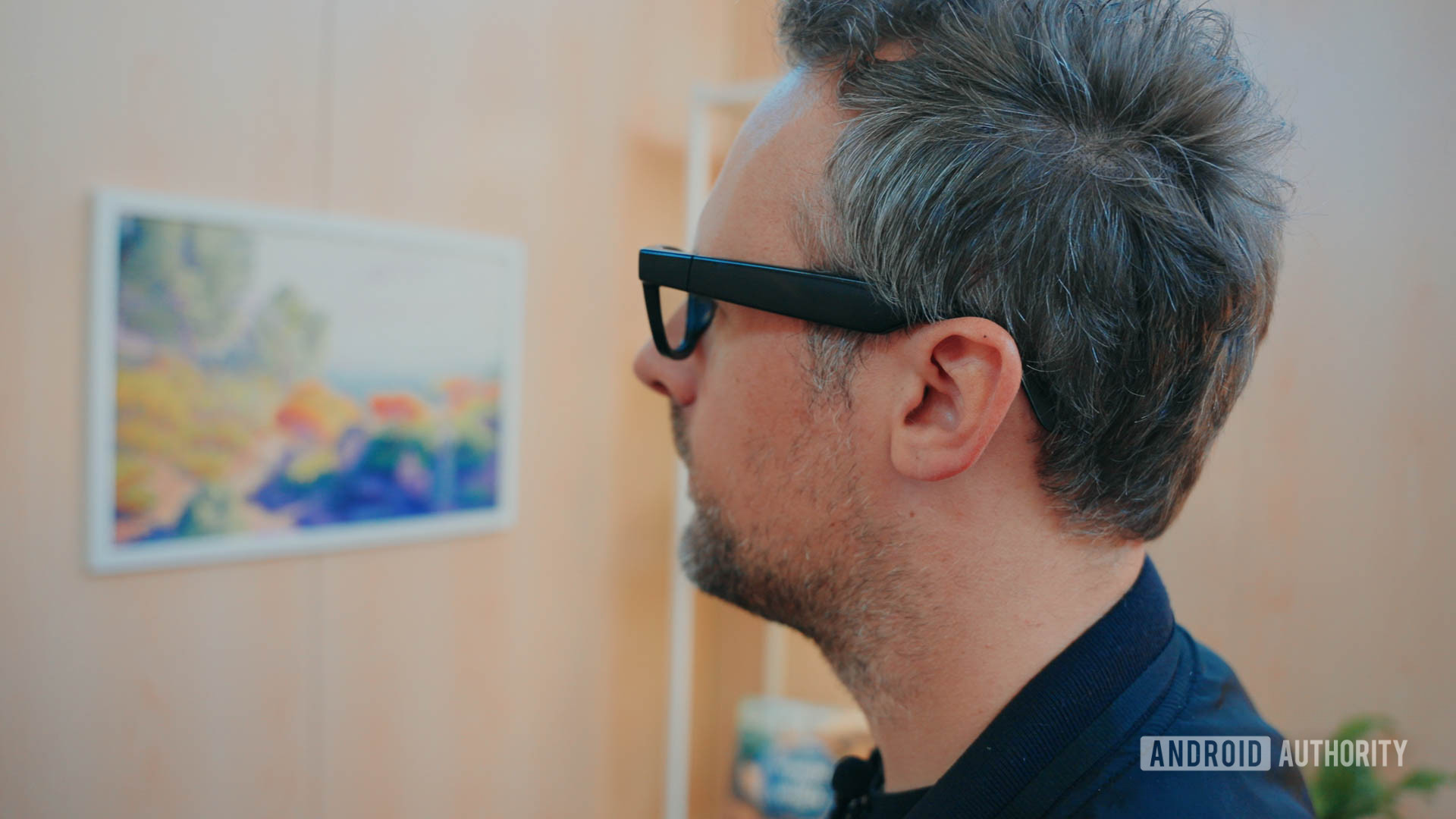
The user experience (UX) logic within Glimmer extends beyond mere aesthetics; it considers the psychological impact of wearing a computer on one’s face. Google’s design team emphasizes that notifications in Android XR should "invite" focus rather than "demand" it. To achieve this, the Glimmer library introduces sophisticated motion curves for UI elements. Notifications are designed to fade in and out with a gentle, deliberate cadence. This is not just a stylistic choice but a functional one intended to combat motion blur. When a user turns their head quickly, sudden digital pop-ups can become a distracting smear of light. By slowing down the entrance and exit of these elements, Google provides the human eye with the necessary time to track and process the new information without feeling overwhelmed or visually assaulted.
This "gentle nudge" philosophy is a direct response to the "notification fatigue" that plagues the modern smartphone era. Google recognizes that when a screen is inches from a user’s retinas, the stakes for intrusion are much higher. The Glimmer framework encourages developers to think of the UI as a guest in the user’s physical space—one that should only speak when necessary and always in a tone that matches the environment.
The timing of this release is significant, as it provides a glimpse into the broader ecosystem Google is building in collaboration with partners like Samsung and Qualcomm. For years, rumors have swirled regarding a "Samsung XR" headset powered by Google’s software. By releasing the Glimmer design guidelines and Figma assets now, Google is effectively priming the developer community to begin building the next generation of spatial apps. This strategy mirrors Google’s historical approach with the original Android OS: provide the tools, the framework, and the design language, and then allow a massive ecosystem of developers to populate the platform.
However, the competition is fiercer than ever. Meta has recently showcased its "Orion" prototype, which focuses on a wide field of view and neural interfaces, while Apple continues to refine the Vision Pro. Google’s advantage lies in its massive existing library of Android applications. The Glimmer library is built on Jetpack Compose, the same modern toolkit used for building standard Android apps. This means that for a developer already familiar with the Android ecosystem, the jump to building for XR is a matter of adaptation rather than a complete reinvention. Google is banking on the idea that the easiest way to win the XR war is to make the transition for developers as seamless as possible.
As we look toward Google I/O in May 2026, the industry expects Android XR to take center stage. The Glimmer framework is the first tangible evidence of how Google intends to win the "battle for the eyes." It is a vision of the future that is less about escaping into a virtual world and more about enhancing the one we already inhabit. By focusing on legibility, optical comfort, and non-intrusive interactions, Google is attempting to solve the human-centric problems that have held AR back from mainstream adoption.
In the coming months, as developers experiment with the Glimmer Figma boards and Jetpack Compose tools, we will likely see a wave of experimental interfaces that prioritize transparency and depth. The goal is a world where your navigation directions are a faint, helpful glow on the sidewalk, where your messages appear as soft invitations in your peripheral vision, and where the digital and physical worlds finally achieve a harmonious coexistence. With Glimmer, Google has not just given us a library of tools; it has provided a philosophy for how we will interact with the world when the screens finally disappear.
