

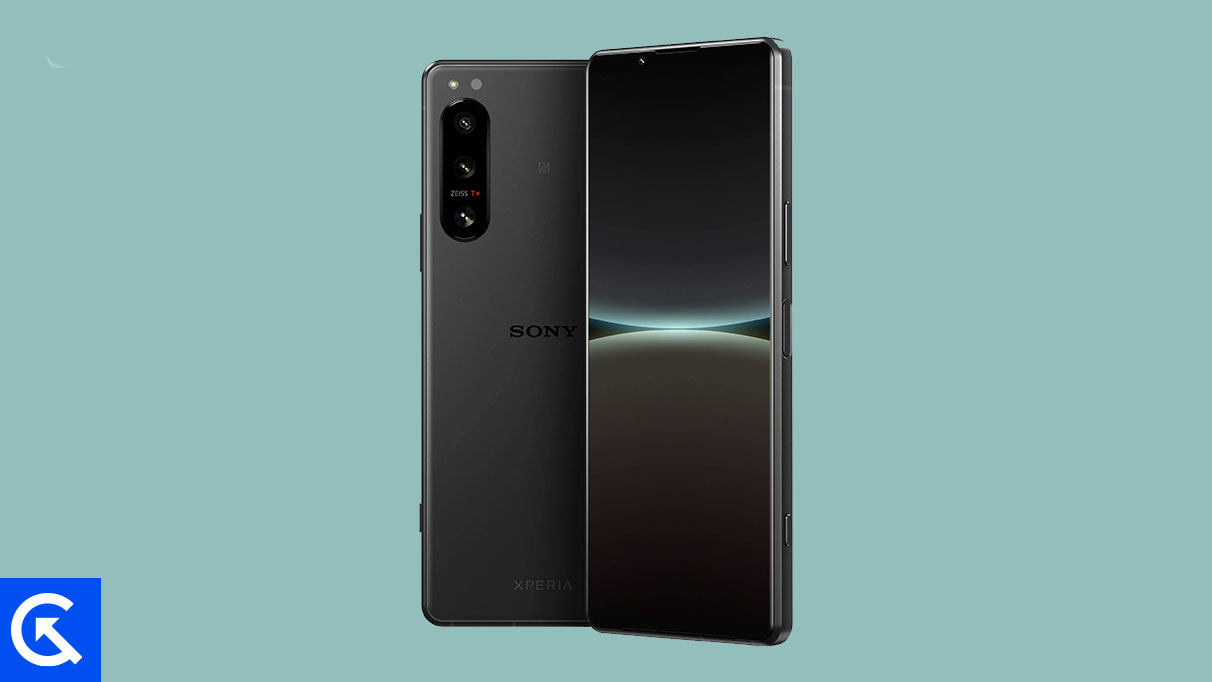
The Sony Xperia 5 IV, a device praised for its compact form factor and professional-grade camera features, is receiving a significant software lifeline through the dedicated Android developer community. Although Sony’s official software support window for the device may be drawing to a close, independent developers have successfully ported an unofficial Android 16 custom ROM based on the Android Open Source Project (AOSP). This development allows owners of the Xperia 5 IV to bypass OEM limitations, access Google’s newest user experience, and substantially extend the operational longevity of their premium hardware.
The availability of this port underscores a growing trend among power users who leverage custom firmware to maintain feature parity with modern flagship devices. With Google’s official rollout of Android 16 initially restricted to its proprietary Pixel line, the rapid adaptation of AOSP builds for devices like the Xperia 5 IV offers immediate access to key system innovations.
The Transformation of Android 16: Material 3 Expressive
The most compelling reason for users to undertake this complex upgrade is the introduction of Material 3 Expressive, the cornerstone of the Android 16 experience. While not a radical departure from its predecessor, Material 3 Expressive represents a critical refinement of Google’s visual language. This evolution moves beyond the initial implementation of Material Design 3, which, since its debut with Android 13, had begun to feel static.
![How to Install Android 16 on Sony Xperia 5 IV [Download Link]](https://www.getdroidtips.com/wp-content/uploads/2026/01/Sony-Xperia-5-IV.jpg)
Material 3 Expressive injects dynamism and fluidity back into the user interface. It focuses on enhanced motion, significantly smoother transitions, and bolder typographical elements that improve content hierarchy and readability. Furthermore, this design update incorporates practical improvements such as larger touch targets, which subtly but effectively improve overall usability and accessibility across the operating system.
The design philosophy behind Expressive is not to overhaul the familiar Android environment but to polish its foundation, ensuring a contemporary feel while retaining the intuitive navigation users expect. Alongside these visible UI changes, Android 16 brings crucial system optimizations, including improvements to background process management, enhanced battery life algorithms, and new privacy controls designed to give users more granular authority over device permissions and data access. For devices already a generation or two removed from the latest silicon, these underlying performance and efficiency gains are often as valuable as the aesthetic updates.
Sony Xperia 5 IV: Hardware Worth Reviving
The continued relevance of the Sony Xperia 5 IV in the custom ROM scene is rooted firmly in its specialized hardware profile. Released as a compact flagship, the device was deliberately engineered for a discerning user base that prioritizes ergonomic design and professional multimedia capabilities.
The 6.1-inch OLED display, featuring a cinematic 21:9 aspect ratio and a 120Hz refresh rate, remains a highly capable panel for content consumption and creation. Weighing a mere 172 grams and encased in Gorilla Glass Victus and an aluminum frame, the phone’s premium build quality, coupled with its IP65/IP68 ingress protection, ensures durability.
![How to Install Android 16 on Sony Xperia 5 IV [Download Link]](https://www.getdroidtips.com/wp-content/uploads/2026/01/Sony-Xperia-5-IV-300x169.jpg)
Performance is managed by the Snapdragon 8 Gen 1 processor. While superseded by newer chipsets, the 8 Gen 1 remains robust enough to handle the demands of modern applications and gaming, especially when paired with a lean, optimized AOSP build. Crucially, the Xperia 5 IV retained features now abandoned by many competitors, notably the 3.5mm headphone jack with Hi-Res audio support and the ability to expand storage via microSD—features that solidify its niche appeal among audiophiles and content creators.
The camera system is perhaps the device’s biggest differentiator. Unlike many contemporaries, all three rear lenses utilize 12 MP sensors with genuine Zeiss optics. The integration of advanced features derived from Sony’s Alpha camera division, such as real-time autofocus on all lenses and sophisticated Eye Tracking technology, allows for high-quality video capture up to 4K HDR at 120 frames per second. This enduring hardware prowess makes the effort of installing a custom OS justifiable, ensuring the phone’s formidable capabilities are matched by modern software.
The AOSP Port: Stability and Caveats
The current Android 16 port for the Sony Xperia 5 IV is categorized as an unofficial AOSP build. AOSP (Android Open Source Project) refers to the base, unadulterated version of Android provided by Google, stripped of OEM-specific skins and proprietary software. This often results in a lightweight, fast operating system.
Early assessments of the stability of this particular port are highly encouraging, with developers reporting that fundamental device functionality—including core telephony, connectivity, and camera operations—appears to be fully functional. The initial consensus is that "Everything seems to be working fine," an uncommon endorsement for such a cutting-edge unofficial build.
![How to Install Android 16 on Sony Xperia 5 IV [Download Link]](https://www.getdroidtips.com/wp-content/uploads/2020/06/cmd-platform-tools.jpg)
However, the nature of custom ROMs necessitates caution. Users must understand that these builds are community-driven and lack the rigorous quality assurance of official OEM releases. While major bugs may be absent, minor idiosyncrasies or device-specific issues can emerge. Users who encounter errors are generally expected to assist in the development process by generating and submitting detailed logs to the responsible maintainers, aiding in the swift resolution of any lingering issues.
Technical Demands: Navigating the Installation Barrier
Transitioning the Sony Xperia 5 IV to an unofficial Android 16 build is not a process for casual users; it requires significant technical preparation and adherence to a strict protocol. The prerequisites transform the phone from a standard consumer device into a development platform.
- Bootloader Unlocking: The foundational step involves unlocking the device’s bootloader. This is the critical security barrier implemented by Sony, and its removal is necessary to permit the flashing of non-official firmware. This action invariably wipes all existing data on the device, underscoring the absolute necessity of a comprehensive data backup prior to commencing the procedure.
- Specialized Tools: The installation relies heavily on the Android Debug Bridge (ADB) and Fastboot binaries. ADB facilitates basic communication between the computer and the device while it is running, but Fastboot is the advanced command-line utility used to interface with the bootloader directly for critical operations like flashing recovery images and partitioning. Ensuring the latest Sony USB drivers are correctly installed is equally vital to maintain a stable, high-speed connection during these sensitive operations.
- The Recovery Environment (TWRP): Custom ROM installation requires a specialized recovery environment, typically Team Win Recovery Project (TWRP). TWRP replaces the stock recovery partition, offering a sophisticated graphical interface necessary for flashing ZIP files containing the custom OS and associated packages.
- Google Applications (GApps): A core distinction of AOSP builds is the omission of proprietary Google services. To restore access to the Play Store, Gmail, Maps, and other essential Google apps, users must separately download and flash the appropriate Android 16 GApps package immediately after installing the main custom ROM file. Failure to flash GApps before the first reboot will necessitate repeating the entire process.
The installation workflow itself involves booting into the custom recovery, performing full data and system wipes (including Dalvik cache), flashing the main ROM file, and subsequently flashing the GApps package before rebooting the system. The initial boot cycle into the new Android 16 environment is notably prolonged due to system initialization, a phase that often tests the patience of even experienced flashers.
By successfully navigating these complex steps, Xperia 5 IV owners are effectively future-proofing their premium device. They gain access to the latest security patches, system features, and the highly polished user experience of Material 3 Expressive, ensuring that this powerful compact flagship remains a relevant and high-performing tool for years to come, regardless of official manufacturer support decisions.