

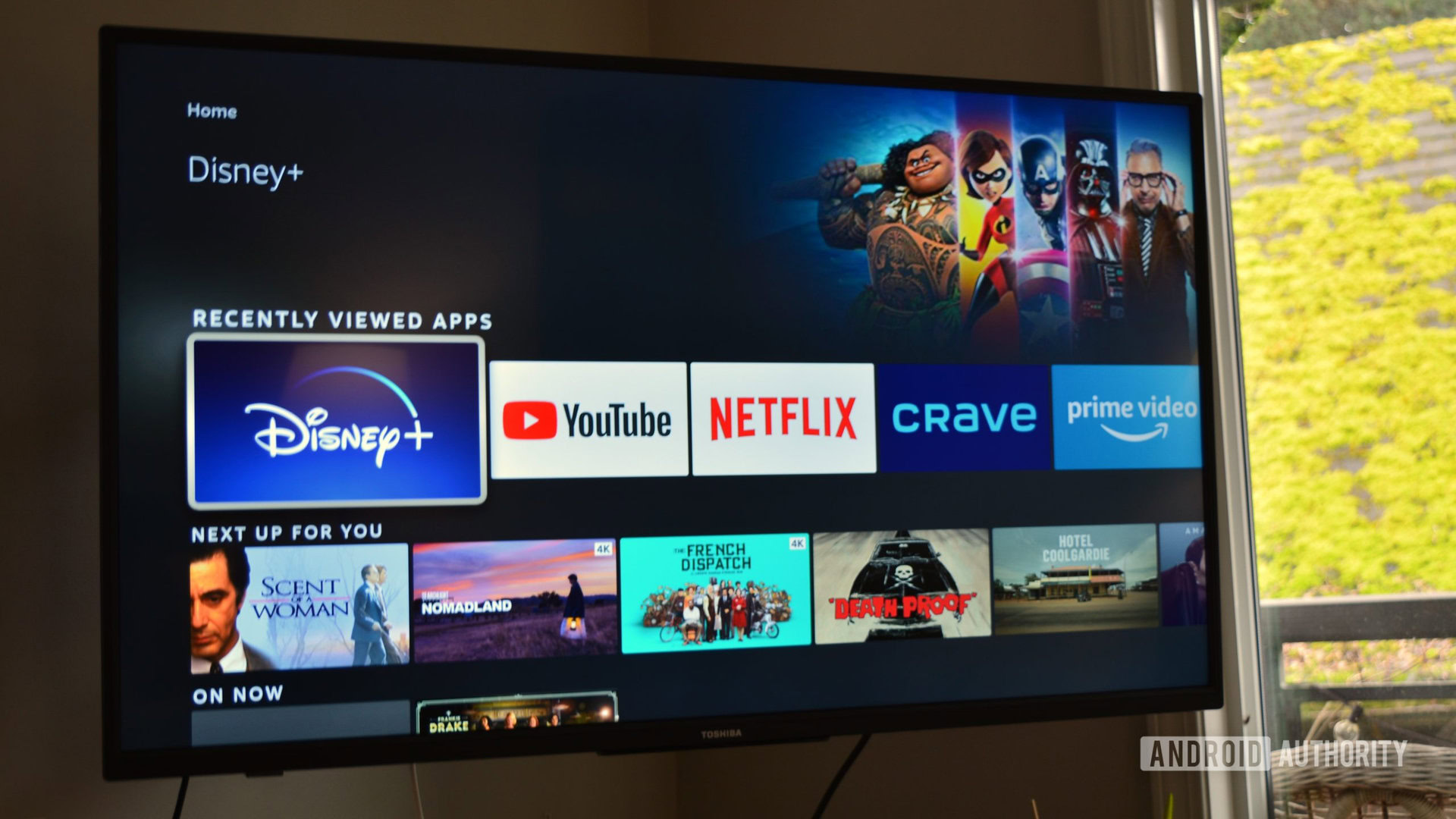
The landscape of digital streaming is undergoing a seismic shift as Amazon, one of the world’s most dominant hardware and service providers, moves to fortify its Fire TV ecosystem against the pervasive threat of digital piracy. In a significant escalation of its enforcement strategy, the tech giant has transitioned from merely discouraging the use of unauthorized applications to implementing proactive, hard blocks that prevent these programs from being installed on its devices in the first place. This development marks a pivotal moment for millions of Fire TV users worldwide, signaling the end of an era where the platform was widely regarded as the most accessible gateway for "jailbroken" streaming experiences.
For years, the Amazon Fire TV Stick and its various iterations have occupied a unique niche in the consumer electronics market. By leveraging a modified version of the Android Open Source Project (AOSP), Amazon created a device that was both affordable and highly flexible. This flexibility allowed users to "sideload" applications—installing software from sources outside the official Amazon Appstore. While this feature was originally intended to empower developers and power users to install legitimate tools like custom browsers or specialized media players, it quickly became the primary method for users to install "gray-market" apps. These applications often provide illicit access to live sports, premium cable channels, and the latest cinematic releases without the requisite licensing fees.
Historically, Amazon’s approach to this phenomenon was relatively passive. While the company would occasionally remove infringing apps from its official store, users who sideloaded third-party APKs (Android Package kits) faced few hurdles. Even as the company began to implement software updates that would block certain apps from launching, the enforcement was often inconsistent. A user might successfully install a piracy-focused app, only to receive a warning or a crash notification upon attempting to open it. However, recent reports from technical analysts and the developer community indicate that Amazon has moved the goalposts.
According to data compiled by prominent technology commentators, including the YouTube channel TechDoctorUK and the specialized publication AFTV News, Amazon is now utilizing a more aggressive gatekeeping mechanism. On current Android-based Fire TV models, the system now intercepts the installation process itself. When a user attempts to install a known piracy-related application via sideloading, the Fire TV interface triggers a prominent alert: “This app has been blocked because it uses or provides access to unlicensed content.” This preemptive strike ensures that the software never even reaches the device’s storage in a functional capacity, effectively neutralizing the threat before it can be executed.
This tactical shift is part of a broader, more ambitious strategy by Amazon to reclaim total control over its hardware environment. For several months, industry insiders have tracked the development of "Vega OS," a proprietary operating system intended to replace the Android-based Fire OS. Vega is reportedly built on a Linux foundation and, crucially, lacks the Android compatibility layer that makes sideloading APKs possible. While Vega OS represents the future of Amazon’s hardware lineup, the current crackdown on existing Android-based Fire TV devices demonstrates that Amazon is unwilling to wait for a hardware refresh to curb unauthorized streaming.
The motivations behind this crackdown are multifaceted, blending legal obligations with corporate financial interests. From a legal standpoint, Amazon faces mounting pressure from global anti-piracy coalitions, such as the Alliance for Creativity and Entertainment (ACE). These organizations, which represent major film studios and broadcasters, view low-cost streaming sticks as a primary engine for digital theft. By demonstrating a proactive stance against piracy, Amazon shields itself from potential litigation and positions itself as a responsible steward of intellectual property.
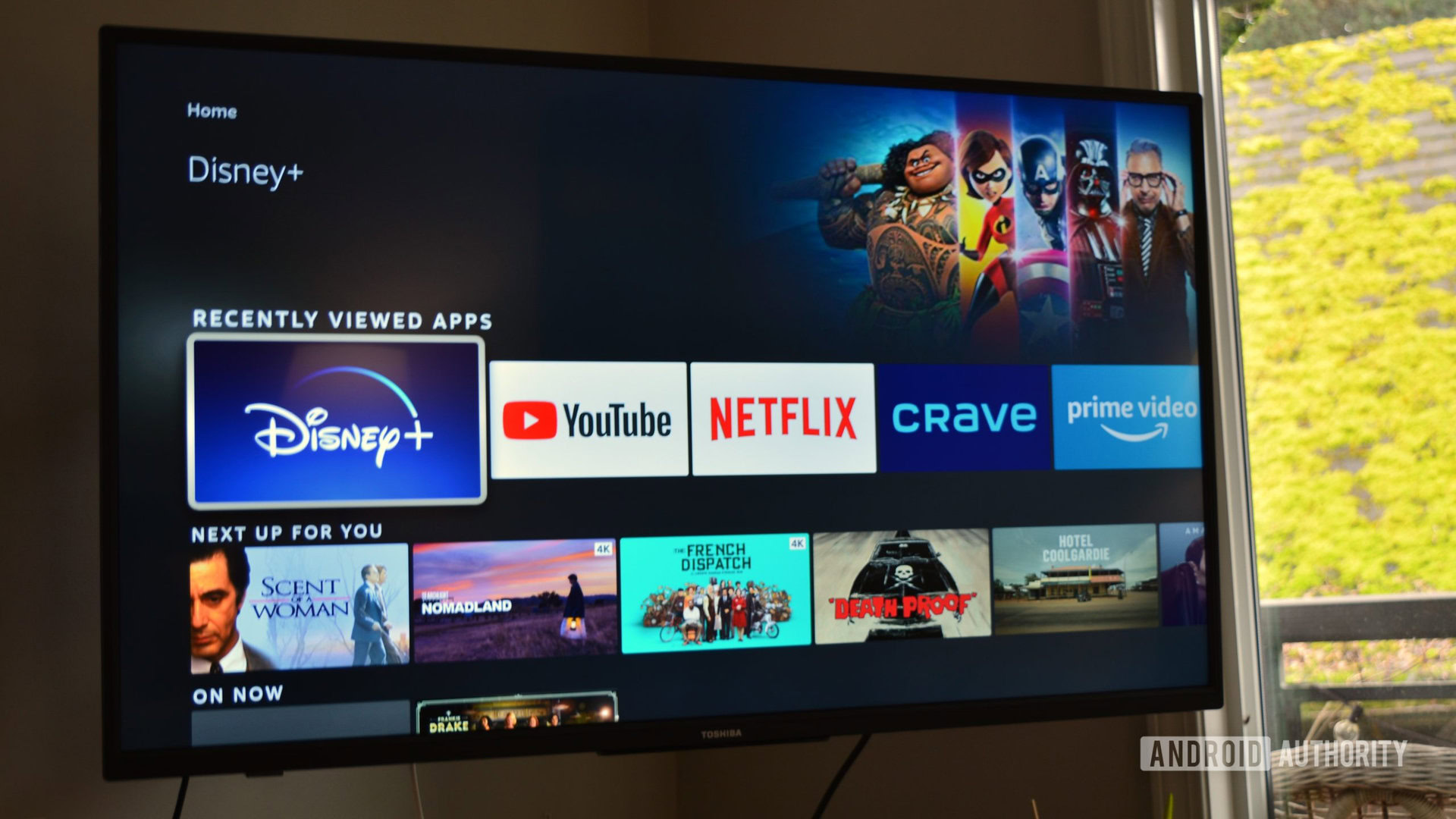
Financially, the move is equally calculated. The business model for Fire TV devices often relies on "razor and blade" economics: the hardware is sold at or near cost to get it into as many homes as possible, with the expectation that Amazon will recoup its investment through advertising revenue and digital sales via the Prime Video ecosystem. When users bypass official channels to access content through third-party apps, they not only avoid paying for content but also evade Amazon’s data-tracking and advertising networks. Every hour spent in a piracy app is an hour where Amazon is failing to monetize its user base.
Furthermore, the rise of "custom launchers"—software that replaces the standard Fire TV home screen to remove ads and sponsored content—has also drawn Amazon’s ire. By tightening the restrictions on what can be installed and executed, Amazon is effectively closing the door on any software that threatens its ad-supported revenue stream. The company’s message is clear: the Fire TV is a window into the Amazon ecosystem, not a general-purpose computer for the living room.
Despite these stringent measures, the cat-and-mouse game between platform holders and the digital underground continues. Enthusiasts have already begun identifying potential workarounds to bypass the new installation blocks. Some reports suggest that using older versions of certain apps, which may not yet be flagged in Amazon’s signature database, can occasionally slip through the net. Others have experimented with "app cloning" tools. By taking a blocked application and using a computer to modify its internal package name and digital signature, users can sometimes trick the Fire TV’s security protocols into seeing the software as a generic, benign utility.
However, these workarounds are increasingly technical and inconvenient for the average consumer. The era of "plug-and-play" piracy on Fire TV devices is rapidly drawing to a close. For users who prioritize the freedom to install any software they choose, the recommendation from the tech community is shifting toward alternative hardware. Devices running the standard Google TV or Android TV platforms, such as the Google TV Streamer or Walmart’s affordable Onn 4K Pro, currently offer a more permissive environment for sideloading. While Google also takes steps to combat piracy, its ecosystem remains fundamentally more open than the increasingly locked-down environment of Fire OS.
The implications of Amazon’s policy shift extend beyond just the realm of illicit streaming. Critics argue that such aggressive blocking mechanisms could lead to "false positives," where legitimate, niche applications are caught in the crossfire simply because they utilize certain protocols or come from unverified developers. There is also a broader philosophical concern regarding ownership: if a consumer purchases a piece of hardware, to what extent should the manufacturer be allowed to dictate what software runs on it?
As Amazon continues to roll out these updates across its fleet of millions of devices, the impact on the streaming market will be profound. The "jailbroken Firestick" has been a staple of the secondary market for nearly a decade, often sold pre-loaded with infringing software on platforms like eBay and Facebook Marketplace. By cutting off the ability to install these apps at the root, Amazon is effectively devaluing these illicit products and forcing a significant portion of the audience back toward legitimate, paid services—or toward rival hardware platforms.
In the long run, the transition to Vega OS will likely finalize this transformation. By moving away from Android entirely, Amazon will eliminate the technical bridge that allowed the piracy community to thrive on its hardware. Until then, the current strategy of hard-blocking installations on Android-based models serves as a powerful interim solution. It is a clear signal that Amazon is no longer content with being the preferred hardware for the gray market. For Fire TV owners, the choice is becoming starker: embrace the curated, ad-supported, and strictly regulated world of Amazon’s official ecosystem, or seek out hardware that still respects the legacy of open-platform flexibility. As the walls of the garden grow higher, the "bad news" for some users is simply the "new normal" for a corporate giant determined to protect its bottom line and its legal standing in a fractured digital world.