

The digital divide between official operating system availability and the rapid pace of open-source development has once again been bridged by the dedicated Android modding community. While Google has only recently commenced the official rollout of Android 16 for its flagship Pixel devices, developers have swiftly engineered stable, albeit unofficial, custom ROMs based on the Android Open Source Project (AOSP) for a range of third-party hardware. Among the first high-performance non-Pixel devices to receive this cutting-edge treatment is the Xiaomi Redmi Note 13 Pro Plus, allowing users to extend the device’s longevity and harness the newest features years before official vendor support might cease.
For power users seeking to rejuvenate their premium Xiaomi hardware, the installation of an Android 16-based custom ROM represents a compelling strategic maneuver. This process not only unlocks access to the latest interface enhancements and security patches but also ensures the device benefits from modern system optimizations designed for improved performance and battery efficiency. This guide details the necessary procedures and critical technical prerequisites for safely migrating the Redmi Note 13 Pro Plus to the latest generation of the Android operating system.
The Architectural Foundation: Analyzing the Redmi Note 13 Pro Plus
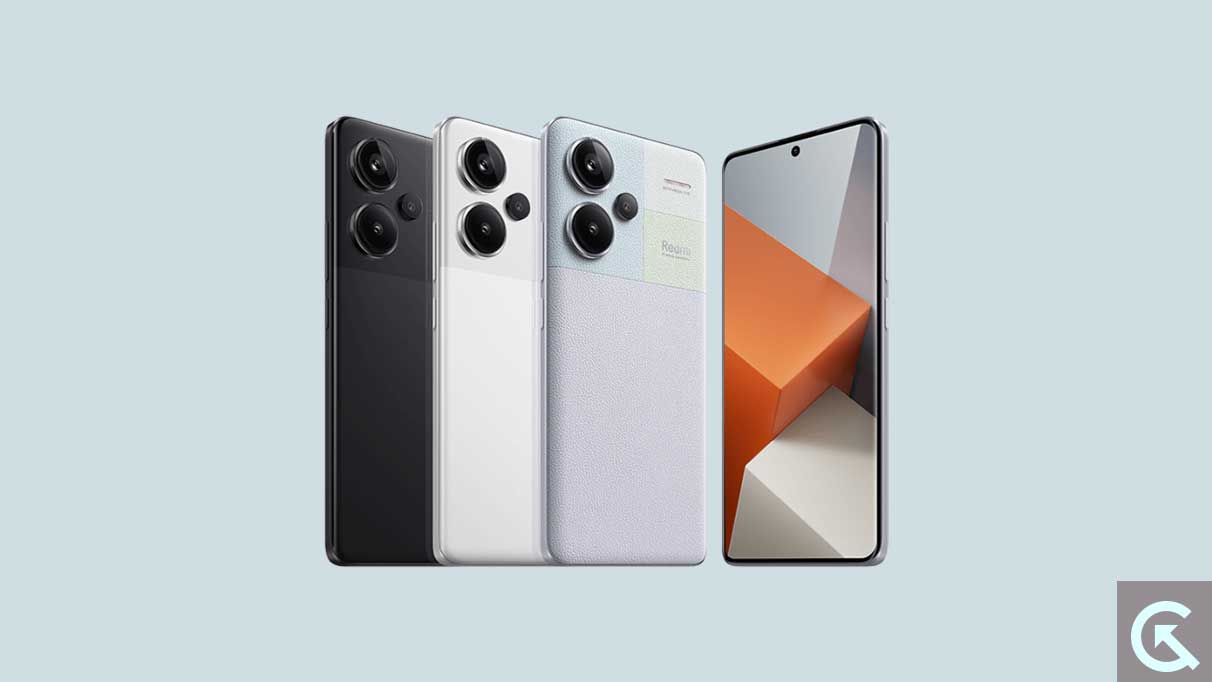
The Xiaomi Redmi Note 13 Pro Plus serves as an ideal platform for advanced custom firmware due to its robust specifications, ensuring the device can handle the demands of Android 16 without performance degradation. Launched with Android 13-based MIUI 14, the device is positioned in the high-end mid-range market, distinguished by several flagship-level features.
![How to Install Android 16 on Xiaomi Redmi Note 13 Pro Plus [Download Link]](https://www.getdroidtips.com/wp-content/uploads/2023/09/Redmi-Note-13-Pro-Plus.jpg)
Its core display technology features a vivid 6.67-inch 1.5K full-HD+ AMOLED panel, protected by Corning Gorilla Glass Victus, and boasts a 120Hz refresh rate. This high-specification display ensures that the visual fluidity promised by Android 16’s new design language is fully realized. Performance is anchored by the powerful MediaTek Dimensity 7200 Ultra System-on-Chip (SoC), coupled with configurations offering up to 16GB of LPDDR5 RAM and 512GB of internal storage. This hardware redundancy provides ample headroom for running complex custom builds.
Furthermore, the device is equipped with a versatile camera array featuring a high-resolution 200-megapixel primary sensor and a 16-megapixel front-facing sensor. Perhaps the most defining feature is the 5,000mAh battery supporting an ultra-fast 120W wired charging capability, which mitigates concerns regarding potential battery drainage sometimes associated with early custom ROM implementations. These premium features justify the effort required by enthusiasts to ensure the device remains relevant through software updates.
Android 16: The Dawn of Material 3 Expressive
The most immediate and discernible change introduced by Android 16 is the implementation of Material 3 Expressive. While this iteration does not constitute a radical departure from the established Material Design 3 language, it represents a profound refinement focused on visual polish, dynamism, and accessibility.
Material 3 Expressive elevates the user experience through smoother, more intentional animations that provide better contextual feedback during interaction. Google has also focused on improving ergonomics by standardizing larger touch targets, enhancing usability across varying screen sizes and ensuring greater consistency between standard smartphone interfaces, tablets, and newer foldable form factors. Bolder, more adaptable typography further defines the aesthetic, optimizing readability across the range of light and dark modes.
![How to Install Android 16 on Xiaomi Redmi Note 13 Pro Plus [Download Link]](https://www.getdroidtips.com/wp-content/uploads/2023/09/Redmi-Note-13-Pro-Plus-300x169.jpg)
This update arrives at a crucial juncture, injecting new vitality into an interface that, since its introduction with Android 13, had begun to feel functionally static. Beyond the user interface, Android 16 incorporates significant under-the-hood system optimizations aimed at better resource management, enhanced privacy controls, and tighter security protocols, all of which contribute to a more stable and efficient mobile computing environment, even when running on unofficial AOSP ports.
The Technical Imperative: Prerequisites for Flashing
Installing a custom operating system requires meticulous preparation and adherence to specific technical procedures. These prerequisites ensure data integrity and establish the necessary digital bridge between the host computer and the mobile device.
Data Security and Power Reliability
The foundational step for any firmware modification is comprehensive data backup. As the installation process inherently involves critical system partition manipulation, the risk of data loss is substantial. Furthermore, users must ensure the device maintains a minimum charge level of 50 percent to prevent catastrophic device shutdown during the multi-stage flashing sequence, which could potentially lead to a hard brick.
Establishing the Digital Toolkit
The installation process relies heavily on specific command-line utilities. Users must download and correctly configure the Android Debug Bridge (ADB) and Fastboot binaries, collectively known as Platform-Tools. ADB facilitates basic communication between the computer and the device, allowing commands to be executed, while Fastboot is the advanced utility used explicitly for flashing system images and modifying partitions while the device is in bootloader mode.
![How to Install Android 16 on Xiaomi Redmi Note 13 Pro Plus [Download Link]](https://www.getdroidtips.com/wp-content/uploads/2020/06/cmd-platform-tools.jpg)
Additionally, successful communication necessitates the installation of the latest Xiaomi USB drivers on the host computer. Incorrect or missing drivers are a common cause of installation failures and device recognition issues.
Unlocking the Device’s Potential
The most critical prerequisite is the Unlocking of the Bootloader. All major device manufacturers, including Xiaomi, ship devices with a locked bootloader to enforce system integrity and security. Unlocking it is mandatory to install any custom recovery or unsigned operating system images. This procedure typically voids the device warranty and, critically, initiates a complete factory reset, necessitating the prior data backup. Users must follow Xiaomi’s official, manufacturer-specific instructions to complete this step safely.
The Role of Custom Recovery
Following the bootloader unlock, a custom recovery environment must be installed. The widely utilized solution is the Team Win Recovery Project (TWRP). TWRP replaces the stock recovery environment and provides a graphical user interface and robust tools essential for installing non-official ZIP files, performing system wipes (essential for a clean installation), and flashing the custom ROM image onto the device’s internal storage partitions.
Securing the Firmware Components
The final stage of preparation involves downloading the necessary installation files. This includes the Android 16 custom ROM image itself (usually sourced from community forums like XDA Developers) and the Google Application Packages (GApps).
![How to Install Android 16 on Xiaomi Redmi Note 13 Pro Plus [Download Link]](https://www.getdroidtips.com/wp-content/uploads/2020/08/twrp-custom-rom.jpg)
Most AOSP custom ROMs, for licensing reasons, do not include proprietary Google services. Therefore, a separate, compatible Android 16 GApps package must be downloaded and flashed immediately after the main ROM image. Crucially, the system must not be rebooted between flashing the custom ROM and flashing the GApps package, as this sequence ensures the Google framework initializes correctly within the new operating environment.
| OS | Download Link |
|---|---|
| Unofficial Android 16 AOSP | [Download Link] |
The Installation Protocol
Once all prerequisites are satisfied, the installation guide involves a strict sequence of actions executed via the custom recovery environment (TWRP):
- Boot into TWRP: The device must be powered off and then booted into the custom recovery interface using the specific hardware button combination or the appropriate ADB command (
adb reboot recovery). - Perform System Wipe: A full factory reset, or "Wipe," is executed within TWRP. This includes wiping the Dalvik cache, system, and data partitions to eliminate residual files from the previous MIUI installation, ensuring a clean slate for the new OS.
- Flash the Custom ROM: The downloaded Android 16 custom ROM ZIP file is located and flashed via the TWRP install menu.
- Flash GApps: Immediately following the ROM installation, the Android 16 GApps package is flashed without rebooting the system.
- Initial Reboot: The device is then rebooted into the system. The initial boot sequence following a custom ROM installation is significantly longer than usual due to the system building its initial cache and optimizing the new operating environment.
Concluding Assessment and Community Support
By successfully migrating the Redmi Note 13 Pro Plus to Android 16, users circumvent the standard limitations of official manufacturer support, maximizing the potential lifespan of their hardware investment. While these early AOSP builds often demonstrate high stability, users must acknowledge that minor operational bugs are possible. The nature of custom ROM development relies heavily on community feedback; therefore, users are strongly encouraged to document and report any encountered issues, providing detailed logs to assist the independent developers in refining the unofficial firmware. This collaborative approach ensures the custom Android 16 experience on the Redmi Note 13 Pro Plus continues to improve in feature parity and stability.