

The rapid evolution of the Android ecosystem often leaves mid-range smartphone users waiting months, if not years, for the latest software innovations. However, the vibrant community of independent developers has once again bridged the gap between flagship exclusivity and affordable hardware. Following Google’s recent unveiling of Android 16 for the Pixel lineup, unofficial Android Open Source Project (AOSP) builds have surfaced for the Xiaomi Poco M6 Plus 5G and its sibling, the Redmi 13 5G. This development offers enthusiasts an early opportunity to bypass the traditional update cycle and experience the cutting edge of mobile operating systems. By transitioning to an Android 16-based custom ROM, users can revitalize their devices with enhanced performance metrics and the latest aesthetic refinements long before an official HyperOS rollout might occur.
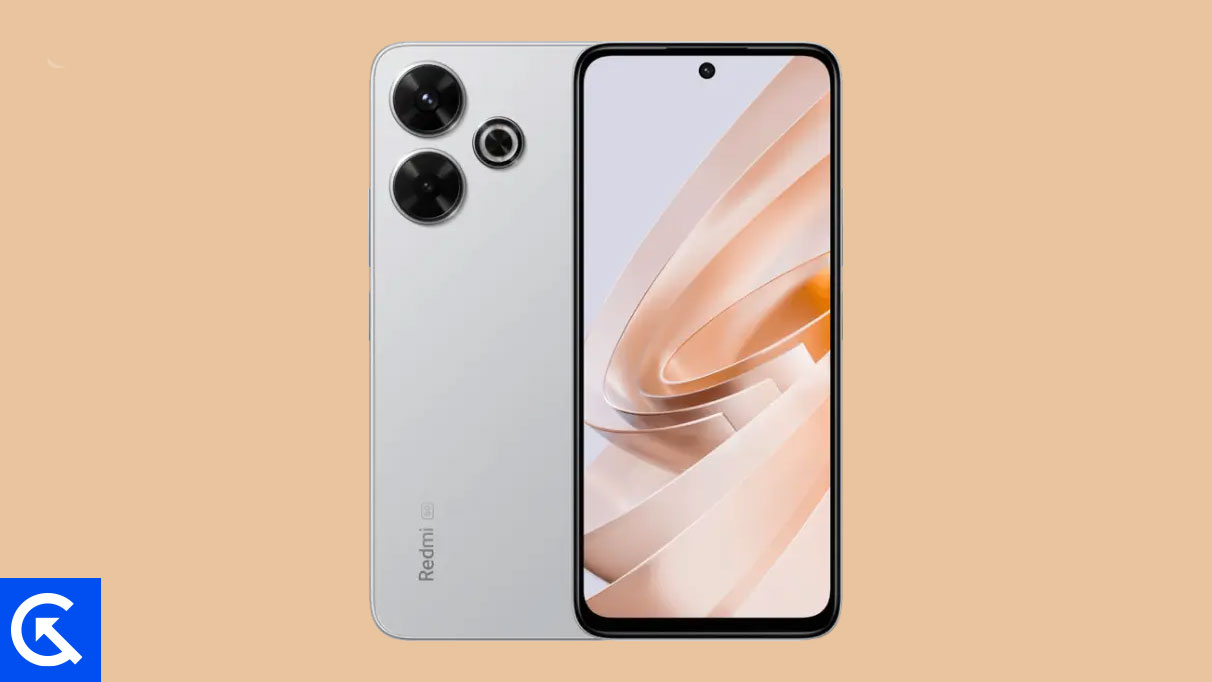
The Poco M6 Plus 5G and Redmi 13 5G represent a significant milestone in Xiaomi’s commitment to delivering high-performance connectivity at an accessible price point. Launched in the third quarter of 2024, these devices share a robust hardware foundation that makes them ideal candidates for software experimentation. At the heart of these handsets lies the Qualcomm Snapdragon 4 Gen 2 chipset, a 4nm processor designed for efficiency and consistent 5G throughput. This is complemented by a generous 6.79-inch IPS LCD panel that boasts a 120Hz refresh rate, providing the fluid visual experience necessary to showcase the animations of a new OS. With configurations offering up to 8GB of RAM and a substantial 108 MP primary camera sensor, the hardware is more than capable of handling the demands of Android 16’s modernized architecture.
![How to Install Android 16 on Xiaomi Poco M6 Plus 5G / Redmi 13 5G [Download Link]](https://www.getdroidtips.com/wp-content/uploads/2024/09/Xiaomi-Poco-M6-Plus-5G.jpg)
Android 16 introduces a significant design shift under the "Material 3 Expressive" philosophy. While previous iterations focused on the foundational elements of the Material You design language, Android 16 refines these concepts into a more cohesive and dynamic user interface. Material 3 Expressive is characterized by its emphasis on fluid motion, larger, more accessible touch targets, and a bold approach to typography that improves legibility across various lighting conditions. This update is not merely a cosmetic facelift; it represents a deep optimization of the system’s notification shade, lock screen interactions, and gesture navigation. For users of the Poco M6 Plus 5G, these changes breathe new life into the 1080 x 2460 resolution display, making the interface feel more premium and responsive than the stock software experience.
Beyond the visual overhaul, Android 16 integrates sophisticated system optimizations aimed at improving battery longevity and privacy. The OS introduces more granular control over background processes, ensuring that the 5030 mAh battery found in these Xiaomi devices is utilized more effectively. Furthermore, the update includes enhanced privacy dashboards and more transparent data-sharing permissions, giving users greater insight into how their information is accessed by third-party applications. For those currently running Android 14-based HyperOS, the jump to an AOSP-based Android 16 ROM offers a "cleaner" experience, stripped of the bloatware and heavy skinning that can sometimes impede the performance of mid-range silicon.
Before embarking on the installation of a custom ROM, it is imperative to understand the technical prerequisites and risks involved. Modifying system-level software is a delicate process that requires a disciplined approach. The primary requirement is a comprehensive data backup. Flashing a new ROM necessitates a complete wipe of the device’s internal storage, meaning all photos, messages, and application data will be lost unless secured externally. Additionally, the device must maintain a battery charge of at least 50% to prevent an unexpected shutdown during the critical writing phase of the installation, which could lead to a permanent software failure, often referred to as "bricking."
![How to Install Android 16 on Xiaomi Poco M6 Plus 5G / Redmi 13 5G [Download Link]](https://www.getdroidtips.com/wp-content/uploads/2024/09/Xiaomi-Poco-M6-Plus-5G-300x169.jpg)
The technical bridge between a computer and the smartphone is established through ADB (Android Debug Bridge) and Fastboot binaries. These command-line tools allow for low-level communication with the device’s hardware. For Xiaomi users, ensuring that the correct USB drivers are installed on the PC is vital for a stable connection. Without these drivers, the computer may fail to recognize the handset when it enters its bootloader mode. Perhaps the most significant hurdle in this process is unlocking the bootloader. Xiaomi employs a strict security protocol for bootloader unlocking, often requiring a waiting period and the use of the proprietary Mi Unlock Tool. This step is non-negotiable, as a locked bootloader will reject any software that does not bear the manufacturer’s official digital signature.
Once the bootloader is unlocked, the next phase involves the installation of a custom recovery environment, specifically TWRP (Team Win Recovery Project). TWRP serves as a secondary operating system that runs independently of the main Android OS, allowing users to flash zip files, create full system images, and format system partitions. For the Poco M6 Plus 5G and Redmi 13 5G, having a compatible TWRP build is the gateway to Android 16. With the recovery in place, users must download the specific Android 16 ROM package and the corresponding GApps (Google Apps) bundle. Because AOSP ROMs are built from the open-source version of Android, they do not natively include Google services like the Play Store or YouTube due to licensing restrictions. Flashing a GApps package immediately after the ROM ensures these essential services are integrated into the system.
The actual installation procedure follows a logical sequence. First, the device is booted into TWRP recovery. Within this interface, a "factory reset" or "clean wipe" is performed, targeting the Data, Cache, and System partitions. This ensures that no residual files from the previous OS interfere with the new installation. Following the wipe, the user navigates to the "Install" menu to select the Android 16 ROM file. Once the ROM is successfully flashed, the GApps package is installed without a reboot in between. This sequence is critical for the proper initialization of Google Play Services. After the final flash, the device is rebooted, and users are greeted by the Android 16 setup screen. It is worth noting that the initial boot cycle may take significantly longer than a standard restart as the system builds its dalvik cache and optimizes applications for the new environment.
![How to Install Android 16 on Xiaomi Poco M6 Plus 5G / Redmi 13 5G [Download Link]](https://www.getdroidtips.com/wp-content/uploads/2020/06/cmd-platform-tools.jpg)
While the prospect of running Android 16 is exciting, users must remain cognizant of the "unofficial" nature of these builds. In the world of custom ROM development, the first wave of releases often carries minor bugs. These may range from inconsistencies in specialized camera features to occasional hiccups in VoLTE or 5G switching. However, the developer community is known for its rapid iteration, often releasing patches within days of bug reports. Users are encouraged to participate in this ecosystem by providing detailed logs to developers if they encounter issues. This collaborative effort is what allows mid-range devices like the Poco M6 Plus 5G to punch above their weight class in terms of software longevity.
Ultimately, installing Android 16 on the Xiaomi Poco M6 Plus 5G or Redmi 13 5G is more than just a software update; it is an assertion of user control over hardware. By opting for a custom AOSP build, users can enjoy a bloat-free, high-performance environment that mirrors the experience of Google’s own flagship devices. As Android 16 continues to mature, these unofficial ports will only become more stable and feature-rich, proving that with the right community support, a well-built mid-range phone can remain relevant and technologically current for years to come. For the tech-savvy owner, the journey into custom ROMs is a rewarding path toward a more personalized and modern mobile experience.