

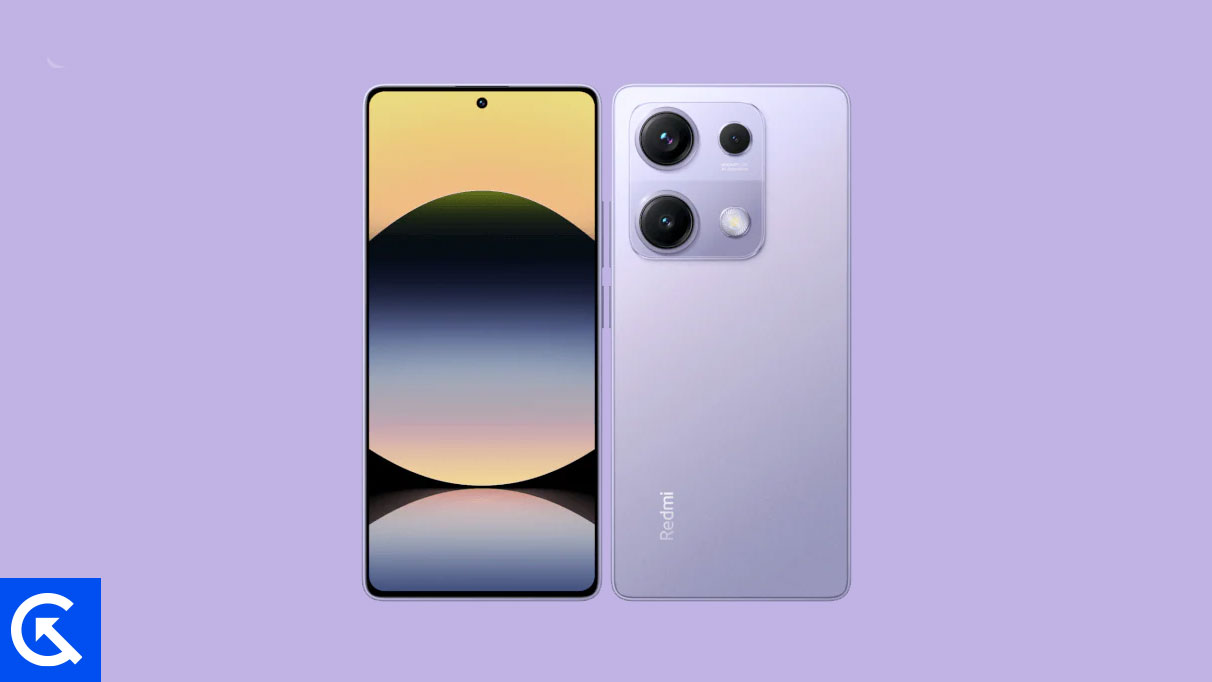
The dedicated Android development community has successfully ported the latest Google operating system, Android 16, to the Xiaomi Redmi Note 14S, offering enthusiasts a path to bypass typical official update cycles. While Google’s official rollout of Android 16 is currently focused on its proprietary Pixel line, independent developers have rapidly constructed stable, unofficial AOSP (Android Open Source Project) based custom ROMs, enabling users of the highly capable Redmi Note 14S to experience the newest features, system optimizations, and aesthetic refinements years ahead of potential OEM release schedules, or indeed, long after official support has concluded.
This development is particularly significant for owners of the Redmi Note 14S, a device released in March 2025 that cemented its position as a dominant force in the mid-range market. The phone initially shipped running Android 15 layered with Xiaomi’s proprietary HyperOS, delivering a strong balance of performance and features. At its core, the device utilizes the robust MediaTek Helio G99 Ultra chipset, complemented by an octa-core CPU and Mali-G57 MC2 GPU. Paired with 8GB of RAM and 256GB of UFS 2.2 storage (expandable via a shared SIM slot), the Note 14S remains a powerful candidate for demanding applications and mobile gaming.
The hardware profile is further enhanced by its display and optics. It boasts a vibrant 6.67-inch AMOLED panel featuring a smooth 120Hz refresh rate, impressive 1300 nits peak brightness, and durable Corning Gorilla Glass 5 protection. Photography capabilities are centered around a high-resolution 200MP main camera equipped with Optical Image Stabilization (OIS), supported by an 8MP ultrawide lens and a 2MP macro sensor. The 16MP front-facing camera captures video up to 1080p at 60 frames per second. The device’s connectivity suite includes Wi-Fi 5, Bluetooth 5.2, NFC (region-dependent), and an IR blaster, all powered by a substantial 5000mAh battery supporting rapid 67W fast charging, capable of reaching a full charge in approximately 46 minutes. Given this strong internal specification, the availability of a modern operating system significantly enhances the device’s long-term utility.
![How to Install Android 16 on Xiaomi Redmi Note 14S [Download Link]](https://www.getdroidtips.com/wp-content/uploads/2025/03/Xiaomi-Redmi-Note-14S.jpg)
The Evolution of Android 16: Introducing Material 3 Expressive
The most immediately apparent change introduced by Android 16 is the implementation of Material 3 Expressive. This design evolution represents a substantial refinement of Google’s design philosophy, moving beyond the foundational aesthetic established by Material Design 3 (introduced with Android 13). Rather than a complete visual reinvention, Material 3 Expressive focuses on enhancing user interaction through fluidity and responsiveness.
The key differentiators of this updated design language include notably smoother and more kinetic animations, which provide richer feedback upon interaction. Furthermore, usability is improved through larger, more distinct touch targets, which contribute to better accessibility and reduce input errors, particularly on larger screens or during rapid use. Typography has also seen subtle but impactful updates, favoring bolder elements that increase visual hierarchy and readability.
Material 3 Expressive arrives at a crucial point in Android’s maturity, injecting necessary freshness into an interface that, while stable, had begun to feel visually static. This update ensures that the Android experience remains competitive and dynamic across various form factors, including standard smartphones, foldables, and tablets, which benefit significantly from optimized scaling and improved system responsiveness. Beyond the visual enhancements, Android 16 incorporates numerous system optimizations aimed at improving battery life, bolstering privacy controls, and streamlining background process management, ensuring a more efficient and secure user experience across all supported devices.
Navigating the Custom ROM Ecosystem
For users eager to adopt Android 16 before official channels, the installation of a custom ROM based on AOSP is the primary, though technical, avenue. Custom ROMs essentially replace the manufacturer’s proprietary operating system (in this case, HyperOS) with a clean, stock version of Android, often incorporating community-driven fixes and optimizations. While early unofficial builds are generally stable, users should be aware that this process involves replacing the core software, and minor, device-specific bugs may occasionally surface. Early reports suggest that essential functionalities—including Wi-Fi, camera operation, and cellular connectivity—are fully functional in the initial Redmi Note 14S builds. Developers rely heavily on user feedback, encouraging those who encounter issues to report them with detailed system logs to aid rapid resolution.
![How to Install Android 16 on Xiaomi Redmi Note 14S [Download Link]](https://www.getdroidtips.com/wp-content/uploads/2025/03/Xiaomi-Redmi-Note-14S-300x169.jpg)
Essential Prerequisites for Installation
Undertaking a custom ROM installation is an advanced procedure that requires meticulous preparation and adherence to specific technical requirements to prevent data loss or device damage (often termed "bricking").
1. Data Preservation: The fundamental first step is a comprehensive data backup. Since the installation process, particularly the initial step of bootloader unlocking, necessitates a factory reset, all personal data, applications, and settings must be secured. A full Nandroid backup, typically performed within a custom recovery environment, is the safest method to ensure complete restoration capability.
2. Power Reserve: The device must maintain adequate charge throughout the entire process. A minimum battery level of 50 percent is mandatory to mitigate the risk of an unexpected power shutdown during critical flashing operations, which can permanently damage the device’s software partitions.
3. Command-Line Tools (ADB and Fastboot): These binaries, collectively known as Platform-Tools, are indispensable for communicating with the device at a low level. ADB (Android Debug Bridge) is used for debugging and issuing commands while the phone is operational or in recovery, while Fastboot is the advanced utility required for flashing critical partitions and interacting with the bootloader mode. These tools establish the necessary communication bridge between the PC and the Redmi Note 14S.
![How to Install Android 16 on Xiaomi Redmi Note 14S [Download Link]](https://www.getdroidtips.com/wp-content/uploads/2020/06/cmd-platform-tools.jpg)
4. Driver Integrity: Correct USB drivers are crucial for maintaining a stable and reliable connection between the Xiaomi device and the host computer. Outdated or incorrect drivers often lead to failed transfers or incomplete flashing operations. Users must install the latest official Xiaomi USB drivers to ensure seamless data exchange.
5. Bootloader Unlocking: This is the most critical prerequisite. The bootloader is the security mechanism that prevents unauthorized software installation. Unlocking the bootloader on the Redmi Note 14S is mandatory to install any third-party recovery or custom operating system. This procedure is device-specific, must follow Xiaomi’s official protocols, and results in an immediate and irreversible factory reset, reinforcing the necessity of the prior backup step. Furthermore, unlocking the bootloader typically voids the manufacturer’s warranty.
6. Custom Recovery Environment (TWRP): Following the bootloader unlock, a custom recovery utility, such as Team Win Recovery Project (TWRP), must be installed. TWRP replaces the stock recovery environment and provides the graphical interface and specialized tools necessary to flash unsigned zip archives, which include the custom Android 16 ROM and the subsequent Google Apps package.
7. Software Acquisition: The appropriate files must be sourced and downloaded. This includes the specific unofficial Android 16 custom ROM file compiled for the Redmi Note 14S hardware architecture. Additionally, since AOSP builds generally do not include proprietary Google applications (such as the Play Store, Gmail, and Google Maps), a separate GApps (Google Apps) package, compatible with Android 16, must also be downloaded.
![How to Install Android 16 on Xiaomi Redmi Note 14S [Download Link]](https://www.getdroidtips.com/wp-content/uploads/2020/08/twrp-custom-rom.jpg)
The Installation Protocol
Once all prerequisites are met, the installation involves a structured sequence of steps executed within the TWRP recovery environment. After booting the device into the custom recovery, users must perform a system wipe (clearing cache, Dalvik cache, data, and system partitions) to prepare for the new operating system. The custom Android 16 ROM file is then flashed, followed immediately by the GApps package. It is paramount that the device is not rebooted between flashing the ROM and flashing the GApps package, as this sequence ensures the Google services integrate correctly into the newly installed operating system.
The first boot sequence after installing a custom ROM is characteristically lengthy, sometimes taking several minutes as the system initializes the new software structure. Upon successful completion, the Redmi Note 14S will present the initial Android 16 setup screen, ready for configuration.
By embracing the custom ROM route, users of the Xiaomi Redmi Note 14S not only unlock access to the sophisticated features of Android 16 and Material 3 Expressive but also fundamentally extend the functional lifespan of their hardware, ensuring that a capable device remains relevant in the rapidly evolving mobile technology landscape.