

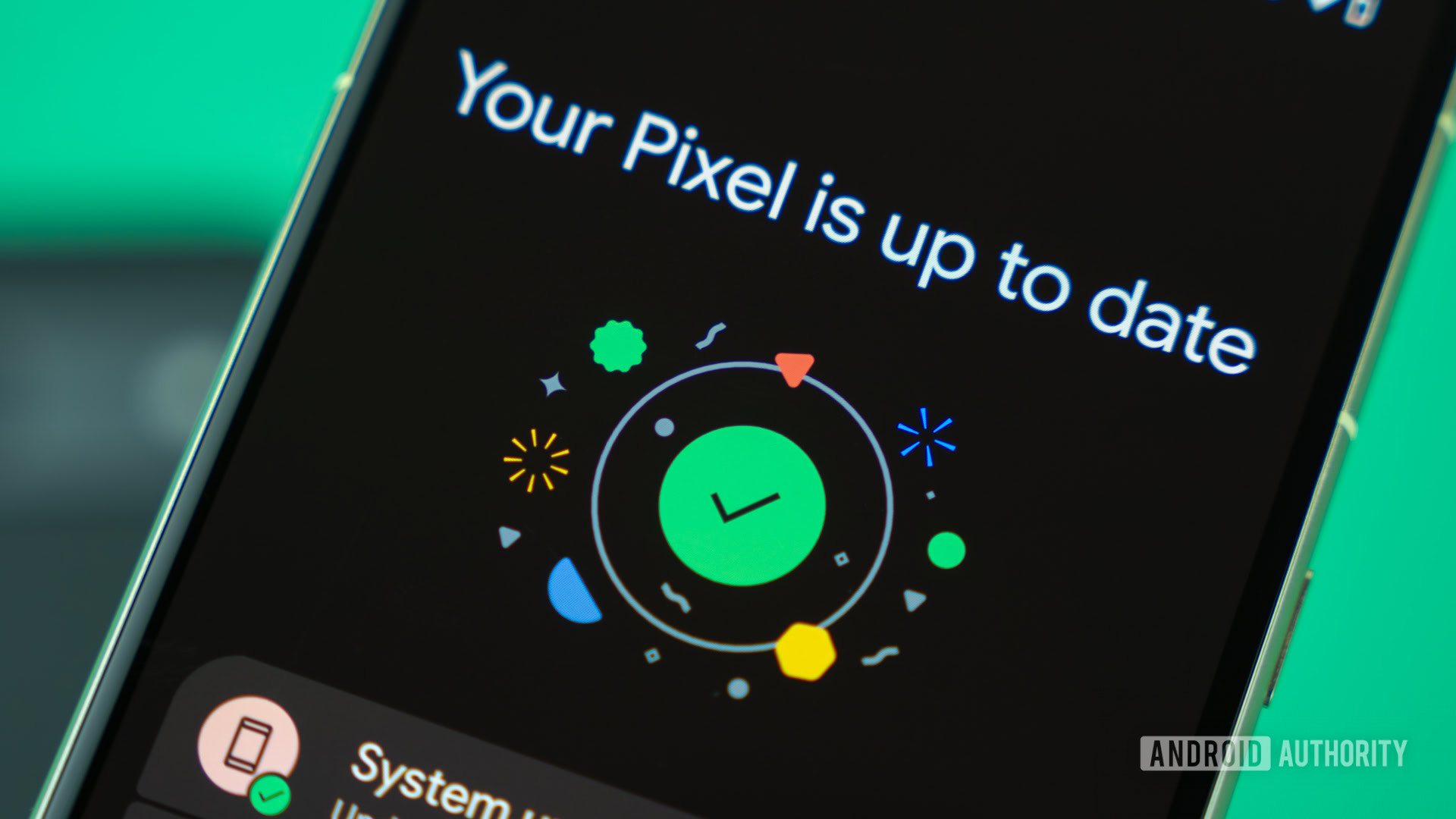
The digital landscape for Google Pixel enthusiasts has been uncharacteristically turbulent over the past several weeks, characterized by a mix of anticipation, frustration, and technical uncertainty. However, following a period of silence from Mountain View and a series of fragmented rollouts, the clouds appear to be lifting. Reports are surging across the global tech community that the elusive January 2026 software update is finally reaching a broad spectrum of supported Pixel devices, signaling an end to a delay that had left many of the brand’s most loyal users in a state of software-induced limbo. For a product line that prides itself on the "Pixel Experience"—a promise of immediate, seamless, and cutting-edge software delivery—this month’s logistical hurdles have served as a rare but significant point of friction.
The saga began on January 12, 2026, when Google officially announced the commencement of the January security and feature update. Under normal circumstances, the "Check for Update" button on a Pixel device is a reliable gateway to the latest Android refinements. Yet, as the days turned into weeks, a massive discrepancy emerged between Google’s official timeline and the reality on the ground. While a small subset of users received the notification immediately, a significantly larger portion of the user base found themselves repeatedly tapping the update button only to be met with the discouraging "Your system is up to date" message. This was not merely an anecdotal issue; a comprehensive survey conducted among over a thousand Android Authority readers confirmed the scale of the problem, with a staggering majority reporting that their handsets remained stuck on the December 2025 build long after the new year’s cycle should have been completed.
The confusion reached a fever pitch when several users experienced what has been described as a "ghost update." In these instances, a notification for the January patch would appear on the device, only to vanish into thin air when the user attempted to initiate the download. This phenomenon led to widespread speculation that Google had detected a critical flaw in the initial build and had quietly pulled the update from its servers to prevent a widespread hardware malfunction. This theory gained further traction as reports surfaced of early adopters experiencing significant connectivity issues, particularly regarding Wi-Fi stability and Bluetooth pairing. For those whose phones are essential tools for professional and personal communication, the prospect of a buggy update was arguably worse than no update at all.
However, the tide began to turn earlier this week. On platforms like Reddit, which often serve as the early warning system for the Android ecosystem, threads began to fill with success stories. A notable post in the Google Pixel subreddit by user Different_Dinner8195 served as a catalyst for this renewed optimism. The user confirmed that after weeks of waiting and the mysterious disappearance of the initial update prompt, the January 2026 build had resurfaced on their Pixel 10 Pro. Unlike the previous "ghost" sightings, this time the installation was successful, allowing the device to finally transition to the latest firmware. This report was quickly corroborated by a wave of other users who found that their devices were suddenly eligible for the download, suggesting that Google’s engineers had finally ironed out the backend issues or regional bottlenecks that had hampered the rollout.
One of the most striking details emerging from this refreshed rollout is the sheer scale of the update file. For users on the flagship Pixel 10 Pro, the January patch is weighing in at a massive 3.3GB. In the context of monthly security updates, which typically range from a few hundred megabytes to perhaps a gigabyte, a 3.3GB payload is extraordinary. This suggests that the January 2026 update is far more than a simple security patch. A file of this magnitude often indicates a full system image or a significant re-basing of the core operating system code. It is highly likely that this "heavy" update contains deep-seated architectural fixes designed to address the very Wi-Fi and Bluetooth bugs that plagued the initial mid-January release. By reseeding the update as a comprehensive system overhaul rather than a delta patch, Google appears to be ensuring that all users, regardless of their current software state, receive a clean and stable version of the OS.
The technical implications of this delay are multifaceted. Within the Android ecosystem, updates are delivered through a complex pipeline involving Google’s own servers, regional carrier testing, and hardware-specific optimizations. For the Pixel 10 series, which utilizes Google’s latest custom silicon, the integration between the Tensor chip’s modem firmware and the Android software stack is tighter than ever. Any minor regression in power management or signal processing can lead to the connectivity drops reported by early users. The fact that recent installers, including the original Reddit poster, are not reporting the same Bluetooth and Wi-Fi degradations is a strong indicator that Google used the delay to bake in crucial remediations. This "silent fix" approach, while frustrating for those demanding transparency, is a common strategy used to maintain the integrity of the user experience.
Interestingly, the rollout has produced some curious edge cases. A user known as thewunderbar noted that they were prompted to download the update despite having already successfully installed a version of the January patch earlier in the month. This suggests that Google may be issuing a "version 2" of the January update, specifically targeted at those who were on the potentially buggy initial build. This level of granular software management highlights the complexity of maintaining a global fleet of devices with varying carrier requirements and hardware configurations.
Despite the resolution, the lack of formal communication from Google remains a point of contention. While the company was reached for comment regarding the reasons behind the delay and the subsequent resurfacing of the update, no official statement has been provided. This silence often leaves a vacuum that is filled by community-driven troubleshooting and speculation. For a company that has committed to providing seven years of software support for its latest devices, maintaining a clear and transparent communication channel regarding update delays is essential for sustaining consumer trust. When updates arrive just days before the next monthly cycle—in this case, the February update—it creates a sense of "version fatigue" where users feel they are constantly in a state of catching up.
For the segment of the Pixel community that remains on the sidelines, waiting for the over-the-air (OTA) notification to arrive, there are alternative paths. Google maintains a public repository of factory images and OTA files for all supported Pixel devices. Advanced users can manually "flash" these images onto their phones using a computer and the Android Debug Bridge (ADB) toolset. While this method bypasses the wait times associated with staged rollouts, it is not without risk. Manual flashing requires a certain level of technical proficiency, and if performed incorrectly, can lead to data loss or a "bricked" device. For the average consumer, the safest course of action remains patience, as the current evidence suggests the OTA "floodgates" have finally been opened.
As the January 2026 update finally settles into the broader Pixel ecosystem, the focus will inevitably shift to the upcoming February release. The hope among the user base is that the lessons learned from this month’s logistical hurdles will lead to a smoother deployment in the future. The Pixel 10 Pro, with its high-end specifications and premium price point, carries the burden of being the standard-bearer for Android. When the software experience falters, it reflects not just on the device, but on Google’s entire vision for a vertically integrated hardware and software stack.
In conclusion, while the January 2026 update journey was longer and more arduous than expected, the arrival of the 3.3GB "mega-patch" appears to have addressed the underlying stability concerns that caused the initial friction. Pixel users can now move forward with the latest security definitions and feature enhancements, albeit with a wary eye on the calendar as the next update cycle looms. The resilience of the Pixel community, evidenced by the thousands of users who shared data and troubleshooting tips, remains a testament to the brand’s enduring appeal, even in the face of significant software delays.