

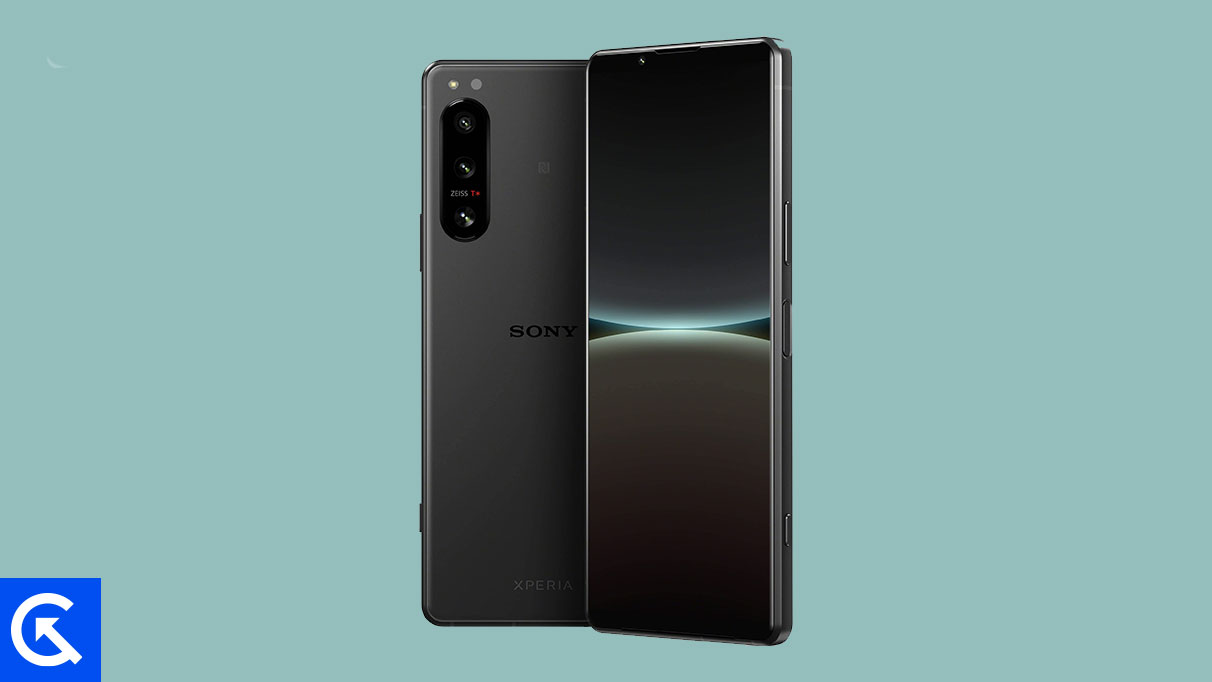
The Sony Xperia 5 IV, a device highly regarded for its unique combination of compact dimensions and creator-focused hardware, is receiving an unexpected software lifeline. Despite official vendor support cycles concluding or slowing down, dedicated developers have successfully ported unofficial Android 16 AOSP (Android Open Source Project) builds to the device. This movement allows owners of the premium handset to bypass official update timelines and experience the latest features and design language from Google years before they might otherwise arrive, effectively extending the functional lifespan of the hardware.
The arrival of Android 16 introduces significant system optimizations and a notable user interface refresh centered around Material 3 Expressive. This is not a complete visual reinvention but rather a sophisticated evolution of Google’s design philosophy, refining the foundation established by Material Design 3. Material 3 Expressive focuses on enhanced fluidity, dynamic visual feedback, and improved accessibility through larger, more distinct touch targets and a bolder, more legible typography system. While the changes are subtle compared to major generational shifts, they contribute significantly to a polished and contemporary user experience. The update aims to breathe new vitality into the interface, addressing the perception that the previous Material Design iteration had begun to feel static. This enhanced dynamism is particularly beneficial on high-refresh-rate displays like the Xperia 5 IV’s 120Hz OLED panel, maximizing the perception of speed and responsiveness across system navigation and application transitions.
![How to Install Android 16 on Sony Xperia 5 IV [Download Link]](https://www.getdroidtips.com/wp-content/uploads/2026/01/Sony-Xperia-5-IV.jpg)
The Xperia 5 IV serves as an excellent platform for this unofficial upgrade. Launched as a compact flagship, the device remains highly competitive due to its specialized features and premium build quality. It boasts a sleek, ergonomic design, weighing a light 172g, encased in durable Gorilla Glass Victus and featuring an aluminum frame. Its robust IP65/IP68 rating ensures resilience against environmental factors. The 6.1-inch OLED display maintains Sony’s signature 21:9 cinematic aspect ratio, delivering exceptional color accuracy and making it a favored tool for content consumption and multitasking.
Crucially, the hardware foundation—powered by the potent Snapdragon 8 Gen 1 chipset—still provides rapid and smooth performance for demanding applications and modern gaming. Unlike many contemporary compact flagships, the Xperia 5 IV retains user-centric features often sacrificed by competitors, including a 3.5 mm headphone jack with Hi-Res audio support, stereo speakers, and highly valued microSD expansion.
The camera system is perhaps the device’s greatest asset, appealing directly to professional and enthusiast users. All three rear lenses utilize 12 MP sensors with Zeiss optics, featuring advanced capabilities like real-time eye autofocus on every lens. The ability to capture 4K HDR video at up to 120 frames per second, combined with Alpha-inspired manual controls, positions the Xperia 5 IV as a powerful mobile creation tool. By installing Android 16, users seek to pair this high-caliber hardware with the latest underlying system efficiencies and security protocols, ensuring the phone’s relevance long after its official software support window closes.
![How to Install Android 16 on Sony Xperia 5 IV [Download Link]](https://www.getdroidtips.com/wp-content/uploads/2026/01/Sony-Xperia-5-IV-300x169.jpg)
While major manufacturers like Samsung, Xiaomi, and OnePlus are preparing their official Android 16 rollout schedules, the custom ROM community provides an immediate avenue for early adoption. The current unofficial AOSP builds reported for the Xperia 5 IV are demonstrating promising stability, with core functions seemingly operational. However, users must approach these installations with an understanding that they are deploying community-driven software, and while stability is generally high, minor inconsistencies or undiscovered bugs may still emerge. Enthusiasts are strongly encouraged to provide detailed logs to developers to facilitate the rapid refinement of the custom firmware.
Undertaking the installation of a custom ROM is an advanced technical procedure that requires meticulous preparation and a foundational understanding of the Android boot environment. The process necessitates several critical prerequisites to ensure successful deployment and prevent data loss.
First and foremost is Data Integrity. Flashing a new operating system requires a complete wipe of the device’s internal storage. Comprehensive backup of all personal files, application data, photos, and system configurations is mandatory. Users must utilize reliable backup methods before proceeding. Furthermore, the device must maintain a minimum charge of 50 percent to mitigate the risk of a catastrophic shutdown during the flashing sequence, which can lead to a soft brick.
![How to Install Android 16 on Sony Xperia 5 IV [Download Link]](https://www.getdroidtips.com/wp-content/uploads/2020/06/cmd-platform-tools.jpg)
The most significant prerequisite involves gaining administrative access to the device’s core system: Bootloader Unlocking. This process, which must adhere to Sony’s specific instructions, permanently voids the manufacturer’s warranty and initiates a mandatory factory reset, further emphasizing the need for prior data backup. Unlocking the bootloader is the gateway that permits unauthorized modification of the operating system partitions.
Once the bootloader is unlocked, users require specialized command-line utilities. ADB (Android Debug Bridge) and Fastboot are essential platform tools that facilitate communication between the computer and the device while in bootloader or recovery modes. ADB manages general system interaction, whereas Fastboot is utilized for flashing images directly to key partitions, such as installing the custom recovery environment. Installing the latest Sony USB drivers is equally critical to guarantee stable, uninterrupted data transmission during these sensitive operations.
The installation itself hinges on the deployment of a custom recovery solution, specifically TWRP (Team Win Recovery Project). TWRP acts as a fully featured, touch-enabled environment necessary for flashing the Android 16 Custom ROM package and the subsequent Google Apps (GApps) package. Since AOSP builds are typically distributed without proprietary Google Mobile Services (GMS), GApps must be flashed immediately following the ROM to provide essential services like the Play Store, Gmail, and Google Maps. Critically, these two components must be installed sequentially without an intermediate reboot, or the system will fail to initialize correctly.
![How to Install Android 16 on Sony Xperia 5 IV [Download Link]](https://www.getdroidtips.com/wp-content/uploads/2020/08/twrp-custom-rom.jpg)
The installation sequence, performed within the TWRP environment, typically involves wiping the necessary system partitions (Dalvik/ART Cache, Cache, System, and Data), flashing the Android 16 ROM file, and immediately flashing the corresponding Android 16 GApps package. The initial boot cycle after a successful custom ROM installation will be considerably longer than standard reboots as the system initializes the new operating environment and rebuilds caches.
By navigating these technical steps, Sony Xperia 5 IV users can successfully transition their compact flagship onto the cutting edge of mobile operating systems. This move not only grants access to Android 16’s advanced security features and UI refinements but ensures that this specialized hardware remains viable and relevant in a rapidly evolving technological landscape.