

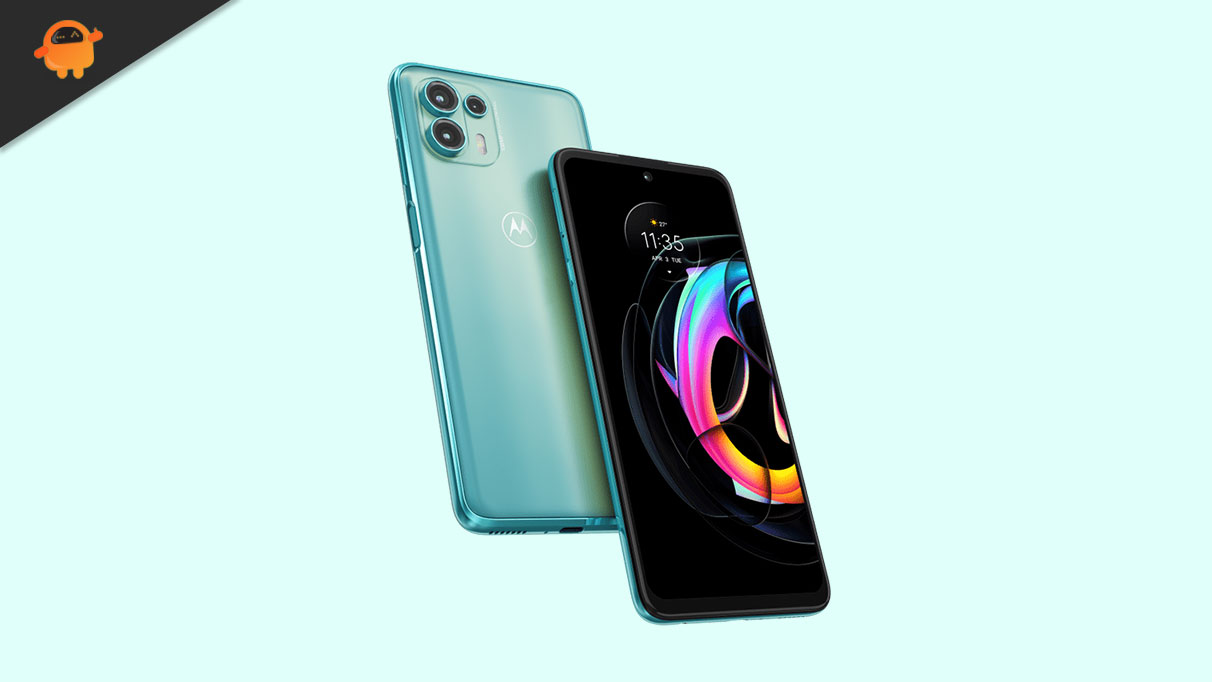
The lifecycle of a smartphone is often dictated not by the durability of its hardware, but by the cessation of official software support. For owners of the Motorola Edge 20, a device that balanced sleek aesthetics with potent mid-range performance upon its release, the official upgrade path may have reached its conclusion, but the enthusiast community is far from finished. With Google’s recent unveiling of Android 16, the latest iteration of the world’s most popular mobile operating system, the developer community has rapidly mobilized to bring "Baklava"—the rumored internal codename for this version—to legacy hardware. Through the use of unofficial Android Open Source Project (AOSP) builds, Motorola Edge 20 users can now bypass manufacturer limitations to experience the cutting edge of mobile software.
When it debuted, the Motorola Edge 20 was a testament to the capabilities of the Qualcomm Snapdragon 778G 5G chipset. Featuring a 6.7-inch OLED display with a high refresh rate and a remarkably slim profile, the device offered a near-flagship experience at a competitive price point. However, as Android versions progressed from the device’s native Android 11, the gap between official firmware and modern features began to widen. The arrival of Android 16 marks a significant milestone in this journey. This update is not merely a numerical increment; it represents a sophisticated refinement of the "Material You" philosophy, introduced under the new banner of Material 3 Expressive.
![How to Install Android 16 on Motorola Edge 20 [Download Link]](https://www.getdroidtips.com/wp-content/uploads/2021/10/Motorola-Edge-20.jpg)
Material 3 Expressive is the cornerstone of the Android 16 visual identity. While previous iterations focused on color extraction and personalization, this new design language emphasizes fluidity, haptic feedback, and a sense of depth. For the Motorola Edge 20, which boasts a display resolution of 1080 x 2400 pixels and vibrant color reproduction, these UI enhancements breathe new life into the aging panel. The update introduces more dynamic animations that respond to user intent with physics-based realism, larger touch targets that improve accessibility, and bolder typography that enhances readability across the system. It is a design overhaul that manages to feel both futuristic and familiar, ensuring that the interface does not feel dated compared to the latest flagship releases.
Beyond the aesthetic surface, Android 16 introduces deep system optimizations designed to improve battery efficiency and thermal management. The Motorola Edge 20 is equipped with a 4,000 mAh battery—a capacity that was considered modest even at launch to maintain the phone’s thinness. Consequently, software efficiency is paramount. Android 16’s updated ART (Android Runtime) and background process management help squeeze more longevity out of the Li-Ion cell. Furthermore, the 108MP primary camera sensor and the 32MP front-facing shooter benefit from updated API support within the AOSP framework, allowing third-party camera applications to leverage the hardware more effectively than on older Android versions.
The transition to a custom ROM, however, is a technical undertaking that requires precision and a fundamental understanding of the Android subsystem. Before embarking on the installation of an unofficial Android 16 build, users must ensure their hardware is prepared for the transition. The first and most critical requirement is a comprehensive data backup. Because the installation process involves wiping the internal storage and altering the device’s partition table, all personal photos, documents, and application data must be secured externally.
![How to Install Android 16 on Motorola Edge 20 [Download Link]](https://www.getdroidtips.com/wp-content/uploads/2021/10/Motorola-Edge-20-300x169.jpg)
The technical foundation for this upgrade relies on the interaction between the device and a computer via the Android Debug Bridge (ADB) and Fastboot utilities. These tools allow for low-level communication with the smartphone’s bootloader. For those who have not already modified their Motorola Edge 20, the installation of updated Motorola USB drivers and the Platform-Tools package is mandatory. This ensures that the computer can recognize the device while it is in its most vulnerable pre-boot states.
The most significant hurdle for many users is the unlocking of the bootloader. Motorola, unlike some manufacturers, allows bootloader unlocking through a specific request process on their developer portal. This step is the "point of no return," as it triggers a factory reset and permanently flags the device as having modified software. Once the bootloader is unlocked, the device is capable of accepting a custom recovery environment, such as TWRP (Team Win Recovery Project). TWRP acts as a secondary operating system that resides in its own partition, providing the interface necessary to format system partitions and "flash" the new Android 16 ROM files.
The installation process itself is a choreographed sequence of operations. After booting into the custom recovery, the user must perform a "clean flash," which involves wiping the Cache, Dalvik, and Data partitions to prevent software conflicts between the old firmware and the new Android 16 architecture. Once the environment is sanitized, the Android 16 ROM—a compressed archive containing the system image—is transferred to the device and installed. Because AOSP builds are often "stripped down" to remain lightweight and adhere to open-source principles, they typically do not include Google Mobile Services (GMS). To access the Google Play Store, Gmail, and Maps, users must flash a separate package known as GApps (Google Apps) immediately following the ROM installation.
![How to Install Android 16 on Motorola Edge 20 [Download Link]](https://www.getdroidtips.com/wp-content/uploads/2020/06/cmd-platform-tools.jpg)
Current reports from early adopters of the Motorola Edge 20 Android 16 port suggest a surprisingly stable experience. The primary hardware components, including the side-mounted fingerprint sensor, the triple-camera array, and the Snapdragon 778G’s 5G modems, appear to be functioning within expected parameters. However, as with any unofficial software port, the term "stable" is relative. Users may encounter minor idiosyncrasies or "bugs" related to specific carrier configurations or niche hardware features. The developer community relies on user feedback, specifically "logcats" (system logs), to identify and patch these issues in subsequent releases.
The decision to install a custom ROM is often driven by the desire for longevity. By moving to Android 16, Motorola Edge 20 users gain access to the latest security patches and privacy features that are no longer being delivered through official channels. Features such as enhanced notification management, improved "Privacy Sandbox" controls, and better support for foldable or large-screen layouts (even if applied to a standard smartphone) contribute to a more secure and versatile device. It also allows users to remove the "bloatware" often pre-installed by manufacturers and carriers, resulting in a cleaner, faster user interface that prioritizes performance.
Ultimately, the availability of Android 16 for the Motorola Edge 20 highlights the enduring power of the open-source community. While the manufacturer’s responsibility to the hardware may have ended, the passion of independent developers ensures that a capable device does not become "e-waste" prematurely. For the tech-savvy user, the process of flashing a new OS is more than just a software update; it is a reclamation of the hardware, allowing the Motorola Edge 20 to stand shoulder-to-shoulder with the devices of 2025.
![How to Install Android 16 on Motorola Edge 20 [Download Link]](https://www.getdroidtips.com/wp-content/uploads/2020/08/twrp-custom-rom.jpg)
As the Android ecosystem continues to evolve, the gap between mid-range and flagship hardware continues to shrink in terms of raw usability. With a 144Hz OLED screen and 8GB of RAM, the Edge 20 remains a formidable piece of technology. When paired with the modern optimizations of Android 16, it serves as a reminder that with the right software, a three-year-old phone can still offer a premium, contemporary experience. For those willing to navigate the complexities of bootloaders and recovery images, the rewards of Android 16 are well worth the effort, providing a fresh perspective on a familiar device.