

The evolution of the Android operating system has always been defined by the push and pull between manufacturer-led optimization and user-driven customization. For years, OnePlus was heralded as the champion of the enthusiast community, offering a software experience that was both lightning-fast and remarkably open to modification. However, as the brand has matured and its software skin, OxygenOS, has moved closer to a unified codebase with ColorOS, certain friction points have emerged. One of the most glaring issues facing modern OnePlus enthusiasts—specifically those utilizing cutting-edge hardware like the OnePlus 13, the OnePlus 15, and the Nord series—is the significant performance degradation encountered when attempting to use third-party launchers.
For many power users, a custom launcher like Nova Launcher is not merely an aesthetic choice but a functional necessity. These tools offer a level of grid control, icon customization, and gesture mapping that stock launchers often fail to replicate. Yet, recent iterations of OxygenOS, particularly versions leading up to and including OxygenOS 16, have introduced a frustrating layer of instability for those who stray from the default home screen. The symptoms are unmistakable: noticeable frame-rate drops, delayed response times, and a pervasive "jank" when interacting with the system’s gesture navigation pill. This lag is not a subtle occurrence but a disruptive experience that undermines the high-refresh-rate displays and powerful processors that define the OnePlus flagship experience.
Initial troubleshooting by the community often points toward the launchers themselves. It is a logical starting point; after all, if the stock experience is fluid and the third-party experience is stuttery, the software layer in between is the prime suspect. However, extensive testing across a broad spectrum of hardware—ranging from the mid-range Nord 5 to the premium OnePlus 13R and the flagship OnePlus 15—reveals a different story. When multiple launchers, each with distinct architectures and codebases, exhibit the exact same navigation-based lag, the variable is no longer the application. The common denominator is the operating system’s handling of non-native home environments.
This phenomenon has led to a growing consensus among mobile software analysts: the limitations appear to be a deliberate architectural choice by the manufacturer. By tightly coupling the system’s gesture navigation animations and the "Recents" provider to the stock launcher, OnePlus has effectively created a walled garden. When a user switches to a third-party alternative, the system struggles to hand off animation frames between the launcher and the gesture navigation service. This results in the "stutter" seen when swiping up to go home or switching between apps. It is a strategy that discourages users from ditching the stock launcher, as the performance penalty for doing so is high enough to drive most users back to the default settings.
Despite these systemic hurdles, the Android modding community remains resilient. Research into the underlying cause of this navigation friction has yielded a sophisticated, albeit technical, workaround. The solution does not lie in the settings menu of the launcher or the developer options of the phone, but rather in the deeper layers of the Android framework. The breakthrough involves the use of an XPosed module known as XEdgePro. While this tool was originally conceived by XDA Member jozein as far back as 2016, its core functionality remains surprisingly relevant and effective even on the latest builds of OxygenOS 16.
The effectiveness of XEdgePro lies in its ability to intercept and modify system-level UI behaviors. In the context of the OnePlus lag issue, it serves as a bridge, smoothing out the communication between the third-party launcher and the system’s navigation gestures. By bypassing the standard, throttled animation paths that OxygenOS forces upon non-stock launchers, XEdgePro restores the fluid, 120Hz-optimized experience that users expect from their hardware. It effectively strips away the artificial "friction" that causes the gesture pill to hang or skip frames during transitions.
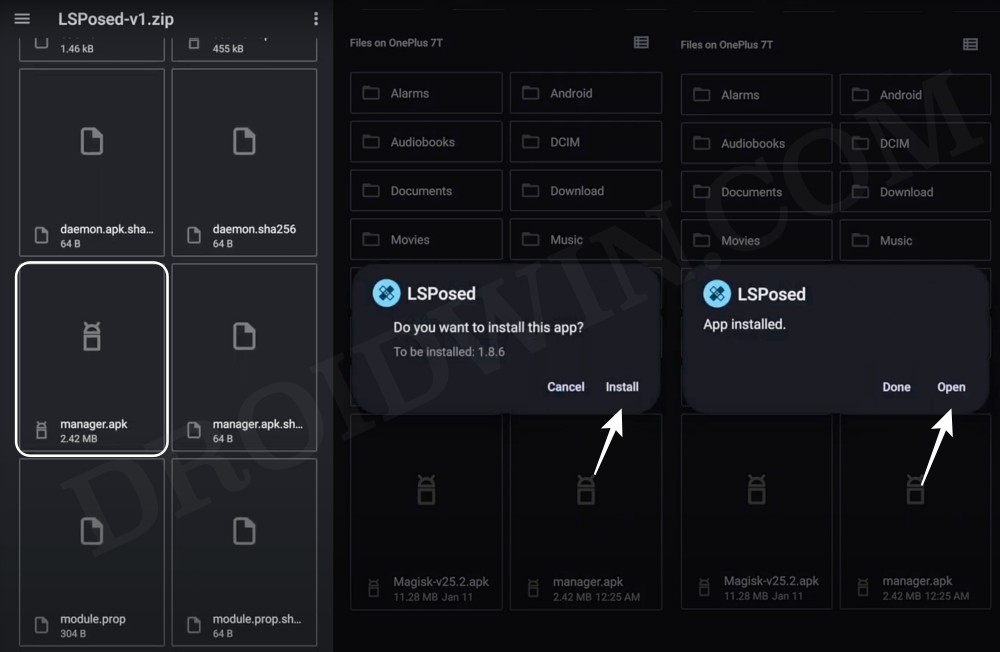
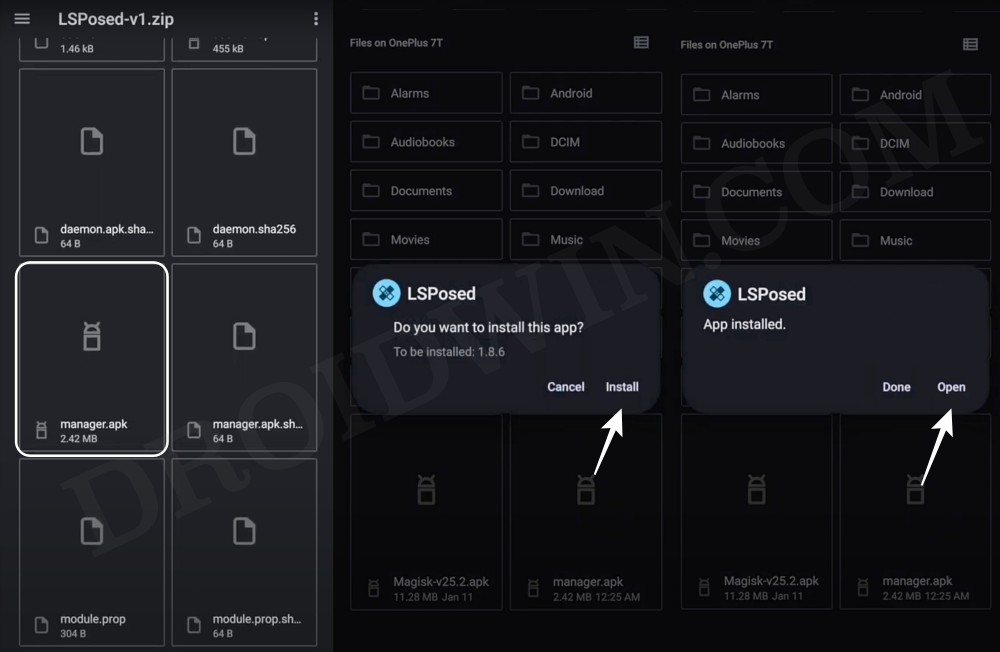
However, implementing this fix is not a task for the faint of heart. Because the solution requires modifying the system framework, the device must be rooted. Rooting remains the ultimate "double-edged sword" in the Android ecosystem. On one hand, it grants the user total sovereignty over their hardware, allowing for the installation of powerful tools like the LSPosed framework, which is required to run XEdgePro. On the other hand, it introduces a series of security considerations and potential stability risks. Modifying system files can interfere with banking applications, over-the-air (OTA) updates, and the device’s overall security posture.
For the dedicated enthusiast, the trade-off is often worth it. To begin the rectification process, a user must first ensure their device is unlocked and rooted via a contemporary method such as Magisk or KernelSU. Once the foundation is laid, the installation of the LSPosed framework allows for the injection of the XEdgePro module. This module acts as a surgical tool, precisely targeting the gesture navigation lag without necessitating a complete overhaul of the OS. It is a testament to the longevity of well-written code that a module from 2016 can still address the nuances of a 2025 operating system.
The technical community credits the success of this workaround to the modular nature of Android’s UI, which, despite manufacturer attempts to close it off, still relies on certain legacy hooks that XEdgePro can utilize. Once the module is active and configured, the transformation is immediate. The "sticky" feeling of the navigation pill disappears, and the transition from a third-party app back to a Nova Launcher home screen becomes as seamless as it would be on a Pixel or a device running a custom ROM.
While this fix provides a vital lifeline for OnePlus users, it also highlights a concerning trend in the smartphone industry. As manufacturers strive to create "ecosystems," the open-source spirit of Android is often sidelined in favor of proprietary smoothness. The fact that a user must resort to rooting and legacy XPosed modules to achieve basic UI fluidness on a third-party launcher suggests a widening gap between user desires and OEM priorities. OnePlus, once the darling of the "Never Settle" movement, now finds itself in a position where its most loyal users must "settle" for either a stock experience they may not prefer or a complex technical workaround to regain the speed they paid for.
The implications of this lag go beyond mere aesthetics. In a world where mobile devices are our primary tools for productivity, a stuttering UI represents a tangible loss in efficiency. Every millisecond spent waiting for a gesture to register or an animation to complete adds up to a diminished user experience. By addressing this through XEdgePro, users are not just "fixing a bug"; they are reclaiming the performance potential of their device’s silicon.
In conclusion, while OnePlus has undoubtedly moved toward a more restrictive software environment with the integration of OxygenOS and ColorOS, the community-driven solution provided by XEdgePro offers a path forward. For those willing to navigate the complexities of rooting and system modification, the "custom launcher tax" can be effectively repealed. This fix serves as a reminder that as long as there are enthusiasts who value customization, there will be developers working to break down the barriers erected by manufacturers. Whether you are using a OnePlus 13 or looking ahead to the OnePlus 15, the ability to tailor your interface to your liking—without sacrificing performance—remains a goal worth pursuing. The lag may be deliberate, but with the right tools, it is certainly not permanent.