

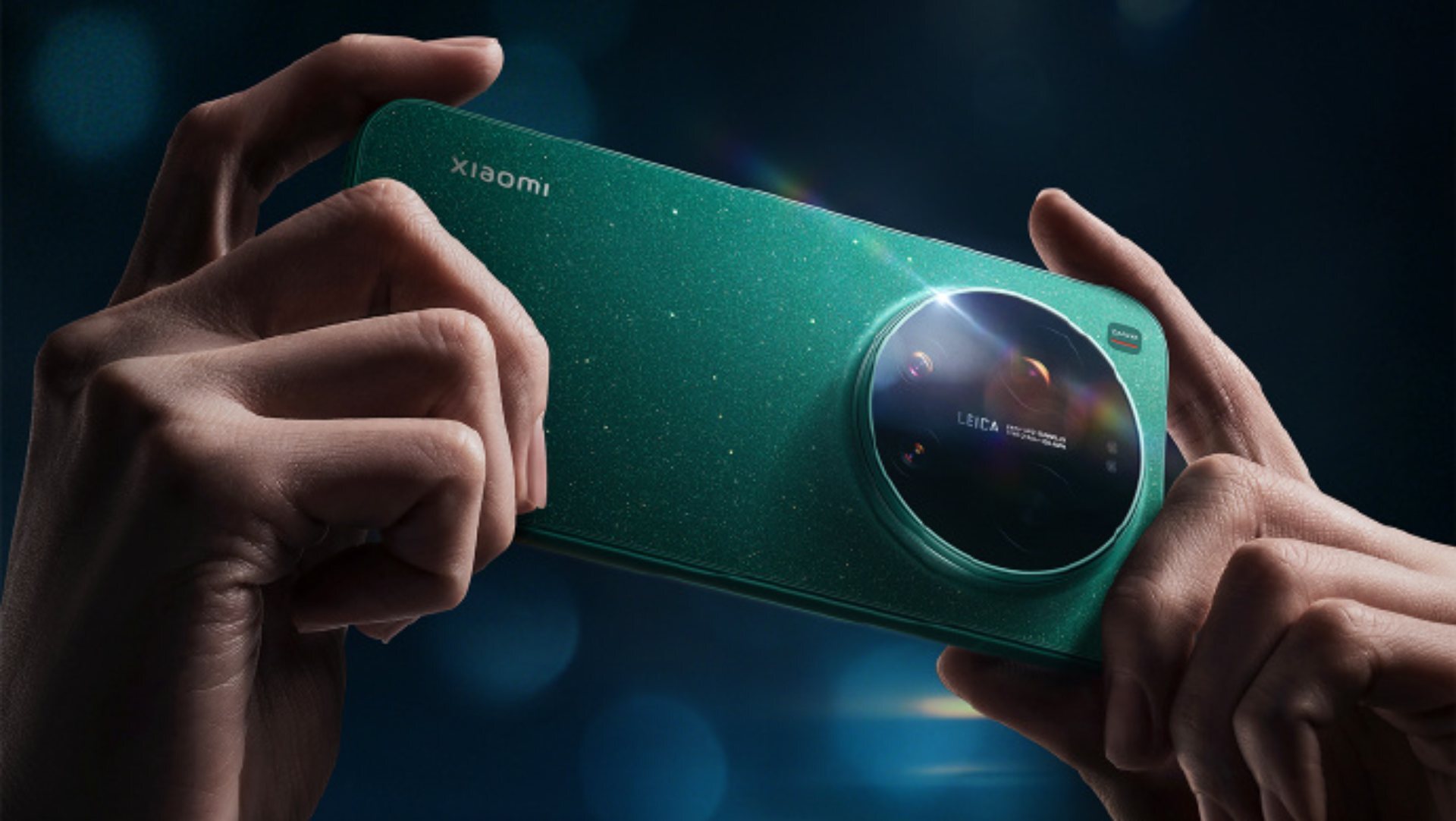
The landscape of the ultra-premium smartphone market is undergoing a seismic shift as Chinese manufacturers transition from being perceived as budget-friendly alternatives to becoming the primary innovators in hardware engineering. At the center of this transformation is Xiaomi, a company that has consistently pushed the boundaries of mobile photography and battery technology through its "Ultra" series. However, as the industry looks toward the upcoming release of the Xiaomi 17 Ultra, a complex narrative is emerging—one that highlights a growing disparity between the devices sold in mainland China and those that eventually reach the global stage. Recent leaks suggest that international consumers may be asked to pay a record-breaking premium for a device that, while formidable, lacks some of the headline-grabbing specifications of its domestic counterpart.
According to prominent industry leaker Arsène Lupin, the global iteration of the Xiaomi 17 Ultra is expected to command a retail price of €1,499 in European markets. This pricing strategy places the device in direct competition with the most expensive offerings from Apple and Samsung, specifically the iPhone Pro Max and Galaxy Ultra tiers. For this investment, international buyers are expected to receive a configuration featuring 16GB of RAM and 512GB of internal storage. While these specifications are undoubtedly high-end, the sticker price signals Xiaomi’s total commitment to the luxury segment, moving far away from the "flagship killer" roots that defined the brand’s early years. At nearly 1,500 euros, the margin for error is razor-thin, and consumers in this bracket typically demand the absolute pinnacle of available technology without compromise.
The most significant point of contention arising from recent reports is the discrepancy in battery capacity. For the Chinese market, the Xiaomi 17 Ultra is rumored to feature a massive 6,800mAh battery, a figure that would set a new benchmark for flagship longevity. In contrast, the global variant is reportedly slated for a 6,000mAh cell. While a 6,000mAh battery is objectively large—surpassing many current competitors—the loss of 800mAh compared to the Chinese model represents a significant reduction in total energy density. In practical terms, this gap can translate to several hours of screen-on time or an extra half-day of standby power. For power users who rely on their devices for high-resolution videography, 5G gaming, and intensive multitasking, this missing capacity is not merely a number on a spec sheet; it is a tangible reduction in the device’s utility.
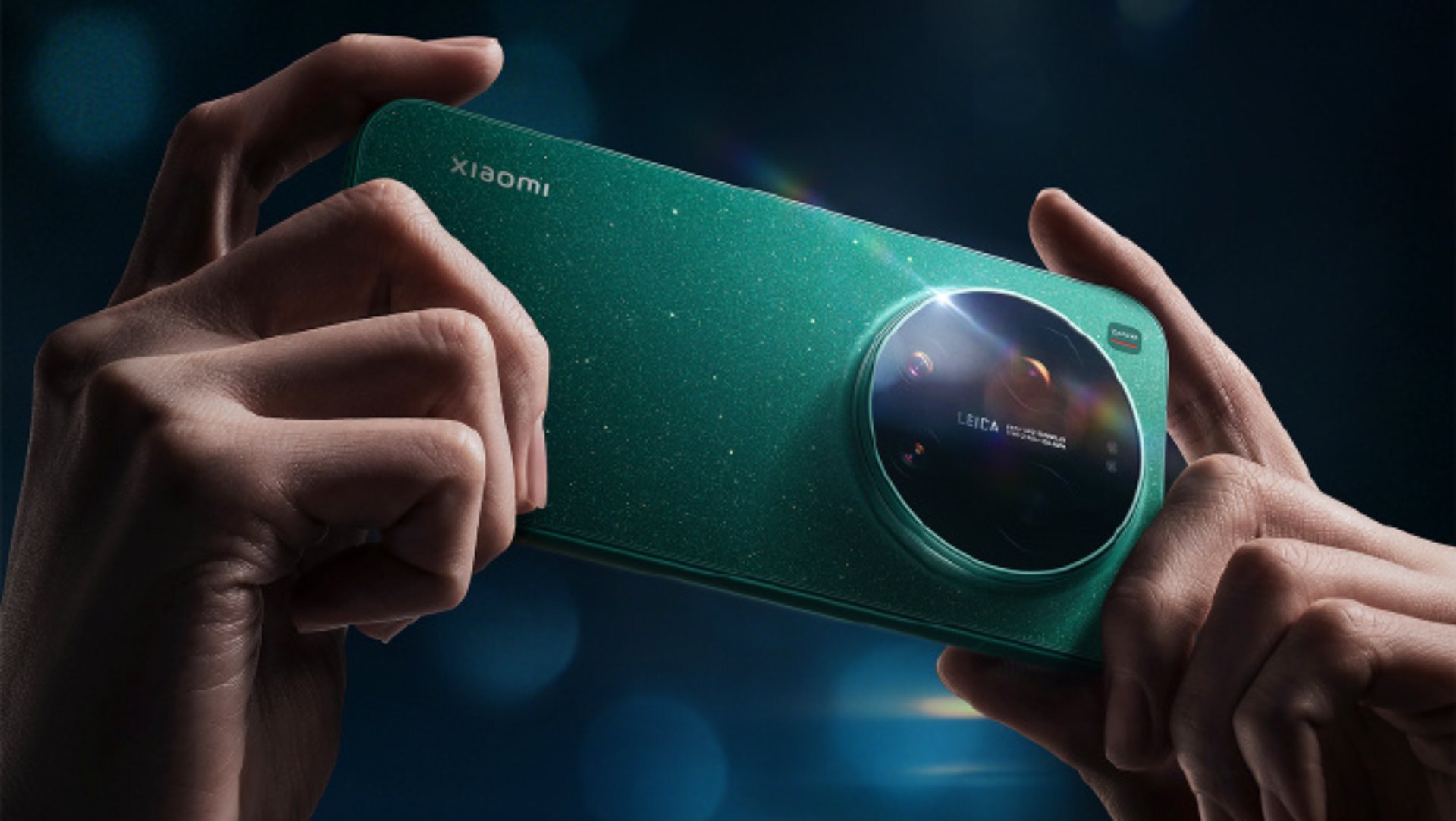
This phenomenon of "regional downsizing" is not a new development for Xiaomi, but rather a recurring pattern that reflects the logistical and regulatory complexities of the global tech trade. The previous generation, the Xiaomi 15 Ultra, followed a similar trajectory, launching with a 6,000mAh battery in China while the international version was throttled down to 5,410mAh. To understand why a manufacturer would intentionally ship a less capable version of its best product to international markets, one must look at the stringent regulatory environment governing lithium-ion batteries outside of China.
Safety certifications and transportation protocols play a decisive role in hardware design. As noted by industry experts and tech analysts like Brandon Lee, high-capacity batteries are subject to rigorous testing standards in Europe and North America, such as the CE marking requirements and UL certifications. These regions have strict protocols regarding energy density and the chemical stability of batteries, particularly as manufacturers move toward newer silicon-carbon anode technologies to achieve higher capacities in smaller footprints. Furthermore, the international shipping of devices with exceptionally large batteries involves complex hazardous materials (HAZMAT) regulations. Increasing the battery size beyond certain thresholds can trigger exponentially higher shipping costs and more demanding insurance requirements for retailers and distributors. Consequently, Xiaomi appears to have opted for a "safe" 6,000mAh middle ground for the global market to ensure the device can be legally and economically distributed across diverse jurisdictions.
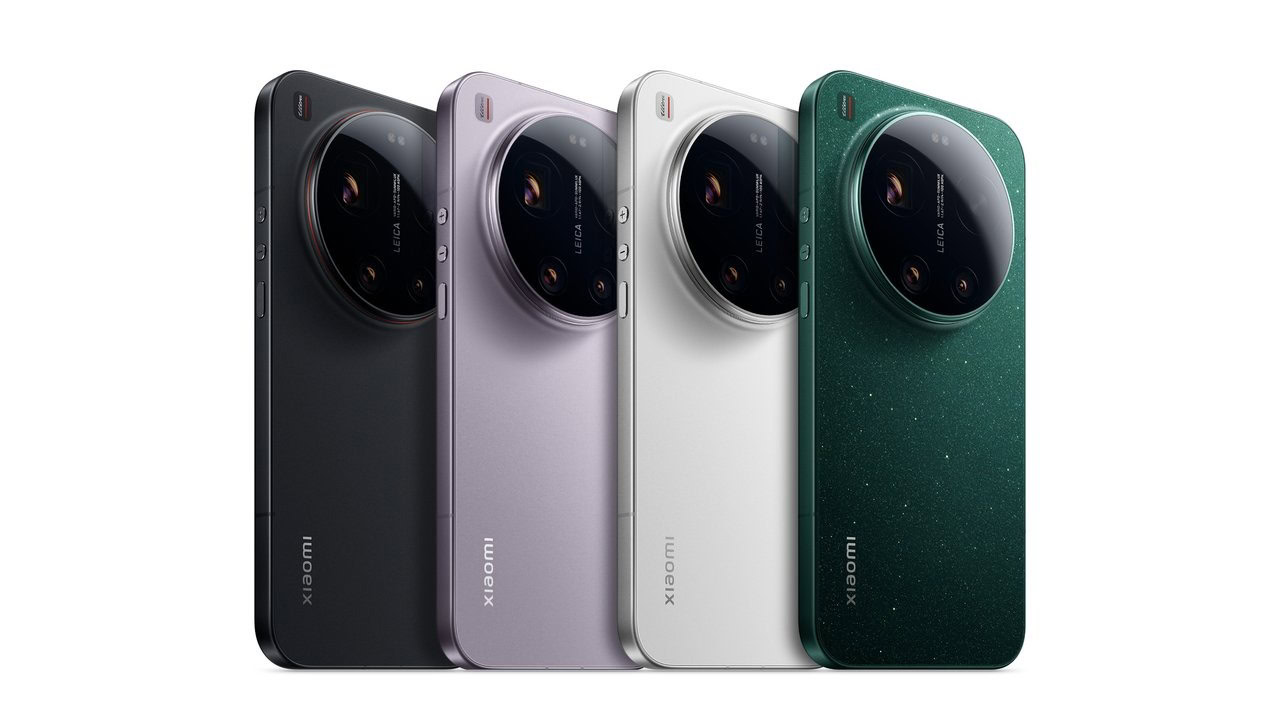
Beyond the internal hardware, the disparity extends to the aesthetic choices available to consumers. The latest leaks indicate that the global Xiaomi 17 Ultra will be offered in three primary colorways: classic black, white, and a nature-inspired green. Notably absent from the international lineup is the light purple variant that is expected to be a staple of the Chinese launch. While color may seem like a secondary concern compared to battery life, the lack of variety in the global market reinforces a sense of "secondary status" for international buyers. In the luxury smartphone market, exclusivity and personalization are key selling points, and the restriction of certain finishes to specific regions can dampen the enthusiasm of brand enthusiasts.
Despite these regional compromises, the Xiaomi 17 Ultra remains a marvel of modern engineering. The inclusion of 16GB of LPDDR5X RAM ensures that the device will handle the next generation of on-device artificial intelligence and complex computational photography tasks with ease. The 512GB of UFS 4.0 storage provides ample room for the massive file sizes generated by the device’s sophisticated camera array. Xiaomi’s partnership with Leica continues to be the backbone of the Ultra series, and the 17 Ultra is expected to feature a multi-camera system that prioritizes large sensor sizes and variable apertures. For mobile photographers, the hardware remains some of the best in the world, even if the battery powering those sensors is slightly smaller than what is available in Beijing or Shanghai.
However, the central challenge for Xiaomi remains one of perception and value proposition. When a consumer walks into a store in Paris, Berlin, or Madrid and sees a €1,499 price tag, they are comparing that device against the entire ecosystem of premium electronics. Samsung and Apple benefit from high brand loyalty and extensive after-sales support networks that Xiaomi is still building in many parts of the world. If Xiaomi is to compete at these price points, the "Ultra" moniker must represent the absolute best the company can produce. When news of a superior version existing elsewhere reaches the tech-savvy audience that typically buys these phones, it creates a "specification envy" that can be difficult to overcome.
The broader implications of this trend suggest a bifurcated future for the smartphone industry. As Chinese manufacturers innovate at a pace that outstrips global regulatory frameworks, we may see more devices that are "tamed" for international release. This creates a paradox where the most innovative features of a brand are restricted by the very logistics required to make that brand global. For the Xiaomi 17 Ultra, the 6,000mAh battery is still a significant upgrade over many of its peers, but it lives in the shadow of the 6,800mAh giant available to the domestic Chinese audience.
As the official launch approaches, the tech community will be watching closely to see if Xiaomi can justify the steep entry price through software optimization and superior user experience. If the company can prove that the 6,000mAh global version is more than sufficient for even the most demanding users, the hardware gap may be forgiven. However, in an era where consumers are holding onto their devices longer and spending more on them than ever before, every milliamp-hour and every Euro counts. The Xiaomi 17 Ultra is poised to be one of the most powerful smartphones of 2026, but it also serves as a reminder of the invisible borders that still define the world of high technology. Whether it can transcend these limitations to become a global success depends on whether consumers see it as a flagship without equal or a compromised version of a better phone they simply cannot buy.