

The release of Android 16 marks a pivotal moment in mobile operating system evolution, typically debuting first on Google’s flagship Pixel line. However, thanks to the swift efforts of the independent developer community, owners of popular mid-range hardware, such as the Xiaomi Poco M7 Pro 5G, are gaining immediate access to the latest software via unofficial custom ROMs. This crucial development allows users to bypass the often lengthy or non-existent official update schedules imposed by Original Equipment Manufacturers (OEMs), effectively future-proofing their devices.
Adopting an Android Open Source Project (AOSP) based custom build allows the Poco M7 Pro 5G to transcend its original software limitations, offering enhanced performance and the full suite of Android 16 features long before any potential official rollout—or even if the device is designated End-of-Life (EOL) for major updates. This procedure, while technical, is the established method for enthusiasts seeking the purest, most current Android experience on capable, yet aging, hardware.
The Android 16 Paradigm Shift: Material 3 Expressive
The most immediately apparent change in Android 16 is the introduction of Material 3 Expressive. This refinement of Google’s design language constitutes a significant step forward in user interface (UI) polish and dynamic interaction. Unlike radical overhauls, Material 3 Expressive builds upon the established foundation of Material Design 3, focusing on kinetic fluidity and improved tactile interaction.
![How to Install Android 16 on Xiaomi Poco M7 Pro 5G [Download Link]](https://www.getdroidtips.com/wp-content/uploads/2025/12/Xiaomi-Poco-M7-Pro-5G.jpg)
The enhancements are subtle but substantial: animations are smoother, creating a more responsive feel; touch targets are intelligently enlarged for better accessibility across different screen sizes (especially beneficial for foldables and tablets); and typography gains a bolder, more structured hierarchy. This design evolution addresses the growing need for an interface that scales seamlessly from pocketable phones to expansive tablet screens, ensuring consistency and ease of use across the ecosystem.
Beyond the aesthetic improvements, Android 16 incorporates numerous system optimizations aimed at improving battery efficiency, memory management, and overall application performance. While initial official updates often carry the baggage of heavy OEM skins, AOSP builds deliver a lean operating environment, frequently resulting in demonstrably faster performance than the device’s original firmware, such as Xiaomi’s HyperOS based on Android 14. These system-level refinements, combined with enhanced privacy features and improved interoperability across device types, define the core value proposition of the new OS.
Assessing the Hardware: The Poco M7 Pro 5G Profile
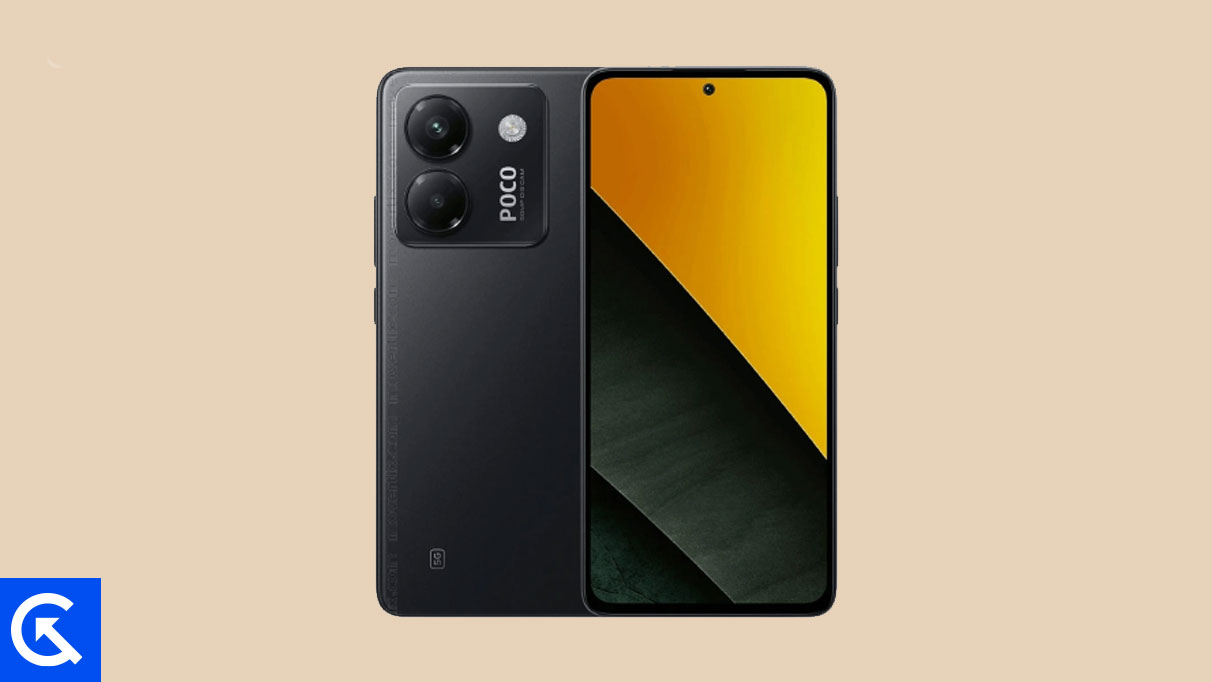
The Xiaomi Poco M7 Pro 5G, launched in late 2024, established itself as a formidable competitor in the value-focused mid-range segment. Its core strengths—a vibrant 6.67-inch AMOLED display with a 120Hz refresh rate, HDR10+ support, and robust Gorilla Glass 5 protection—ensure the hardware remains highly relevant even a year or more after its release. This premium display is essential for fully appreciating the visual dynamism of Material 3 Expressive.
The phone is powered by the MediaTek Dimensity 7025 Ultra chipset. While not a flagship processor, the 7025 Ultra provides ample power for daily multitasking, application handling, and moderate gaming. Crucially, its efficiency pairs well with the substantial 5110mAh battery, which, supported by 45W fast charging, offers reliable all-day endurance. Features like IP64 splash resistance, stereo speakers with Dolby Atmos, a 3.5mm headphone jack, and an infrared blaster add practical versatility often absent in contemporary devices.
![How to Install Android 16 on Xiaomi Poco M7 Pro 5G [Download Link]](https://www.getdroidtips.com/wp-content/uploads/2025/12/Xiaomi-Poco-M7-Pro-5G-300x169.jpg)
The decision to install a custom Android 16 ROM on the Poco M7 Pro 5G is primarily driven by maximizing the longevity of this capable hardware platform. While the device shipped with a modern OS (HyperOS based on Android 14), maintaining cutting-edge software features and security patches often requires moving beyond the manufacturer’s guaranteed support window.
The Technical Gateway: Mandatory Pre-Installation Steps
The installation of a custom ROM necessitates adherence to a strict protocol of technical prerequisites. These steps are foundational to the process, ensuring the device is prepared for flashing and mitigating the risk of data loss or system corruption (bricking).
Data Integrity and Preservation
The single most critical step is a comprehensive data backup. The process of unlocking the bootloader and installing custom firmware invariably involves a complete factory reset, erasing all user data, applications, and settings. Utilizing cloud storage or external PC backups is non-negotiable before proceeding. Furthermore, ensuring the device has a minimum charge level of 50% is crucial; any power interruption during the critical flashing phase can lead to irreversible system damage.
Unlocking the Bootloader
The bootloader unlock is the absolute prerequisite for any deep system modification on Xiaomi devices. This manufacturer-imposed restriction must be removed to allow access to core system partitions. While Xiaomi provides an official procedure for this, the act itself is destructive, initiating a data wipe and potentially invalidating the device warranty. It is the necessary key to gaining the administrative access required for custom firmware installation.
![How to Install Android 16 on Xiaomi Poco M7 Pro 5G [Download Link]](https://www.getdroidtips.com/wp-content/uploads/2020/06/cmd-platform-tools.jpg)
Essential Communication Protocols: ADB and Fastboot
ADB (Android Debug Bridge) and Fastboot are the command-line utilities that form the communication bridge between the host computer and the Android device. ADB facilitates basic debugging and system interactions, while Fastboot is the advanced utility used explicitly for flashing system images and managing bootloader operations. Installing the Platform-Tools binaries ensures a stable connection for these critical operations. Correspondingly, up-to-date Xiaomi USB drivers must be installed on the host computer to guarantee the device is correctly recognized during the flashing process.
Custom Recovery Environment: TWRP
Once the bootloader is unlocked, the stock recovery environment must be replaced with a custom recovery solution, most commonly TWRP (Team Win Recovery Project). TWRP acts as a minimalist operating system, providing the graphical interface and tools necessary to navigate the device’s storage, manage partitions, and execute the flashing of zipped ROM and GApps files. It is the environment from which all subsequent custom firmware installations are executed.
Acquiring the Firmware Components
The final preparatory phase involves downloading the necessary files: the Android 16 custom ROM image specifically compiled for the Poco M7 Pro 5G, and the corresponding Google Apps (GApps) package. Since AOSP builds are pure Android, they typically exclude proprietary Google services (Play Store, Maps, etc.). GApps must be flashed immediately after the ROM to ensure seamless integration of the Google framework.
Execution and Post-Installation
The installation methodology involves moving the downloaded firmware files onto the device’s internal storage, booting the phone into the TWRP Recovery environment, and performing a full system wipe (data, cache, dalvik cache, and system partitions) to prepare a pristine environment. The ROM is then flashed, followed immediately by the GApps package, without rebooting the system in between. This sequence is vital for ensuring the Google services are correctly integrated into the new Android 16 structure.
![How to Install Android 16 on Xiaomi Poco M7 Pro 5G [Download Link]](https://www.getdroidtips.com/wp-content/uploads/2020/08/twrp-custom-rom.jpg)
The initial boot cycle following a custom ROM installation is significantly protracted as the operating system builds its cache and optimizes applications for the first time. Patience is required during this phase. Once complete, the user is presented with the standard Android setup wizard, signaling a successful transition to the new OS.
Current community reports suggest that the unofficial Android 16 AOSP build for the Poco M7 Pro 5G is functioning with high stability, with all primary hardware components—connectivity, audio, cameras, and display—reported as operational. As with any unofficial port, users must remain vigilant for minor bugs and contribute logs to the developer community to aid in continuous refinement. By embracing this custom firmware pathway, Poco M7 Pro 5G users are securing a modern, feature-rich lifespan for their device, demonstrating the enduring power of open-source development in the mobile ecosystem.