

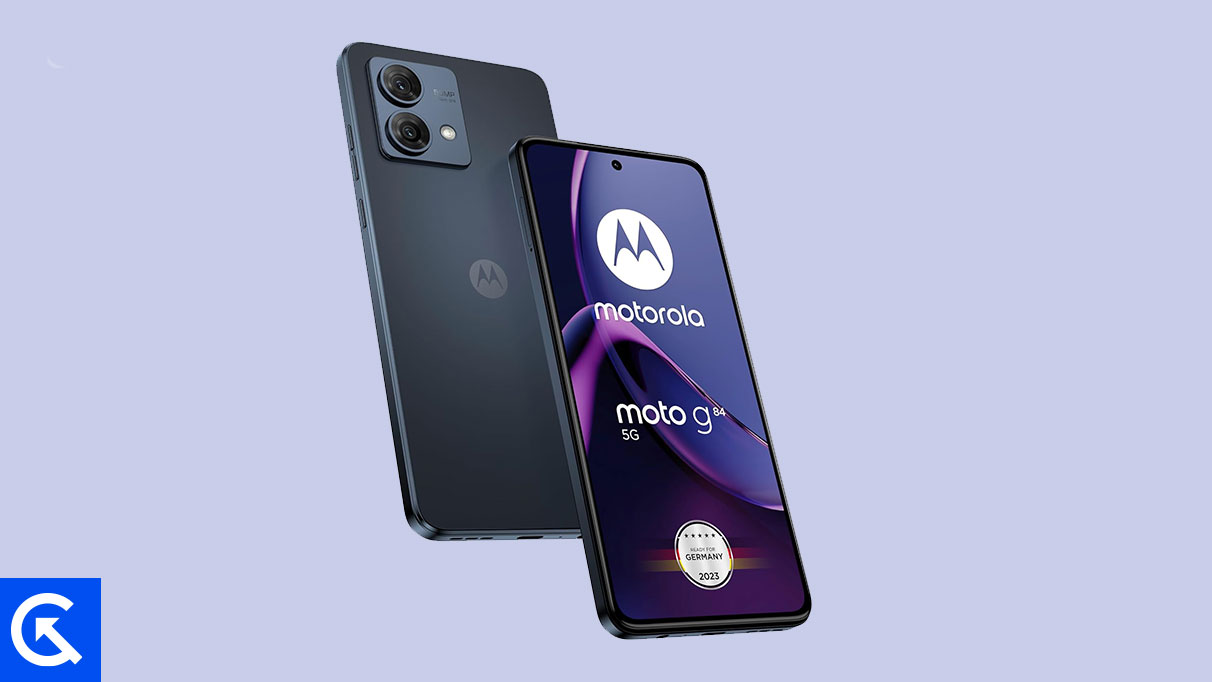
The lifespan of mid-range smartphones is frequently curtailed by manufacturer software support policies, but the robust custom development community consistently offers paths to prolonged relevance. For owners of the Motorola Moto G84 5G, this lifeline has arrived in the form of an unofficial Android 16-based custom ROM. Following the recent rollout of the latest operating system iteration on Google’s flagship Pixel devices, independent developers have successfully compiled and ported the Android Open Source Project (AOSP) build, allowing this September 2023 device to access cutting-edge features years before its scheduled end-of-life for official updates. Installing this custom firmware is a definitive method for breathing new functionality and security into the Moto G84 5G, leveraging the device’s capable hardware for a flagship-tier software experience.
The Architectural Leap: Android 16 and Material 3 Expressive
The core appeal of upgrading to Android 16 lies not just in incremental feature additions but in fundamental improvements to system fluidity and design consistency. Central to this evolution is the introduction of Material 3 Expressive, a significant refinement of Google’s established design language. While not a dramatic visual overhaul, Material 3 Expressive focuses intensely on enhancing user interaction through optimized dynamics.
This design paradigm introduces smoother transitions, more contextual animations that better reflect user input, and subtly enlarged touch targets, improving accessibility and precision across the interface. Furthermore, bolder typography and revised visual hierarchies ensure critical information is prioritized efficiently. Material 3 Expressive addresses the maturing interface introduced with Android 13, injecting renewed vitality and modern polish without alienating users accustomed to the core tenets of Material Design 3. This emphasis on subtle, pervasive optimization ensures that the Moto G84 5G, despite utilizing mid-range silicon, can render the OS with a responsiveness usually reserved for premium devices.
![How to Install Android 16 on Motorola Moto G84 5G [Download Link]](https://www.getdroidtips.com/wp-content/uploads/2025/08/Motorola-Moto-G84-5G.jpg)
Beyond the aesthetic changes, Android 16 incorporates numerous system-level enhancements designed to improve battery management, strengthen privacy controls, and streamline performance across diverse hardware configurations, including foldable devices and large-screen tablets. Although the Moto G84 5G is a traditional slab phone, it benefits directly from these underlying optimizations, promising superior background task management and reduced power consumption.
Moto G84 5G: A Hardware Profile Built for Longevity
The Motorola Moto G84 5G was strategically positioned in the market as a high-value mid-ranger. Its hardware specifications, released in late 2023, provide a solid foundation for extended custom software support. The device is powered by the efficient 6nm Snapdragon 695 5G chipset coupled with the Adreno 619 GPU, offering reliable performance that remains relevant even after a year of release.
Key physical attributes include a slim 7.6 mm profile, a durable build with an IP54 rating for dust and splash resistance, and a striking 6.5-inch P-OLED display. This panel features a 120Hz refresh rate and up to 1300 nits peak brightness, ensuring that the dynamic animations of Android 16 are rendered with exceptional clarity and smoothness. Memory configurations of up to 12GB of RAM paired with 256GB of internal storage guarantee ample headroom for the demands of a modern operating system.
Originally launched on Android 13, with official upgrade paths planned only through Android 15, the unofficial port of Android 16 effectively grants the Moto G84 5G a major version upgrade beyond its intended lifecycle. This phenomenon underscores the critical role of custom ROMs in maximizing the return on investment for consumers by leveraging powerful, under-supported hardware.
![How to Install Android 16 on Motorola Moto G84 5G [Download Link]](https://www.getdroidtips.com/wp-content/uploads/2025/08/Motorola-Moto-G84-5G-300x169.jpg)
Technical Gateway: Preparing for Custom Firmware Installation
The process of installing an unofficial AOSP build requires meticulous adherence to technical prerequisites, fundamentally altering the device’s software structure. This procedure is inherently high-risk and voids the manufacturer’s warranty, necessitating a complete understanding of the required steps.
1. Data Integrity and Security
The most critical initial step is a comprehensive data backup. The installation process mandates the unlocking of the bootloader, an action that triggers a mandatory factory reset and complete data wipe. Users must secure all personal files, applications, and settings prior to commencing the procedure. Furthermore, the device battery must maintain a charge level of at least 50% to prevent catastrophic failure from power loss during the sensitive flashing sequence.
2. Establishing the Technical Toolkit
Successful custom firmware flashing relies on a robust communication bridge between the computer and the smartphone. This requires two primary components:
- ADB and Fastboot Binaries (Platform-Tools): These command-line utilities are essential for low-level device interaction. The Android Debug Bridge (ADB) facilitates communication with the device while the OS is running or in recovery mode, whereas Fastboot is utilized specifically when the device is in bootloader mode, allowing for the direct flashing of critical partitions like recovery and kernel images.
- Motorola USB Drivers: Properly installed, up-to-date USB drivers ensure that the computer correctly recognizes the Moto G84 5G in both standard and specialized boot modes (Fastboot/Bootloader), guaranteeing uninterrupted data transfer during the installation process.
3. Unlocking the Bootloader: The Prerequisite
Unlocking the device’s bootloader is the irreversible gateway to installing third-party firmware. This process involves utilizing the Fastboot utility to execute manufacturer-specific commands, permanently removing the security lock that prevents unauthorized operating system modification. It is crucial to follow Motorola’s official guidelines for this process, understanding that this action fundamentally alters the security posture of the device.
![How to Install Android 16 on Motorola Moto G84 5G [Download Link]](https://www.getdroidtips.com/wp-content/uploads/2020/06/cmd-platform-tools.jpg)
4. Installing Custom Recovery (TWRP)
Custom ROMs cannot be installed via the stock recovery environment. The installation necessitates a custom recovery interface, most commonly Team Win Recovery Project (TWRP). TWRP provides a touch-enabled graphical interface that allows users to perform advanced operations, including formatting partitions, installing ZIP archives (the custom ROM and GApps), and managing backups. TWRP must be flashed onto the device partition using Fastboot commands after the bootloader is unlocked.
5. Acquiring the Software Components
The core components required for the installation include the Android 16 AOSP custom ROM file, specifically compiled for the Moto G84 5G, and the appropriate Google Applications package (GApps). Since AOSP builds are pure Android environments, they typically exclude proprietary Google services. Users must download a GApps package compatible with Android 16 and the device’s architecture (usually ARM64).
The Installation Protocol
The installation process is executed entirely within the TWRP recovery environment:
- Transfer Files: The downloaded ROM and GApps ZIP files must be transferred to the device’s internal storage or an external microSD card, accessible by TWRP.
- Boot to TWRP: The device is rebooted into the custom recovery mode.
- Wipe Partitions: To ensure a clean installation and prevent conflicts, the user must perform a factory reset, typically wiping the Data, System, Cache, and Dalvik partitions. This is a critical step known as a "clean flash."
- Flash the ROM: The custom ROM ZIP file is selected within TWRP and installed.
- Flash GApps: Immediately following the ROM installation, the corresponding GApps ZIP file must be flashed before the first reboot. Failure to do so requires repeating the entire process.
- Reboot System: After successful flashing of both files, the device is rebooted.
The first boot sequence after flashing custom firmware is notably longer than standard restarts as the system initializes the new operating environment and rebuilds the cache. Users should anticipate this delay and avoid interrupting the boot process.
![How to Install Android 16 on Motorola Moto G84 5G [Download Link]](https://www.getdroidtips.com/wp-content/uploads/2020/08/twrp-custom-rom.jpg)
Outlook and Community Engagement
By successfully implementing the Android 16 custom ROM, users of the Moto G84 5G unlock a modern operating system experience that far exceeds the device’s planned software obsolescence. While early AOSP ports are generally stable—with reports indicating full functionality for core features—they are inherently community-driven and may contain undiscovered minor bugs. Users engaging in this process become integral members of the development ecosystem, tasked with diligently reporting any encountered issues, complete with comprehensive log files, to aid developers in refining the unofficial build. This collaborative effort ensures the longevity and stability of the platform, solidifying the Moto G84 5G as a continuing example of hardware defying its software lifecycle limitations.