

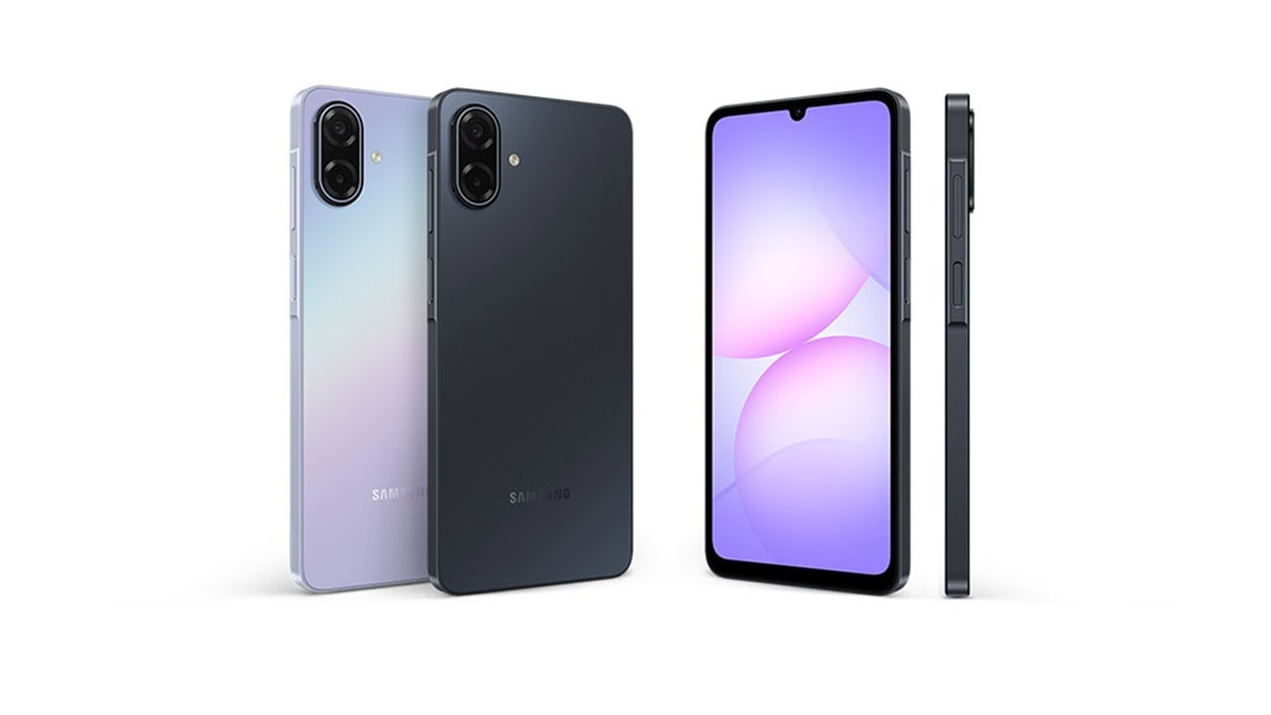
In an industry where budget-friendly smartphones are often relegated to short-lived software cycles and secondary status, Samsung is signaling a radical shift in its product lifecycle strategy. While the global technology community anticipated the grand unveiling of the flagship Galaxy S26 series this month, internal scheduling shifts and late-stage adjustments to the premium lineup have reportedly pushed that launch back by approximately four weeks. To bridge this temporal gap in its release calendar, the South Korean electronics giant is turning its attention to the high-volume, entry-level segment. The primary beneficiary of this strategic pivot is the newly unveiled Galaxy A07 5G, a device that marks a significant milestone as Samsung’s most affordable 5G-capable handset to date, while simultaneously challenging industry norms regarding device longevity.
The most striking feature of the Galaxy A07 5G is not found in its physical chassis or its silicon, but in its digital future. Samsung has officially extended its ambitious software support policy to this entry-level tier, promising six generations of Android OS upgrades. Launching with One UI 8, which is built upon the foundation of Android 16, the Galaxy A07 5G is slated to receive consistent updates through Android 22. This commitment is unprecedented for a device in this price bracket. To put this into perspective, many flagship devices from competing manufacturers, including high-end offerings like the OnePlus 15, offer shorter or comparable support windows at four to five times the cost. By guaranteeing six years of functional relevance, Samsung is effectively attempting to dismantle the "disposable" reputation of budget smartphones, positioning the A07 5G as a long-term investment for consumers in emerging markets and value-conscious demographics.
This move toward extended support carries profound implications for the secondary market and environmental sustainability. Traditionally, budget phones lose their utility quickly as apps evolve to require newer operating system APIs, and security vulnerabilities go unpatched on older software. By providing a six-year runway, Samsung ensures that the Galaxy A07 5G remains secure and compatible with the modern app ecosystem well into the next decade. This strategy likely leverages the efficiency gains Samsung has made in its software engineering department, streamlining the update process across various hardware configurations to make such long-term support economically viable even on lower-margin hardware.
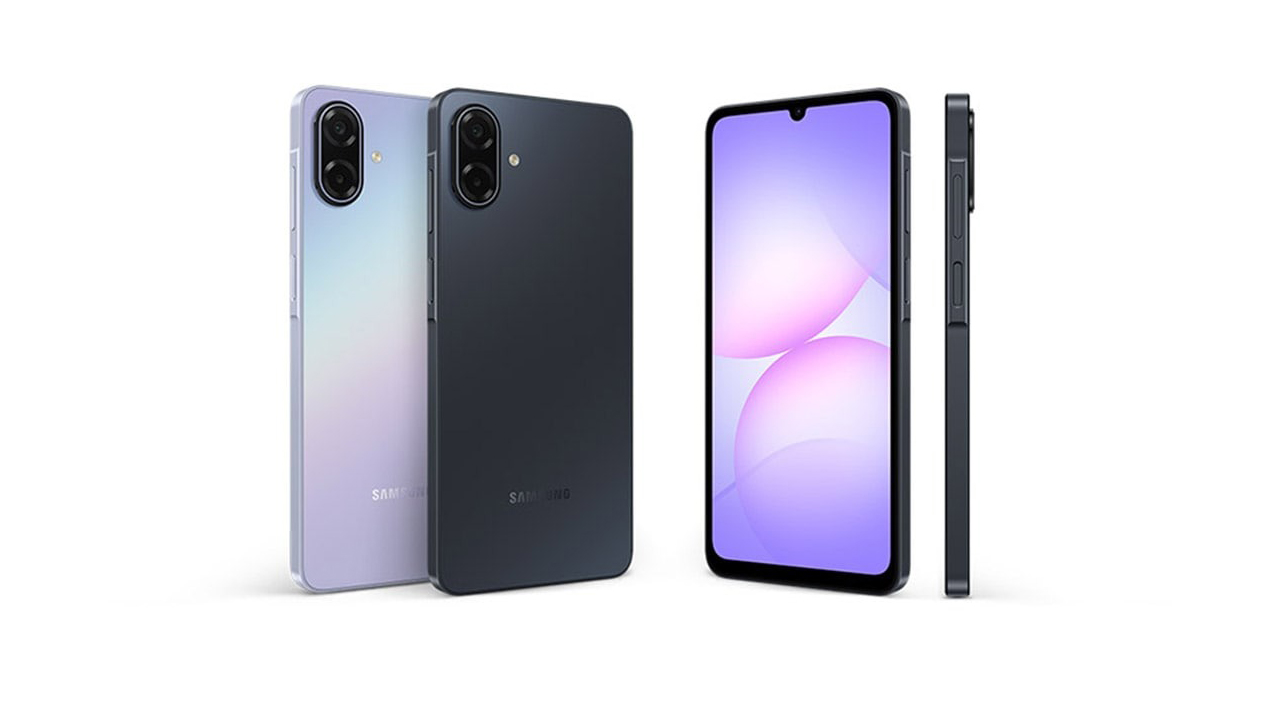
Visually, the Galaxy A07 5G maintains a familiar silhouette, closely mirroring the design language established by its predecessor and the 4G-only variant of the same generation. However, a closer inspection reveals several iterative refinements intended to modernize the user experience. The device features a 6.7-inch IPS LCD panel, which serves as the primary window into the One UI interface. The most notable upgrade here is the jump to a 120Hz refresh rate, a significant improvement over the 90Hz panel found on the Galaxy A06 5G. This higher refresh rate ensures that animations, scrolling, and system transitions appear fluid and responsive, narrowing the perceived performance gap between budget and mid-range devices. While the display retains the "Infinity-U" notch—a design choice that some may find dated compared to the punch-hole cutouts of more expensive models—the panel’s peak brightness has been boosted. In High Brightness Mode (HBM), the screen can reach up to 800 nits, which improves legibility under direct sunlight, a common pain point for entry-level LCDs.
Under the hood, Samsung has opted for consistency by retaining the MediaTek Dimensity 6300 chipset. This 6nm octa-core processor is designed to balance 5G connectivity with power efficiency, featuring two Cortex-A76 cores clocked at 2.4GHz for demanding tasks and six Cortex-A55 cores at 2.0GHz for background efficiency. While it is not a powerhouse for high-end gaming, the Dimensity 6300 provides a stable foundation for everyday multitasking and social media consumption. In a move that reflects the growing size of modern applications and media files, Samsung has streamlined the memory and storage configurations. The previous 64GB entry-level storage tier has been retired in favor of a standard 128GB capacity. Consumers can choose between 4GB or 6GB of RAM, depending on their performance needs. Furthermore, the device retains a dedicated microSD card slot, supporting expansion of up to 2TB, ensuring that users have ample space for photos, videos, and offline content.
Powering the device is a substantial 6,000 mAh battery, a capacity that has become a hallmark of Samsung’s value-oriented series. This large cell, combined with the power-efficient MediaTek chipset and the inherent efficiencies of Android 16, suggests that the Galaxy A07 5G will comfortably provide two-day battery life for the average user. Charging is handled via a 25W wired connection. While this does not compete with the ultra-fast charging speeds seen in some Chinese budget competitors, it remains a reliable and safe standard for Samsung, though users should note that a compatible wall adapter is often sold separately in many regions.
The aesthetic evolution of the Galaxy A07 5G includes a refined side frame that offers a sleeker profile and improved ergonomics. Samsung has also introduced a new light purple colorway, aimed at a younger audience looking for a more vibrant aesthetic. On the rear of the device, a redesigned camera island provides a more integrated look for the optics. Despite the visual overhaul of the housing, the internal camera hardware remains largely unchanged from the previous year. The primary sensor is a 50MP unit capable of capturing detailed daylight photographs and 1080p video. It is supported by secondary sensors typically used for depth sensing or macro photography, though the 50MP main lens remains the workhorse of the system.
The initial rollout of the Galaxy A07 5G has commenced in Southeast Asia, with the device currently listed on Samsung’s official Thailand portal. The pricing structure is aggressive, designed to dominate the entry-level 5G market. The 4GB RAM variant is priced at approximately 5,499 Thai Baht (roughly $175 USD), while the 6GB RAM model sits at 5,999 Thai Baht (approximately $190 USD). This pricing puts the A07 5G in direct competition with Samsung’s own Galaxy A16 in certain markets, suggesting that the company is willing to risk internal competition to secure a larger share of the budget 5G segment.
While the Galaxy A06 5G saw a release in the United States through various prepaid carriers and retail channels, Samsung has yet to confirm the specific availability or pricing for the Galaxy A07 5G in North American or European markets. If the device does make its way to Western shores, industry analysts expect the pricing to be adjusted to remain competitive with offerings from Motorola and TCL. The six-year update promise, in particular, could serve as a major selling point for US carriers looking to offer long-term value to their contract-free customers.
Samsung’s decision to prioritize the Galaxy A07 5G amidst the delay of the S26 flagship series highlights a broader corporate realization: the "middle and bottom" of the market are becoming increasingly sophisticated. By offering a 120Hz display and a six-year software guarantee on its cheapest 5G phone, Samsung is not just selling a device; it is selling peace of mind and a level of future-proofing that was once reserved for the elite. As the smartphone market matures and replacement cycles lengthen, this strategy of extending flagship-level support to the masses may become the new benchmark for the industry at large. The Galaxy A07 5G stands as a testament to this transition, proving that a low price tag no longer necessitates a compromise on longevity.