

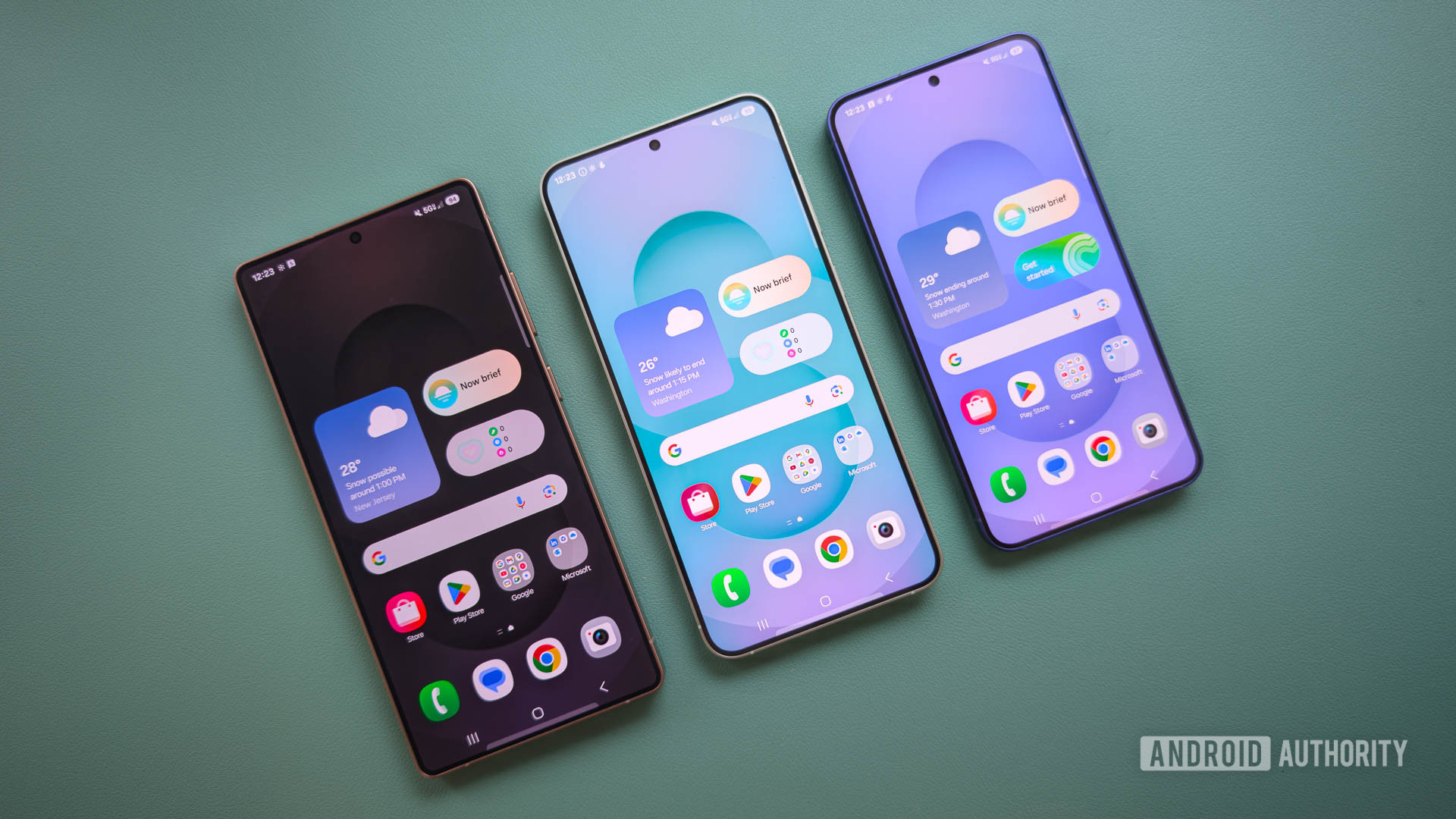
The global smartphone market is bracing for a significant shift in Samsung Electronics’ release cadence as new reports suggest the tech giant is preparing for a later-than-usual launch of its premier flagship line. For years, Samsung has incrementally moved its "Unpacked" events earlier into the winter months to gain a head start on the fiscal year and distance itself from the late-summer iPhone launches. However, the upcoming Galaxy S26 series appears set to buck this trend, returning to a spring release window that mirrors the company’s scheduling from nearly half a decade ago.
According to retail data and supply chain leaks sourced from Dealabs, the Galaxy S26, Galaxy S26 Plus, and the top-tier Galaxy S26 Ultra are scheduled for an official unveiling on February 25. While the announcement event itself is generating significant buzz, the most critical piece of information for consumers is the actual retail availability. The latest reports indicate that the devices will hit store shelves in Europe and several other major global regions on March 11. This timeline represents a notable departure from the previous generation; the Galaxy S25 series was introduced on January 22 and became available for purchase on February 7. By comparison, the Galaxy S26 cycle is shifting roughly one month later into the calendar year.
This strategic delay has prompted intense speculation among industry analysts. Some suggest that the late February reveal allows Samsung to align its marketing efforts with the Mobile World Congress (MWC) in Barcelona, providing a massive physical stage to showcase the new hardware to international media. Others point toward the complexities of the internal hardware upgrades, specifically regarding the integration of next-generation silicon and the optimization of sophisticated artificial intelligence features that have become the cornerstone of the Galaxy brand.
The hardware specifications for the Galaxy S26 series suggest a significant leap in raw performance and efficiency. As has become custom, the Galaxy S26 Ultra will serve as the vanguard of Samsung’s engineering prowess. The flagship is expected to be powered exclusively by the Qualcomm Snapdragon 8 Elite Gen 5 chipset worldwide. This move to a unified chipset for the Ultra model ensures a consistent performance profile for power users, regardless of their geographical location. The "Gen 5" iteration of the Elite series is rumored to utilize an advanced 2-nanometer or enhanced 3-nanometer fabrication process, promising not only faster clock speeds for gaming and multitasking but also a substantial reduction in power consumption.
While the Ultra model enjoys a singular focus on Qualcomm’s silicon, the standard Galaxy S26 and S26 Plus are expected to maintain Samsung’s traditional dual-chip strategy. Depending on the market, consumers will receive either the Snapdragon 8 Elite Gen 5 or Samsung’s in-house Exynos processor. There is considerable pressure on the Samsung MX (Mobile eXperience) division to ensure that the next-generation Exynos chip can match the thermal efficiency and AI processing capabilities of its Qualcomm counterpart, especially as "Galaxy AI" becomes more deeply integrated into the One UI software experience.
Battery life and charging speeds, often a point of contention for Samsung enthusiasts, are also seeing meaningful revisions. The base Galaxy S26 is tipped to feature a 4,300mAh battery, providing a slight but necessary cushion for the high-refresh-rate display and 5G connectivity. The Galaxy S26 Plus is expected to house a ,4900mAh cell, striking a balance between a slim profile and multi-day endurance. However, the most anticipated change concerns the Galaxy S26 Ultra’s charging capabilities. After years of trailing behind Chinese competitors who offer triple-digit wattage, Samsung is reportedly upgrading the Ultra to 60W wired charging. While still conservative compared to some industry outliers, this jump from the long-standing 45W standard represents a significant shift in Samsung’s philosophy toward battery health and charging speed, potentially allowing the device to reach a 70% charge in under thirty minutes.
In the realm of mobile photography, the Galaxy S26 series aims to bridge the gap between casual snapshots and professional-grade content creation. The Ultra model is rumored to receive mild but impactful upgrades to its rear camera sensors, focusing on improved light intake and reduced noise in low-light environments. However, the most intriguing updates are software-driven and will likely be available across the entire lineup. Samsung is reportedly introducing a 24MP shooting option within the Camera Assistant app. This feature is a direct response to a trend popularized by competitors, where images are captured at a higher resolution and then downsampled to 24MP rather than the standard 12MP. This "middle ground" resolution offers significantly more detail and cropping flexibility than 12MP photos without the massive file sizes and storage demands associated with full 50MP or 200MP captures.
Furthermore, the Galaxy S26 series is expected to debut support for the APV (Advanced Professional Video) codec. The inclusion of this codec signals Samsung’s intent to capture the "prosumer" market. APV is designed to maintain high bitrates and color accuracy, making the footage more suitable for professional color grading and post-production workflows. By integrating this into the native camera ecosystem, Samsung is positioning the Galaxy S26 as a legitimate tool for cinematographers and high-end social media creators who require more than just standard compressed MP4 files.
The software environment will also be a major talking point during the February 25 event. The Galaxy S26 series will launch with a new iteration of One UI, built atop the latest version of Android. This software is expected to further refine the "Galaxy AI" suite, introducing more intuitive real-time translation, advanced photo editing tools, and perhaps most importantly, a more proactive digital assistant powered by large language models. Samsung’s commitment to seven years of security and operating system updates is expected to continue with this generation, ensuring that a device purchased in March 2026 remains relevant and secure until 2033.
From a market perspective, the release of the Galaxy S26 in March places it in a unique position. It will arrive several months after the initial hype of the iPhone 17 has cooled and just as competitors like Google and OnePlus are establishing their mid-cycle presence. This "Spring Launch" strategy could allow Samsung to capture the attention of consumers who are looking to upgrade during the tax refund season in the United States or ahead of the spring holidays in Europe.
While the gap between the unveiling on February 25 and the release on March 11 is slightly shorter than in previous years, the anticipation is arguably higher. Samsung is not just selling a phone; it is selling an ecosystem that increasingly relies on the seamless interplay between hardware and artificial intelligence. The Galaxy S26 series represents a refinement of the "Ultra" philosophy, focusing on meaningful upgrades in charging, photography, and processing power rather than radical, unproven design changes.
As the March 11 release date approaches, the industry will be watching closely to see if this shift in timing pays off. With a more powerful Snapdragon chip at its heart, a more versatile camera system, and a faster charging standard, the Galaxy S26 Ultra and its siblings are poised to set the benchmark for the 2026 smartphone landscape. For the Samsung faithful, the wait until March may feel long, but the promised improvements suggests that the next generation of Galaxy will be well worth the additional time.