

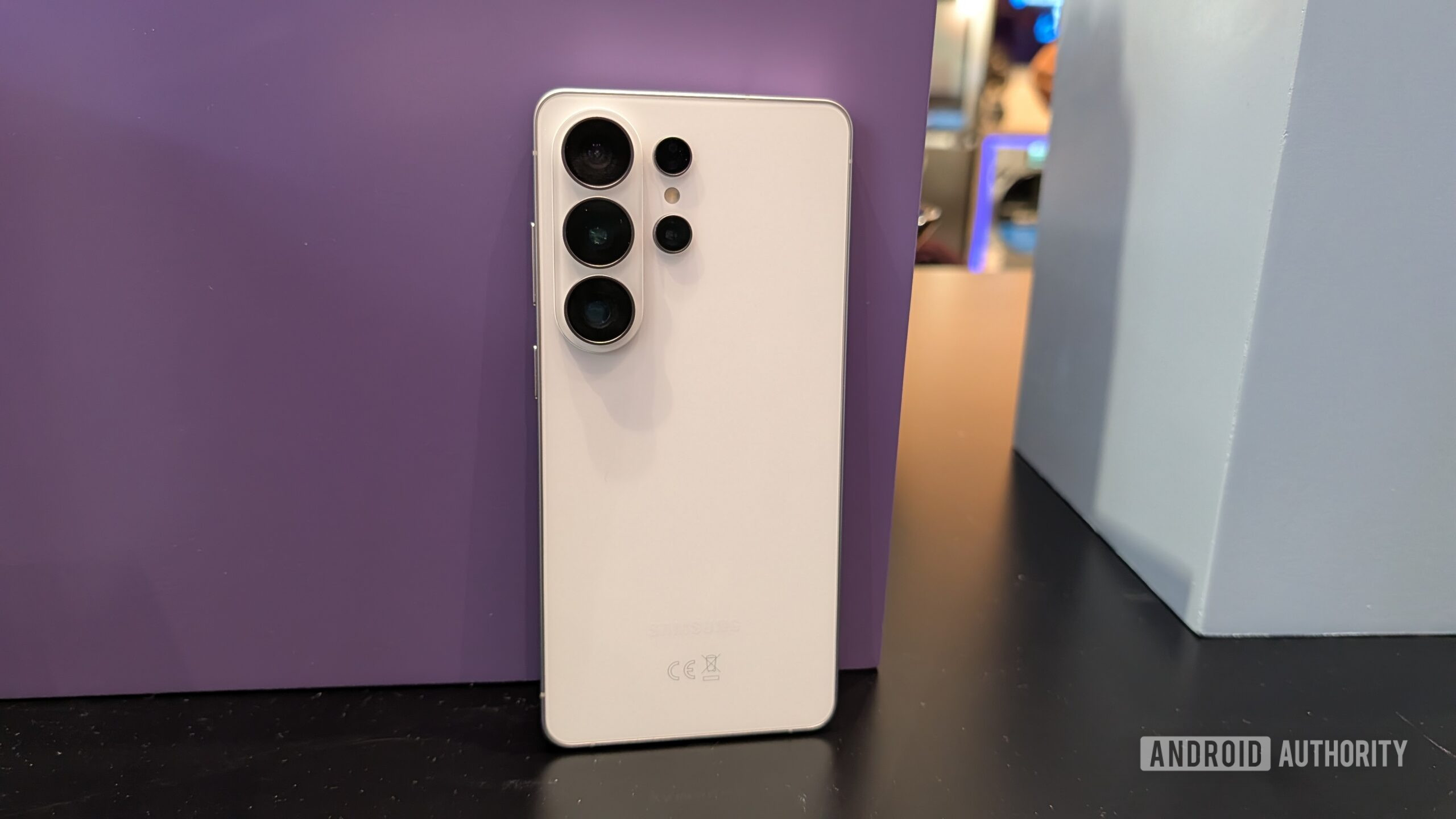
The debut of the Samsung Galaxy S26 series has arrived at a pivotal moment for the smartphone industry, a period defined by a shift in consumer expectations from raw hardware power toward integrated safety and ubiquitous connectivity. While the flagship Galaxy S26 Ultra has garnered attention for its sophisticated new privacy-oriented display technology, early critical reception of the broader lineup suggested a degree of hardware stagnation. However, Samsung has moved to silence critics and address a major point of consumer anxiety by formally detailing the robust satellite communication capabilities of the Galaxy S26 family. In a comprehensive disclosure, the South Korean tech giant confirmed that its latest devices will feature extensive non-terrestrial network (NTN) support across North America, Europe, and Japan, marking a significant leap forward in the democratization of satellite-based mobile services.
For years, the prospect of satellite connectivity in mainstream smartphones was relegated to the realm of niche, ruggedized devices or expensive add-ons. Samsung’s announcement clarifies that the Galaxy S26, Galaxy S26 Plus, and Galaxy S26 Ultra are no longer tethered solely to the terrestrial cell towers that dot the landscape. By leveraging a complex web of partnerships with global telecommunications providers and satellite operators, Samsung is positioning the S26 series as a reliable lifeline for users who find themselves beyond the reach of traditional 4G and 5G networks—whether they are hiking in remote national parks, sailing off the coast, or navigating the aftermath of a natural disaster that has crippled ground-based infrastructure.
In the United States, the implementation of these features represents a multi-faceted approach involving the nation’s three largest carriers. The most comprehensive service tier appears to stem from a high-profile collaboration with T-Mobile. Through the "T-Satellite" initiative, which is powered by SpaceX’s Starlink constellation, Galaxy S26 users on T-Mobile will have access to a suite of services that goes beyond simple emergency pings. This partnership is designed to support not only emergency SOS (T911) and basic text messaging but also limited data services. This represents a technical milestone; while early satellite-to-phone implementations were restricted to low-bandwidth text-only emergency signals, the integration with Starlink’s second-generation satellites allows for a more versatile connection. Furthermore, Samsung has confirmed that this life-saving technology will not be exclusive to its premium flagships, as select models within the more affordable Galaxy A series will also gain access to these satellite features, significantly broadening the safety net for the general public.
Verizon, the nation’s largest wireless provider by subscriber count, is also a key player in Samsung’s satellite ecosystem. Verizon customers utilizing the Galaxy S26 series, as well as those holding onto the previous Galaxy S25 generation, will be able to utilize enhanced emergency SOS (eSOS) and text messaging via satellite. This backward compatibility with the S25 series suggests that Samsung and Verizon have been working on the software and regulatory framework for this rollout for a considerable amount of time, ensuring that the transition to satellite-enabled mobility is as seamless as possible for their existing user base. Meanwhile, Samsung remains in active development with AT&T to finalize the integration of similar satellite-based features, ensuring that regardless of a user’s preferred carrier, the "dead zones" of the American wilderness are becoming a thing of the past.
The expansion into the European market highlights Samsung’s commitment to navigating a complex regulatory and technical landscape. The continent’s varied topography—from the dense forests of Central Europe to the remote highlands of the United Kingdom—makes it a prime candidate for satellite intervention. In the UK, Samsung has partnered with Virgin Media O2 to provide immediate satellite availability on select Galaxy smartphones. This partnership allows users to maintain a connection in the most rural corners of the British Isles where terrestrial signals are notoriously unreliable.
Further south, Samsung is preparing for a major trial in the Spanish market. In collaboration with MasOrange—the recently formed telecommunications powerhouse resulting from the merger of Orange Spain and MASMOVIL—Samsung will begin joint satellite communication trials in March. These trials are expected to stress-test the handoff between terrestrial and non-terrestrial networks in Spain’s diverse climate and terrain. Additionally, Samsung is working closely with Vodafone to bring satellite features to a broader European audience. Vodafone’s extensive footprint across the continent suggests that once the initial rollout phases are complete, Galaxy users from Germany to Italy could see a massive reduction in connectivity gaps.
In the East, Japan remains a critical theatre for Samsung’s satellite ambitions. Given Japan’s mountainous geography and its susceptibility to seismic activity, satellite communication is viewed not just as a luxury, but as a vital component of national disaster preparedness. Samsung has confirmed that the Galaxy S26 series will support satellite communication in the region, working within the framework of local telecommunications laws and infrastructure to ensure that users remain connected even when the nation’s advanced terrestrial networks are compromised.
The technical backbone of this initiative relies on the 3GPP Non-Terrestrial Network (NTN) standards, which allow smartphones to communicate directly with satellites in Low Earth Orbit (LEO). Unlike traditional satellite phones that required bulky external antennas, the Galaxy S26 utilizes its internal antenna array and advanced modem processing to bridge the gap to space. This requires sophisticated software to manage the high latency and Doppler shift associated with satellites moving at thousands of miles per hour overhead. Samsung’s "rolling phase" approach to the rollout is a pragmatic response to these challenges, as each region requires specific regulatory approvals and coordination with local spectrum holders to avoid interference with existing terrestrial signals.
Samsung’s strategy also hints at a broader vision for its ecosystem. The company noted that it is working with telecom operators to expand satellite support across various "Galaxy product categories." This suggests that in the near future, the safety and connectivity benefits currently seen in the S26 series could migrate to Galaxy Watches, tablets, and perhaps even laptops. For an athlete wearing a Galaxy Watch Ultra on a remote trail, the ability to send an emergency signal directly from the wrist via satellite could be a transformative selling point.
While the Galaxy S26 Ultra’s "Privacy Display"—a feature designed to limit viewing angles to prevent "visual hacking" or shoulder surfing—is a notable innovation for the corporate and privacy-conscious user, it is the satellite connectivity that serves as the series’ true foundational upgrade. In an era where hardware iterations often feel incremental, the ability to guarantee a connection to the world from anywhere on the planet is a profound shift in the utility of a smartphone.
The end goal, as stated by Samsung, is to create a world where "emergency assistance, messaging, and data services" are available regardless of the user’s proximity to a cell tower. By moving beyond the initial "emergency-only" phase of satellite tech and into the realm of messaging and data, Samsung is setting a new benchmark for the industry. As regulatory hurdles are cleared and more satellites are launched into orbit, the Galaxy S26 series will likely be remembered as the generation that finally turned the dream of the "always-connected" device into a global reality. This rollout not only enhances the value proposition of the S26 lineup but also reinforces Samsung’s position as a leader in mobile innovation, proving that even when the hardware design remains familiar, the capabilities within can still reach for the stars.