

The landscape of the Android operating system has historically been defined by its open-source philosophy, offering a level of transparency and user agency that stood in stark contrast to the closed ecosystems of its competitors. However, recent developments within the software laboratories of Samsung Electronics suggest a decisive shift away from these foundational principles. For years, Samsung’s Galaxy devices have been the preferred hardware for both general consumers and tech enthusiasts, but a series of aggressive modifications to the core system software indicates that the era of the "power user" may be drawing to a close. Following the controversial decision to restrict bootloader access, the South Korean technology giant has now moved to strip essential diagnostic and maintenance tools from the stock recovery environment in its latest software builds.
The first tremors of this shift were felt with the rollout of One UI 8, where reports confirmed that Samsung had effectively removed the "OEM Unlocking" toggle from the developer options menu. This single move carried profound implications for the device’s lifecycle and user sovereignty. By disabling the ability to unlock the bootloader, Samsung has essentially barred users from gaining administrative "root" access or installing third-party custom ROMs. For the enthusiast community, this represents a terminal blow to device longevity; without the ability to flash community-supported software, a device’s utility is strictly tethered to the official support window provided by the manufacturer. Once Samsung ceases official updates, the hardware—no matter how capable—becomes a legacy relic with no path for security patches or feature upgrades.
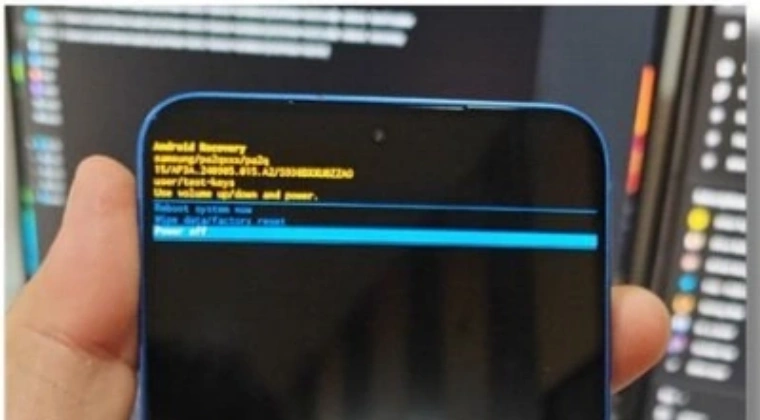
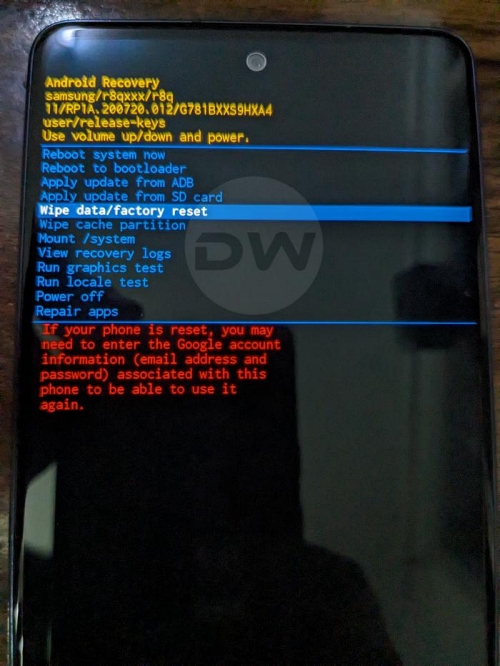
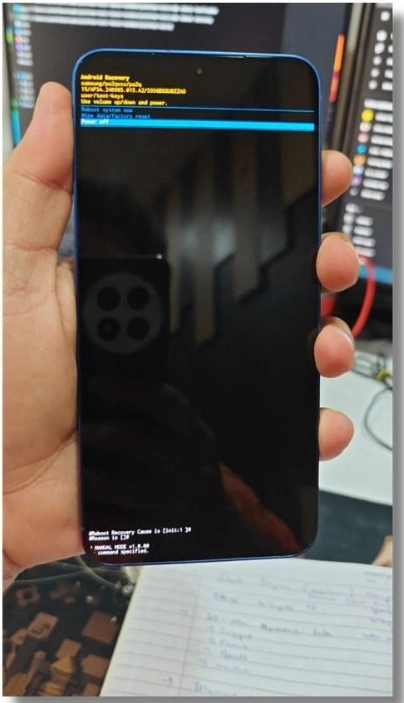
Building upon this restrictive momentum, the latest reports surrounding One UI 8.5 Beta 6 reveal an even more granular dismantling of user-accessible system tools. The stock recovery mode, a pre-boot environment used for emergency maintenance and system updates, has seen a significant reduction in functionality. Specifically, Samsung has removed the "Wipe Cache Partition" and "ADB Sideload" options, alongside several diagnostic tests such as "Run Graphics Test" and "Run Local Test." While the removal of niche diagnostic tools may go unnoticed by the average consumer, the absence of the cache-clearing and sideloading capabilities marks a significant departure from standard Android troubleshooting protocols.
The "Wipe Cache Partition" tool has long been a staple recommendation for users experiencing post-update system lag or battery drain. Unlike a factory reset, which erases all user data, clearing the system cache is a non-destructive process that removes temporary files that may conflict with new software versions. By removing this option, Samsung forces users into a binary choice when facing performance issues: either endure the diminished system stability or perform a full factory reset, the latter of which involves the arduous task of backing up and restoring hundreds of gigabytes of personal data. This move suggests a shift toward a "black box" philosophy, where the user is no longer trusted to perform even basic maintenance on their own hardware.
Equally concerning is the removal of the "Apply Update from ADB" and "Apply Update from SD Card" functionalities. These features provided a vital bypass for the staged rollout of Over-The-Air (OTA) updates. In the Android ecosystem, software updates are typically distributed in waves based on region and carrier, often resulting in weeks of delay for certain users. Through ADB (Android Debug Bridge) sideloading, users could manually install official update packages as soon as they were captured and shared by the community. This was not merely a matter of impatience; it was a critical tool for security-conscious users who wished to patch vulnerabilities immediately rather than waiting for their specific carrier to approve a release. By shuttering these avenues, Samsung centralizes all software distribution, ensuring that users can only interact with the system on the manufacturer’s specific timeline.

This trend toward a more restricted environment is not unique to Samsung, though they are currently pursuing it with the most vigor. The broader industry appears to be converging on a model of "software as a service," where the hardware is a vessel for proprietary, locked-down code. Xiaomi recently introduced significant hurdles to bootloader unlocking within its HyperOS, requiring users to reach specific community account levels and endure mandatory waiting periods. Similarly, OnePlus has implemented more stringent requirements for its "Deep Testing" protocols in certain markets, making it increasingly difficult for users to deviate from the stock software experience. However, Samsung’s decision to gut the recovery environment is perceived as more radical because it impacts even those users who have no intention of rooting their devices but simply wish to maintain them.
The technical hurdles for Samsung users are further complicated by the company’s proprietary security architecture, known as Samsung Knox. On older devices where bootloader unlocking remains an option, the process triggers a physical "e-fuse" within the chipset. Once this fuse is blown, the Knox status is permanently altered, a change that cannot be reversed even if the user relocks the bootloader and returns to factory software. This "tripping" of Knox results in the permanent loss of high-security features, including Samsung Pay, Samsung Pass, and Secure Folder, and often degrades the Widevine DRM level, preventing high-definition streaming on platforms like Netflix. In the context of the new restrictions in One UI 8.5, users are caught in a technological pincer movement: they cannot easily maintain their system through the stock recovery, and they cannot move to a custom recovery without permanently devaluing their hardware and losing essential features.
Critics of these changes argue that Samsung is moving toward a "walled garden" ecosystem similar to that of Apple’s iOS. While this model offers benefits in terms of security and a unified user experience, it fundamentally alters the value proposition of Android. The strength of the Android platform has always been its versatility and the sense of ownership it afforded the user. When a consumer purchases a high-end flagship device, there is an implicit understanding that they own the hardware. By systematically removing the tools required to manage that hardware, Samsung is shifting the relationship from one of ownership to one of licensing.
There remains a marginal possibility that the missing features in One UI 8.5 Beta 6 are the result of a software bug or a temporary omission during the transition to a new system architecture. As a beta build, the software is by definition a work in progress. However, industry analysts and veteran enthusiasts remain skeptical of this "bug" theory. The removal of these specific options aligns too closely with the documented removal of OEM Unlocking in the previous version. It appears to be a calculated, multi-stage rollout of a new corporate policy aimed at reducing the complexity of customer support by limiting the ways in which a user can "interfere" with the system software.
For the global community of Android developers and enthusiasts, these developments are a call to action. The frustration voiced in online forums and technical communities reflects a growing sense of alienation. If the largest manufacturer of Android devices continues to lead the way in closing off the system, it may set a precedent that other OEMs will feel emboldened to follow. The "silver lining" in this situation would be a significant enough pushback from the consumer base to force a reassessment of these policies. However, as the industry moves toward a future defined by AI integration and deeper cloud dependency, the window for local user control is rapidly closing. Samsung’s latest software iterations may well be remembered as the point where the "open" in Android became a legacy term rather than a functional reality.