

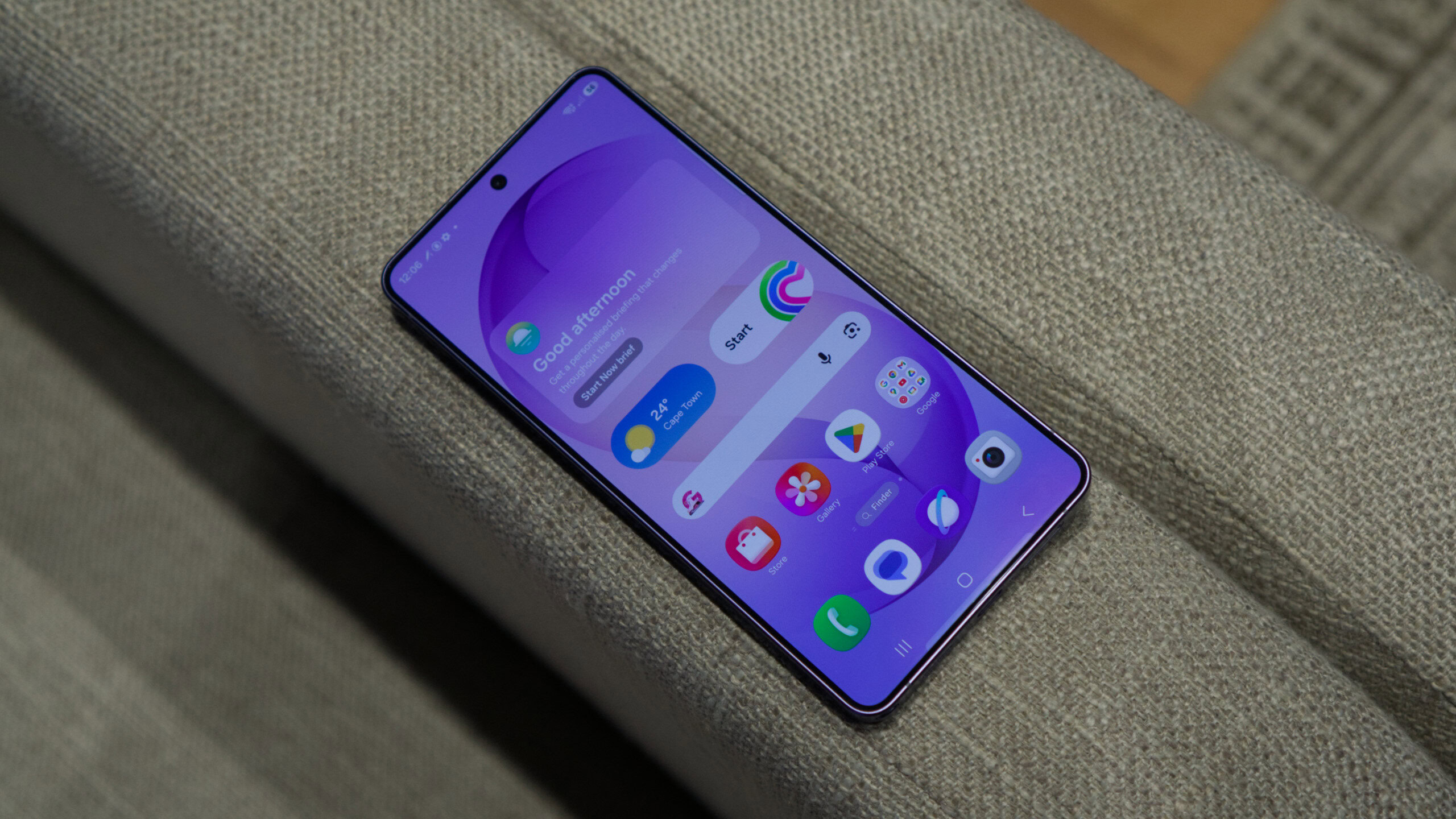
The global smartphone market of 2026 is witnessing a fascinating divergence in philosophy between the industry’s most prominent players. As the annual Mobile World Congress approaches, Samsung has once again asserted its dominance by unveiling the Galaxy S26 Ultra, a device that signals a shift away from incremental updates toward meaningful hardware and software refinement. While the flagship landscape is increasingly crowded with high-performance alternatives like the OnePlus 15, which offers a compelling hardware proposition at a significantly lower price point, the Galaxy S26 Ultra distinguishes itself through a series of specialized innovations that prioritize user privacy, professional-grade optics, and long-term ecosystem integration. The choice between these two titans—one a $1,299 premium powerhouse and the other an $899 "flagship killer"—reveals a deeper story about what modern consumers value in a mobile workstation.
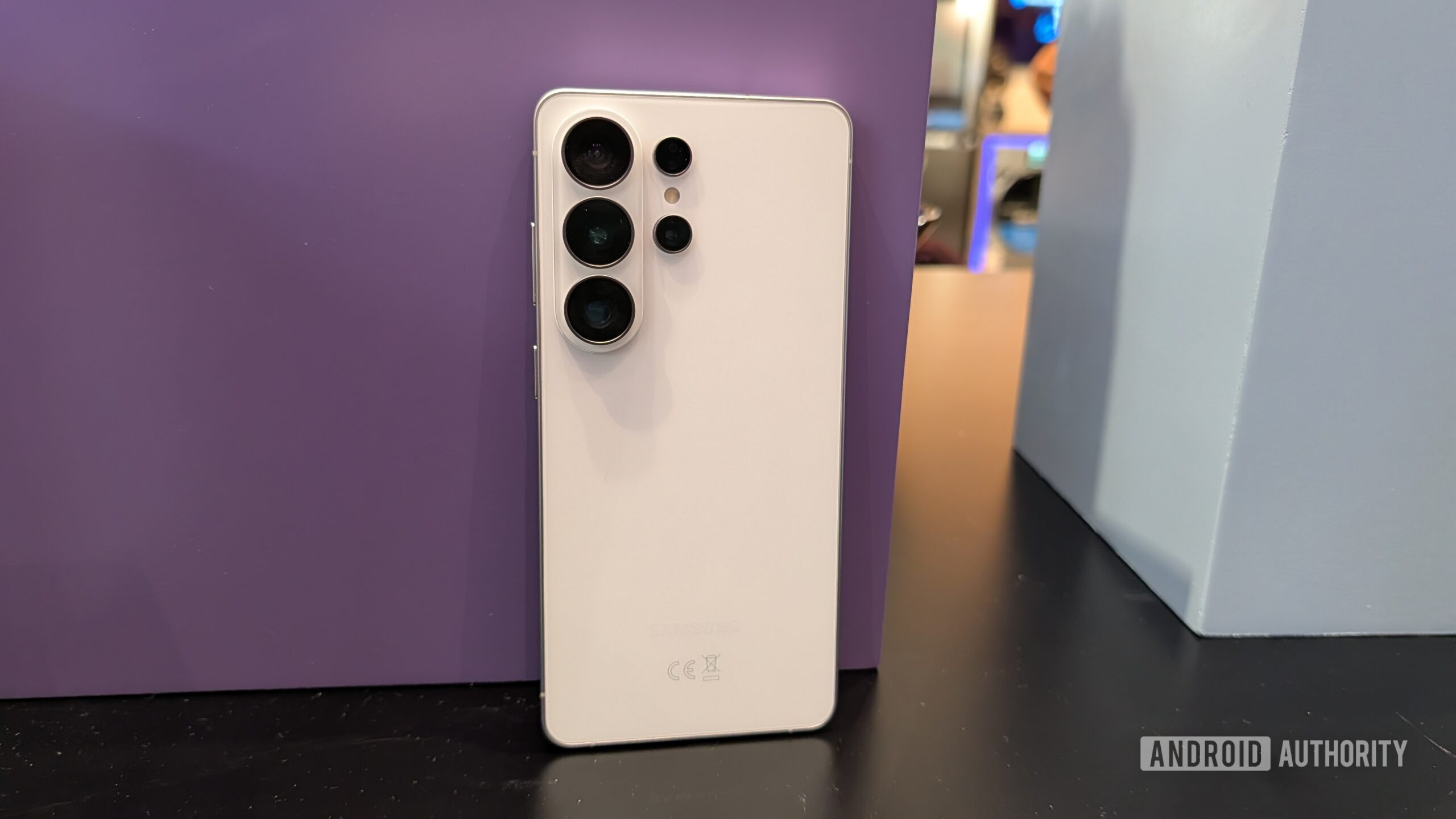
One of the most immediate and tangible improvements in the Galaxy S26 Ultra is the radical redesign of its physical architecture. For several generations, Samsung’s "Ultra" series was criticized for its imposing, boxy dimensions and sharp corners that often proved fatiguing during extended use. The S26 Ultra addresses these ergonomic concerns by introducing a more "human-centric" design language. While maintaining the sophisticated industrial aesthetic the brand is known for, the device now features significantly rounded top and bottom corners, creating a softer silhouette that fits more naturally in the palm. Perhaps more impressively, Samsung has achieved a record-breaking thickness of just 7.9mm. To reach this level of slimness without compromising structural integrity, the company transitioned from titanium back to high-grade aluminum rails. This material shift, combined with internal component miniaturization, has reduced the weight to a manageable 214g. For a device with a massive 6.9-inch footprint, this reduction in bulk transforms the phone from a cumbersome slate into a refined tool that disappears more easily into a pocket.
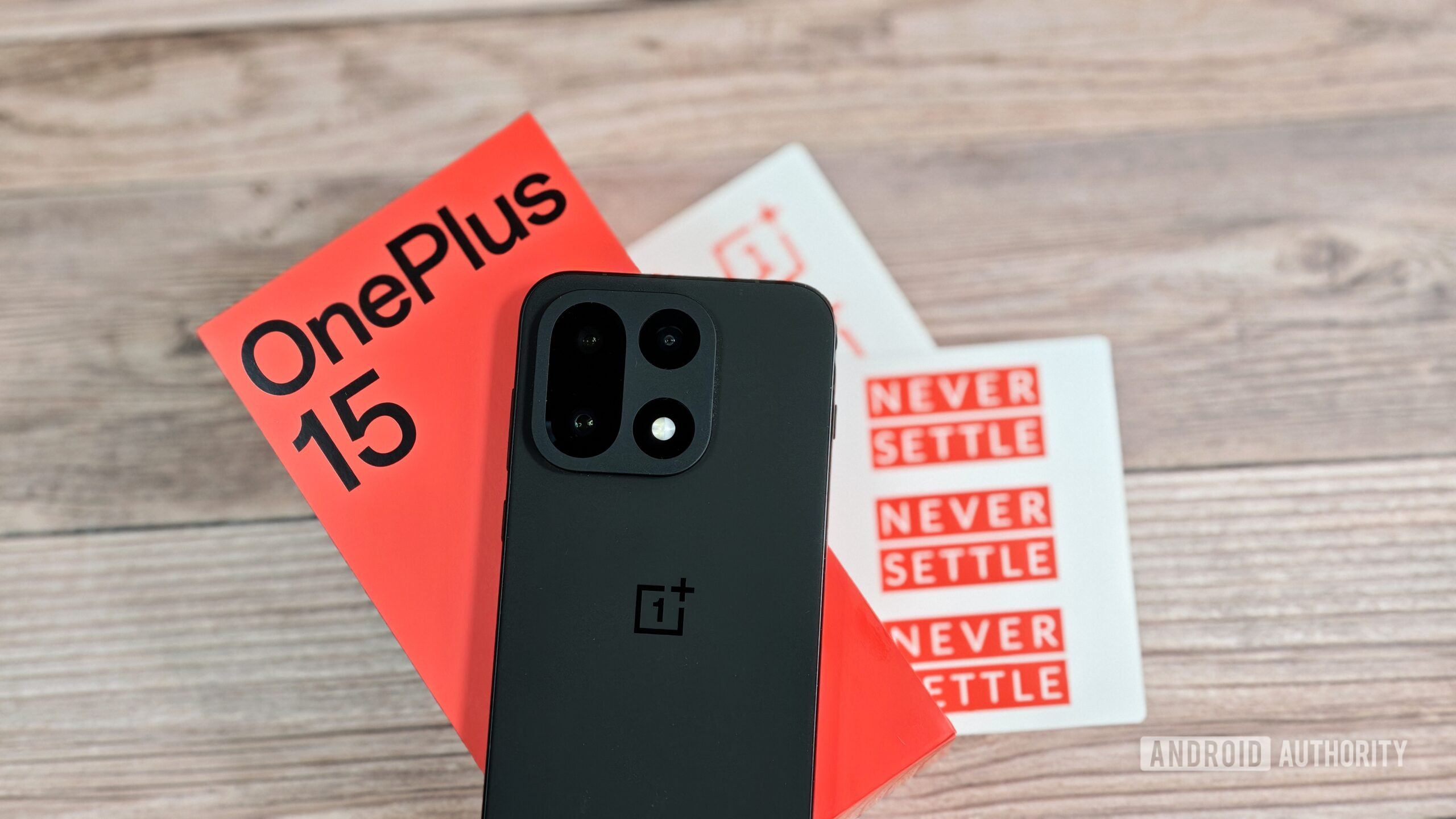
In contrast, OnePlus has taken a different approach with the OnePlus 15, moving toward a more generic, flat-edged design that lacks the ergonomic nuance of its predecessor, the OnePlus 13. At 8.1mm thick and featuring a dense, slab-like feel, the OnePlus 15 lacks the sophisticated weight distribution found in the Samsung flagship. While the OnePlus remains a well-built device, the refined hand-feel of the S26 Ultra gives Samsung a clear victory in the category of premium industrial design.
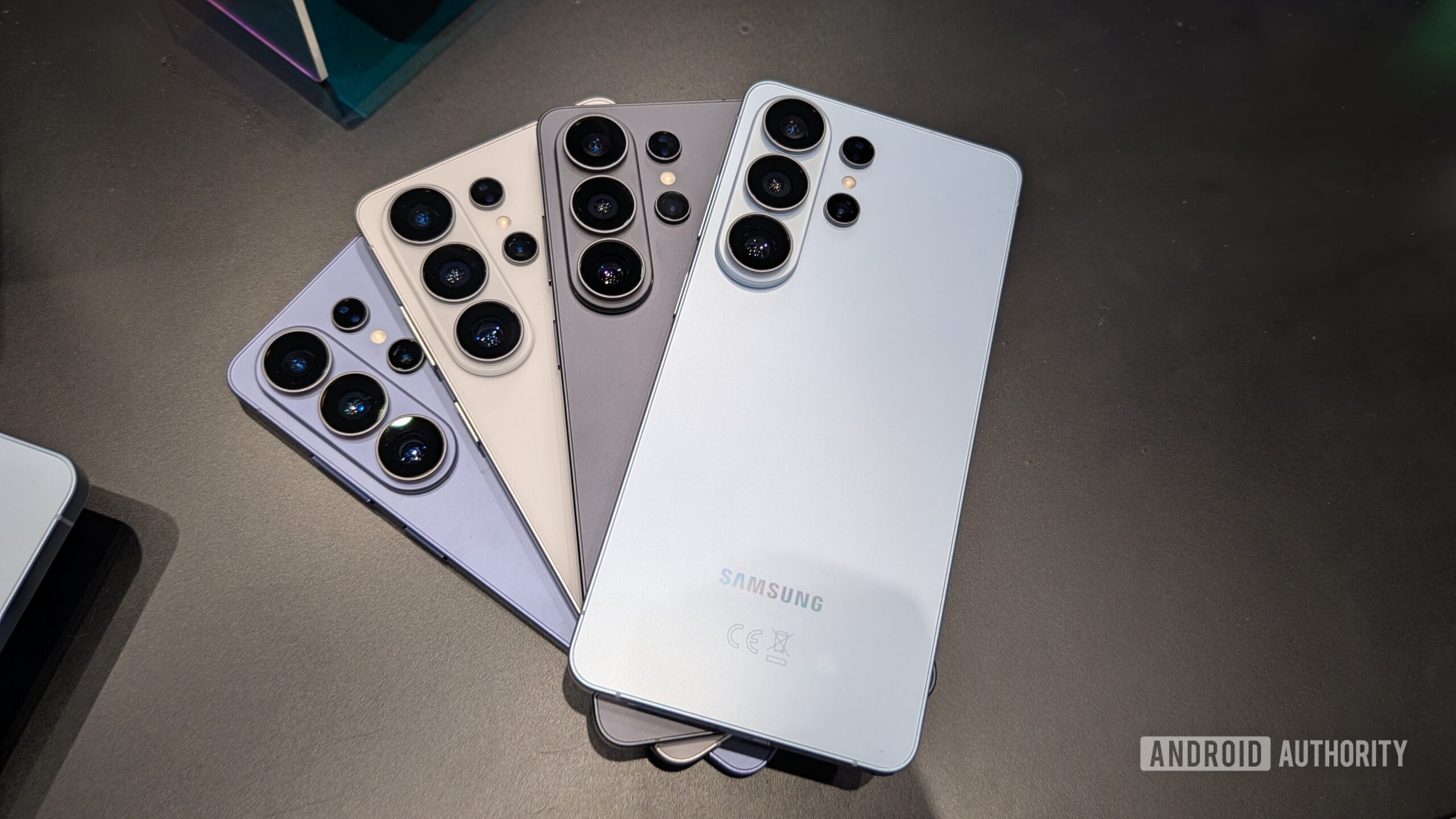
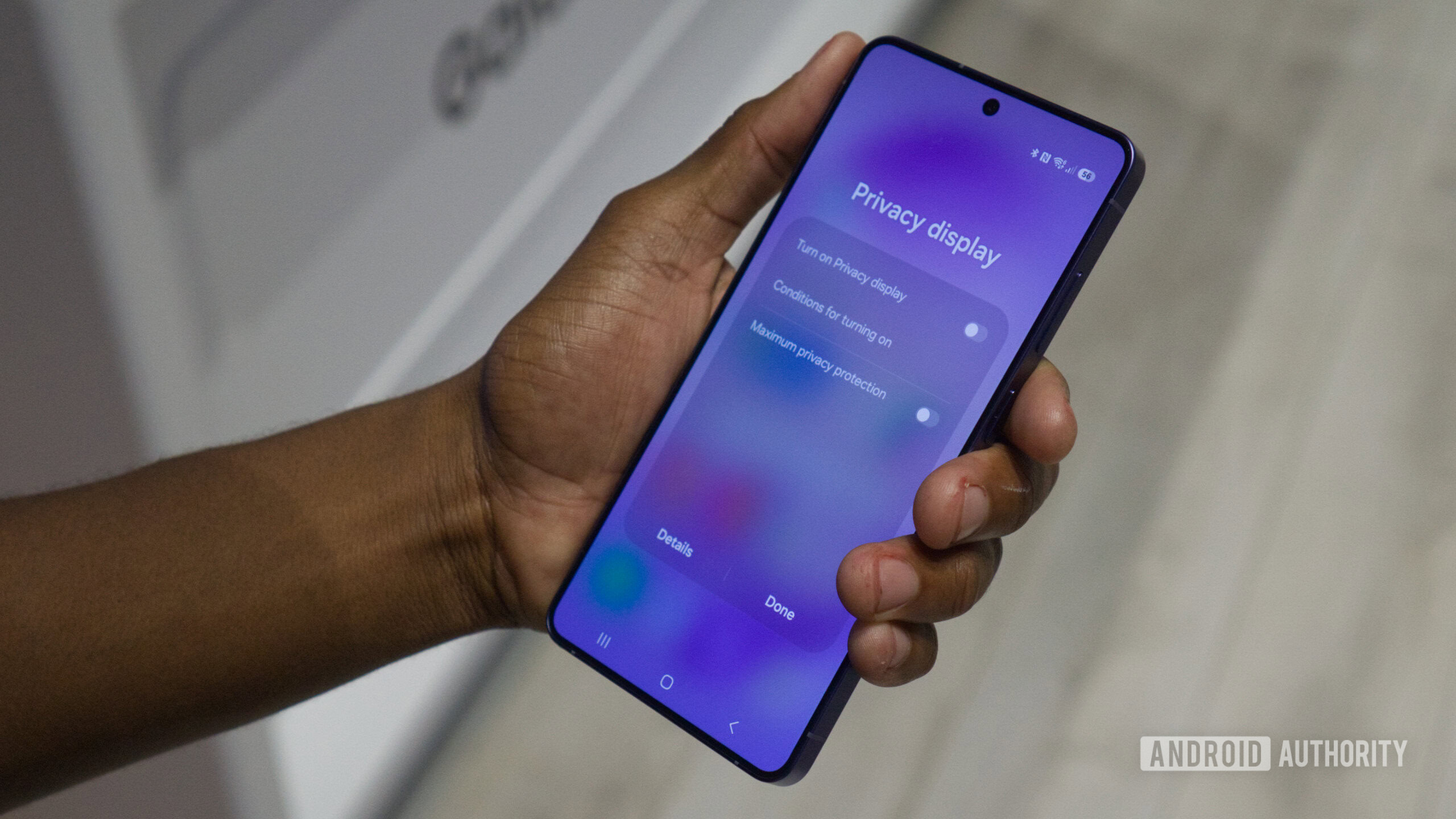
The display technology of 2026 has become a primary battleground for these manufacturers, and here the Galaxy S26 Ultra introduces a feature that could set a new industry standard. Samsung has equipped the device with a 6.9-inch "mDNIe" (mobile Digital Natural Image engine) 10-bit panel. This hardware represents a quantum leap in mobile cinematography, offering four times the color output of previous generations. However, the most revolutionary addition is the hardware-based privacy layer. In an era where digital privacy is a paramount concern, this integrated filter allows users to narrow the viewing angles of the screen at the touch of a button, ensuring that sensitive notifications or personal data remain invisible to prying eyes in public spaces. This is a sophisticated marriage of security and display tech that goes far beyond software-based solutions. Furthermore, the S26 Ultra continues to lead in outdoor visibility with a peak brightness of 2,600 nits and an industry-leading anti-glare coating that virtually eliminates distracting reflections.
OnePlus, conversely, has prioritized raw speed over privacy and pixel density. The OnePlus 15 features a 165Hz LTPO AMOLED display, a figure that will undoubtedly appeal to the competitive gaming community. To achieve this blistering refresh rate, however, OnePlus was forced to reduce the screen resolution from 2K to 1.5K. While 165Hz provides a marginally smoother experience in supported gaming titles, for the average user, the S26 Ultra’s superior color accuracy, higher resolution, and innovative privacy features offer a more versatile and practical daily experience.
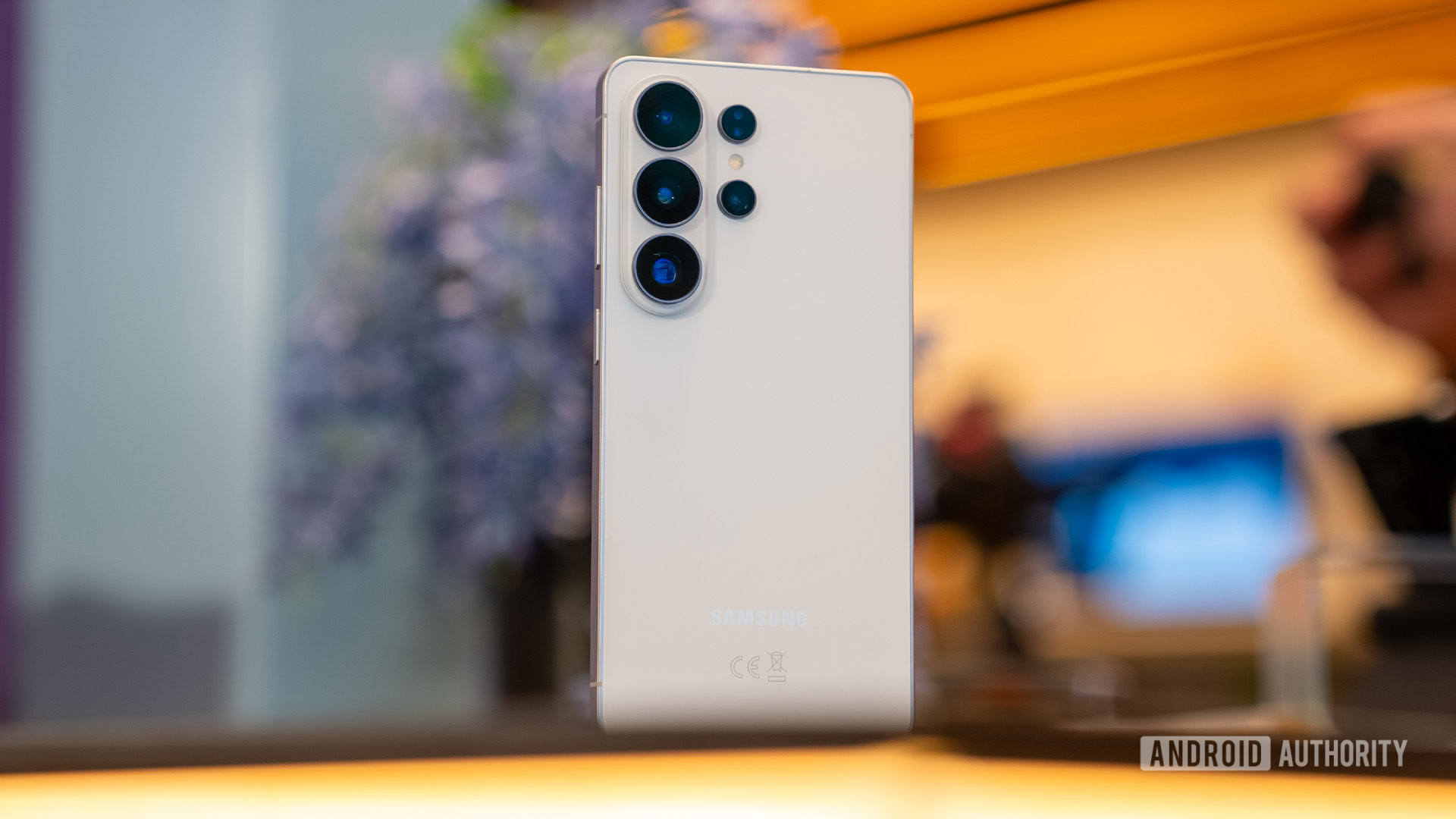
Photography remains the most scrutinized aspect of any flagship, and the Galaxy S26 Ultra aims to resolve long-standing criticisms of Samsung’s image processing. Rather than relying solely on AI to sharpen images, Samsung has upgraded the 200MP main sensor with a significantly wider f/1.4 aperture. This hardware improvement allows 47% more light to hit the sensor, directly addressing the shutter lag and indoor motion blur that have historically frustrated Samsung users. The telephoto capabilities have also seen a boost, with improved optics on the 50MP 5x zoom lens, providing cleaner details at higher magnifications. Video enthusiasts are also treated to "Horizon Lock," a feature that utilizes the phone’s gyro and accelerometer data to keep footage perfectly level, even during a 360-degree rotation. This brings GoPro-level stabilization to a mainstream smartphone, making it a formidable tool for content creators.
The OnePlus 15, while a competent shooter, feels more conservative in its photographic ambitions. Following the end of the high-profile Hasselblad partnership, the new "DetailMax" engine has struggled to maintain the unique color science and character that previously defined the brand. Reviewers have noted inconsistencies in color reproduction between the various lenses and a noticeable drop-off in detail once the digital zoom exceeds 30x. While the OnePlus 15 is more than capable for social media use, it lacks the professional-grade versatility and hardware depth of the S26 Ultra.
Artificial Intelligence has moved from a buzzword to a core functional pillar in 2026, and Samsung is leading the charge with what it calls "Agentic AI." Unlike previous iterations that required manual input, the AI on the S26 Ultra is designed to be proactive. Features like "Now Nudge" analyze your calendar and context to suggest intelligent replies, while "Screenshot Analyzer" uses machine learning to automatically categorize and tag your gallery for instant retrieval. The device can even anticipate logistical needs, such as suggesting an Uber booking based on an upcoming meeting in your schedule. While some of these features mirror Google’s Pixel ecosystem, Samsung’s deep integration into its own hardware allows for a more seamless experience. OnePlus offers its own suite of AI tools, but they often feel like secondary additions rather than a cohesive, system-level philosophy.
Longevity and software support are perhaps the strongest arguments for the Samsung premium. The Galaxy S26 Ultra comes with a commitment to seven years of full operating system and security updates. This means a device purchased today will remain current until 2033, receiving Android 23. This level of support significantly enhances the resale value and environmental sustainability of the device. OnePlus has made strides by offering six years of security updates, but it typically caps major OS versions at four, leaving users behind as Android evolves in the late 2020s. Furthermore, the S26 Ultra remains the only viable choice for users who rely on a stylus. The integrated S Pen has been subtly redesigned to sit perfectly flush with the new 7.9mm frame, remaining an unmatched tool for digital artists, students, and professionals who need to sign documents or take handwritten notes on the fly.
Despite the S26 Ultra’s technical superiority, the OnePlus 15 remains a formidable contender for a specific subset of users. With its massive 7,300mAh silicon-carbon battery and 120W SuperVOOC charging, the OnePlus 15 is a battery endurance champion, capable of lasting two full days on a single charge and refueling in a fraction of the time it takes the Samsung. For the pragmatic consumer who prioritizes power, gaming performance, and value over ecosystem polish and specialized camera features, the $400 savings offered by OnePlus is difficult to ignore.
Ultimately, the Galaxy S26 Ultra represents the pinnacle of the "do-everything" smartphone. By refining the ergonomics, revolutionizing display privacy, and doubling down on raw camera hardware, Samsung has justified its premium price tag for those who view their phone as a primary productivity and creative tool. While the OnePlus 15 wins on value and battery metrics, the Galaxy S26 Ultra wins on the "Ultra" promise: providing a uncompromising, future-proof experience that anticipates the needs of the user long before they even realize them.