

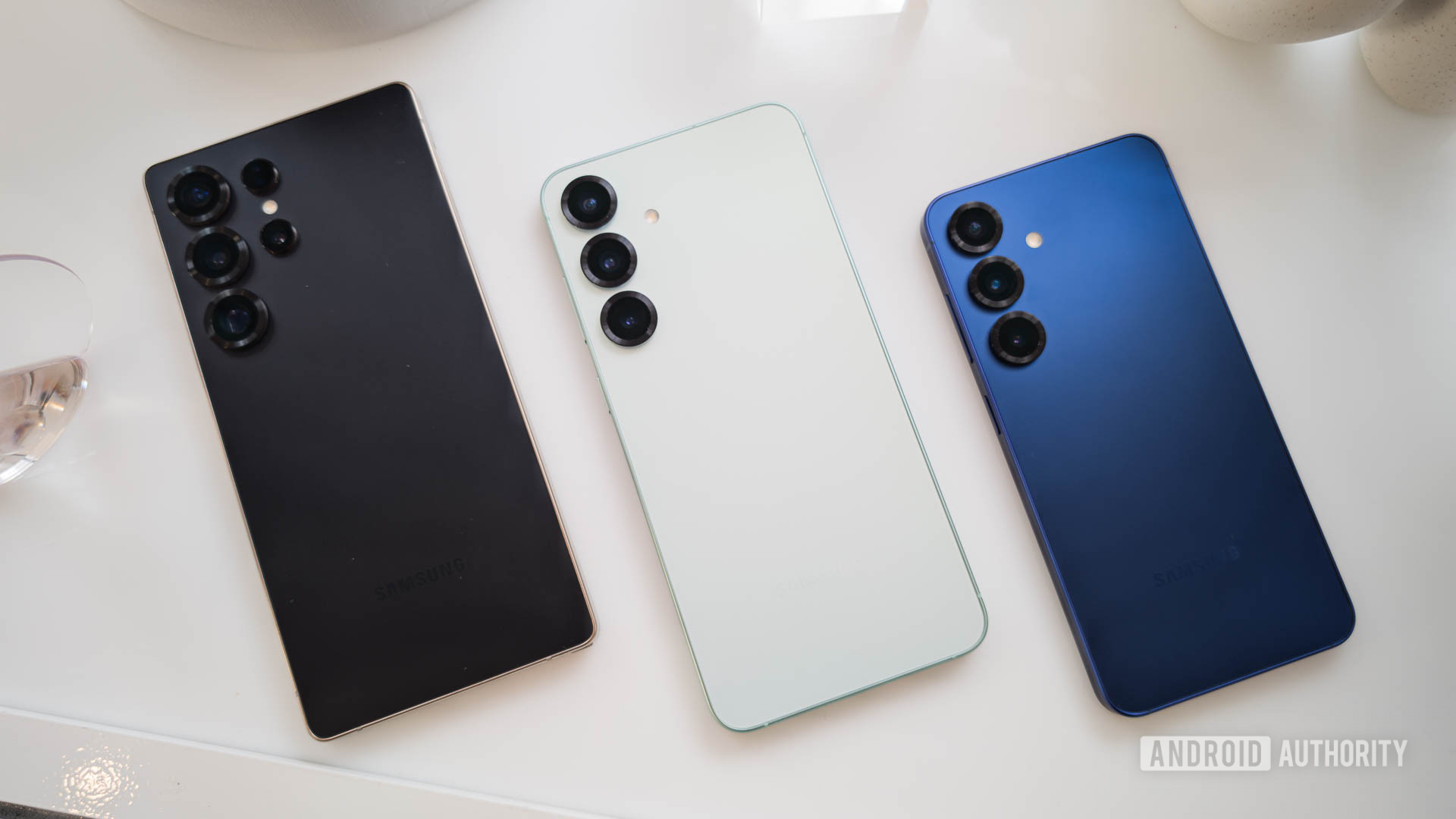
As the global technology community prepares for the annual unveiling of Samsung’s flagship mobile hardware, the rumor mill has shifted into high gear, providing a detailed look at the financial landscape consumers can expect to navigate. With the Samsung Galaxy S26 series appearing on the horizon, the latest intelligence suggests a complex pricing strategy that reflects both the escalating costs of high-end manufacturing and Samsung’s desire to maintain its dominance in the premium smartphone sector. Recent leaks originating from reputable sources in the European market have shed light on the projected retail costs for the upcoming lineup, revealing a mixture of stability for the top-tier "Ultra" model and notable price increases for the standard and Plus variants.
The most recent data, brought to light by the French outlet Dealabs, offers a comprehensive breakdown of the pricing structure for the French market. Historically, French pricing serves as a reliable barometer for the broader Eurozone, encompassing major markets such as Germany, Italy, and Spain. According to these findings, the Galaxy S26 series will likely debut with a higher entry price than its predecessor, driven largely by the apparent elimination of lower-tier storage configurations and the rising costs of internal components.
For the base Galaxy S26 model, the leaked figures indicate a starting price of €999 for the 256GB variant. This represents a subtle but significant shift in Samsung’s entry-level strategy. In previous years, the standard flagship was often available in a 128GB configuration, allowing for a more accessible "buy-in" price. The absence of a 128GB model in these leaks suggests that Samsung may be following a trend set by other industry leaders, moving toward a 256GB baseline to accommodate the increasing storage demands of high-resolution photography, 8K video recording, and expansive mobile applications. However, this shift comes at a cost; the €999 price tag is approximately €40 higher than the launch price of the 256GB Galaxy S25. For consumers who previously opted for the cheapest possible entry point into the S-series, the effective price hike may feel even steeper without the 128GB option.
The Galaxy S26 Plus appears to be facing an even more substantial upward adjustment. The leaks suggest a starting price of €1,269 for the 256GB model. When compared to the Galaxy S25 Plus, which entered the market at €1,169, this represents a €100 increase. Such a jump is rarely seen between consecutive generations without a major hardware overhaul. This pricing suggests that the "Plus" model may be receiving significant internal upgrades—perhaps in the form of enhanced display technology, a larger battery, or more robust cooling systems—to justify its closer proximity to the Ultra’s price bracket. Alternatively, it may reflect the sheer economic pressure of the current semiconductor market, where the cost of procuring top-of-the-line processors and high-speed memory has reached unprecedented levels.
Interestingly, the "good news" in this leak pertains to the most expensive device in the family. The Galaxy S26 Ultra, Samsung’s "everything and the kitchen sink" flagship, is projected to start at €1,469 for the 256GB model. This figure aligns perfectly with the launch price of the Galaxy S25 Ultra, suggesting that Samsung is making a concerted effort to hold the line on its most premium offering. For the power users who demand the 512GB or 1TB versions, the prices are expected to reach €1,669 and €1,969, respectively. By keeping the Ultra’s price stable, Samsung may be attempting to prevent "flagship fatigue" among its most loyal customers, ensuring that the jump to the Ultra remains a viable, if expensive, aspiration.
To understand why these price increases are occurring, one must look at the broader economic and industrial context currently shaping the smartphone world. The mobile industry is currently grappling with what analysts have termed a "RAM crisis." As artificial intelligence becomes the focal point of the modern smartphone experience, the hardware requirements for on-device AI processing have skyrocketed. Samsung’s "Galaxy AI" suite requires significant amounts of high-speed Random Access Memory (RAM) to function smoothly without relying entirely on the cloud. The cost of LPDDR5X and the upcoming LPDDR6 memory modules has risen due to supply chain constraints and increased demand across the automotive and computing sectors. Consequently, the "silicon tax" on manufacturers is higher than ever.
Furthermore, the heart of the Galaxy S26 series—expected to be a next-generation chipset from either Qualcomm or Samsung’s own Exynos division—carries a premium price tag. Qualcomm’s flagship Snapdragon processors have seen consistent price increases as they move toward more advanced 3-nanometer and 2-nanometer manufacturing processes. These chips are not only faster but are designed with dedicated neural processing units (NPUs) specifically for AI tasks. For Samsung to deliver the "intelligent" features it promises, it must pay the high entry fee for this cutting-edge silicon.
The decision to potentially phase out the 128GB storage tier is also a strategic move influenced by consumer behavior. In an era where a single high-fidelity mobile game can occupy 30GB and a few minutes of 4K video can take up several gigabytes, 128GB is increasingly viewed as insufficient for a premium device intended to last four to five years. By standardizing 256GB as the baseline, Samsung ensures a better long-term user experience, even if the initial cost of entry is higher. This move also simplifies the manufacturing and logistics chain, allowing the company to focus on high-margin configurations.
From a competitive standpoint, Samsung’s pricing strategy is a calculated gamble against its primary rival, Apple. With the iPhone 16 and the anticipated iPhone 17 series also facing inflationary pressures, Samsung is likely betting that its technological advantages—such as superior zoom capabilities in the Ultra, integrated stylus support, and a more mature foldable ecosystem—will allow it to maintain its market share despite the higher prices of its standard and Plus models. The stability of the Ultra’s price is particularly clever, as it positions the device as a "consistent" value proposition for those already spending at the top of the market.
However, the price hikes for the base and Plus models could create a vacuum in the "sub-€1,000" flagship market, an area where brands like Google with its Pixel series or Chinese manufacturers like Xiaomi and OnePlus are eager to expand. If the Galaxy S26 starts at €999, it moves further away from the "affordable flagship" category, potentially pushing budget-conscious enthusiasts toward the Galaxy A-series or older S-series models.
As the official launch event approaches, these leaked figures provide a sobering look at the reality of the 2026 smartphone market. While the "Ultra" remains a beacon of stability for the elite user, the average consumer may need to dig a little deeper into their pockets to secure the latest Samsung technology. The trade-off for these higher prices is expected to be a device that is more capable, more intelligent, and better equipped for the future of mobile computing. Whether the added value of enhanced AI and larger base storage will be enough to satisfy consumers remains to be seen, but one thing is clear: the era of the sub-€900 flagship from major manufacturers is rapidly drawing to a close. Samsung is clearly positioning the Galaxy S26 series not just as a collection of phones, but as a premium investment in the next generation of personal technology.