

The landscape of Android customization has undergone a dramatic transformation over the last decade, evolving from a Wild West of experimental kernels to a highly sophisticated, albeit increasingly restricted, ecosystem. For years, Samsung’s flagship S-series devices stood at the pinnacle of this movement, serving as the primary canvas for developers seeking to push the boundaries of mobile hardware. However, a combination of stringent security protocols, proprietary software entanglements, and shifting corporate policies has significantly thinned the ranks of available custom firmware. In a move that signals a defiant resurgence for the modding community, the Galaxy S24 Ultra has officially received support for the DerpFest ROM, marking a pivotal moment for enthusiasts who refuse to be confined by factory software limitations.
To understand the significance of this release, one must look at the mounting obstacles that have historically plagued the Samsung modding scene. In recent years, the introduction of Google’s Play Integrity API has created a formidable barrier for custom ROM users. This security framework, designed to ensure that a device’s software environment is untampered with, often breaks essential functionality in banking applications, digital wallets, and high-security enterprise software when a bootloader is unlocked. Beyond these software-level hurdles, Samsung itself has introduced more direct impediments. Reports from the developer community indicate that beginning with the upcoming One UI 8 update, Samsung has taken the drastic step of removing the "OEM Unlock" toggle from the developer settings menu. This toggle is the literal key to the kingdom; without it, the bootloader remains permanently locked, rendering the installation of custom recoveries or third-party operating systems an impossibility.
Fortunately for the current generation of power users, the Galaxy S24 Ultra occupies a unique temporal window. Having launched prior to the rollout of One UI 8, the device currently retains the necessary hooks for bootloader modification, provided the hardware belongs to the international or non-US Snapdragon variants. While US-based models, often bound by carrier-specific restrictions and locked bootloaders, remain largely outside the reach of these modifications, the global enthusiast community has found a rare opportunity to exert full control over the S24 Ultra’s formidable hardware.
The arrival of DerpFest on the Galaxy S24 Ultra is not an isolated event but rather the latest achievement by XDA Senior Member kevte89. A prominent figure in the contemporary development scene, kevte89 has been instrumental in keeping the spirit of the Android Open Source Project (AOSP) alive on Samsung’s latest premium hardware. This release follows closely on the heels of his successful port of Evolution X, another heavyweight in the custom ROM world. By introducing DerpFest, the developer has provided users with a second robust alternative to Samsung’s native One UI, effectively doubling the high-quality options available for those looking to "de-Samsung" their experience.
DerpFest is widely regarded within the community as a "best-of-both-worlds" firmware. It manages to strike a delicate balance between the minimalist, fluid aesthetic of Google’s Pixel UI and a deep, granular suite of customization options that far exceed what is available on stock Android. For the Galaxy S24 Ultra user, this means trading the feature-heavy, often polarizing design language of One UI for a cleaner, more responsive interface. While One UI 6 and 7 have made great strides in performance, they still carry the weight of Samsung’s extensive ecosystem services—features that many purists consider "bloatware." DerpFest strips away these redundancies, offering a lean environment that allows the Snapdragon 8 Gen 3 processor to operate with unfettered efficiency.

The current iteration of DerpFest for the S24 Ultra is built upon the Android 15 framework, ensuring that users are at the absolute cutting edge of the Android version cycle. Beyond the core OS features, the ROM integrates the latest security patches, addressing vulnerabilities that are often patched at a slower cadence by traditional manufacturers. This focus on security is a cornerstone of the DerpFest philosophy, aiming to prove that an open bootloader does not necessarily equate to a compromised device, provided the user remains vigilant and the firmware is maintained by dedicated contributors.
The transition from a stock experience to a custom ROM like DerpFest is a journey that requires both technical diligence and a healthy respect for the risks involved. The process begins with the unlocking of the bootloader, a procedure that, on Samsung devices, triggers the "Knox" security bit. Once this bit is tripped, it is a permanent physical change to the logic board; certain Samsung-proprietary features, such as Samsung Pay and Secure Folder, may become permanently inaccessible even if the device is later returned to stock software. This "point of no return" is the price of admission for the freedom offered by AOSP-based firmware.
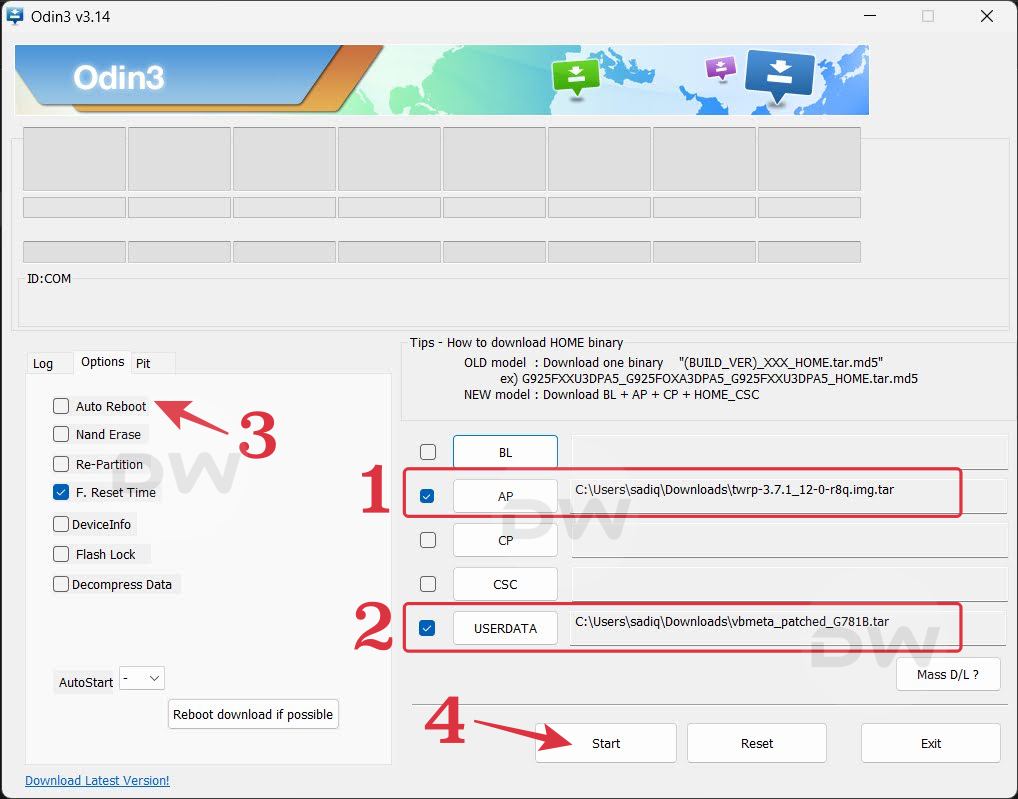
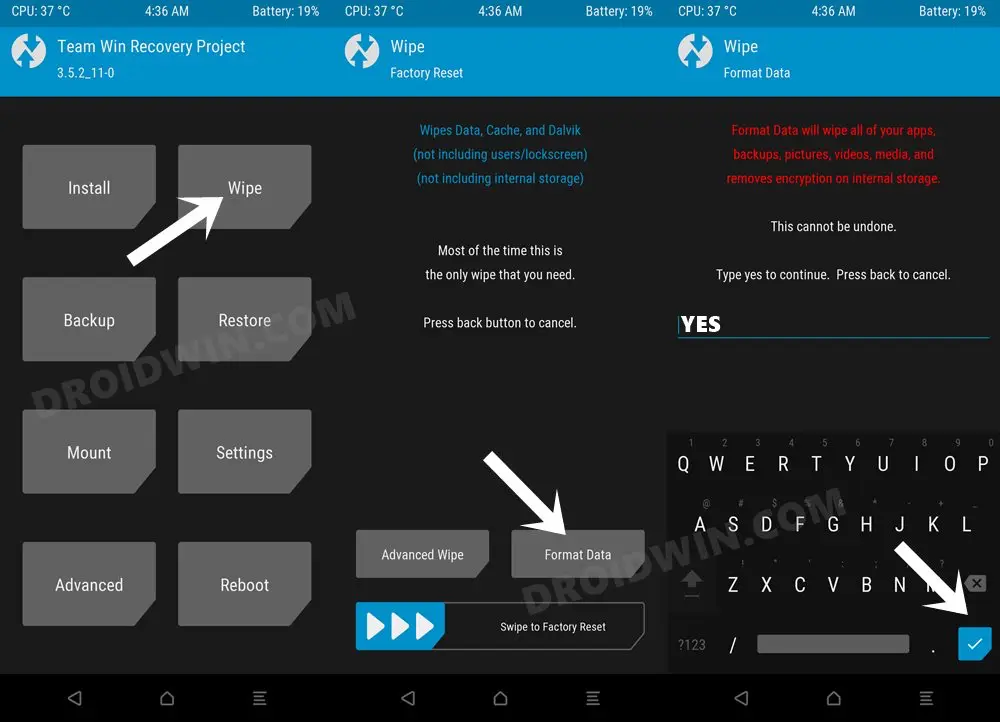
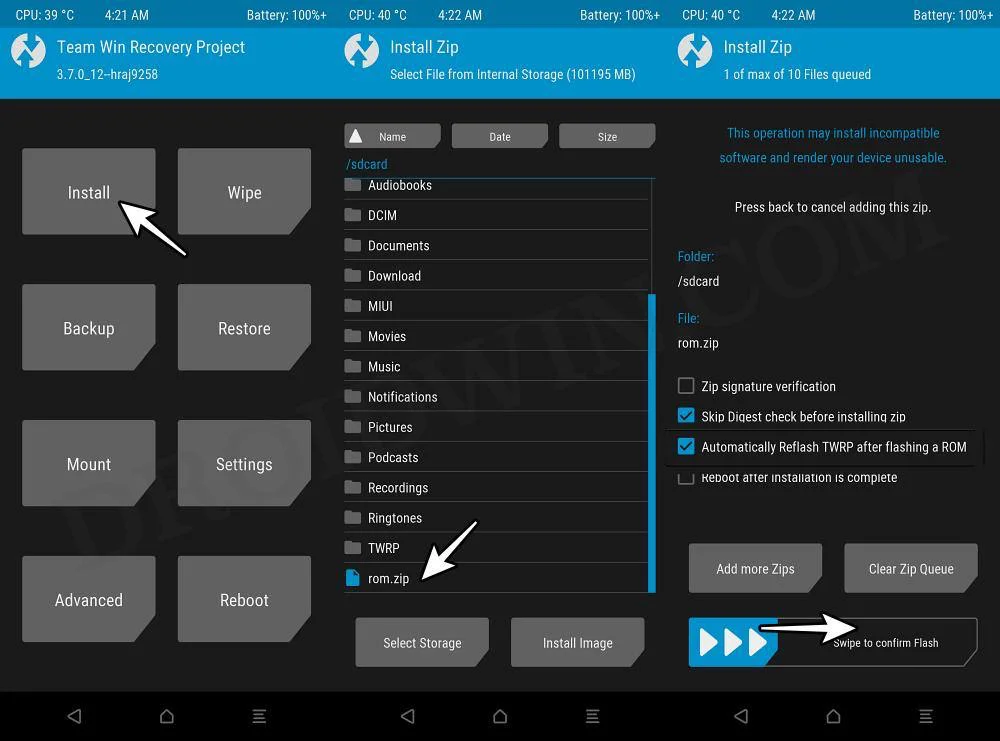
Once the hardware barriers are cleared, the installation involves flashing the ROM through a custom recovery environment. Because the S24 Ultra utilizes a modern "A/B" partition system, the flashing process is more complex than the methods used in the era of the Galaxy S5 or S6. It requires a precise sequence of formatting data, sideloading zip files, and managing partition slots. The developer has streamlined this process as much as possible, but it remains a task suited for those who are comfortable navigating command-line interfaces and recovery menus.
One of the primary draws of DerpFest is the "DerpQuest" customization menu. This dedicated section of the settings app allows users to modify almost every visual element of the operating system. From status bar icons and clock styles to custom themes and advanced gesture controls, the level of agency granted to the user is total. For many, the ability to fine-tune the vibration haptics, adjust the display’s color calibration beyond factory presets, and implement system-wide font changes is what makes the Galaxy S24 Ultra feel like a truly personal computer rather than a leased piece of corporate hardware.
However, the pursuit of such freedom is not without its caveats. As with any third-party software, the responsibility for the device’s stability rests solely on the shoulders of the user. The developer community maintains a standard "caveat emptor" approach; while these ROMs are tested extensively, the sheer variety of use cases and third-party apps means that bugs can occasionally surface. The "thermonuclear war" disclaimer often seen in development threads serves as a lighthearted but firm reminder that modifying a $1,300 smartphone carries inherent dangers, ranging from simple data loss to the rare but catastrophic "bricking" of the device.
Looking forward, the availability of DerpFest on the Galaxy S24 Ultra serves as a beacon for the future of the platform. As Samsung moves closer to the restrictive environment of One UI 8, the work being done today by developers like kevte89 may represent the final chapter of an era where users could truly own the software on their Samsung devices. For now, the Galaxy S24 Ultra remains a powerful outlier—a flagship capable of running the most advanced custom Android software available.
As the ROM continues to evolve, the community can expect regular updates that refine performance and introduce new features as they are merged into the AOSP upstream. For those who have grown weary of the "walled garden" approach favored by modern OEMs, the arrival of DerpFest is more than just a software update; it is a reclamation of the open-source spirit that originally made Android the most popular operating system in the world. Whether you are a seasoned "flashaholic" or a curious newcomer, the opportunity to run a clean, Android 15-based Pixel experience on the world’s most powerful hardware is a prospect that is difficult to ignore. The tools are ready, the firmware is live, and the Galaxy S24 Ultra has officially entered a new stage of its lifecycle.