

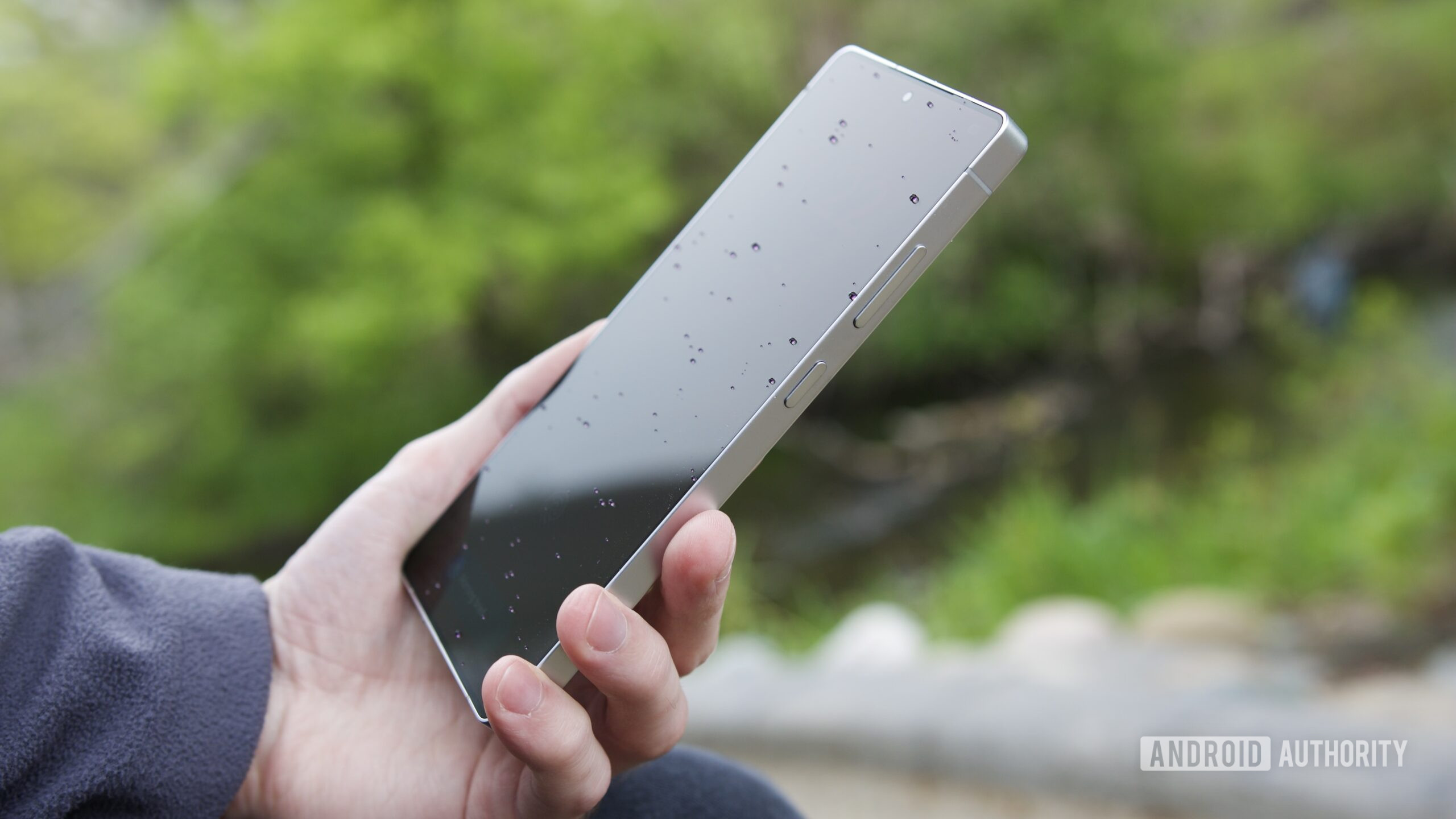
As the mobile industry hurtles toward a future defined by artificial intelligence and increasingly powerful hardware, the fundamental human need for digital privacy remains a primary concern for the modern consumer. In an era where smartphones serve as digital vaults for banking credentials, sensitive corporate communications, and personal memories, the physical vulnerability of the screen—specifically from "shoulder surfers" in public spaces—has remained a persistent hardware challenge. Samsung appears poised to address this vulnerability head-on. Recent leaks regarding the upcoming Galaxy S26 Ultra suggest that the South Korean tech giant is preparing to debut a sophisticated "Privacy Display" feature, a hardware-software hybrid solution designed to shield on-screen content from prying eyes.
The latest evidence of this feature comes from a deep dive into Samsung’s own ecosystem. According to reports from SammyGuru, a listing for the Privacy Display was discovered tucked away within an updated version of Samsung’s official Tips app. The discovery was made by spoofing a device to mimic the identity of a Galaxy S26 Ultra, thereby tricking the app into surfacing documentation and tutorials intended for the unreleased flagship. This leak builds upon a series of breadcrumbs that first appeared in September 2025, when code strings within a build of One UI 8.5 hinted at a "private display" mode. By October, preliminary user interface mockups had surfaced, but this latest leak provides the most definitive look yet: high-quality animations demonstrating the feature in active use.
The core functionality of the Privacy Display is rooted in the manipulation of viewing angles. Traditionally, high-end OLED panels, such as those manufactured by Samsung Display, have been marketed for their wide viewing angles, allowing colors to remain vibrant even when the phone is tilted. The Privacy Display feature effectively flips this paradigm on its head. When activated, the screen utilizes a specialized layer—likely integrated into the display stack or managed via advanced sub-pixel control—to drastically reduce light emission at oblique angles. To the user holding the phone directly, the image remains crisp and clear. To a bystander standing to the side, above, or below the device, the screen appears significantly dimmed or entirely blacked out.
The leaked animations from the Tips app confirm that the Privacy Display will be housed within the standard "Display" section of the Settings menu, nestled alongside familiar options like Brightness, Motion Smoothness, and Eye Comfort Shield. However, recognizing that privacy needs are often situational, Samsung has reportedly integrated a toggle into the Quick Settings panel. This allows a user to instantly activate the stealth mode while boarding a crowded subway or sitting in a bustling coffee shop, without having to navigate through deep menus.
Perhaps the most innovative aspect of this leak is the mention of automation. According to the discovered documentation, users will be able to set specific conditions for the Privacy Display to activate autonomously. While the exact triggers remain a subject of speculation, industry analysts suggest that Samsung may leverage a combination of sensors and artificial intelligence. For instance, the phone’s front-facing camera and "Time of Flight" sensors could potentially detect the presence of multiple faces within the vicinity of the screen, triggering the privacy filter automatically. Alternatively, GPS-based triggers could activate the feature whenever the user enters a high-traffic public area like an airport or a financial district.
This move marks a significant departure from existing third-party solutions. For years, privacy-conscious users have relied on adhesive plastic or glass screen protectors that incorporate a micro-louver layer. While effective, these physical filters come with significant drawbacks: they permanently reduce screen brightness, distort color accuracy, and often interfere with the ultrasonic fingerprint sensors that Samsung uses in its Ultra lineup. By integrating this technology directly into the Galaxy S26 Ultra’s display architecture, Samsung is offering a "pro" solution that preserves the premium visual experience of an Ultra-grade panel while providing security on demand.
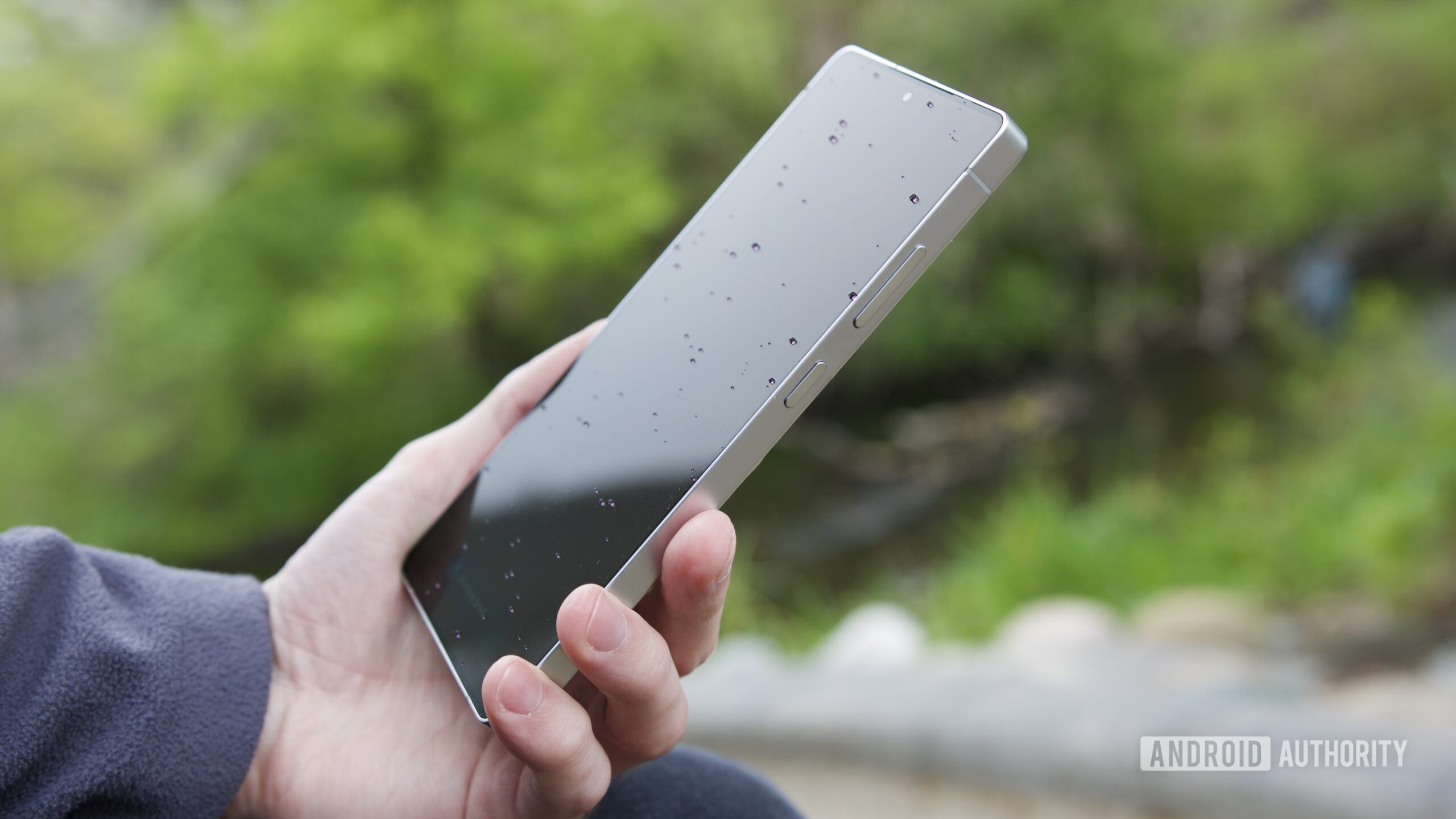
The technical implementation of such a feature suggests that the Galaxy S26 Ultra may feature a brand-new generation of OLED technology. There is speculation that Samsung is utilizing a new form of "light control" film or an advanced Micro Lens Array (MLA) that can electronically adjust the direction of light. If this is indeed a hardware-level feature, it would serve as a major differentiator for the "Ultra" model, potentially leaving the standard Galaxy S26 and S26 Plus models without the capability. This aligns with Samsung’s broader strategy of packing its most expensive flagship with exclusive "Pro" features to justify its premium price point.
The timing of the leak also provides insight into Samsung’s software roadmap. The initial mentions of the feature were tied to One UI 8.5, a version number that suggests a mid-cycle or late-year update. However, with the animations appearing in the Tips app now, it is highly probable that the Privacy Display will be a headline feature for the Galaxy S26 Ultra’s launch, potentially debuting with One UI 8.0 or 8.1. This would place the S26 Ultra at the forefront of the "Privacy Tech" trend, a niche that has seen growing interest but little innovation from major manufacturers in recent years.
Beyond the immediate utility of hiding text messages or emails from strangers, the Privacy Display has significant implications for corporate and government sectors. Professionals who handle sensitive data on the go are often prohibited from using mobile devices in public spaces due to the risk of visual hacking. A built-in, togglable privacy filter could make the Galaxy S26 Ultra the go-to device for the enterprise market, providing a level of security that competitors like the iPhone or Google Pixel currently lack in a native capacity.
The visual evidence from the leaked animations shows that the privacy effect is comprehensive. It is not limited to just the left and right sides; the screen becomes obscured when viewed from the top and bottom as well. This 360-degree protection is crucial for users who may be sitting at a desk while others are standing nearby, or for those who use their phones in a landscape orientation for gaming or media consumption. The animation portrays a seamless transition, where the screen appears to "fade" into shadows as the device is tilted away from the central axis.
As the launch of the Galaxy S26 series approaches, the Privacy Display is shaping up to be one of the most talked-about hardware innovations of the year. While the industry has spent the last decade focusing on thinner bezels and higher refresh rates, Samsung’s pivot toward functional privacy addresses a practical, everyday pain point for millions of users. If the final execution lives up to the promise shown in these leaked animations, the Galaxy S26 Ultra will not only be a powerhouse of performance and photography but also a pioneer in the field of personal digital security.
In a world where our entire lives are reflected on the glass rectangles in our pockets, the ability to control who sees that reflection is a powerful tool. Samsung’s Privacy Display represents a shift from passive security—like passwords and biometrics—to active, environmental security. As we await the official unveiling, the question is no longer just what the Galaxy S26 Ultra can do, but who it will allow to watch while it does it. With this leak, Samsung has signaled that the future of the smartphone is not just about being seen; it is about the power to remain invisible.