

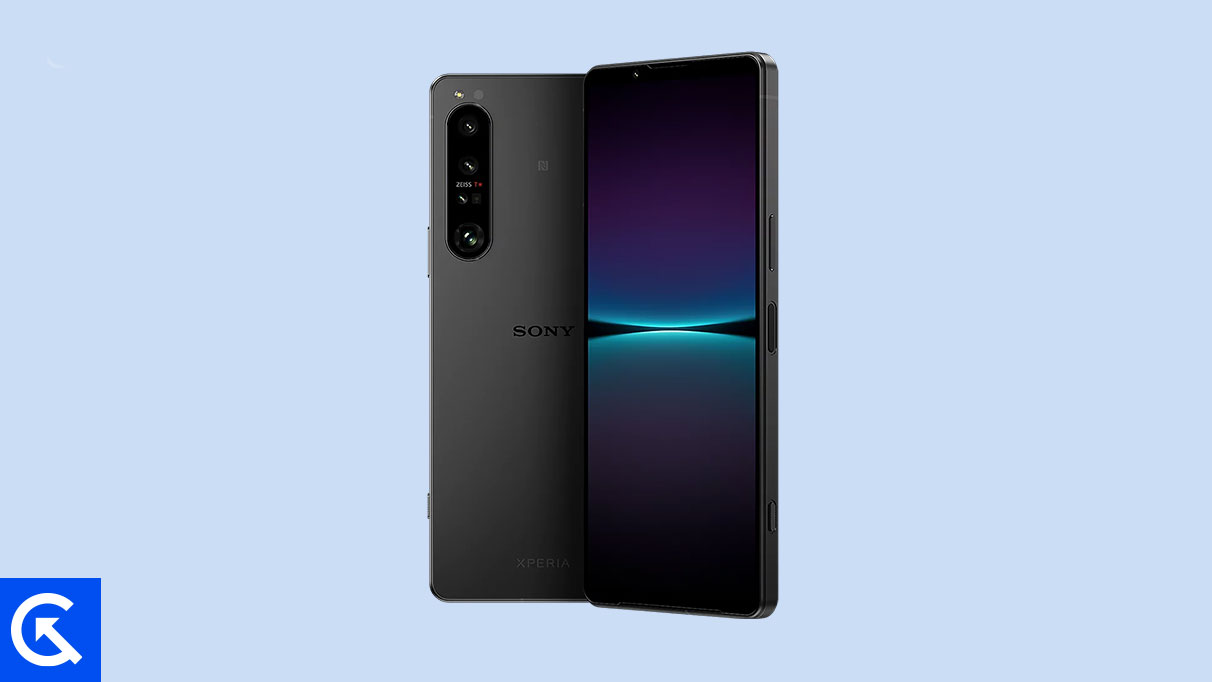
The Sony Xperia 1 IV, originally released as a pinnacle of mobile cinematography and professional-grade hardware, has reached a critical juncture in its software lifecycle. While official manufacturer support eventually tapers off for even the most premium flagships, the global developer community has stepped in to ensure that this 4K-display powerhouse remains at the cutting edge of mobile technology. With the recent release of Android 16 for Google’s Pixel lineup, a stable port of the Android Open Source Project (AOSP) has been successfully adapted for the Xperia 1 IV, allowing enthusiasts to experience the latest "Material 3 Expressive" design language and system-level optimizations long before official channels would typically permit.
The Sony Xperia 1 IV remains a formidable piece of hardware in the current market, characterized by its distinctive 6.5-inch OLED display. This panel is a rarity in the industry, boasting a resolution of 1644 x 3840 pixels and a cinematic 21:9 aspect ratio that caters specifically to media professionals and cinephiles. Under the hood, the device is powered by the Qualcomm Snapdragon 8 Gen 1 chipset, paired with an Adreno 730 GPU. This hardware configuration, which originally debuted with Android 12, provides a robust foundation for the demanding requirements of Android 16. The device’s sophisticated thermal management and high-performance UFS storage make it an ideal candidate for custom ROM exploration, as the hardware overhead is more than sufficient to handle the increased fluidities of the new operating system.
![How to Install Android 16 on Sony Xperia 1 IV [Download Link]](https://www.getdroidtips.com/wp-content/uploads/2023/12/Sony-Xperia-1-IV.jpg)
Central to the Android 16 experience is the introduction of Material 3 Expressive. This design philosophy represents a significant refinement of the Material You aesthetics first introduced in earlier iterations. Rather than attempting a total visual upheaval, Material 3 Expressive focuses on the "polish" of the user interface. It introduces more dynamic animations that respond with greater elasticity to user input, alongside larger touch targets designed to improve accessibility and reduce input errors. The typography has been adjusted to be bolder and more legible, ensuring that the high pixel density of the Xperia 1 IV’s 4K display is utilized to its full potential. This update breathes new life into an interface that some critics felt had become stagnant, providing a sense of modern fluidity that aligns with the high-refresh-rate 120Hz display of the Sony flagship.
Beyond the aesthetic enhancements, Android 16 brings a suite of system-level optimizations designed to improve battery efficiency and background task management. For a device like the Xperia 1 IV, which houses a 5000 mAh battery and a power-hungry 4K screen, these software-level efficiencies are vital. The AOSP build for this device aims to maintain the integrity of Sony’s specialized hardware features, including the unique triple camera setup with continuous optical zoom and the native Sony Alpha camera integration. While the transition to a custom ROM often involves trade-offs, the current Android 16 port for the Xperia 1 IV is reported to be remarkably stable, with the core telecommunications, imaging, and sensor suites remaining fully functional.
The transition to Android 16 requires a methodical approach to installation, as the process involves modifying the device’s core firmware. The first and most critical prerequisite is a comprehensive data backup. Installing a custom ROM necessitates a full wipe of the device’s internal storage, meaning all personal files, cryptographic keys, and application data must be secured externally. Furthermore, the device must maintain a battery charge of at least 50% to prevent a power failure during the sensitive flashing process, which could lead to a software brick—a state where the device becomes unresponsive.
![How to Install Android 16 on Sony Xperia 1 IV [Download Link]](https://www.getdroidtips.com/wp-content/uploads/2023/12/Sony-Xperia-1-IV-300x169.jpg)
Technical preparation involves the acquisition of Android Debug Bridge (ADB) and Fastboot binaries. These command-line tools serve as the primary communication bridge between a workstation and the mobile device during the bootloader stage. To ensure seamless communication, users must also install the latest Sony USB drivers on their computers. These drivers facilitate the complex data handshakes required for flashing system partitions. Once the environment is prepared, the most significant hurdle is unlocking the bootloader. This is a security-sensitive operation that grants the user permission to modify the device’s partitions. It is important to note that unlocking the bootloader typically voids the manufacturer’s software warranty and triggers a factory reset.
Following the bootloader unlock, the installation of a custom recovery environment, such as TWRP (Team Win Recovery Project), is necessary. TWRP acts as a secondary operating system that allows for the management of partitions without booting into the primary Android OS. Through this interface, users can perform the "Clean Flash" procedure. This involves wiping the Data, Cache, and System partitions to ensure that no residual files from the previous Android version interfere with the new Android 16 installation.
The installation of the Android 16 ROM itself is followed by the flashing of Google Apps (GApps). Because AOSP builds are "clean" and do not include proprietary Google services due to licensing restrictions, users who require the Play Store, Gmail, and Google Maps must install a compatible GApps package immediately after the ROM. The developer community emphasizes that these two components—the ROM and the GApps—should be flashed in a single session without a reboot in between to ensure that the Google services framework is properly integrated into the system hierarchy.
![How to Install Android 16 on Sony Xperia 1 IV [Download Link]](https://www.getdroidtips.com/wp-content/uploads/2020/06/cmd-platform-tools.jpg)
Once the flashing process is complete, the initial boot sequence of the Sony Xperia 1 IV may take several minutes. This is a standard behavior as the system builds the Dalvik cache and initializes the new architecture. Upon successful boot, users are greeted with the Android 16 setup wizard, where they can configure the new Material 3 Expressive interface. The result is a device that feels contemporary, shedding the weight of older software versions in favor of a lean, high-performance environment.
While the current builds are highly functional, the nature of community-driven software development means that minor bugs may exist. Users are encouraged to participate in the development ecosystem by reporting any anomalies, such as sensor calibration issues or specific app incompatibilities, to the ROM maintainers. This collaborative feedback loop is what allows custom ROMs to eventually reach, and sometimes exceed, the stability of official firmware.
In conclusion, the Sony Xperia 1 IV remains a masterpiece of mobile engineering, and the arrival of Android 16 via AOSP provides a vital path for its continued relevance. By leveraging the Snapdragon 8 Gen 1’s power and the unparalleled clarity of the 4K OLED screen, this update offers a glimpse into the future of the Android ecosystem. For the technical user, the process of installing Android 16 is more than just a software update; it is an act of digital preservation, ensuring that one of Sony’s most ambitious smartphones continues to deliver a premium, modern experience for years to come. The fusion of Sony’s hardware excellence with the refined aesthetics of Android 16 creates a unique smartphone experience that remains competitive with even the newest releases in the mobile market.