

The landscape of the Mobile World Congress (MWC) in Barcelona has historically served as the definitive stage for the evolution of the telecommunications industry. For decades, the event has been synonymous with the unveiling of cutting-edge cellular infrastructure, the latest silicon breakthroughs, and, most notably, the annual cycle of flagship smartphones. However, as the industry prepares for the 2026 edition of the world’s largest mobile trade show, a paradigm shift is occurring. HONOR, the Chinese technology giant that has rapidly ascended the ranks of the global smartphone market, is set to pivot the conversation away from handheld glass rectangles and toward the burgeoning field of robotics. In a move that signals a profound transformation in its corporate identity, HONOR has confirmed that it will use MWC 2026 to debut its first humanoid robot, a development that marks the company’s official entry into the world of embodied artificial intelligence.
The announcement, which was first teased via the company’s official social media channels on X, sets a definitive date for this technological milestone: March 1, 2026. While MWC is typically dominated by the iterative refinement of foldable displays and the integration of generative AI into mobile operating systems, HONOR’s decision to showcase a bipedal, service-oriented machine suggests that the brand views the future of technology not as something we carry in our pockets, but as something that walks alongside us. This strategic expansion represents a significant gamble, yet it is one that aligns with the broader industry trend of moving beyond "digital AI"—which exists behind a screen—to "embodied AI," where intelligence is granted a physical form capable of interacting with the three-dimensional world.
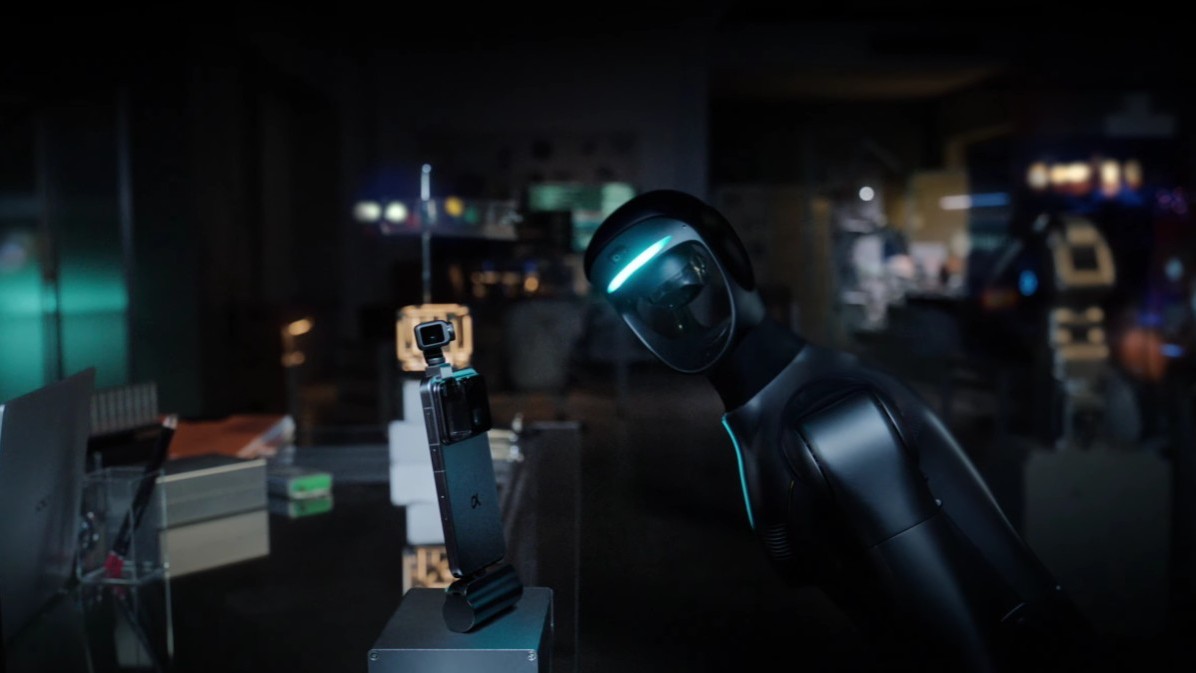
The teaser material released by HONOR provides a tantalizing glimpse into the design philosophy of its first robotic venture. The humanoid features a sleek, matte-black exterior that avoids the industrial, skeletal aesthetic common in factory-floor robotics. Instead, the machine appears to be designed with a consumer-facing or service-oriented intent. A prominent light strip on the chest serves as a visual indicator of the robot’s status or emotional state, while a sophisticated camera array mounted on the head functions as its primary sensory input. Analysts observing the teaser have noted the fluidity of the robot’s movements, particularly its ability to bend and pivot with a degree of grace that suggests advanced actuators and a high degree of freedom in its joints. This mechanical fluidity is a prerequisite for a machine intended to navigate the unpredictable environments of homes or retail spaces, rather than the controlled settings of an assembly line.
Technologically, the robot is expected to be a masterclass in sensor integration. To operate safely and effectively around human beings, a humanoid requires more than just high-definition cameras. It needs a suite of depth-mapping sensors, such as LiDAR or Time-of-Flight (ToF) modules, and object recognition algorithms capable of identifying and reacting to obstacles in real-time. HONOR’s extensive experience in developing AI for its smartphone photography and system optimization provides a robust foundation for these requirements. The company has spent years refining computer vision and machine learning to improve how its phones see the world; applying these same principles to a mobile robot is a logical, albeit ambitious, progression.
The timing of this launch is particularly significant when viewed through the lens of the global robotics market. According to research from firms such as MarketsandMarkets, the humanoid robot sector is poised for exponential growth over the next decade. As labor shortages persist in the service and healthcare industries and as the aging population in many developed nations increases the demand for home assistance, the commercial viability of service robots has never been higher. By entering this space now, HONOR is positioning itself as the first major smartphone manufacturer to commit seriously to humanoid robotics, potentially gaining a first-mover advantage over traditional rivals like Samsung or Apple, who have thus far kept their robotics research behind closed doors or focused on smaller-scale home automation.
However, the humanoid robot is not the only piece of "moving" technology HONOR plans to bring to Barcelona. The company is also expected to provide a deeper look at its "Robot Phone," a concept that bridges the gap between traditional mobile hardware and robotics. This device features a smartphone chassis integrated with a motorized, gimbal-mounted camera system. This allows the phone to physically track subjects, rotate to follow movement during video calls, and potentially act as a stationary security hub or a creative tool for content creators. The Robot Phone serves as a thematic precursor to the humanoid, demonstrating HONOR’s obsession with breaking the static nature of modern electronics.
Despite the excitement surrounding its robotics division, HONOR is not neglecting the core products that built its reputation. The MWC 2026 showcase will also feature a comprehensive refresh of the company’s traditional hardware lineup. Leading the charge is the Magic V6, the latest iteration of HONOR’s flagship foldable smartphone. As the foldable market matures, the Magic V6 is expected to push the boundaries of thinness and durability, further challenging the dominance of established players. Alongside the V6, the company is slated to reveal the MagicPad 4, a high-end tablet aimed at creative professionals, and the MagicBook Pro 14, a laptop that will likely serve as the primary hub for HONOR’s cross-device ecosystem.
The synergy between these devices is where HONOR’s long-term strategy becomes clear. The company is not merely launching a series of disconnected products; it is building an integrated AI ecosystem. In this vision, the MagicBook and MagicPad provide the processing power for productivity, the Magic V6 offers the ultimate mobile interface, and the humanoid robot acts as the physical manifestation of the user’s digital life. This "embodied AI" could potentially interface with HONOR’s existing MagicOS, allowing the robot to access a user’s calendar, preferences, and smart home settings to provide proactive assistance. For example, the robot could utilize the depth sensors and navigation logic developed for the "Robot Phone" to move through a house, delivering reminders or performing light domestic tasks.
The transition from a smartphone maker to a robotics company is a narrative of independence and rapid innovation. Since becoming an independent entity, HONOR has worked tirelessly to shed its image as a subsidiary and establish itself as a global R&D powerhouse. The leap into humanoid robotics is perhaps the boldest statement of independence the company has made to date. It requires a massive investment in mechanical engineering, materials science, and battery technology—fields that are related to, but distinct from, smartphone manufacturing. The challenges are immense, ranging from the battery life required to keep a bipedal machine moving to the ethical and privacy concerns of having a mobile, camera-equipped robot in private spaces.
As March 1 approaches, the tech world will be watching to see if HONOR can translate its mobile success into the physical realm. If the humanoid robot performs as well as the teasers suggest, it could redefine the expectations for what a consumer electronics brand can achieve. The move suggests that in the near future, the "mobile" in Mobile World Congress may no longer refer to the phones in our hands, but to the autonomous machines that share our world. HONOR is betting that the next great interface isn’t a screen at all, but a robot that can look us in the eye, understand our needs, and navigate our environment with the same ease as a human companion. Whether this marks the beginning of a new era of "robot butlers" or remains a high-tech curiosity will be determined on the showroom floors of Barcelona, but one thing is certain: the era of the static smartphone is being challenged by a future that is very much on the move.