


The consumer electronics industry is hurtling toward a significant inflection point as the "RAM crisis" transitions from a supply chain murmur to a full-blown market disruption. As we look toward 2026, the traditional trajectory of mobile hardware—where each successive year brings a predictable bump in memory capacity—is being dismantled by skyrocketing component costs. This shortage is not merely a localized issue for smartphone manufacturers; it is a systemic squeeze affecting everything from high-end PC components and specialized handheld gaming consoles to the burgeoning market of AI-integrated appliances. With product delays mounting and the specter of significant price hikes looming, the tech landscape of 2026 is being reshaped by the cold reality of the Bill of Materials (BOM). Yet, within this economic turbulence lies a unique opportunity for the industry to move beyond the "spec-sheet arms race" and rediscover the value of creative engineering and diverse hardware differentiation.
The root of the current volatility lies in a perfect storm of manufacturing shifts and the insatiable demand of the enterprise sector. As data centers scramble to secure High Bandwidth Memory (HBM) for artificial intelligence servers, the production capacity for the LPDDR5X and LPDDR6 modules used in consumer gadgets has been squeezed. For the average consumer, this translates to a difficult choice: pay significantly more for a device that maintains current standards, or accept a "downgrade" in memory to keep the purchase price within reach. For manufacturers, the dilemma is even more acute. Settling for less RAM risks alienating power users and slowing down the adoption of on-device AI, while passing the cost to the consumer risks stifling sales in an already saturated market.
This tension has prompted industry figures like Carl Pei, the founder of Nothing, to suggest that the memory shortage might actually be a blessing in disguise for brands willing to pivot. The argument is that the industry has become overly dependent on raw specifications as a marketing crutch. When a brand can no longer afford to shout about "16GB of RAM" without charging a thousand dollars, it must find other ways to justify its value proposition. While smaller, budget-conscious brands are arguably the most vulnerable to these price fluctuations—since their margins are already razor-thin—the crisis may force a long-overdue focus on user experience over arbitrary numbers.
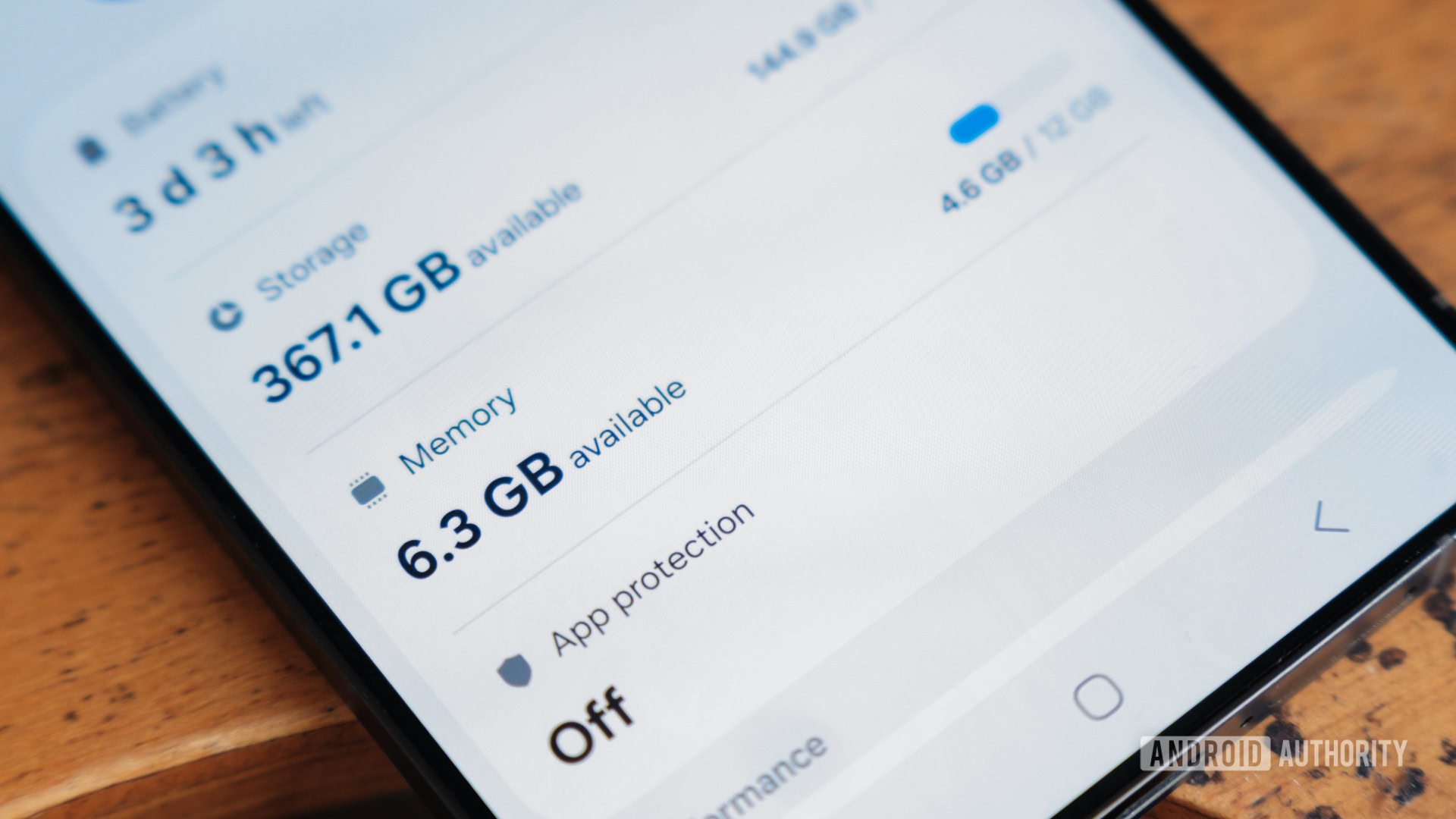
The central question facing hardware designers for the 2026 cycle is how to reallocate the limited budget available for each handset. If a manufacturer decides to hold the line at 8GB or 12GB of RAM rather than pushing for 16GB, they theoretically free up capital that could be reinvested into other, perhaps more tangible, upgrades. For a flagship device starting at $799, the difference in component cost between a high-end RAM module and a mid-tier one could be the difference between a standard camera sensor and a sophisticated periscope zoom lens. In a world where social media presence and content creation drive sales, a consumer might be far more likely to forgive a slight dip in background app retention if it means their photos look professional-grade.
Furthermore, the industry is seeing a quiet revolution in battery technology that could provide a much-needed distraction from the memory crunch. Silicon-carbon (Si-C) batteries are emerging as a superior alternative to traditional graphite-based lithium-ion cells. By investing the "RAM savings" into Si-C technology, brands could offer significantly thinner phones with 20% to 30% more capacity. A device that lasts two full days on a single charge is a far more compelling selling point for the general public than a surplus of volatile memory that most users never fully utilize. Similarly, the mid-range market could see a surge in "premium" features that were previously reserved for flagships. Investing in official IP68 water and dust resistance ratings, higher-quality build materials like titanium or ceramic, or even innovative hardware features like MagSafe-style magnetic charging and customizable physical keys could redefine what "value" looks like in 2026.
However, this pivot toward "creative specs" faces a formidable adversary: the Age of Artificial Intelligence. The tech industry’s current obsession with Large Language Models (LLMs) and on-device generative AI is inherently resource-hungry. Unlike traditional applications, AI models require massive amounts of RAM to stay resident in memory for instant access. Google’s Gemini Nano and Samsung’s Galaxy AI suites are already pushing the limits of current hardware. If a 2026 flagship is released with only 8GB of RAM, it risks being "AI-crippled," forced to offload tasks to the cloud and increasing latency for the user. This creates a dangerous schism in the market. Large incumbents with deep pockets, such as Apple, Samsung, and Google, may choose to absorb the RAM costs or raise prices to ensure their AI ecosystems remain functional, while smaller players may be forced to market their devices as "AI-lite" or focus on traditional performance metrics.
To mitigate this, software engineering will likely take center stage. For years, Android manufacturers have thrown hardware at the problem of inefficient memory management. The 2026 crisis will likely force a return to "lean" coding. We may see more aggressive background app limits, smarter app eviction algorithms, and a renewed reliance on "swap space"—a technique where a portion of the phone’s fast internal storage is used as virtual RAM. While swap space is significantly slower than physical RAM, advancements in UFS 4.0 and 5.0 storage speeds might make the performance hit negligible for the average user. This software-first approach could allow a phone with 8GB of physical RAM to behave like a 12GB device, smoothing over the cracks left by the supply chain.

The impact of this shortage extends beyond the pocket. Handheld gaming consoles, such as those from Ayaneo and other PC-gaming-on-the-go brands, are particularly sensitive to these shifts. These devices rely on high-speed memory to feed integrated GPUs. For this niche, there is no "creative" way to skimp on RAM without directly destroying the product’s core purpose. Consequently, the handheld market may see the most aggressive price hikes or the most significant product cancellations in the coming year, as these manufacturers lack the scale to negotiate favorable long-term contracts with memory suppliers.
Despite the gloomy outlook for 2026, there is reason to believe the situation is temporary. Historically, the memory market is cyclical, characterized by periods of oversupply followed by extreme scarcity. Industry analysts remain cautiously optimistic that new fabrication plants and a stabilization of AI server demand will lead to a market correction by early 2027. The challenge for manufacturers today is surviving the "gap years" without losing their customer base to rising prices or stagnant innovation.
Ultimately, the 2026 RAM crisis will serve as a litmus test for the mobile industry. It will separate the brands that rely on raw, expensive power from those that can innovate through design, software optimization, and thoughtful feature selection. If the end result is a market full of phones with better cameras, longer-lasting batteries, and more durable builds—even if they have a few less gigabytes under the hood—then the "RAM crisis" might just be the catalyst the smartphone world needed to break out of its recent rut. While the "memory tax" is an undeniable headache for the present, the creative solutions it demands could define the next decade of mobile technology. For the consumer, the message is clear: the spec sheet is about to get much more interesting, even if it gets a little more expensive.