

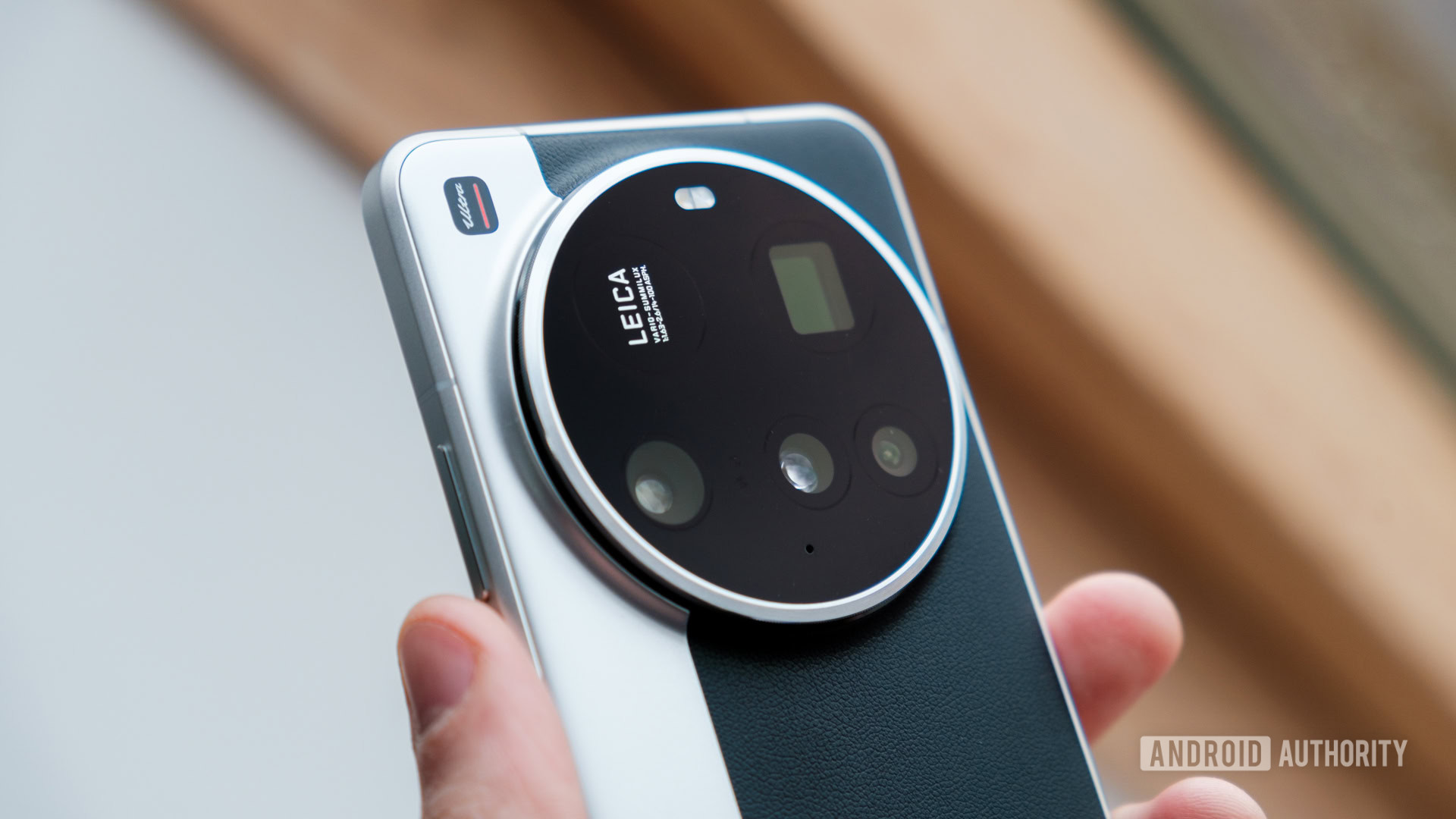
The trajectory of smartphone photography has, for over a decade, been defined by a relentless pursuit of hardware parity with dedicated DSLR and mirrorless cameras. In 2022, the industry reached what many considered a terminal milestone: the integration of the one-inch camera sensor. When the Xiaomi 12S Ultra first debuted this massive silicon, it signaled a paradigm shift, promising a future where the physical limitations of mobile devices would no longer dictate the quality of the image. However, as the industry moves toward the 2026 release cycle, a surprising and counterintuitive trend has emerged. Rather than the one-inch sensor becoming a standard across the flagship spectrum, it is increasingly becoming a rare, niche luxury, with many leading manufacturers opting to scale back their hardware ambitions in favor of thinner designs and specialized secondary optics.
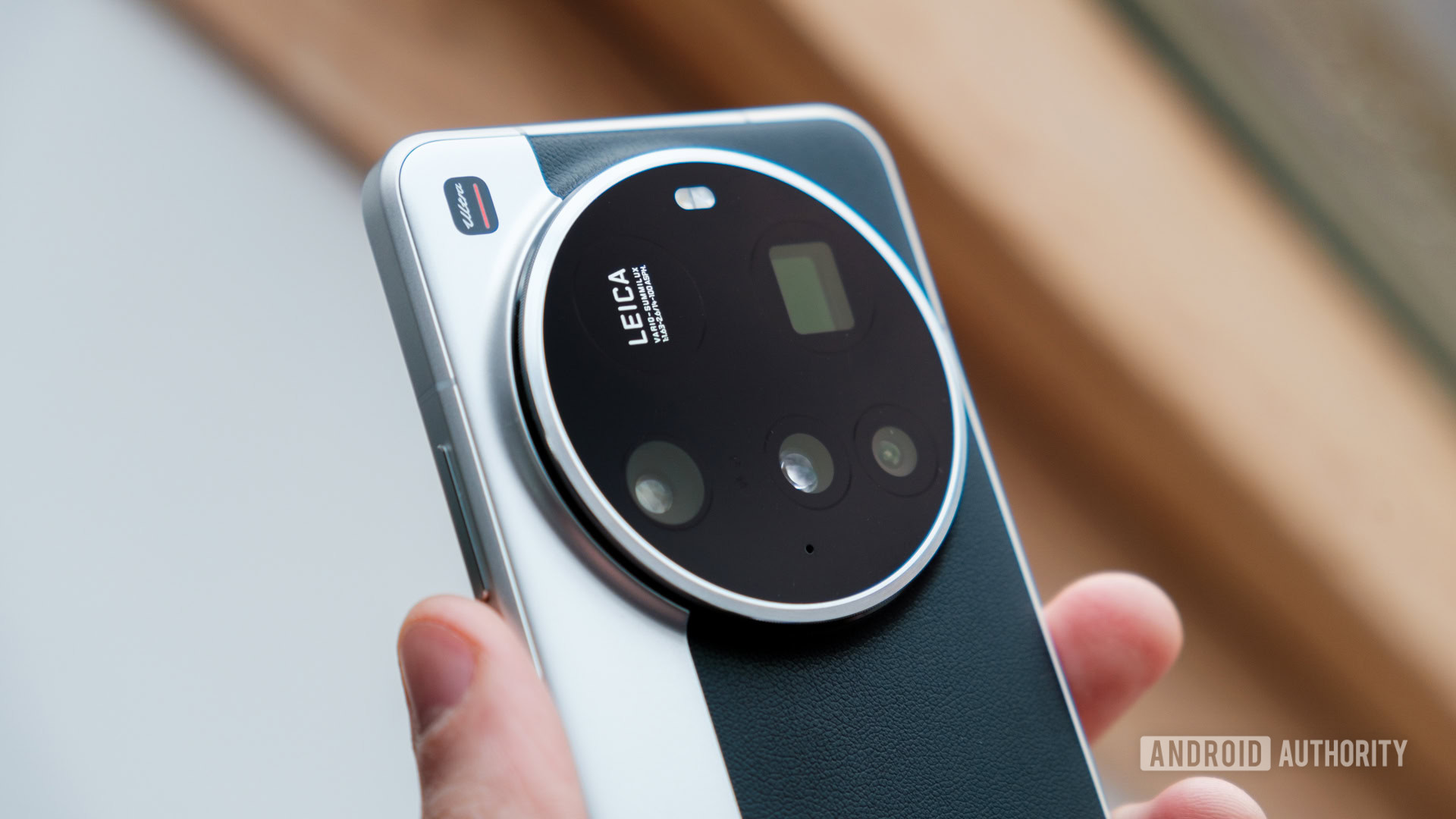
To understand why this technology has stalled, one must first appreciate the profound impact it had on mobile imaging. The "one-inch" designation—a legacy term from the days of vacuum tube television cameras—refers to a sensor size that is significantly larger than the 1/1.3-inch or 1/1.5-inch sensors found in standard premium handsets. The benefits of this increased surface area are rooted in the fundamental physics of light. A larger sensor features larger individual pixels (or "photosites"), which are capable of capturing more photons in a shorter amount of time. This leads to a dramatic improvement in the signal-to-noise ratio, resulting in cleaner images with less grain, particularly in challenging low-light environments.
Beyond light sensitivity, the one-inch sensor introduced a level of "natural" bokeh—the aesthetic quality of the out-of-focus areas of an image—that software-based "Portrait" modes still struggle to replicate convincingly. Because the physical size of the sensor requires a corresponding focal length in the lens to cover its surface area, the depth of field becomes naturally shallower. This allows photographers to isolate subjects from their backgrounds with a soft, creamy blur that looks professional and optical rather than digital. For a brief window between 2022 and 2024, it appeared that brands like Xiaomi, Vivo, and OPPO were locked in an arms race to bring this professional-grade hardware to the masses.
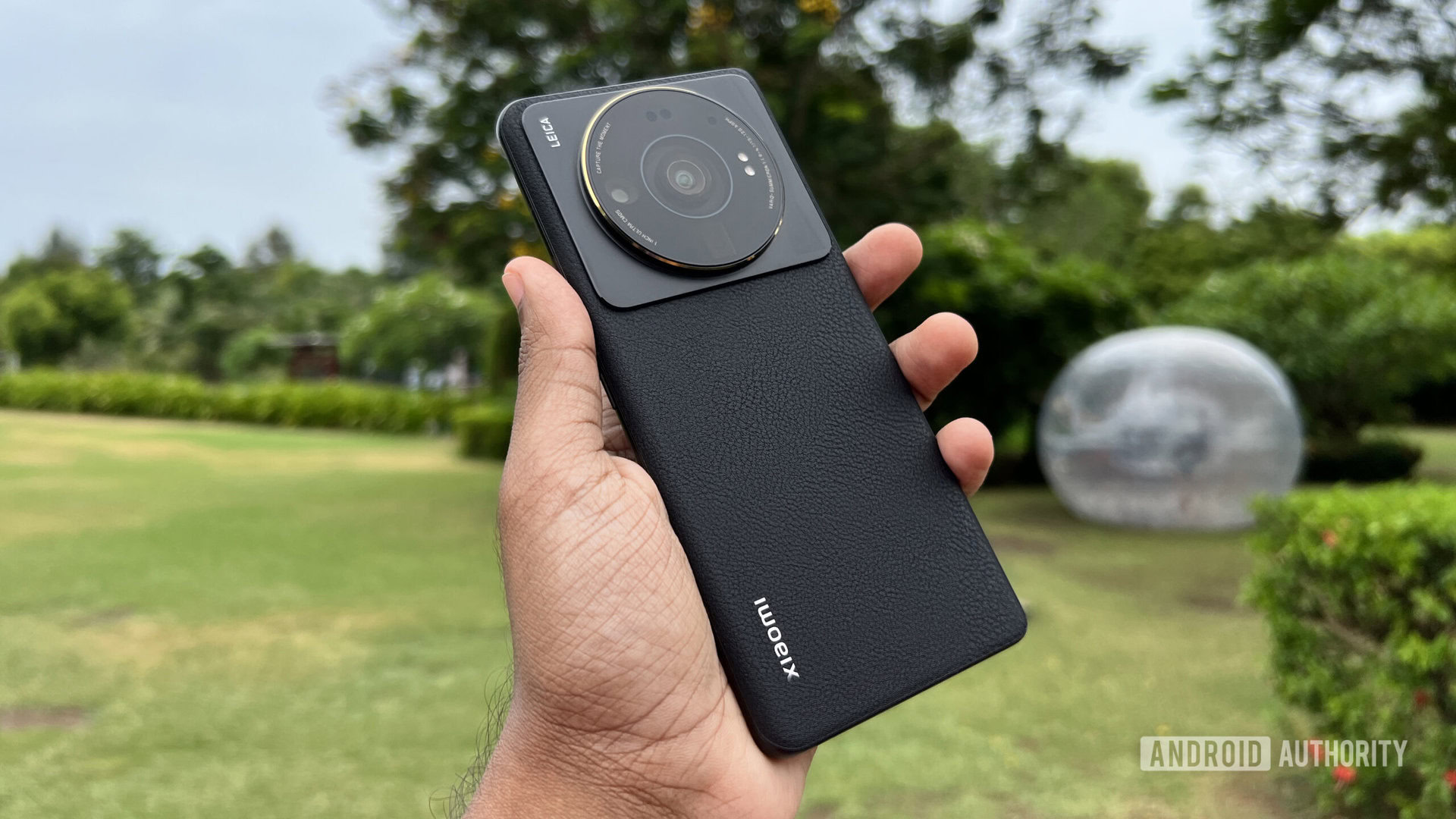
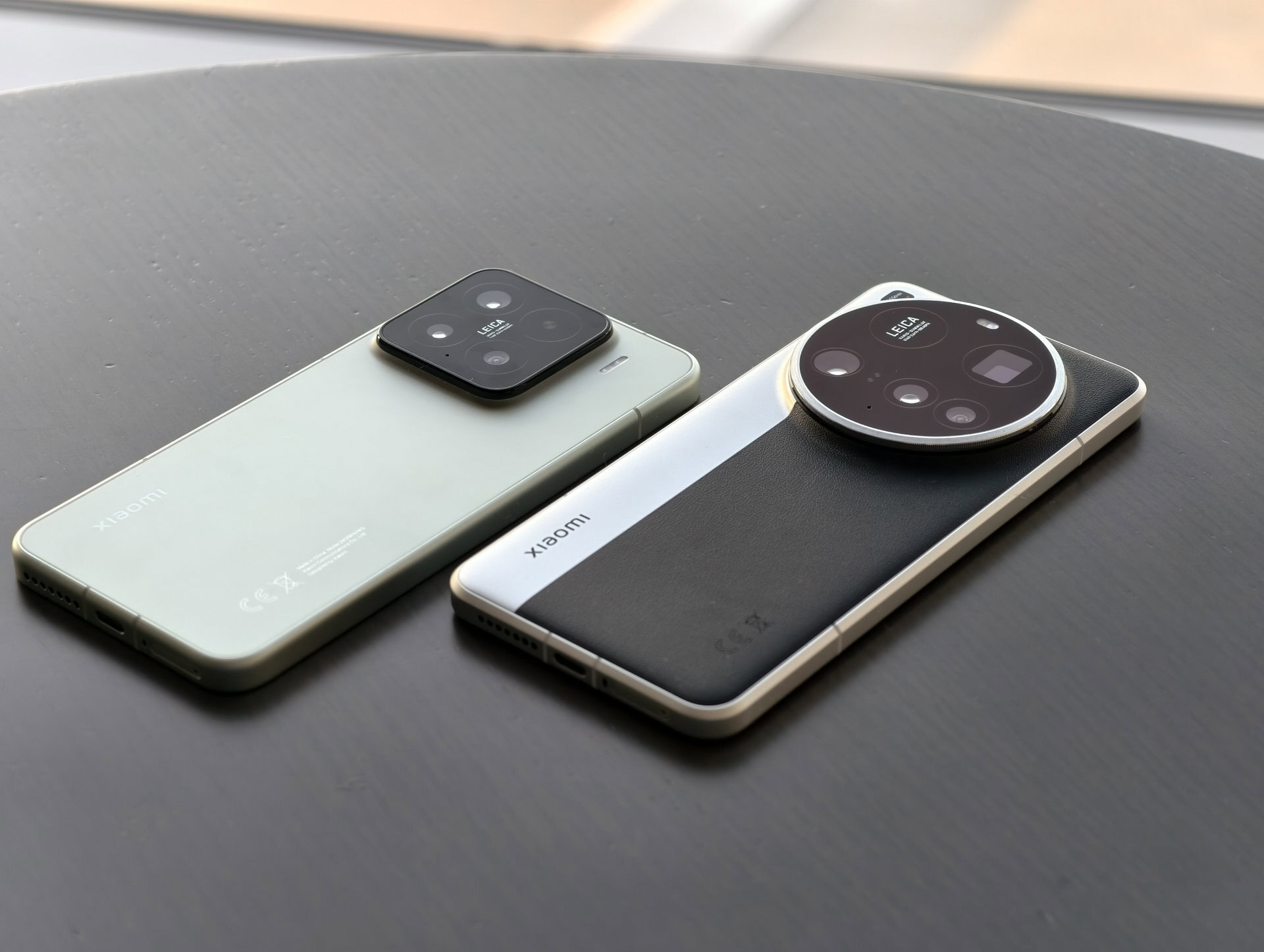
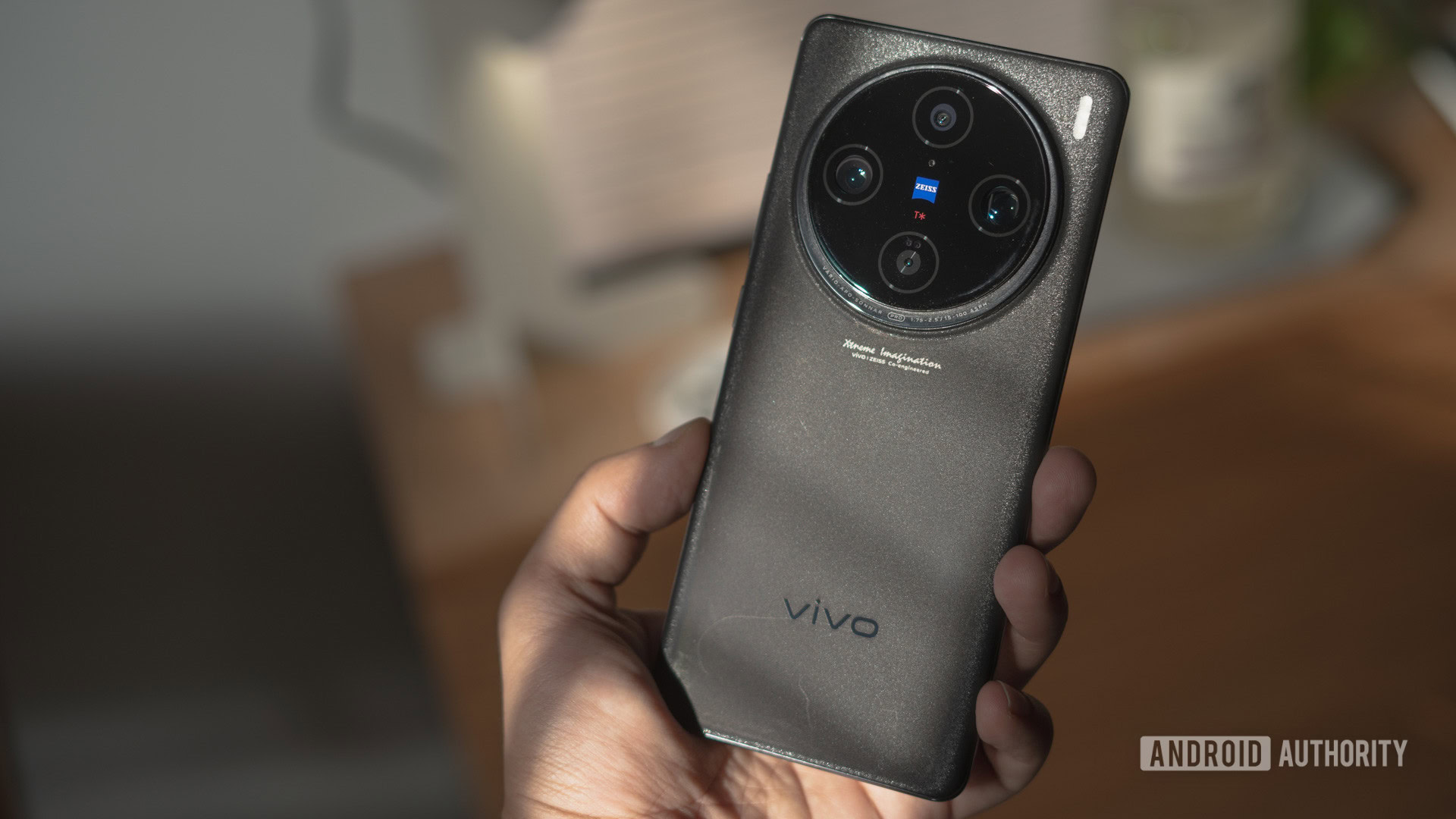
However, the reality of 2026 suggests a tactical retreat. While Huawei continues to champion the technology in its Pro and Ultra tiers, other industry leaders are narrowing the availability of these sensors. The Xiaomi 17 series serves as a prime example of this contraction; while the "Ultra" model retains the massive sensor, the "Pro" variant—traditionally a high-end photography powerhouse—has moved back to a smaller primary sensor. Similarly, Vivo, which helped pioneer the tech with the X90 Pro and X100 Pro, has pivoted away from the one-inch format for its more recent Pro releases. This trend indicates that manufacturers have identified a ceiling for how much bulk and cost the average consumer is willing to tolerate for the sake of a primary camera.
The primary culprit behind the stalling of the one-inch sensor is the uncompromising reality of internal device volume. Modern smartphones are packed with an array of components competing for every cubic millimeter: high-capacity batteries, cooling vapor chambers, 5G antennae, and increasingly complex haptic engines. A one-inch sensor is not just large in terms of its footprint on the motherboard; it also requires a significantly thicker lens assembly. To achieve focus across such a large sensor, the glass elements must be positioned further away from the silicon. This necessitates the massive, circular "Oreo-style" camera bumps that have come to define the modern "Ultra" flagship.
These camera housings have reached a point of diminishing returns regarding ergonomics. Users have increasingly complained about the "top-heavy" nature of these devices, which can make one-handed use precarious. Furthermore, the sheer thickness of the camera module makes it difficult for phones to lie flat on surfaces and often interferes with the natural placement of a user’s index finger during calls or gaming. In response, 2025 and 2026 have seen a resurgence of the "thin is in" design philosophy. Samsung and Apple, in particular, have leaned into ultra-slim aesthetics, with devices like the rumored Galaxy S25 Edge prioritizing a sleek profile over maximum sensor size. When the chassis of a phone is only 5mm or 6mm thick, a one-inch sensor becomes a physical impossibility without a camera bump that would double the device’s total thickness.
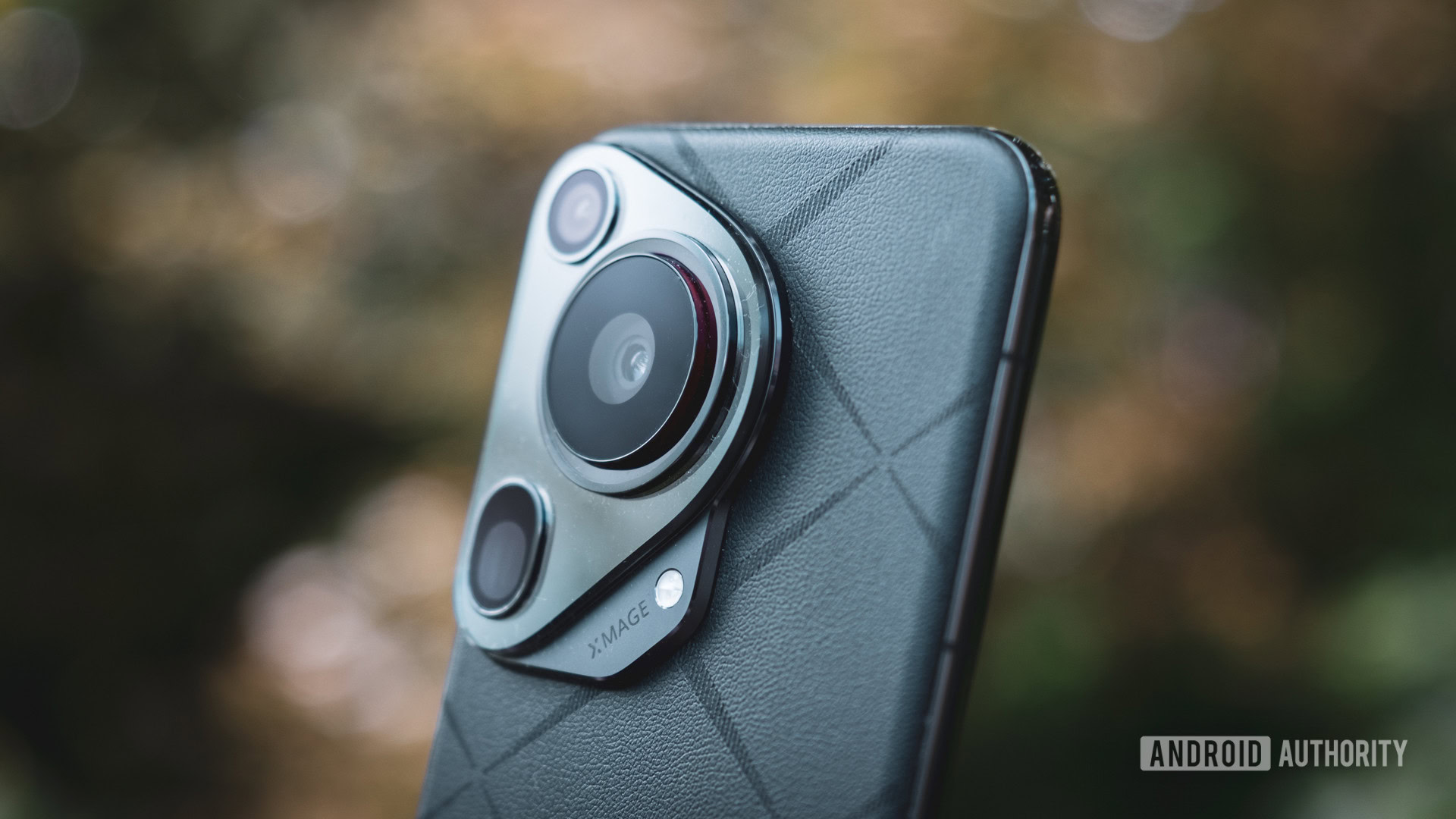
Engineering workarounds have been attempted, but they carry their own burdens. Huawei’s Pura 70 Ultra utilized a retractable lens mechanism that physically extended the optics when the camera app was opened, allowing for the necessary distance between the lens and the one-inch sensor while maintaining a thinner profile when closed. While impressive, such mechanical solutions introduce more points of failure, increase manufacturing costs, and complicate the device’s water and dust resistance ratings. Similarly, pairing these large sensors with variable apertures—necessary to control the shallow depth of field in bright light—adds another layer of hardware complexity that most manufacturers are hesitant to adopt for their high-volume models.
Beyond physical constraints, a strategic shift toward telephoto and periscope zoom technology has diverted resources away from the primary sensor. Consumer data suggests that users value the ability to zoom in on distant subjects—concerts, sporting events, or wildlife—more than the marginal gains of a slightly better main camera. Periscope lenses, which use prisms to fold light horizontally across the body of the phone, are incredibly space-intensive. Manufacturers are finding that they cannot fit both a one-inch primary sensor and a high-quality, large-sensor periscope zoom into the same frame without making the phone unacceptably thick or heavy. Consequently, many have chosen to "right-size" the main camera to roughly 1/1.3 inches, allowing for more room to innovate with 5x or 10x optical zoom modules.
The software and sensor-level innovations in smaller chips have also narrowed the performance gap. New generations of sensors, such as the Sony LYT-818 and LYT-828, utilize "stacked" architectures that separate the photodiodes from the transistor circuitry. This allows for much higher light-gathering efficiency and dynamic range on a smaller physical footprint. Manufacturers like Vivo claim that these 1/1.28-inch sensors can now rival the first-generation one-inch sensors in photo quality while actually surpassing them in video performance and HDR processing. For many brands, the "good enough" threshold has been met by these smaller, more efficient chips, making the one-inch sensor a hard sell for any device not marketed specifically as a "camera first, phone second" tool.
Despite this cooling of interest, the one-inch sensor is not destined for extinction. The supply chain is actually becoming more robust. While Sony was once the sole provider of these high-end components, Chinese firms like Omnivision and SmartSens have recently entered the fray with their own one-inch offerings. This increased competition is expected to drive down the cost of the silicon itself, potentially allowing the tech to persist in the "Ultra" tier for the foreseeable future. Sony remains publicly optimistic, with internal projections suggesting that large-format sensors will continue to grow in popularity within the ultra-premium segment through 2028.
As we look toward the landscape of 2026, the market appears to be bifurcating. On one side, we will have the "Ultra" flagships—the Xiaomi 17 Ultra and its contemporaries—which will serve as specialized imaging rigs for enthusiasts who don’t mind the bulk. These devices will likely utilize the newest 200MP large-format sensors, like the Sony LYT-901, which seek to bridge the gap between high resolution and massive sensor size. On the other side, the mainstream flagship market will focus on refinement, AI-driven image processing, and sleek industrial design. The dream of the one-inch sensor becoming the universal standard has faded, replaced by a more pragmatic realization: in the world of mobile technology, sometimes the biggest hurdle to innovation is the very pocket it is designed to fit into.