

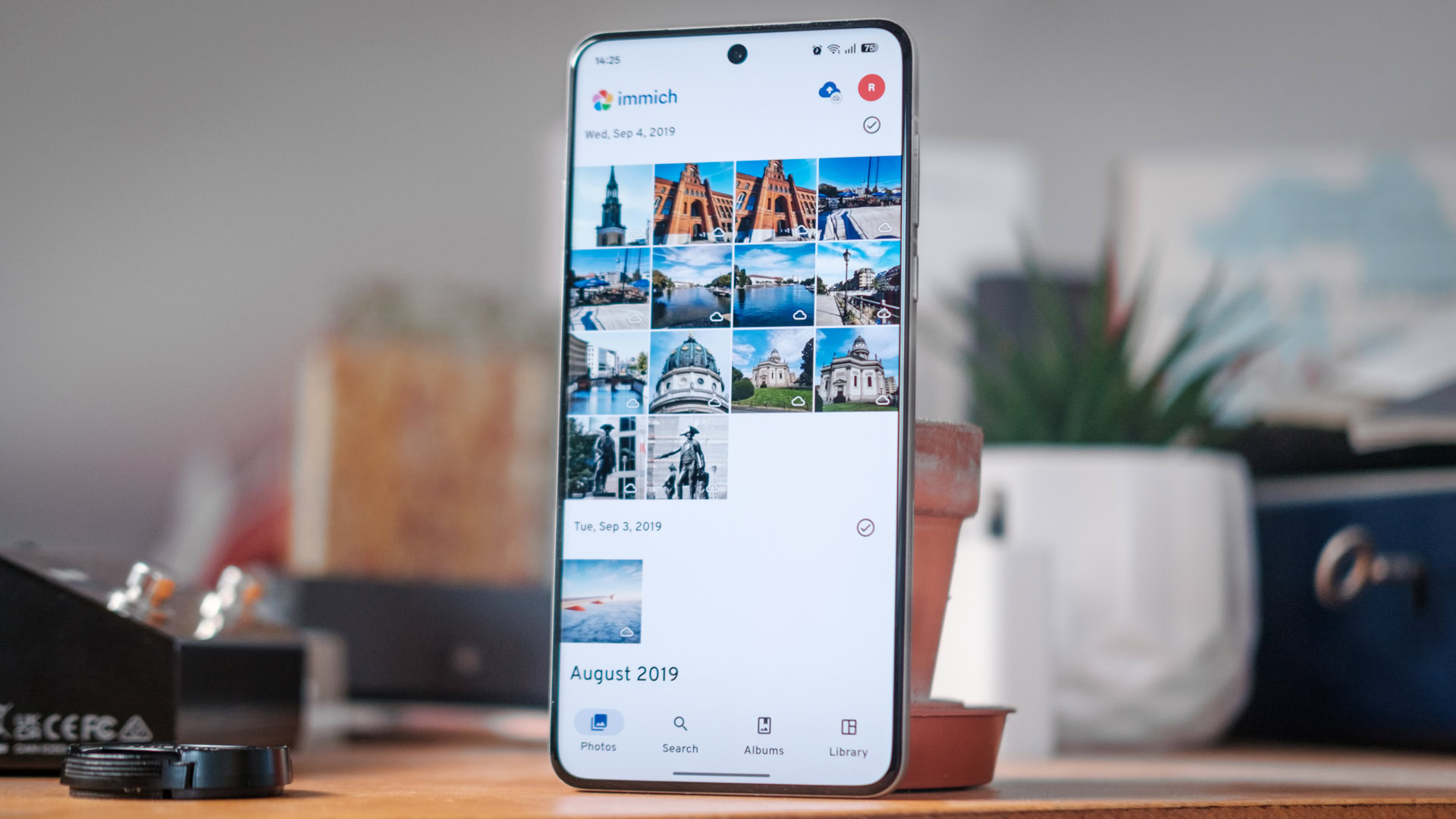
For over a decade, Google Photos has served as the de facto standard for digital memory preservation, leveraging its seamless integration with the Android ecosystem and its once-limitless storage capacity to become an indispensable utility. However, as the platform has transitioned toward more aggressive monetization through Google One subscriptions and restricted its free tiers, a growing contingent of tech-conscious users is seeking "exit ramps" from the centralized cloud. The emergence of Immich, a high-performance self-hosted photo and video management solution, has recently reached a critical milestone in its development, offering a viable, privacy-centric alternative for those willing to manage their own infrastructure.
The motivation to migrate away from Google’s ecosystem is often rooted in a combination of fiscal pragmatism and a desire for data sovereignty. While Google Photos offers an unrivaled feature set, including sophisticated AI-driven editing and effortless sharing, it requires users to surrender their most personal data to a corporate entity while paying a recurring premium for the privilege of accessing their own storage. For users who have already invested in a Network Attached Storage (NAS) device or a dedicated home server, paying for cloud storage feels redundant. A 10TB local drive, for instance, represents a massive upfront investment that renders the monthly cost of a 2TB Google One plan logically inconsistent with a self-sufficient digital lifestyle.
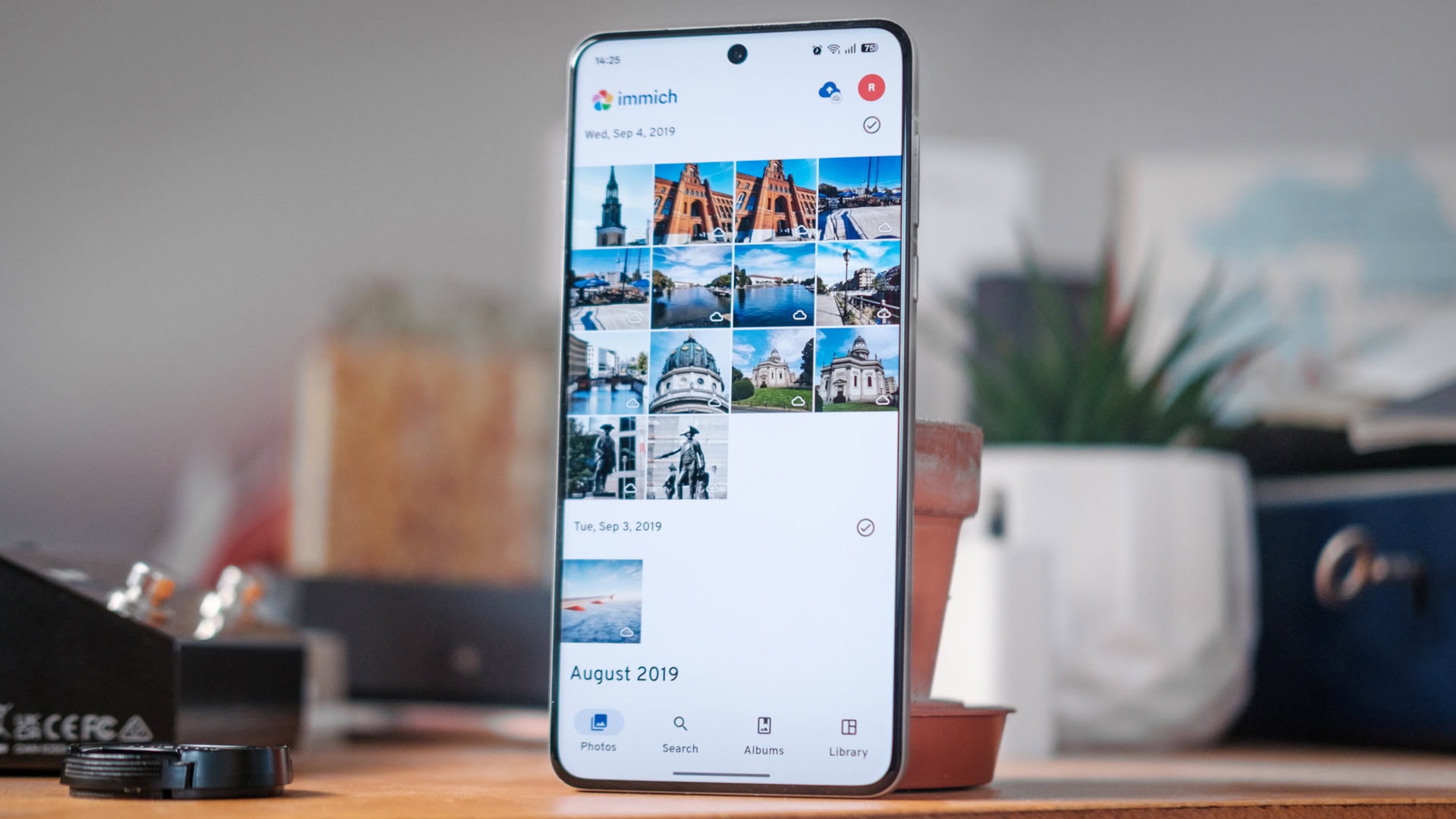
The technical landscape of self-hosting has evolved significantly. Previously, alternatives like PhotoPrism provided excellent library management but often fell short in providing the polished, multi-user experience that modern families require. Immich, which reached its first stable build in late 2025, appears to have filled this vacuum. It is designed from the ground up to mirror the aesthetics and functionality of Google Photos while operating entirely within a user’s private network. This development marks a paradigm shift in the self-hosted space, moving from "functional-but-clunky" tools to software that rivals Silicon Valley’s best offerings in terms of user interface and responsiveness.
Deploying a solution like Immich requires a foundational understanding of containerization, specifically Docker. While the project offers one-click installations for popular NAS operating systems such as Synology’s DSM, TrueNAS, and Unraid, the recommended path remains the Docker Compose route. This method provides the administrator with granular control over the environment, allowing for easier updates and better resource allocation. For those without a dedicated home server, a Virtual Private Server (VPS) remains an option; however, this reintroduces monthly costs and storage limitations, often negating the financial benefits of leaving Google. Thus, the true value of Immich is unlocked when it is paired with local hardware—a "DIY NAS" or a high-efficiency mini-PC.
One of the most compelling aspects of the Immich ecosystem is its approach to multi-user management. Unlike many open-source projects that treat user accounts as an afterthought, Immich prioritizes the "family unit" dynamic. Administrators can create distinct accounts for household members, ensuring that each individual maintains a private library. This privacy is further bolstered by features such as password-protected "Locked Folders," mirroring a popular security feature from the Google Photos mobile app. Despite this separation, the platform facilitates effortless collaboration through shared albums and partner sharing, allowing families to pool their memories without merging their entire digital lives into a single, chaotic stream.
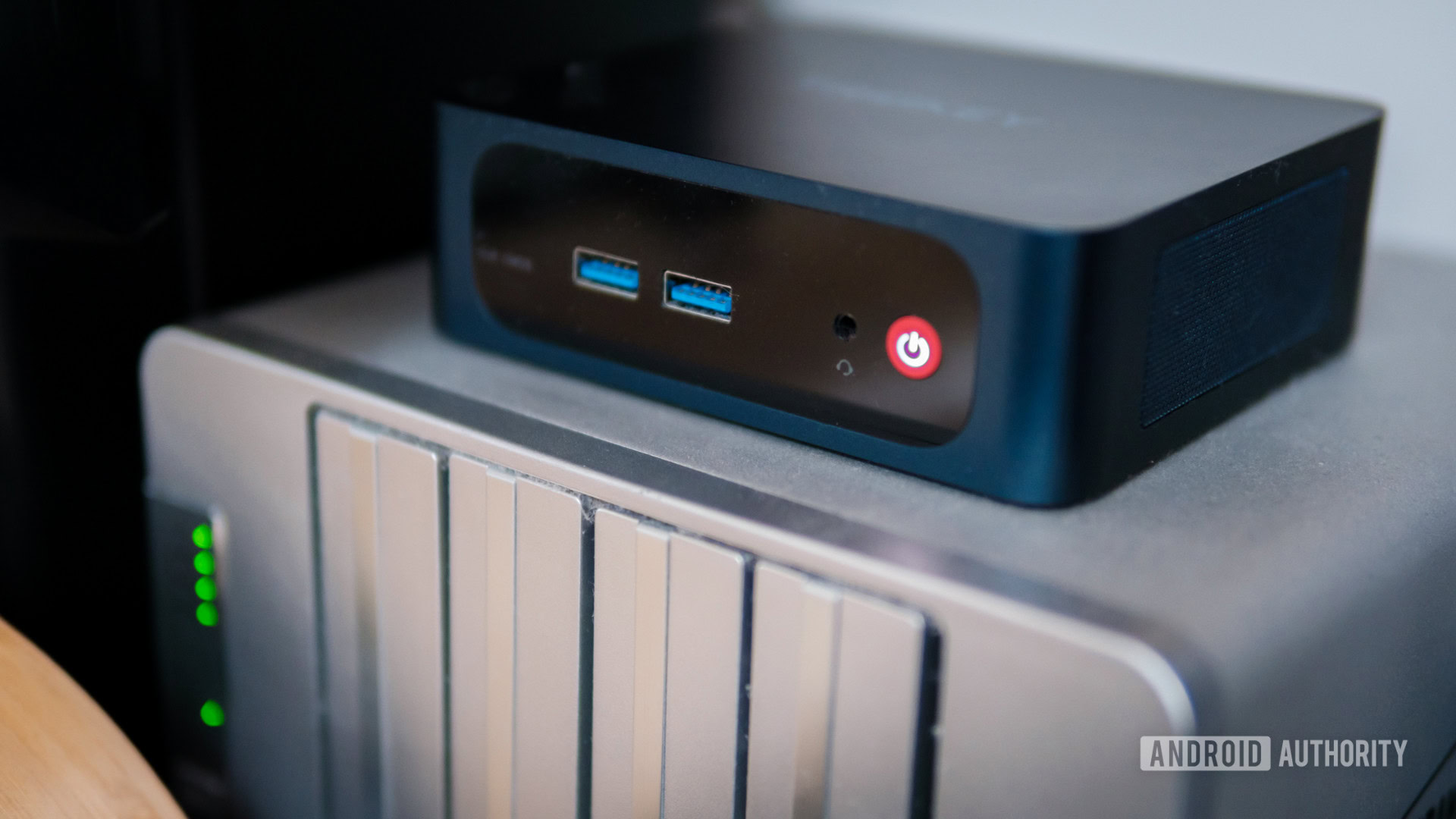
From a feature perspective, Immich achieves a high degree of parity with its cloud-based predecessor. It includes a geotagged map view, allowing users to browse their global travels via an interactive interface, and supports modern media formats like motion photos and 360-degree panoramas. Perhaps most impressive is its implementation of machine learning. The system performs local facial recognition and object detection, enabling users to search for "dogs," "beaches," or specific family members without their metadata ever leaving the premises. While this local processing is naturally limited by the power of the host machine—taking several hours to index a large library on energy-efficient hardware like an Intel N100—the result is a powerful, searchable archive that does not rely on Google’s servers for "intelligence."
However, the transition to a self-hosted model is not without its trade-offs. The most prominent deficit lies in photo editing. Google’s "Magic Editor" and its suite of generative AI tools are the products of massive server-side processing power that a home NAS simply cannot replicate. While the Immich mobile app provides basic cropping and filter tools, the web interface remains largely focused on organization rather than manipulation. Users who rely heavily on AI-assisted touch-ups may find themselves maintaining a hybrid workflow, using local tools for storage and Google’s suite for specific creative edits.
Furthermore, the "file-directory agnostic" nature of traditional media managers is a point of contention within the Immich architecture. Unlike Plex or Jellyfin, which simply scan existing folders and display the contents, Immich prefers to manage the file structure itself. When a user uploads photos via the mobile app or web UI, Immich organizes them into its own internal directory system to ensure consistency across its database and user permissions. While this is a logical necessity for a complex multi-user platform, it can be frustrating for veteran "data hoarders" who have spent years perfecting their own manual folder hierarchies. While workarounds exist—such as importing external libraries as read-only paths—the system is clearly optimized for those who are willing to let the software take the wheel of file management.

Security remains a paramount concern when moving away from a managed service. Hosting a photo library locally is exceptionally secure if the server remains offline, accessible only via a home Wi-Fi network or a private VPN like Tailscale. However, if a user wishes to share links with external friends and family, they must expose the service to the internet. This introduces a layer of risk that requires the administrator to stay vigilant regarding software updates and firewall configurations. Immich’s development team has been proactive in this regard, implementing OAuth support for secure logins and providing detailed documentation for safe deployment.
The "3-2-1 backup rule"—maintaining three copies of data, on two different media, with one copy offsite—is another critical consideration for those ditching the cloud. When using Google Photos, Google effectively acts as the offsite copy. In a self-hosted scenario, the user becomes the Chief Technology Officer of their own life. This necessitates a secondary backup strategy, such as syncing the NAS to an encrypted B2 Cloud Storage bucket or a secondary server at a relative’s house. Without this, a single hardware failure or a local disaster could result in the permanent loss of decades of memories.
Ultimately, the decision to leave Google Photos for a platform like Immich is a statement of intent. It is a move toward a future where the user, not the provider, owns the digital footprint. Immich has proven that the open-source community can produce a product that is not just a "cheap alternative," but a superior tool for those who value privacy and administrative control. While it requires a greater investment of time and technical effort than simply clicking "Upgrade" on a Google One prompt, the reward is a robust, beautiful, and entirely private gallery that will last as long as the hardware it resides on. For the modern digital citizen, that level of autonomy is becoming increasingly priceless.