

The historical identity of OnePlus as a brand was forged on the philosophy of "Never Settle," a promise that resonated deeply with a community of power users who valued software fluidity and the freedom to customize. In the early days of OxygenOS, the interface was celebrated for its proximity to stock Android, offering a lightweight experience that welcomed third-party modifications. However, as the brand has matured and its software architecture has converged with Oppo’s ColorOS, a new era of systemic complexity has emerged. This evolution has introduced a significant technical hurdle for enthusiasts: a persistent and jarring latency issue when utilizing custom launchers on modern OnePlus hardware, including the flagship OnePlus 13, the versatile Nord 5, and the cutting-edge OnePlus 15.
The core of this issue manifests most prominently during gesture navigation. When a user opts for a third-party alternative such as Nova Launcher—long considered the gold standard for Android personalization—the seamless transitions that define the modern smartphone experience begin to degrade. Specifically, the "gesture navigation pill," which facilitates the return to the home screen and switching between applications, suffers from a perceptible delay. This lag is not merely a cosmetic annoyance; it disrupts the fundamental rhythm of device interaction, creating a "jank" that makes the most powerful hardware feel unoptimized and sluggish.
Extensive testing across a broad spectrum of the current OnePlus portfolio confirms that this is not an isolated hardware defect or a localized software glitch. From the budget-friendly Nord 5 to the premium OnePlus 13R and the latest iterations of the flagship series, the symptoms remain identical. This ubiquity suggests a deeper, perhaps intentional, architectural decision within OxygenOS. Since the release of Android 10, Google integrated the "Recents" app switcher directly into the stock launcher’s code—a component known as QuickStep. Because the system UI relies on the stock launcher to handle the animations and logic of gesture navigation, switching to a third-party launcher forces the system to hand off these tasks between two different processes. On OnePlus devices, this hand-off appears to be poorly optimized or intentionally throttled, effectively tethering the user to the stock launcher if they desire a fluid navigation experience.
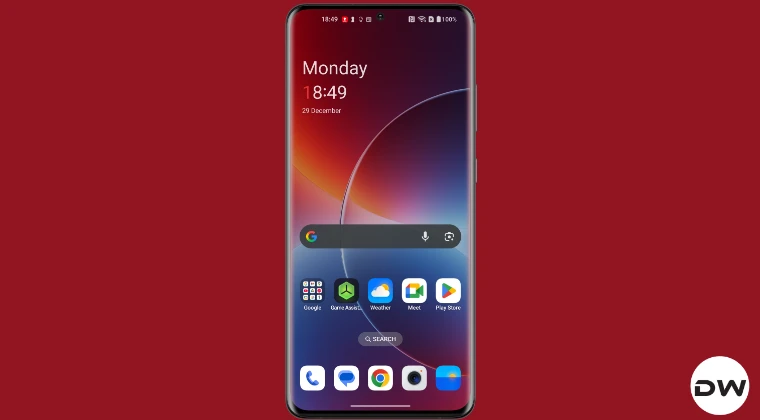
For many users, the stock launcher’s limitations are a deal-breaker. While functional, it lacks the granular icon scaling, advanced gesture mapping, and deep aesthetic control offered by custom alternatives. When users attempt to reclaim this control, they are met with a software environment that seems to resist their efforts. Traditional troubleshooting methods, such as clearing the system cache, disabling battery optimization for the launcher, or tweaking developer options like animation scales, typically yield no significant improvement. The lag is baked into the system’s interaction with the gesture navigation framework, requiring a more invasive approach to rectify.
The search for a solution leads into the world of system-level modifications, specifically the use of the Xposed Framework. Enthusiasts have discovered that a legacy module known as XEdgePro, which saw its initial release in 2016, remains remarkably effective even on the contemporary OxygenOS 16. This module, maintained and highlighted by the developer community on platforms like XDA Developers, provides the necessary hooks into the system UI to bypass the native bottlenecks that cause gesture lag. However, implementing such a fix is not a task for the faint of heart, as it requires administrative "root" access to the device’s operating system.
Rooting a device is the process of attaining privileged control over the Android subsystem. While it unlocks the ability to fix systemic issues like launcher lag, it also bypasses several security layers designed to protect the user. To proceed with the XEdgePro fix, a user must first unlock their bootloader and flash a rooting solution such as Magisk or KernelSU. This process inherently wipes the device’s internal storage, making a comprehensive data backup an absolute necessity. Furthermore, rooting can interfere with financial applications and automated over-the-air (OTA) system updates, necessitating a level of technical maintenance that goes beyond the standard user experience.
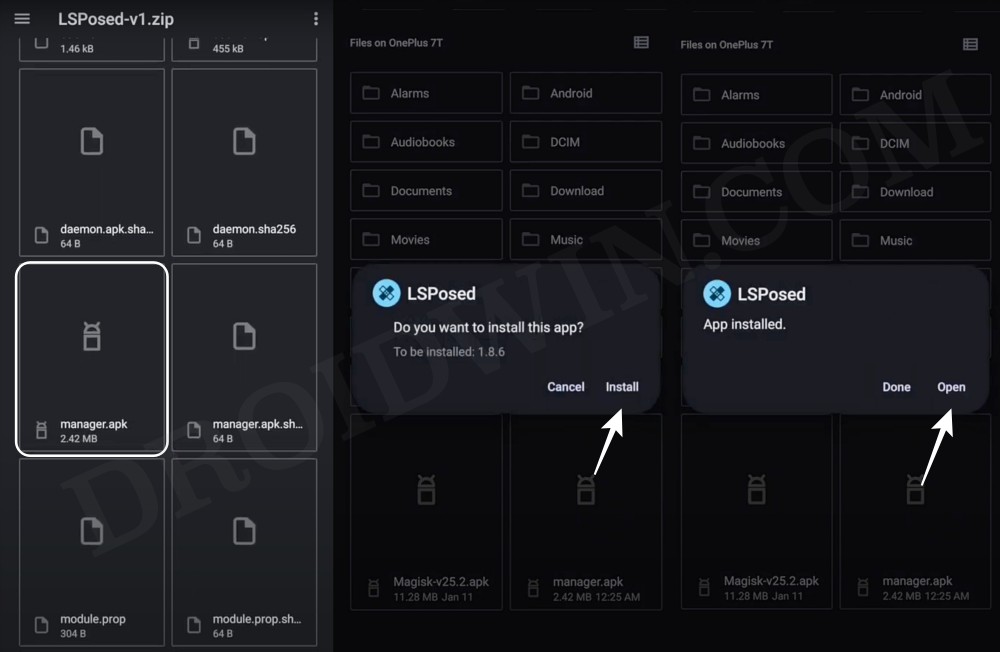
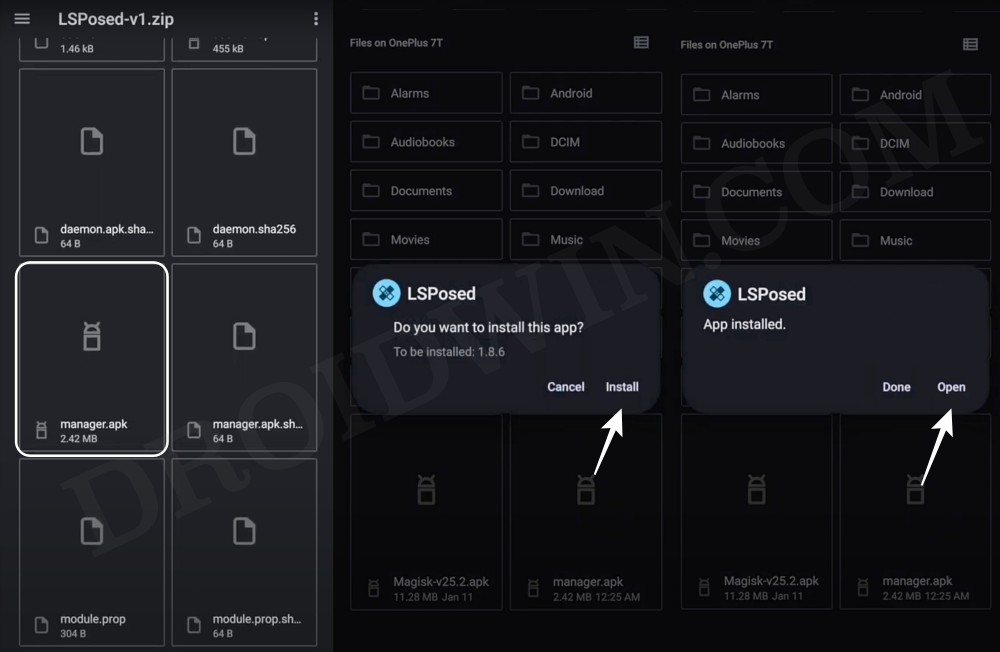
Once root access is established and the LSPosed manager (a modern implementation of the Xposed Framework) is installed, the XEdgePro module can be deployed. This software functions by intercepting the system’s gesture calls and rerouting them in a way that bypasses the stock launcher’s interference. By reconfiguring how the system perceives "Home" and "Recents" commands, XEdgePro restores the instantaneous response times that users expect from high-refresh-rate displays. The result is a transformation of the user interface; the stuttering transitions disappear, and the third-party launcher finally operates with the same priority and smoothness as the factory-installed software.
The existence of such a workaround highlights a growing tension in the Android ecosystem. As manufacturers strive to create "walled gardens" through deep software integration, they often alienate the very power users who helped build their brand’s reputation. The deliberate or negligent degradation of third-party launcher performance is a form of soft-lock-in, steering users toward the manufacturer’s ecosystem by making the alternatives feel inferior. In the case of OnePlus, the fact that a module from 2016 is required to fix a flagship device in 2025 speaks volumes about the stagnation of open-platform flexibility in modern smartphone firmware.
While the XEdgePro fix is a testament to the ingenuity of the Android modding community, it also serves as a reminder of the risks involved in modern device ownership. Modifying system files can lead to instability if not performed with precision. There is always the marginal risk of "bricking" a device—rendering it non-functional—or encountering software conflicts that could lead to data loss. Consequently, this path is reserved for those who prioritize customization and performance over the safety of the manufacturer’s "out-of-the-box" experience.
Looking forward, the community remains hopeful that OnePlus will address these navigation inconsistencies in future builds of OxygenOS. As hardware continues to push the boundaries of speed with the Snapdragon 8 Gen series and ultra-fast UFS 4.0 storage, software should not be the limiting factor. The demand for a "clean" and "open" Android experience remains high, and as long as manufacturers continue to implement restrictive software architectures, the cycle of rooting and modding will persist. For now, the XEdgePro workaround remains the most viable bridge between the powerful hardware of the OnePlus 15 and the versatile software environment of third-party launchers.
In conclusion, the lag experienced by OnePlus users on custom launchers is a multifaceted issue rooted in the deep integration of gesture navigation and system UI. It represents a shift from the user-centric customization of the past toward a more controlled, proprietary future. However, through the use of root-level tools and community-driven software modules, users can still reclaim the "Never Settle" experience. By bypassing the inherent limitations of OxygenOS 15 and 16, enthusiasts can ensure that their device performs at its peak, proving that even in a restricted software landscape, the spirit of Android customization remains alive and well. For those willing to navigate the complexities of rooting and system modification, the reward is a device that finally feels as fast and responsive as its specifications suggest.