

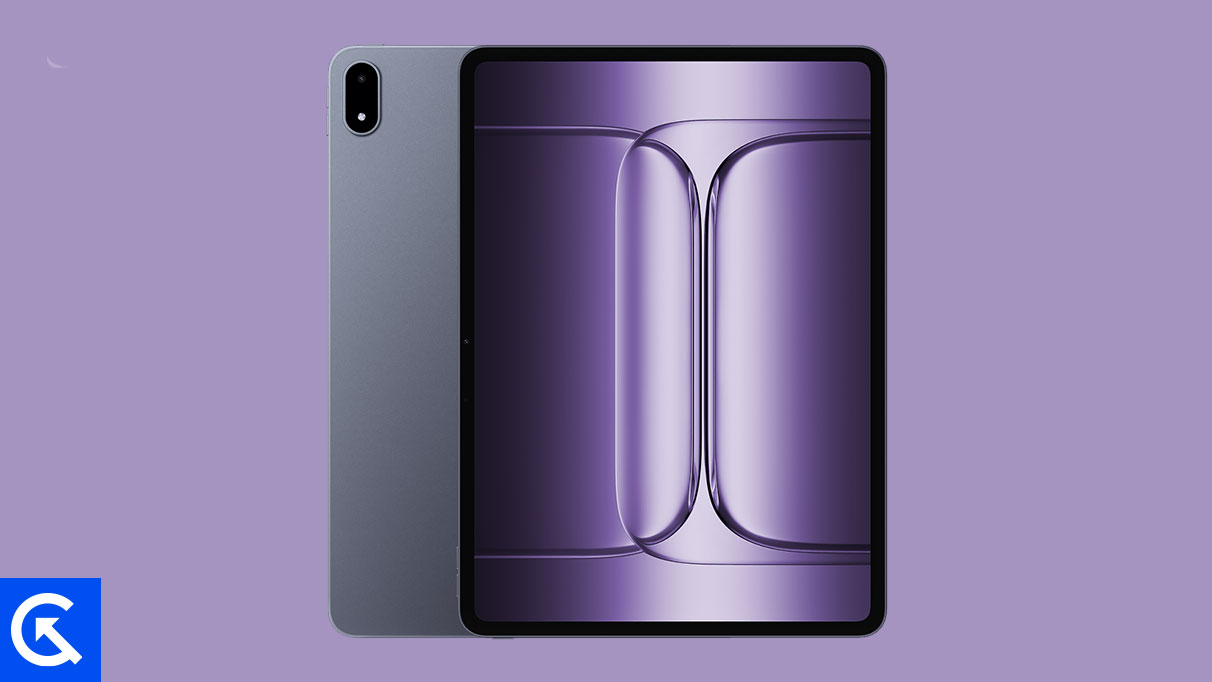
The OnePlus Pad 3, often recognized as the OnePlus Pad 2 Pro in certain global markets, represents a pinnacle of premium Android tablet engineering. Its hardware specifications—featuring a massive 13.2-inch high-resolution IPS LCD, an exceptional 144Hz refresh rate, and the formidable Snapdragon 8 Elite chipset—position it as a direct competitor to high-end productivity devices. Coupled with an expansive 12,140 mAh battery and 80W rapid charging, the device is inherently built for sustained, demanding usage, whether for intensive multitasking, creative applications, or extended media consumption utilizing its advanced eight-speaker stereo system.
Despite this robust foundation, the device ships with Android 15 layered beneath ColorOS 15. While the manufacturer’s firmware offers polished features, many advanced users find themselves constrained by proprietary optimizations, pre-installed applications (often termed "bloatware"), and a slower cadence of major Android updates compared to the open-source community. This inherent tension between closed OEM software and user demand for ultimate control drives the market for aftermarket firmware, or Custom ROMs, especially for powerful, developer-friendly hardware like the OnePlus Pad 3.
The Philosophical Divide: Stock vs. Custom Firmware
Understanding the appeal of Custom ROMs requires differentiating them from the standard, or Stock, ROM. Stock firmware is the operating system image pre-loaded by the manufacturer upon purchase. It is optimized for hardware stability and basic functionality but is inherently limited by the feature set and security policy defined by the OEM. These limitations often result in a less efficient use of the device’s processing power and delayed access to the newest security patches and core Android features.
Custom ROMs, conversely, are entirely rebuilt operating system images derived from the Android Open Source Project (AOSP) code base. Because Android is fundamentally open-source, independent developers and community teams can strip away unnecessary proprietary code, carrier applications, and aesthetic overlays. The resulting firmware is typically streamlined, optimized for speed, and focused on pure, unmodified Android functionality, often referred to as a "vanilla" experience. This customization process allows users to gain granular control over performance profiles, battery consumption, and privacy settings, providing a level of personalization unattainable with stock firmware. Furthermore, Custom ROMs frequently bring newer versions of Android to devices long after the manufacturer has ceased official support, extending the Pad 3’s viable lifespan.
The Prerequisite: Establishing the Custom Environment
The transition from a secured stock environment to a customizable platform is universally predicated on installing a custom recovery environment. For the OnePlus Pad 3/Pad 2 Pro, this involves unlocking the device’s bootloader and flashing a specialized recovery solution, such as Team Win Recovery Project (TWRP). TWRP acts as the necessary intermediary, allowing users to bypass the stock system partition to install, or "flash," new operating systems, kernels, and modifications.
This step is critical because the Custom ROM images are not standard system updates; they are complete replacements of the existing operating system and kernel. While unlocking the device opens the door to immense performance and customization gains, it is a technical procedure that carries inherent risks, including the potential voiding of the device warranty and the necessity of carefully following installation protocols to prevent device instability or, in extreme cases, soft-bricking the tablet. Users must confirm the availability and stability of a dedicated TWRP build for the specific OnePlus Pad 3 hardware variant before attempting to proceed with any custom firmware installation.
![List of Best Custom ROM for OnePlus Pad 3 / OnePlus Pad 2 Pro [Updated]](https://www.getdroidtips.com/wp-content/uploads/2026/01/OnePlus-Pad-3.jpg)
A Catalog of Elite Custom Firmware for the Pad 3
The OnePlus Pad 3 has garnered significant attention within the developer community, leading to the rapid development of several high-quality custom ROMs tailored to exploit its powerful hardware.
LineageOS: The Gold Standard of Customization
LineageOS stands as the undeniable successor to the legendary CyanogenMod (CM), retaining its ethos of stability, security, and widespread device compatibility. For the OnePlus Pad 3, LineageOS provides a clean, refined AOSP experience with core features that enhance usability without unnecessary bloat. LineageOS is renowned for its consistent updates and robust security infrastructure. Versions 22 and 23, based on recent iterations of Android, are actively being developed for the Pad 3 platform. LineageOS appeals particularly to users who demand a daily-driver level of stability combined with essential customization features, such as advanced status bar controls, customizable navigation bars, and granular quick toggle adjustments. Its open development structure ensures that any reported bugs are addressed swiftly by the community, maintaining its status as one of the most reliable aftermarket firmwares available.
CrDroid OS: The Customization Powerhouse
CrDroid OS targets the segment of users who prioritize deep system customization above all else. Built upon the foundation of AOSP and LineageOS, CrDroid integrates features liberally borrowed from other popular projects, including AOSPA (Paranoid Android) and SlimROM. This philosophy results in a highly feature-rich operating system that retains the speed and responsiveness of AOSP while offering an unparalleled array of aesthetic and functional tweaks. CrDroid v12 for the Pad 3 promises a near-pure Android experience enhanced by extensive UI modifications, advanced gesture controls, and performance tuning options, making it ideal for enthusiasts who view their tablet as a platform for continuous personalization.
AICP (Android ICE Cold Project): Community-Driven Maturity
The Android ICE Cold Project (AICP) boasts one of the longest histories in the custom ROM space, tracing its origins back to 2012. Over more than a decade, AICP has evolved into a highly mature and stable firmware, distinguished by its dedicated and welcoming community. Currently based on the latest LineageOS source code, AICP incorporates carefully selected tweaks from AOSP to strike a balance between high performance and practical utility. The official release of AICP Android 16 for the Pad 3 demonstrates the community’s commitment to providing cutting-edge Android experiences, focusing on incremental improvements and robust stability suitable for heavy daily use.
Pixel Experience ROM: Authentic Google Integration
For many users, the ideal Android experience is defined by Google’s own vision as manifested in the Pixel smartphone lineup. Pixel Experience ROM is designed to replicate this specific aesthetic and functional environment perfectly. When fully ported to the OnePlus Pad 3, this ROM will provide all the proprietary Google applications, wallpapers, boot animations, and features that define the native Pixel experience. This is the optimal choice for users transitioning from a Google device or those seeking the simplest, most polished AOSP interface without extensive third-party customization options. While the official build for the Pad 3 remains forthcoming, its anticipated arrival is highly awaited as it promises to transform the OnePlus Pad 3 into a pure Google tablet platform.
In conclusion, while the OnePlus Pad 3 offers exceptional hardware out of the box, the vibrant custom ROM community provides a pathway to unlock unprecedented levels of performance, efficiency, and longevity. By embracing the open-source nature of Android and utilizing tools like TWRP, users can tailor the tablet’s powerful internals to their exact specifications, ensuring the device remains at the forefront of mobile computing innovation long after its official manufacturer support cycle concludes.