

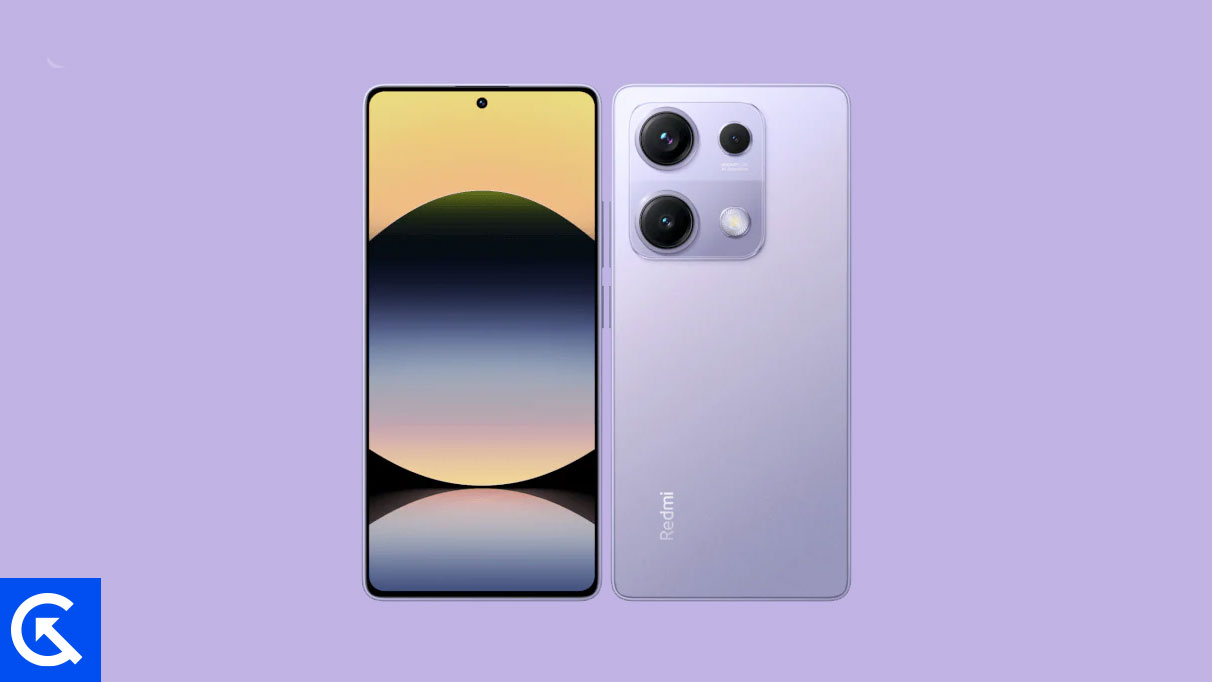
The relentless pace of smartphone innovation often leaves capable mid-range hardware stranded on outdated operating systems. For owners of the Xiaomi Redmi Note 14S, a powerful device launched in early 2025 running Android 15 with the proprietary HyperOS overlay, the official path to Google’s latest platform, Android 16, remains uncertain. However, the dedicated Android developer community has bridged this gap, successfully porting unofficial AOSP (Android Open Source Project) builds of Android 16, allowing users to unlock the device’s full potential and enjoy cutting-edge features years before potential official support—if it ever arrives. This sophisticated process, while requiring careful execution, provides a significant performance and feature uplift for the popular Note 14S handset.
Android 16: The Era of Material 3 Expressive
Android 16 represents a significant refinement in Google’s mobile platform, moving beyond mere iterative updates. The most visually arresting change is the introduction of Material 3 Expressive. This design evolution is not a radical overhaul but rather a substantial polish on the foundational Material Design 3 language established in prior versions. Material 3 Expressive emphasizes fluidity, enhanced visual hierarchy, and improved tactile interaction. This includes smoother, more dynamic system animations that provide better context for user actions, bolder and more adaptable typography that scales effectively across different device types, and larger, more responsive touch targets that improve accessibility and usability, particularly on larger screens and foldable devices.
While the visual enhancements are immediately noticeable, Android 16 also incorporates crucial system optimizations. These underlying improvements are designed to maximize efficiency on modern hardware, leading to a reduced memory footprint, faster application launch times, and sophisticated battery management protocols. Beyond the surface, the update typically includes fortified security layers, enhanced privacy controls governing background application access to sensitive sensors, and expanded functionality for cross-device continuity, optimizing the experience for users who frequently switch between their phone, tablet, and wearable devices.
![How to Install Android 16 on Xiaomi Redmi Note 14S [Download Link]](https://www.getdroidtips.com/wp-content/uploads/2025/03/Xiaomi-Redmi-Note-14S.jpg)
Hardware Analysis: The Redmi Note 14S Platform
The Xiaomi Redmi Note 14S, despite its mid-range designation upon its March 2025 release, features specifications that ensure it remains a potent platform for running advanced operating systems like Android 16. Its foundation rests on the efficient MediaTek Helio G99 Ultra chipset, an octa-core processor paired with the Mali-G57 MC2 GPU, delivering reliable performance for both routine tasks and demanding mobile gaming. Complementing this is a generous 8GB of RAM and 256GB of UFS 2.2 internal storage, with flexibility for expansion via a shared microSDXC slot.
The visual experience is anchored by a vibrant 6.67-inch AMOLED display, offering a 120Hz refresh rate and a peak brightness of 1300 nits, protected by Corning Gorilla Glass 5. Photographically, the device excels with a high-resolution 200MP main camera featuring Optical Image Stabilization (OIS), supported by an 8MP ultrawide and a 2MP macro lens. Selfies are handled by a 16MP front sensor capable of 1080p video recording. Powering the system is a substantial 5000mAh battery, supported by 67W fast charging technology, which allows the device to reach a 100% charge in a swift 46 minutes. The integration of dual stereo speakers, a 3.5mm headphone jack, an IR blaster, and an IP64 rating for water and dust resistance rounds out a comprehensive feature set, making the Note 14S an ideal candidate for long-term software support via custom development.
Custom ROM Stability and Developer Commitment
The availability of an unofficial Android 16 port so quickly after Google’s official rollout for Pixel devices underscores the agility and dedication of the open-source community. Initial reports regarding this specific AOSP build for the Redmi Note 14S are highly positive. Unlike many early custom ROMs that suffer from non-functional core components, developers report remarkable stability, with key functionalities—including cellular radio, Wi-Fi, Bluetooth 5.2, GPS, and camera operation—functioning correctly out of the gate.
While the community reports indicate that "everything seems to be working fine," users must remember that custom ROMs are intrinsically experimental. Should any minor issues or bugs be detected, the community standard requires users to meticulously document and report these findings, along with appropriate system logs, directly to the developer. This collaborative feedback loop is essential for refining the build and ensuring that the unofficial port achieves parity with official stable releases.
![How to Install Android 16 on Xiaomi Redmi Note 14S [Download Link]](https://www.getdroidtips.com/wp-content/uploads/2025/03/Xiaomi-Redmi-Note-14S-300x169.jpg)
Essential Pre-Installation Protocols
Flashing a custom operating system demands meticulous preparation. Bypassing proprietary manufacturer software protection mechanisms requires several non-negotiable steps, each carrying potential risks if not executed precisely.
1. Comprehensive Data Preservation
The process of unlocking the bootloader and subsequent flashing operations are inherently destructive. Before initiating any technical steps, users must perform a complete and verifiable backup of all personal data, including contacts, media, application data, and configuration files. Utilizing cloud services and external physical storage is highly recommended to prevent catastrophic data loss.
2. Power Requirements
To mitigate the risk of a critical failure (known as "bricking") during the flashing process, the device battery must be charged to a minimum threshold of 50%. Sudden power loss during crucial firmware modification can render the device permanently inoperable.
3. Establishing the Digital Toolchain: ADB and Fastboot
Successful interaction between the host computer and the mobile device relies on the proper command-line utilities. ADB (Android Debug Bridge) facilitates communication and debugging while the device is running or in recovery mode. Fastboot is the more powerful utility used for flashing critical partitions (like the recovery image) while the device is in bootloader mode. Users must download the official Platform-Tools package containing these binaries and ensure they are accessible via the command prompt.
![How to Install Android 16 on Xiaomi Redmi Note 14S [Download Link]](https://www.getdroidtips.com/wp-content/uploads/2020/06/cmd-platform-tools.jpg)
4. System and Device Connectivity Drivers
The host computer must recognize the Redmi Note 14S in both normal and bootloader states. Installing the latest official Xiaomi USB drivers is mandatory to ensure stable, high-speed data transfer and command execution during the flashing sequence.
5. Bootloader Access and Unlocking
Unlocking the bootloader is the foundational requirement for installing any non-Xiaomi signed software. This process removes the manufacturer’s security lock, allowing custom binaries to be executed. Xiaomi provides official instructions for this procedure, but users must be aware that this action invariably voids the device warranty and triggers a mandatory factory data reset, hence the critical need for step one (data backup).
6. Custom Recovery Installation (TWRP)
Following the bootloader unlock, a custom recovery environment must be installed. The industry standard, TWRP (Team Win Recovery Project), replaces the stock recovery and offers the necessary graphical interface and functionality to install unsigned ZIP files, which include the Android 16 custom ROM image and the Google Apps package (GApps).
7. Essential Software Downloads
The user must secure two primary files: the specific Android 16 custom ROM image tailored for the Redmi Note 14S, typically available from dedicated developer forums, and the corresponding GApps package for Android 16. Since AOSP builds intentionally exclude Google’s proprietary services (Play Store, Maps, Gmail), the GApps package must be flashed immediately following the ROM installation, without an intervening reboot, to ensure full access to the Google ecosystem.
![How to Install Android 16 on Xiaomi Redmi Note 14S [Download Link]](https://www.getdroidtips.com/wp-content/uploads/2020/08/twrp-custom-rom.jpg)
The installation procedure itself involves booting into TWRP recovery, performing system and data wipes, flashing the Android 16 ROM file, and subsequently flashing the GApps package. The initial boot cycle after installing a custom ROM is significantly longer than a standard reboot, a normal consequence of the system rebuilding its cache and optimizing the new environment.
By diligently following these highly technical steps, Redmi Note 14S owners gain access to a modern, optimized operating system, effectively extending the functional lifespan of their hardware and benefiting from the superior design and performance enhancements offered by Android 16. This commitment to custom software development remains the most effective method for high-specification mid-range devices to remain current with the latest mobile technology.