

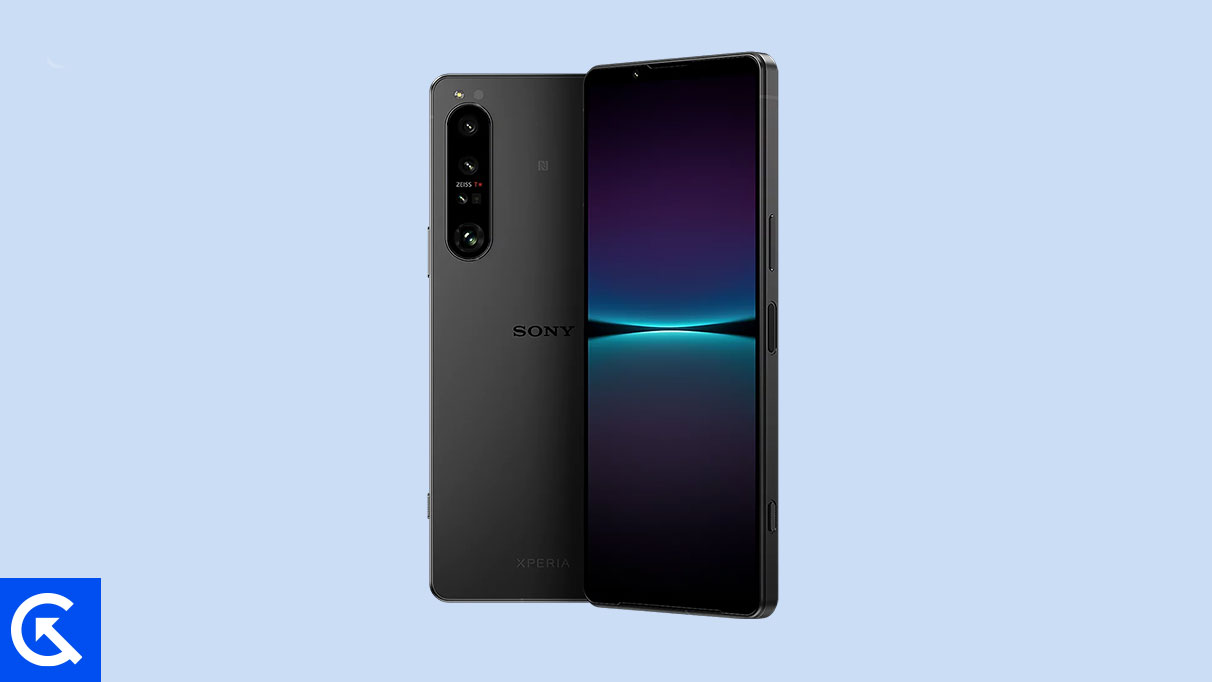
The Sony Xperia 1 IV, a premium device initially launched with Android 12, is receiving a significant extension of its functional lifespan through the rapid development of custom firmware. Following Google’s recent release of the Android 16 operating system for its flagship Pixel line, the developer community has successfully ported unofficial Android Open Source Project (AOSP) builds, making the cutting-edge OS accessible to powerful legacy devices like the Xperia 1 IV. This community-driven effort allows users to circumvent the official software support lifecycle, granting access to the latest security protocols and user experience refinements long before, or instead of, manufacturer deployment.
The migration to an Android 16-based custom ROM represents a pivotal move for owners seeking to maximize the utility of their high-end hardware. While official updates for the Xperia 1 IV may eventually cease, the availability of these unofficial ports ensures that the device remains current, stable, and equipped with modern features.
Android 16: An Evolution in Interface Design
The defining characteristic of Android 16 is the introduction of Material 3 Expressive, a refined iteration of Google’s comprehensive design language. Unlike dramatic visual overhauls seen in prior Android generations, Material 3 Expressive focuses on enhancing fluidity, polish, and usability. It builds upon the established Material Design 3 foundation, which first appeared in Android 13, by prioritizing smoother, more dynamic system animations, increasing the size and accessibility of touch targets, and implementing bolder, more structured typography.
![How to Install Android 16 on Sony Xperia 1 IV [Download Link]](https://www.getdroidtips.com/wp-content/uploads/2023/12/Sony-Xperia-1-IV.jpg)
This design evolution arrives opportunely, revitalizing an interface that had begun to feel static. Material 3 Expressive injects a palpable sense of dynamism into the user experience, subtly improving interaction points and visual feedback without radically altering the familiar aesthetic. The underlying intent is to create an OS that is more adaptable and scalable across the diverse modern Android ecosystem, benefiting not just standard smartphones but also emerging form factors such as foldables and high-resolution tablets. Furthermore, Android 16 incorporates numerous system-level optimizations designed to improve resource management, battery efficiency, and overall security posture, reinforcing the platform’s stability.
While official distribution prioritizes Google Pixel devices, the enthusiasm of the open-source community ensures that highly functional, if technically unofficial, AOSP builds quickly migrate to devices from manufacturers like Sony, Xiaomi, and OnePlus, allowing proactive users to immediately leverage these system improvements.
The Enduring Power of the Sony Xperia 1 IV
The continued relevance of the Sony Xperia 1 IV as a platform for future operating systems is rooted in its formidable hardware specifications. Launched as a true flagship, the device features a stunning 6.5-inch OLED display boasting a 1644 x 3840 pixel resolution. Its cinematic 21:9 aspect ratio and approximately 643 pixels per inch (ppi) density, coupled with a 120Hz refresh rate and HDR BT.2020 support, ensure that the visual experience remains top-tier and fully capable of rendering the advanced graphical demands of Android 16.
Internally, the Xperia 1 IV is powered by the high-performance Qualcomm SM8450 Snapdragon 8 Gen 1 chipset, paired with the Adreno 730 GPU. This configuration provides ample processing power for modern multitasking and demanding applications. Storage options are robust, featuring UFS technology across configurations that include 256GB with 12GB RAM, and 512GB options with 12GB or 16GB RAM.
![How to Install Android 16 on Sony Xperia 1 IV [Download Link]](https://www.getdroidtips.com/wp-content/uploads/2023/12/Sony-Xperia-1-IV-300x169.jpg)
Crucially for many Sony enthusiasts, the advanced camera system remains a key asset. The rear setup includes a 12 MP wide lens, 12 MP telephoto lenses offering continuous optical zoom, and a 12 MP ultrawide lens, supplemented by a 0.3 MP TOF 3D depth sensor. Features like Zeiss optics, 4K video recording capabilities, and native Sony Alpha camera support underscore its photographic pedigree. Maintaining this premium functionality while integrating a modern OS is a major driver for custom ROM installation.
The device is rounded out by a 5000 mAh battery supporting 30W wired charging (achieving 50% capacity in 30 minutes), wireless charging, and comprehensive connectivity including Wi-Fi 6e and Bluetooth 5.2.
Essential Pre-Installation Technical Requirements
The process of installing an unofficial AOSP build is technically demanding and requires meticulous preparation. Unlike official over-the-air updates, this procedure involves fundamental modifications to the device’s system partitions, necessitating several key steps to mitigate the risk of data loss or device malfunction.
1. Data Integrity and Backup: Given that the installation process involves extensive device wiping, a complete backup of all personal data, including photos, contacts, and application data, is non-negotiable.
![How to Install Android 16 on Sony Xperia 1 IV [Download Link]](https://www.getdroidtips.com/wp-content/uploads/2020/06/cmd-platform-tools.jpg)
2. Bootloader Unlocking: The primary barrier to custom modification is the device’s locked bootloader. The bootloader is a critical security mechanism enforced by the manufacturer. Unlocking the bootloader of the Sony Xperia 1 IV is a mandatory prerequisite for flashing custom firmware. It must be noted that this action typically voids the manufacturer warranty and, crucially, triggers a complete factory reset, erasing all existing data.
3. Command-Line Utilities (ADB and Fastboot): These essential binaries, part of Google’s Platform-Tools, provide the necessary communication channels between the host computer and the mobile device. ADB (Android Debug Bridge) is used for debugging and interacting with the device while it is running. Fastboot, however, is a low-level protocol used in the bootloader environment specifically for flashing critical partitions and custom recovery images.
4. Custom Recovery Environment (TWRP): After the bootloader is unlocked, a custom recovery environment, such as Team Win Recovery Project (TWRP), must be installed. TWRP replaces the stock recovery and offers a graphical interface that allows users to navigate the device’s file system, create advanced backups, perform necessary data wipes, and, most importantly, flash unsigned ZIP archives, which is the format in which custom ROMs and GApps are distributed.
5. Firmware and Application Packages: Two core components must be acquired: the specific Android 16 custom ROM image tailored for the Sony Xperia 1 IV, and the corresponding Google Application Packages (GApps). AOSP builds are pure Android environments that do not include proprietary Google services (such as the Play Store, Maps, and Gmail). GApps must be flashed immediately after the ROM, without rebooting the device, to ensure full functionality of Google services.
![How to Install Android 16 on Sony Xperia 1 IV [Download Link]](https://www.getdroidtips.com/wp-content/uploads/2020/08/twrp-custom-rom.jpg)
Installation Protocol and Current Status
Once all prerequisites are met, the installation involves booting the device into the custom recovery (TWRP). The standard procedure includes performing a factory reset and wiping the necessary partitions (often including cache, system, and data) to prepare for the new operating system. Subsequently, the user flashes the Android 16 custom ROM file, followed directly by the Android 16 GApps package.
Early reports regarding the stability of the Android 16 port on the Sony Xperia 1 IV are encouraging, suggesting that most core functionalities—including display, connectivity, and primary hardware components—are operational. However, users engaging with these unofficial builds must understand that they are operating in an early-development environment. While the current status indicates broad functionality, minor issues or specific hardware glitches may surface. Community transparency and prompt reporting of any bugs, accompanied by detailed log files, are vital for the continuous improvement of the developer port.
By undertaking this rigorous process, users of the Sony Xperia 1 IV are not simply updating their operating system; they are actively extending the productive life of a high-specification device. This commitment to community-driven development ensures that premium hardware continues to benefit from the latest security enhancements and user experience innovations that the manufacturer may no longer officially provide.