

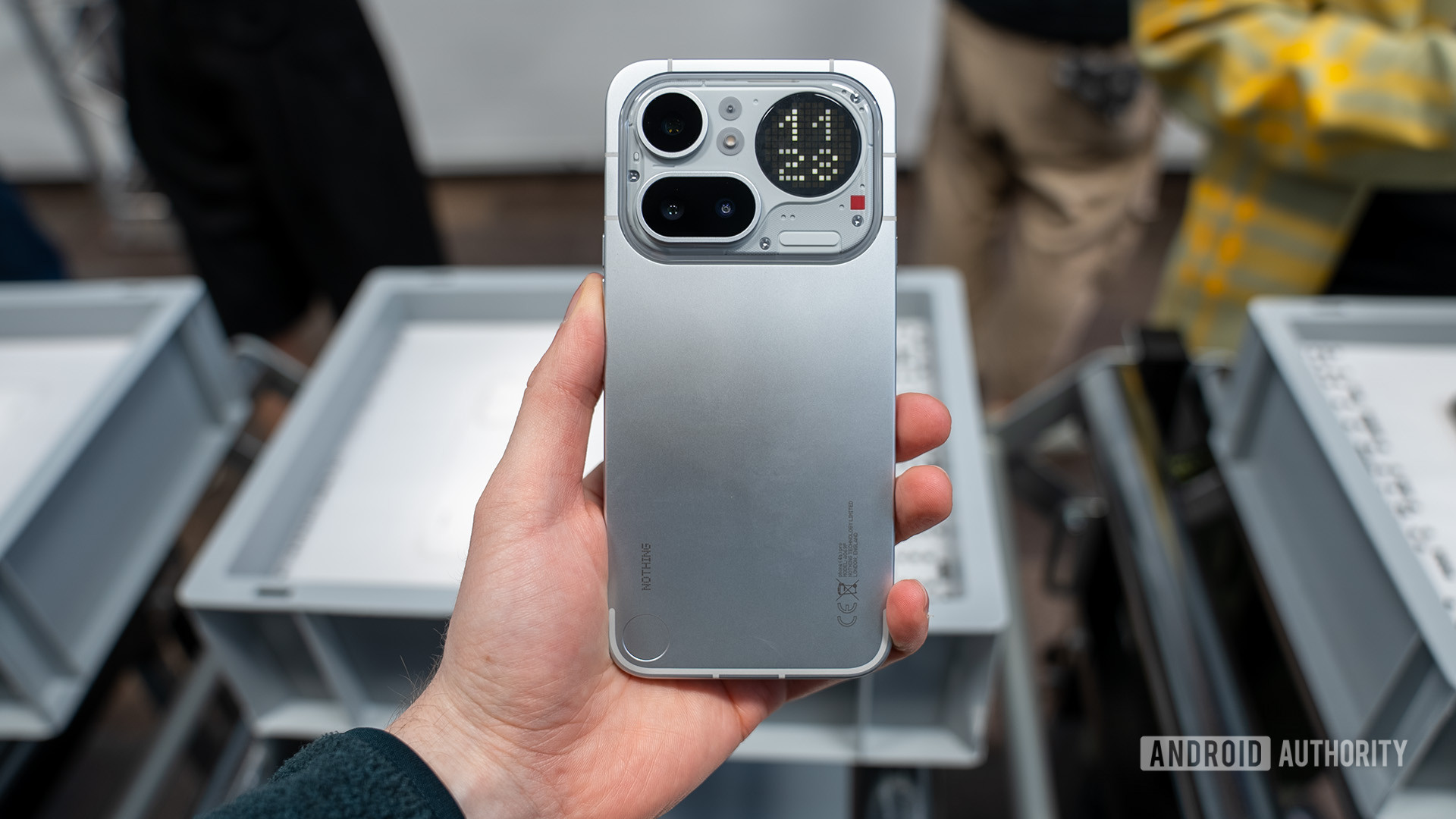
The global smartphone market of 2026 continues to be defined by a fierce battle for the "mid-range" crown, a price segment where the lines between flagship performance and affordable utility have become increasingly blurred. This month’s unveiling of the Nothing Phone 4a Pro has sent ripples through the industry, signaling a departure from the brand’s traditional aesthetic while doubling down on experimental hardware. With its unconventional camera sensor arrangement, a rear-facing camera island reminiscent of the iPhone 17 Pro, and a secondary notification display positioned in the upper-right corner of the chassis, the Phone 4a Pro is undeniably the most visually distinct device of the year. Yet, for many consumers, Nothing’s pivot away from its signature transparent "Glyph" interface toward more eccentric hardware quirks raises a fundamental question: Is innovation for the sake of being different enough to justify a $500 investment?
While the Nothing Phone 4a Pro boasts a respectable specification sheet and an aggressive entry price, the Android ecosystem in 2026 is more robust than ever. For users who prioritize long-term software support, photographic reliability, or raw processing power over experimental industrial design, several established alternatives offer a more cohesive experience. As the initial hype surrounding Nothing’s latest announcement settles, it becomes clear that five specific handsets—ranging from Google’s AI-integrated powerhouses to Motorola’s foldable disruptors—present a more compelling case for the average consumer’s wallet.
Leading the charge as the most pragmatic alternative is the Google Pixel 10a. While it may lack the avant-garde flair of the Nothing Phone 4a Pro, the Pixel 10a represents the pinnacle of Google’s "software-first" philosophy. The device is built around the Tensor G4 chipset, which, while not a benchmark champion, is optimized specifically for the "Material 3 Expressive UI" and Google’s suite of generative AI tools. One of the primary advantages of the Pixel 10a is its superior ergonomics. In an era where screens are ballooning in size, the Pixel’s 6.3-inch display offers a much more manageable footprint compared to Nothing’s massive 6.8-inch panel. Furthermore, at 27 grams lighter and featuring a completely flush rear camera module, the Pixel 10a is designed for daily comfort and pocketability.
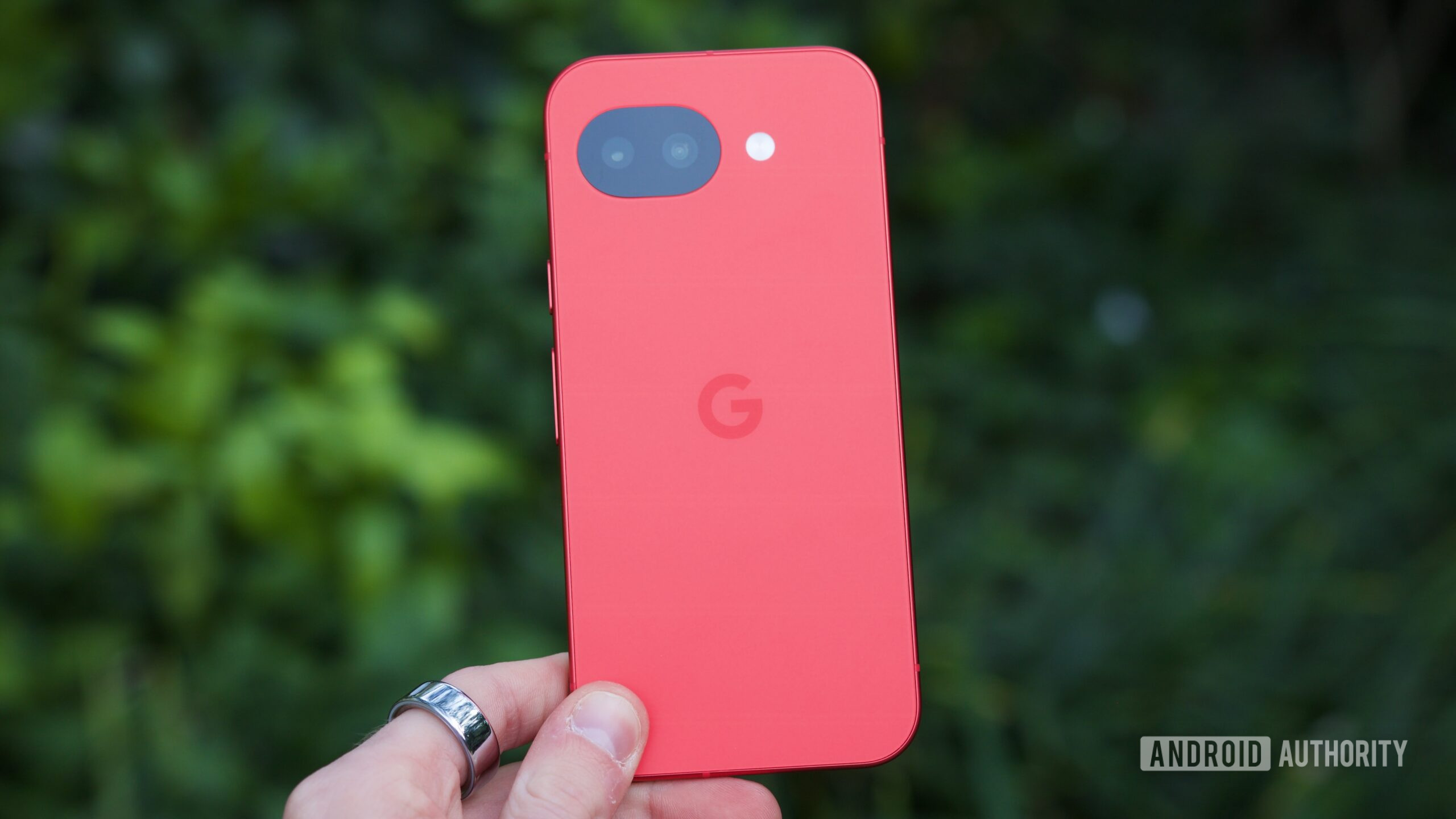
Beyond physical dimensions, the software commitment remains Google’s "ace in the hole." The Pixel 10a comes with a guaranteed seven-year window for security patches and Android OS upgrades. This significantly outclasses Nothing’s three-year promise, effectively doubling the lifespan of the device for users who do not wish to upgrade every two years. When paired with the new "Berry" colorway and the industry-leading computational photography that defines the Pixel brand, the 10a emerges as the superior choice for those who value reliability and longevity over aesthetic eccentricity.
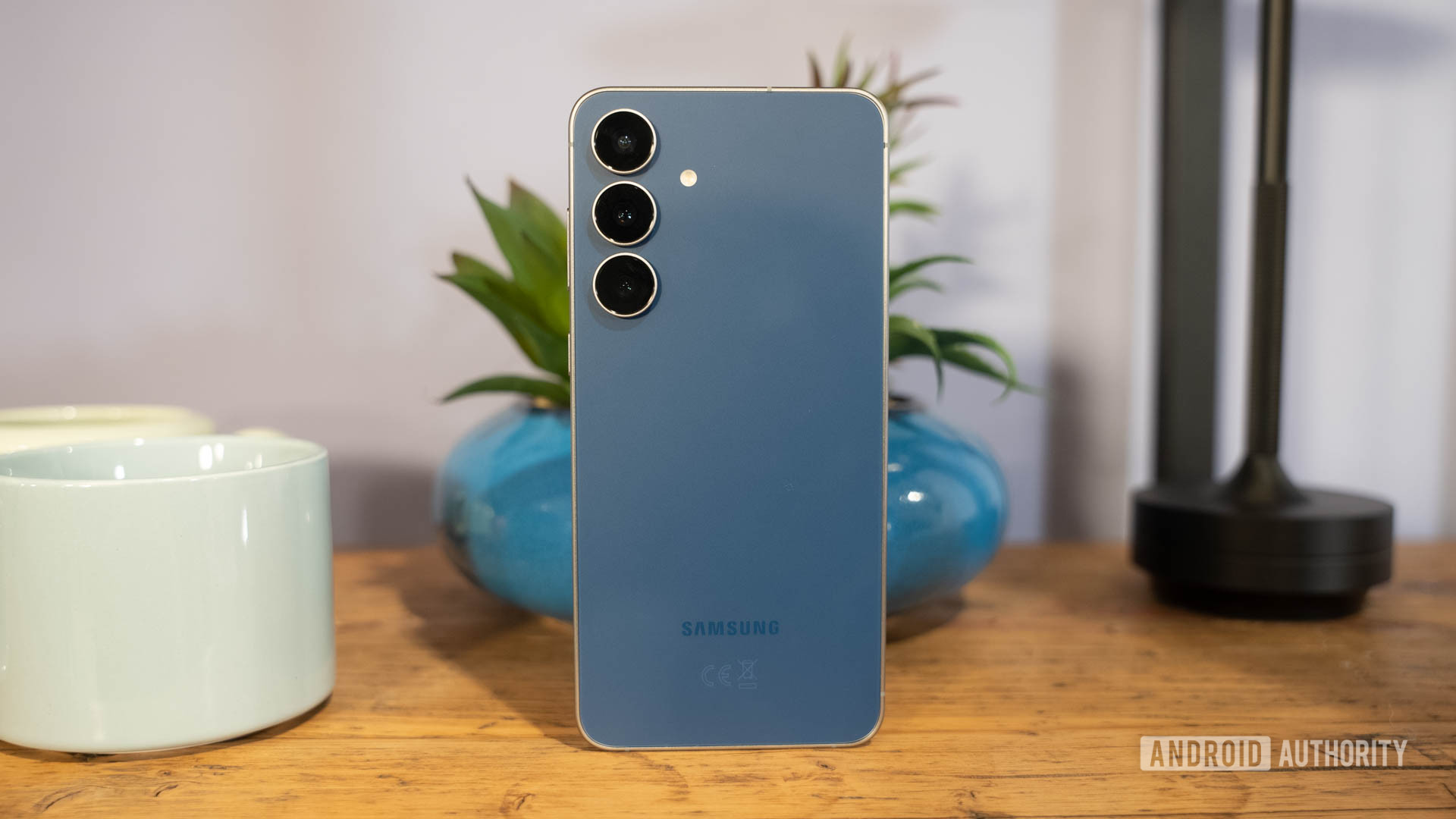
For consumers who demand a larger screen and more versatile camera hardware without venturing into the $1,000 flagship territory, the Samsung Galaxy S25 FE (Fan Edition) offers a bridge between affordability and high-end luxury. Samsung has long mastered the art of the "trickle-down" flagship, and the S25 FE is a testament to that strategy. It features a 6.7-inch AMOLED display that rivals the Nothing Phone 4a Pro in size but exceeds it in peak brightness and color accuracy. Under the hood, the Exynos 2400 chipset provides a significant performance delta over the Snapdragon 7 Gen 4 found in Nothing’s device, particularly in gaming and multitasking scenarios.

Perhaps the most significant advantage of the Galaxy S25 FE is its inclusion of a dedicated 3x optical zoom telephoto lens. While Nothing relies on digital cropping and unconventional sensor placement, Samsung provides a high-resolution telephoto sensor that offers genuine versatility for portraiture and distance photography. Additionally, the S25 FE boasts an IP68 rating for water and dust resistance—a step above the Phone 4a Pro’s IP65 rating—ensuring better survival odds against submersion. While its $650 MSRP is higher than Nothing’s, Samsung’s aggressive promotional cycles frequently see this device discounted to the $450 range, making it a value proposition that is difficult to ignore.
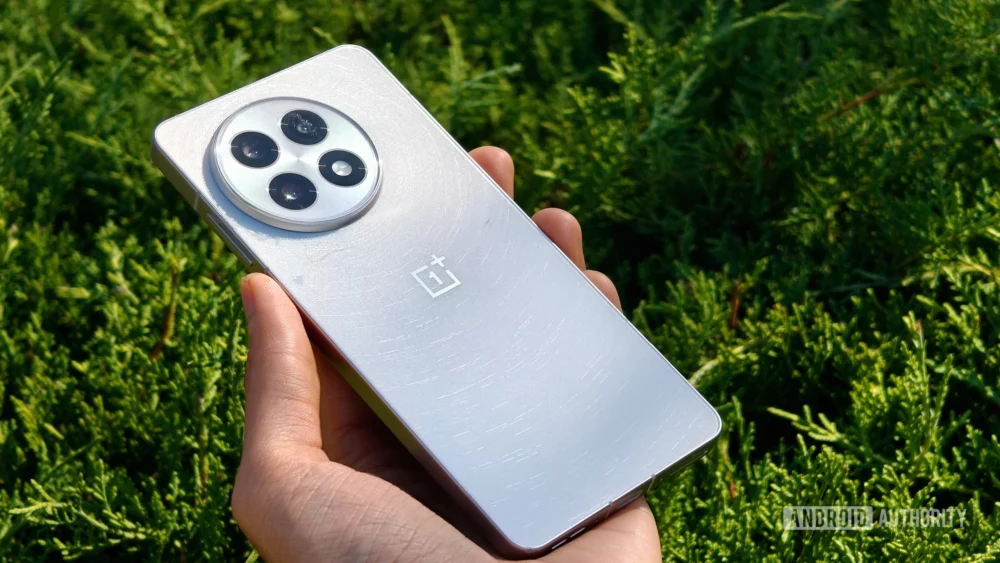
In the realm of raw power and charging efficiency, the OnePlus 13R remains the "enthusiast’s choice" for 2026. OnePlus has built its reputation on the "Never Settle" mantra, and the 13R embodies this by utilizing the Snapdragon 8 Gen 3—a flagship-grade processor that comfortably outperforms the mid-range silicon in the Nothing Phone 4a Pro. For users who prioritize mobile gaming or heavy video editing, the performance overhead provided by OnePlus is a necessity rather than a luxury.
The OnePlus 13R also addresses two of the most common pain points in modern mobile usage: battery anxiety and charging wait times. With a massive 6,000mAh battery—utilizing advanced silicon-carbon technology for higher energy density—the 13R easily outlasts the Nothing Phone 4a Pro’s 5,080mAh cell. When the battery does eventually deplete, the 80W SuperVOOC wired charging can replenish the device in roughly half the time it takes for Nothing’s 50W system. Despite being technically succeeded by newer models in some markets, the 13R’s availability at retailers like Best Buy for approximately $600 makes it a high-performance alternative that justifies its slightly higher cost through sheer utility.
For the budget-conscious consumer who still desires modern features, the Moto G Stylus (2025) offers a unique value proposition that Nothing cannot match: productivity-focused hardware. Retailing for significantly less than $500—often found on sale for as low as $280—the Moto G Stylus includes a built-in active stylus for note-taking and precise photo editing. In a market where the "Note" style experience is usually reserved for the $1,200 Ultra-tier devices, Motorola’s commitment to this niche is commendable.
The Moto G Stylus (2025) does not attempt to compete with Nothing on raw specs; its chipset and camera array are decidedly mid-tier. However, it compensates with practical features that have largely vanished from the modern smartphone landscape, such as microSD card expansion for affordable storage upgrades. Its 68W wired charging is surprisingly fast for its price bracket, and the faux-leather "Vegan Leather" back provides a premium tactile feel that resists fingerprints far better than the glass and plastic composites used by competitors. For casual users who want a functional, large-screen device with a unique input method, the Moto G Stylus is the ultimate "wallet-friendly" alternative.
Finally, for those who were originally drawn to the Nothing Phone 4a Pro because they wanted a "conversation starter," the Motorola Razr (2025) offers a much more radical transformation of the smartphone form factor. The Razr has successfully democratized the foldable market, often appearing on sale for under $500. While Nothing attempts to innovate through camera placement and secondary displays on a static slab, the Razr offers the genuine utility of a 6.9-inch internal display that folds into a compact, pocketable square.

The 3.6-inch external cover screen on the Razr is arguably more useful than the small secondary display on the Nothing Phone 4a Pro, as it allows for full app interaction, notification management, and use as a viewfinder for high-quality selfies using the main camera. The foldable hinge also enables "Tent Mode" and "Stand Mode," allowing the phone to act as its own tripod for group photos or video calls. While the Nothing Phone 4a Pro might have a slight edge in pure camera sensor quality, the Razr (2025) provides an experience that is fundamentally different from any "slab" phone. For the fashion-forward consumer or the tech enthusiast bored with traditional designs, the Razr is the definitive choice for 2026.
Ultimately, the Nothing Phone 4a Pro is a bold attempt to inject personality into a stagnating market. Its design choices are courageous, and its price point is fair. However, the Android landscape is currently defined by a "golden age" of choice. Whether a user seeks the long-term software security of a Pixel, the balanced excellence of a Samsung Galaxy, the raw speed of a OnePlus, the productivity of a Moto G Stylus, or the futuristic appeal of a Razr foldable, there is a device tailored to every specific need. Before committing to Nothing’s experimental vision, consumers would be wise to consider if these more established alternatives might better serve their daily lives in the long run.
