

In an era where smartphone hardware specifications have largely plateaued, the battle for mobile supremacy has shifted from megapixel counts and gigahertz to the intangible realm of artificial intelligence. Samsung, a perennial leader in the Android ecosystem, recently provided a rare and candid glimpse into its long-term strategy through a high-profile engagement with its user base. Annika Bizon, the Vice President of Product and Marketing for Mobile Experience at Samsung UK, took to Reddit for an "Ask Me Anything" (AMA) session that addressed the growing pains of Galaxy AI, the technical trajectory of the upcoming Galaxy S26 Ultra, and the definitive end of the "small phone" era. The dialogue highlighted a company at a crossroads, attempting to balance aggressive technological innovation with a consumer base that is increasingly wary of "feature creep" and the perceived intrusiveness of modern AI.
The central theme of the discussion revolved around what many users have described as the "burden" of AI. Since the debut of Galaxy AI with the Galaxy S24 series, Samsung has aggressively integrated machine learning features into its flagship lineup, ranging from real-time translation and generative photo editing to advanced note summarization. While these features are marketed as revolutionary productivity tools, a significant segment of the user population views them as unnecessary bloatware that complicates the user interface and raises privacy concerns. Addressing these anxieties, Bizon emphasized that Samsung’s ultimate goal is for AI to become "invisible."
The company envisions a future where AI functions similarly to the electricity that powers a home—a fundamental utility that is constantly present and dependable, yet so seamlessly integrated into the background that the user no longer thinks about it. This philosophy marks a departure from the current "loud" phase of AI, where features are prominently advertised and require manual activation. For users who currently find AI to be an encumbrance, Samsung’s advice is psychological: "start with one feature." By encouraging users to find a single point of utility—perhaps a voice recorder that transcribes meetings or a circle-to-search function—Samsung hopes to build the "trust" necessary for wider adoption. The company maintains that the phone should work for the user, rather than requiring the user to learn a complex new language of interaction.
Crucially, Samsung addressed the "burden" of AI by reaffirming user agency. Recognizing that a subset of its audience remains deeply skeptical of algorithmic intervention, the company confirmed that Galaxy AI remains entirely optional. During the initial device setup, users must explicitly opt-in to these features, and the settings menu provides granular control to disable specific functions or the entire AI suite altogether. This commitment to choice is a strategic move to prevent alienating "purist" users who prefer a traditional smartphone experience, even as the industry moves toward an AI-first paradigm.
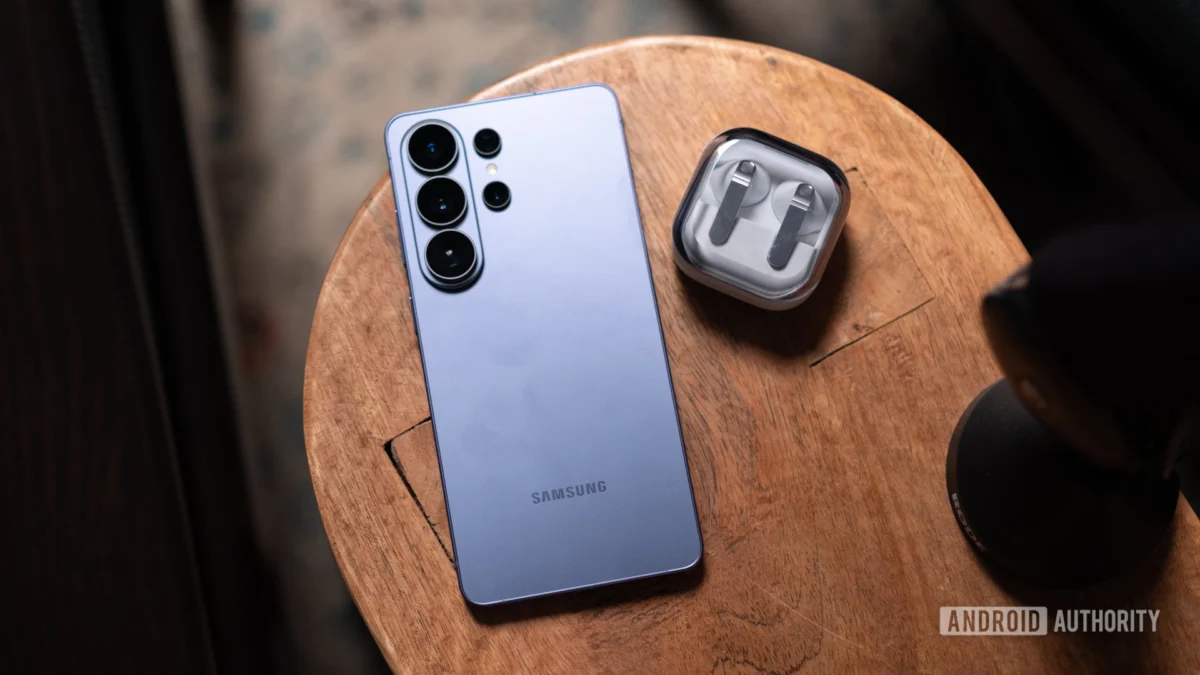
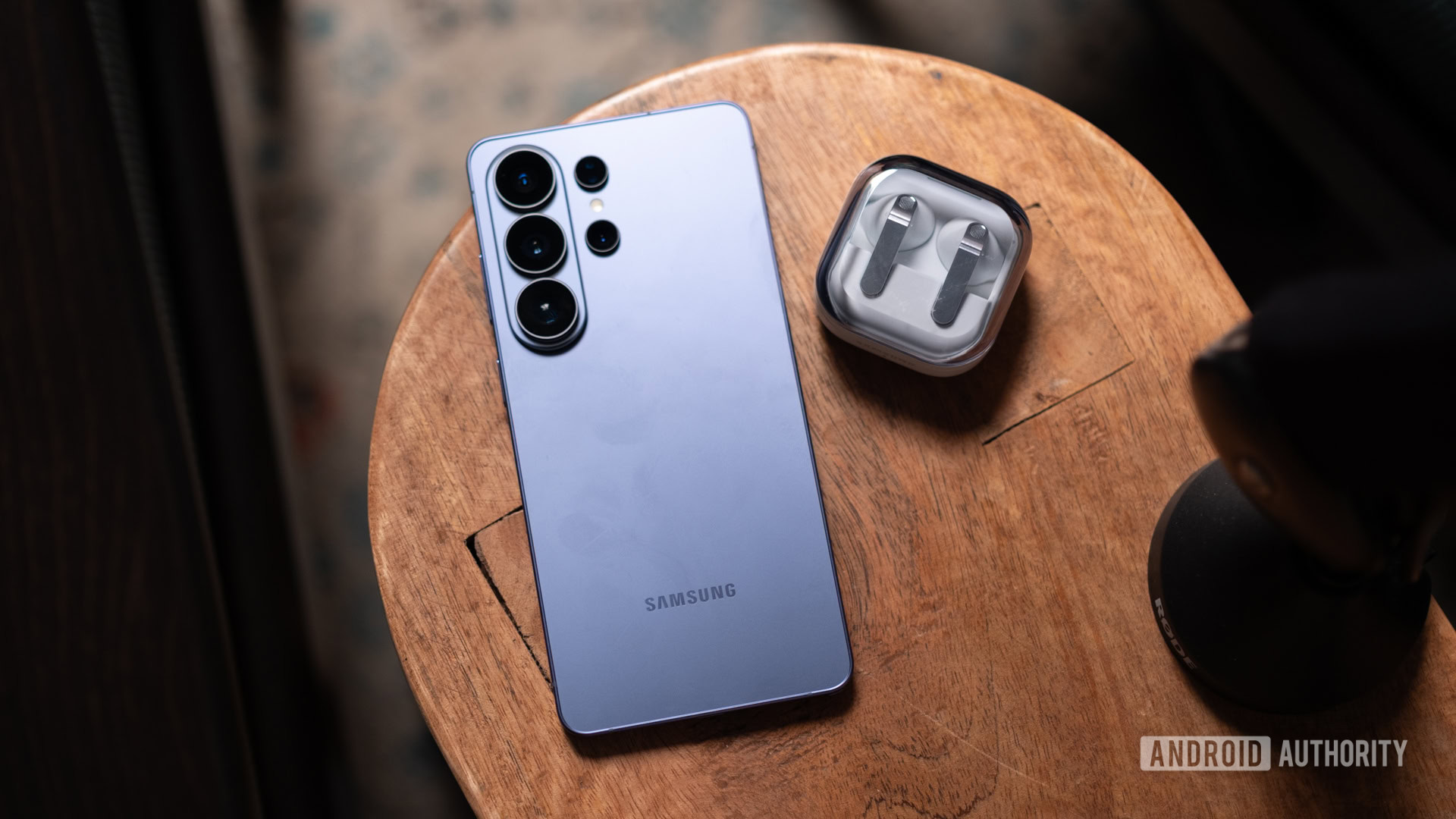
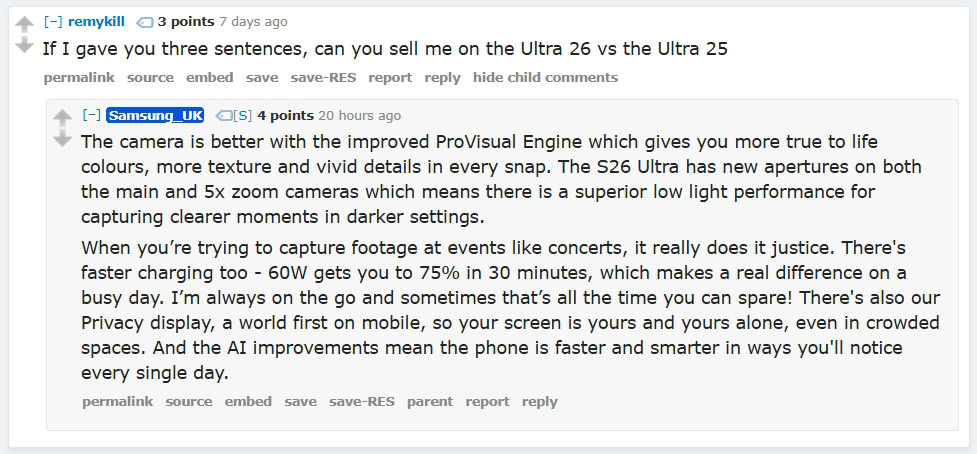
The conversation naturally transitioned from software philosophy to the hardware that will host these advancements, specifically the Galaxy S26 Ultra. While the Galaxy S25 series is already making waves, the S26 Ultra represents the next major milestone in Samsung’s hardware roadmap. Bizon highlighted three key pillars that will define the S26 Ultra: the ProVisual Engine, significantly faster charging capabilities, and the introduction of a specialized "Privacy Display."
The ProVisual Engine is Samsung’s sophisticated suite of AI-driven imaging tools designed to bridge the gap between professional photography and mobile convenience. By leveraging deeper neural processing, the S26 Ultra aims to eliminate common mobile photography artifacts, improve low-light performance, and provide more natural-looking generative fills. Furthermore, the promise of faster charging addresses a long-standing criticism of the Galaxy S-series, which has historically lagged behind Chinese competitors in terms of wired power delivery. Perhaps most intriguing is the "Privacy Display," a hardware-level feature designed to prevent "visual hacking" by limiting viewing angles so that only the person directly in front of the screen can see its content. However, this advancement is not without its caveats; early reports and consumer feedback suggest that such displays can lead to increased eye strain and reduced brightness for the primary user, illustrating the difficult trade-offs Samsung must navigate when implementing cutting-edge hardware.
One of the most poignant moments of the AMA occurred when a user asked the perennial question: "Why won’t Samsung make small phones anymore?" For years, a vocal minority of enthusiasts has clamored for a return to the compact form factors exemplified by the Galaxy S10e or the iPhone Mini series. Samsung’s response was a pragmatic reflection of market realities. According to Bizon, display size is dictated by the "majority of users" who now use their smartphones as their primary—and often only—computing device. The modern smartphone is no longer just a communication tool; it is a movie theater, a gaming console, a workstation, and a creative studio. All of these use cases benefit from larger canvases.
Samsung’s internal data suggests that while people claim to want smaller phones, the actual purchasing behavior tells a different story. The manufacturing costs of miniaturizing high-end components—such as periscope zoom lenses and large battery cells—into a small chassis often result in a device that is either too expensive or compromised in performance. Instead of producing a "mini" version of its S-series flagships, Samsung is positioning the Galaxy Z Flip series as the solution for compact seekers. The foldable format allows for a massive screen when in use, while maintaining a footprint half the size of a traditional phone when closed. This "best-of-both-worlds" approach appears to be Samsung’s definitive answer to the compact phone dilemma, signaling that the era of the traditional small-slab flagship is officially over.
As the dialogue concluded, it became clear that Samsung is betting its future on the concept of "contextual intelligence." The company is moving away from a model where AI is a collection of disparate tools and toward an integrated ecosystem where the device anticipates the user’s needs. This evolution requires a massive amount of data and a high level of consumer trust, both of which Samsung is working to secure. By being transparent about the "burden" of these new technologies and providing users with the "off switch," the company hopes to navigate the "uncanny valley" of AI adoption.
In the broader context of the mobile industry, Samsung’s strategy mirrors a global shift. As hardware innovations become more incremental—better screens, slightly faster chips—the software experience becomes the primary differentiator. Samsung is not just competing with Apple or Google on hardware specs; it is competing on the quality of the "invisible electricity" it provides. The Reddit AMA served as a reminder that even a global giant like Samsung must remain attuned to the "spiky" feedback of its most dedicated fans.
Ultimately, the takeaway from Samsung’s recent disclosures is a vision of a simplified, yet more powerful, future. The Galaxy S26 Ultra will likely represent the pinnacle of this vision, blending aggressive hardware improvements like the Privacy Display with an AI suite that aims to be indispensable. Whether the "burden" of AI can truly be transformed into a seamless utility remains to be seen, but Samsung is clearly committed to the path. For the enthusiasts still mourning the loss of the small phone, the message is clear: the future is large, it is foldable, and it is powered by an intelligence that Samsung hopes you will eventually forget is even there.
