

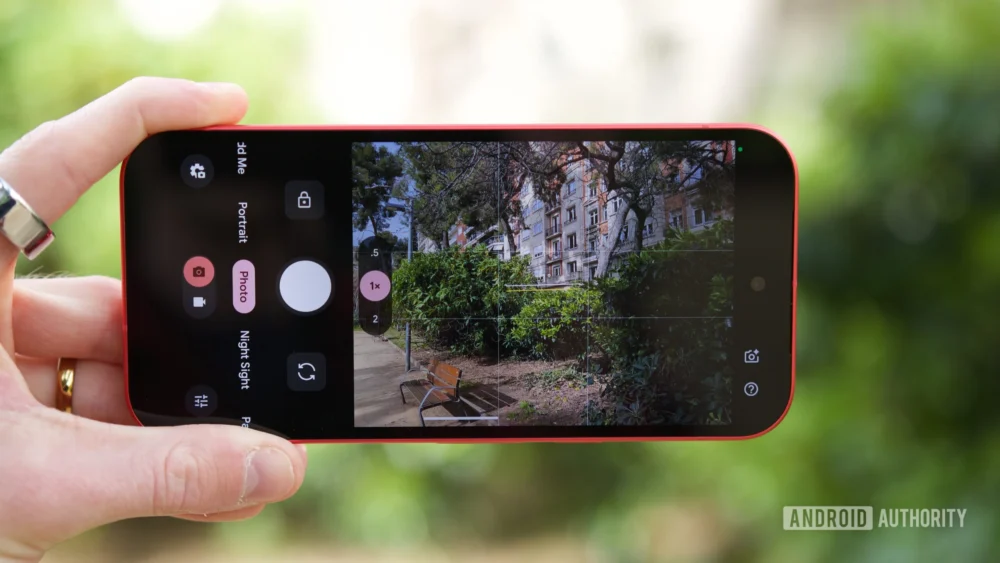
The trajectory of the modern flagship smartphone has, for several years, been dictated by a singular, relentless pursuit: photographic dominance. In the industry’s quest to replace professional DSLR and mirrorless cameras, the physical anatomy of the smartphone has undergone a radical and often cumbersome transformation. We have entered an era where the back of a premium handset is no longer a sleek surface but a structural mounting point for massive glass elements, periscope prisms, and sensors that push the boundaries of physics. For the photography enthusiast, this has necessitated a begrudging acceptance of a specific kind of physical tax—the "camera bump." However, after a week of intensive daily use, the Google Pixel 10a has emerged as a compelling argument that the most significant innovation in 2026 might not be a larger sensor, but a return to human-centric design.
For those who follow the cutting edge of mobile technology, the current landscape is one of beautiful but unwieldy behemoths. Devices like the Vivo X300 Pro feature camera modules the size of dinner plates, while Google’s own Pixel 10 Pro carries a signature horizontal visor that has grown increasingly prominent with each generation. These designs are born of necessity; high-quality optics require depth and volume. Yet, this hardware arms race has birthed a significant ergonomic paradox: the more "pro" a phone becomes, the less it feels like a device meant to be held and used by a human hand. The Pixel 10a, Google’s latest mid-range offering, disrupts this trend by offering a refreshingly "normal" experience that addresses a growing list of smartphone pet peeves that flagship users have simply learned to tolerate.
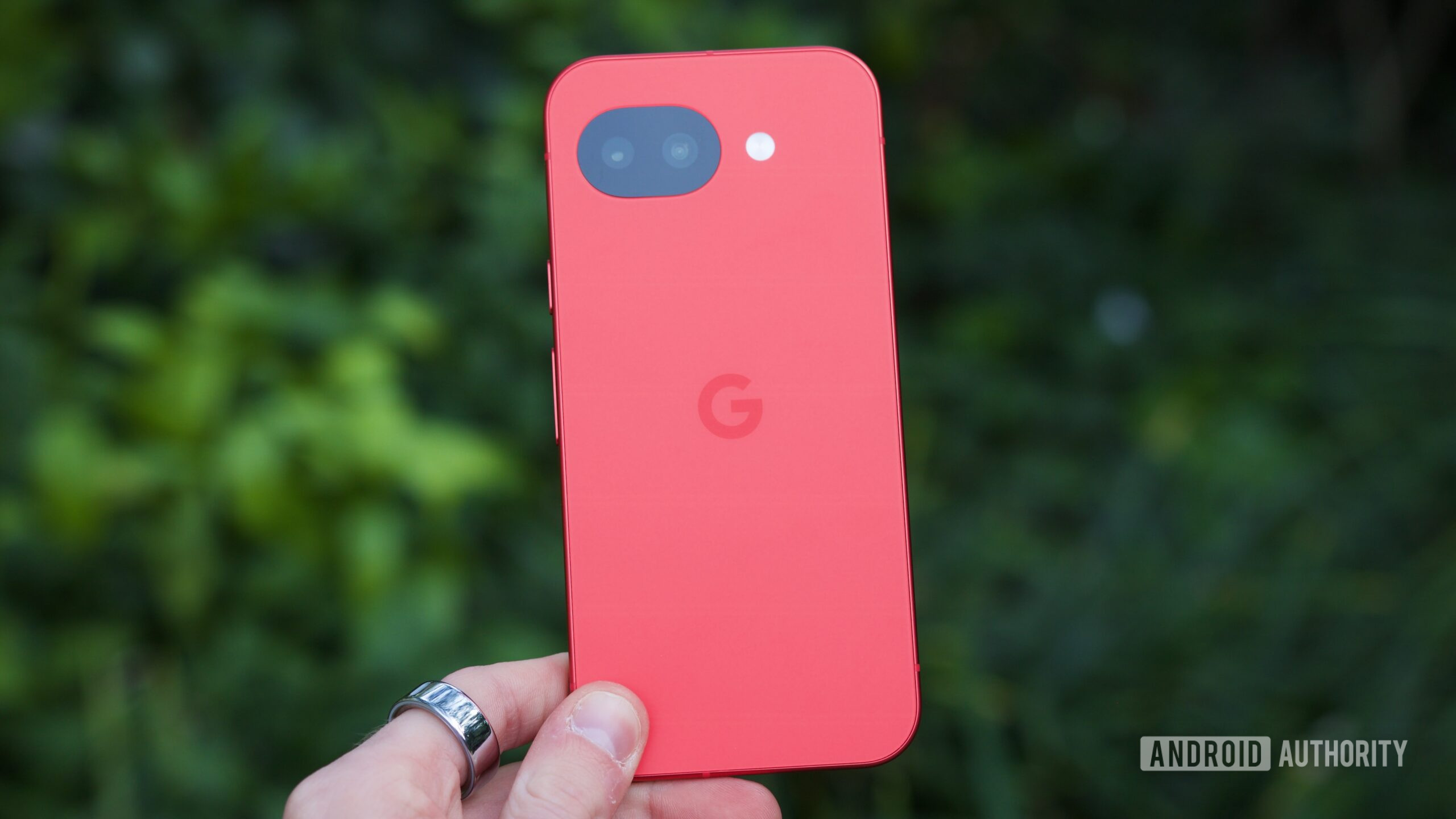
The most immediate sensation upon picking up the Pixel 10a, particularly in its striking Berry colorway, is one of tactile relief. Weighing in at a balanced 183 grams, it stands in stark contrast to the top-heavy flagships that dominate the market. In the premium segment, weight distribution has become a genuine issue, often leading to the "crooked pinky" syndrome where users must awkwardly hook their smallest finger under the base of the phone to prevent it from tipping forward. The Pixel 10a avoids this entirely. Its dimensions and weight are tuned for one-handed use, feeling less like a piece of specialized laboratory equipment and more like a tool that integrates seamlessly into the rhythm of daily life.
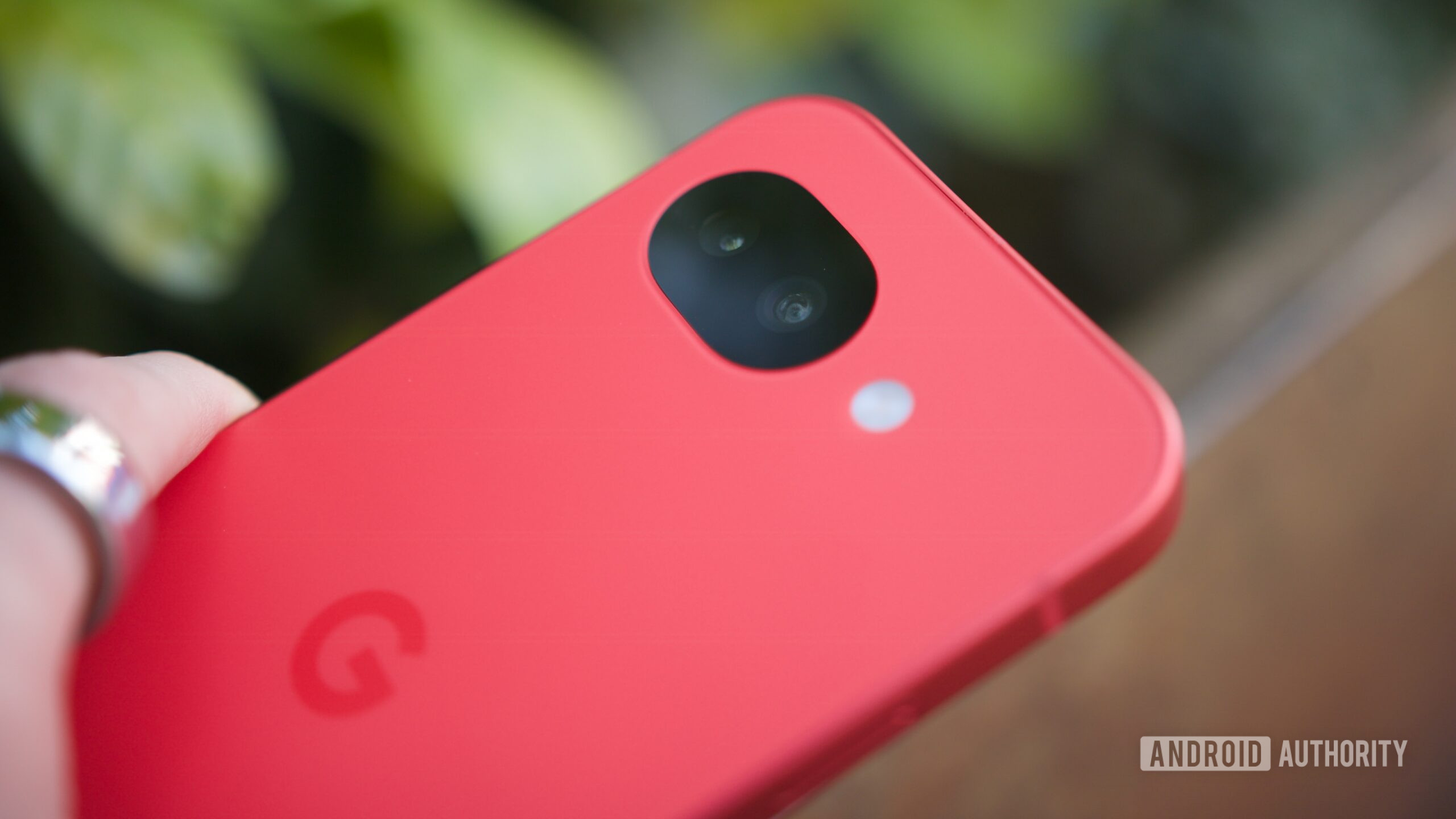
The defining characteristic of the Pixel 10a’s chassis is its flush rear design. By opting for a more modest, yet highly capable, dual-camera array, Google has managed to eliminate the sharp ledges and massive glass shelves that define its more expensive siblings. Running a hand over the back of the Berry-colored device reveals a singular, cohesive object. There are no snags, no protruding edges, and no industrial compromises. This design choice directly solves what many users consider the ultimate smartphone pet peeve: the desk wobble.
In a world where smartphones are frequently used as secondary screens on a desk or coffee table, the inability of a device to lie flat has become a constant source of low-level frustration. With most flagships, the simple act of tapping a notification or using a calculator app while the phone is resting on a flat surface results in a rhythmic, annoying rocking motion. To fix this, users are often forced to buy thick, bulky cases specifically designed to level out the camera protrusion, thereby negating the slim profile they paid for in the first place. The Pixel 10a sits perfectly still. Whether you are touch-typing a quick reply on a conference table or scrolling through news during breakfast, the device remains stable. It is a return to a utilitarian simplicity that feels almost nostalgic in 2026.
This ergonomic thoughtfulness extends to the most basic of interactions: pocketability. As smartphone screens and camera modules have expanded, the act of stowing a device has become increasingly clunky. The oversized visors on the Pixel 10 Pro are notorious for catching on the seams of pockets, particularly for those who prefer slimmer-fitting clothing. The Pixel 10a, by contrast, slides into a pocket with a level of smoothness that highlights just how much we have compromised on physical convenience. There is no awkward bulge and no fear of the camera housing snagging on fabric. It is a device that occupies space without demanding attention.
Critics might argue that these ergonomic gains come at too high a cost in terms of raw hardware specifications. On paper, the Pixel 10a does indeed feature smaller sensors than the Pro models. It lacks the massive periscope zoom and the ultra-wide lens loses some sharpness at the extreme peripheries. Furthermore, the natural optical bokeh—the soft background blur that large sensors provide—is less pronounced here than on a dedicated flagship. However, a week of real-world testing suggests that for the vast majority of users, and even for many enthusiasts, these trade-offs are not only acceptable but perhaps even preferable.
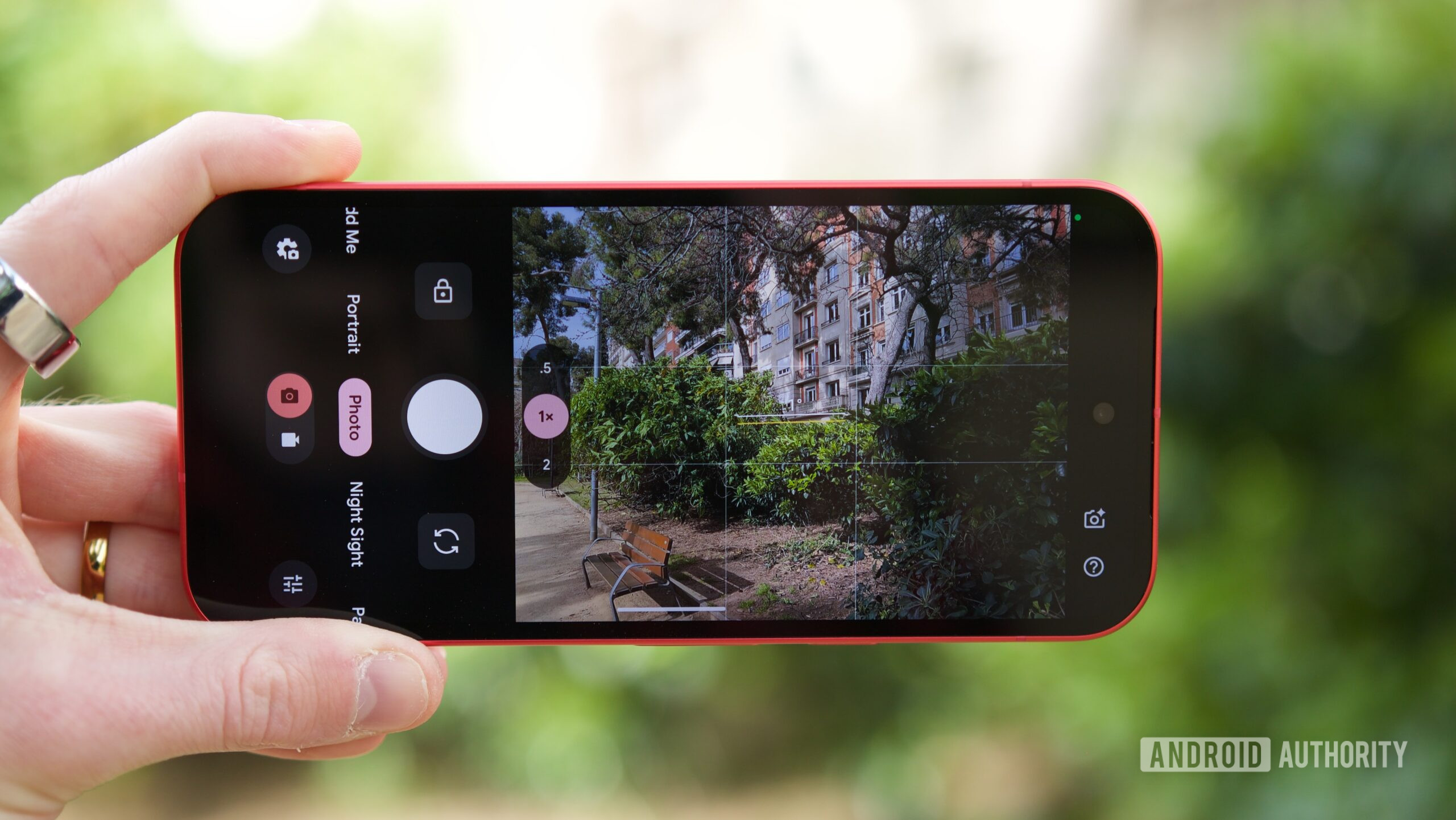
The reality of mobile photography is that the best camera is the one you actually want to use. Because the Pixel 10a is so comfortable to handle, there is a lower psychological barrier to pulling it out for a quick snap. The device features Google’s Tensor G4 silicon, the same brain found in its more expensive counterparts, which means the heavy lifting is done by sophisticated computational photography. Google’s AI algorithms compensate for the smaller hardware, delivering images with the trademark Pixel look: excellent dynamic range, accurate skin tones via Real Tone technology, and impressive low-light performance. For the daily documentation of life—social media posts, family photos, and quick memos—the Pixel 10a is more than sufficient. It raises the question of whether the industry has reached a point of diminishing returns, where the marginal gains in sensor size are being outweighed by the physical burden they impose on the user.
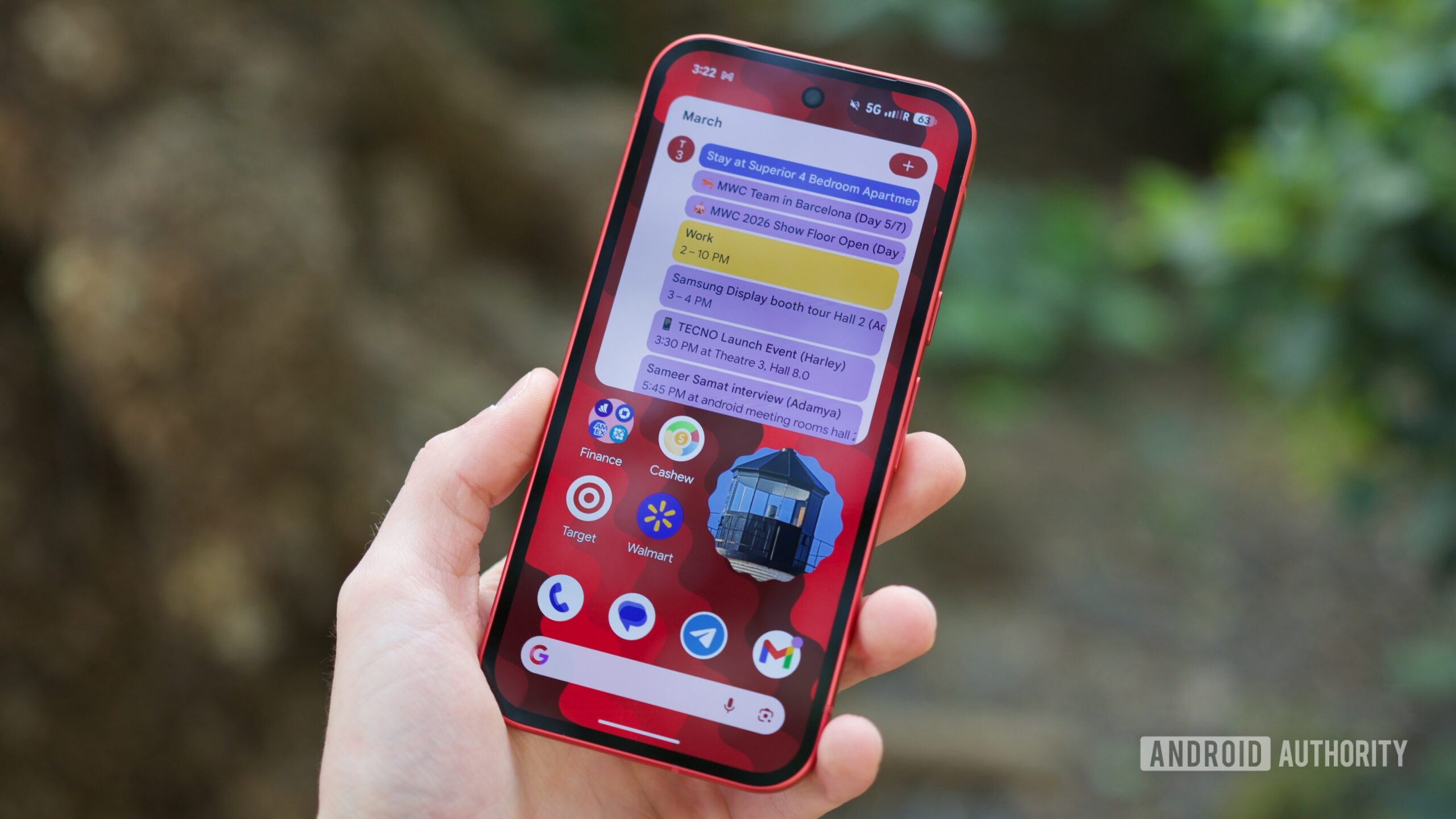
Beyond the camera, the Pixel 10a is a powerhouse of sensible mid-range engineering. It boasts a 6.3-inch display with a 120Hz refresh rate, providing the fluid scrolling and responsive animations that users expect from a modern device. The screen is protected by Gorilla Glass 7i, offering a robust defense against the scratches and drops of daily life. Perhaps most impressively, Google has committed to a seven-year software update promise for the 10a. This longevity, combined with the inclusion of satellite SOS and Google’s full suite of Pixel AI features, positions the 10a not as a "budget" phone, but as a "rational" phone.
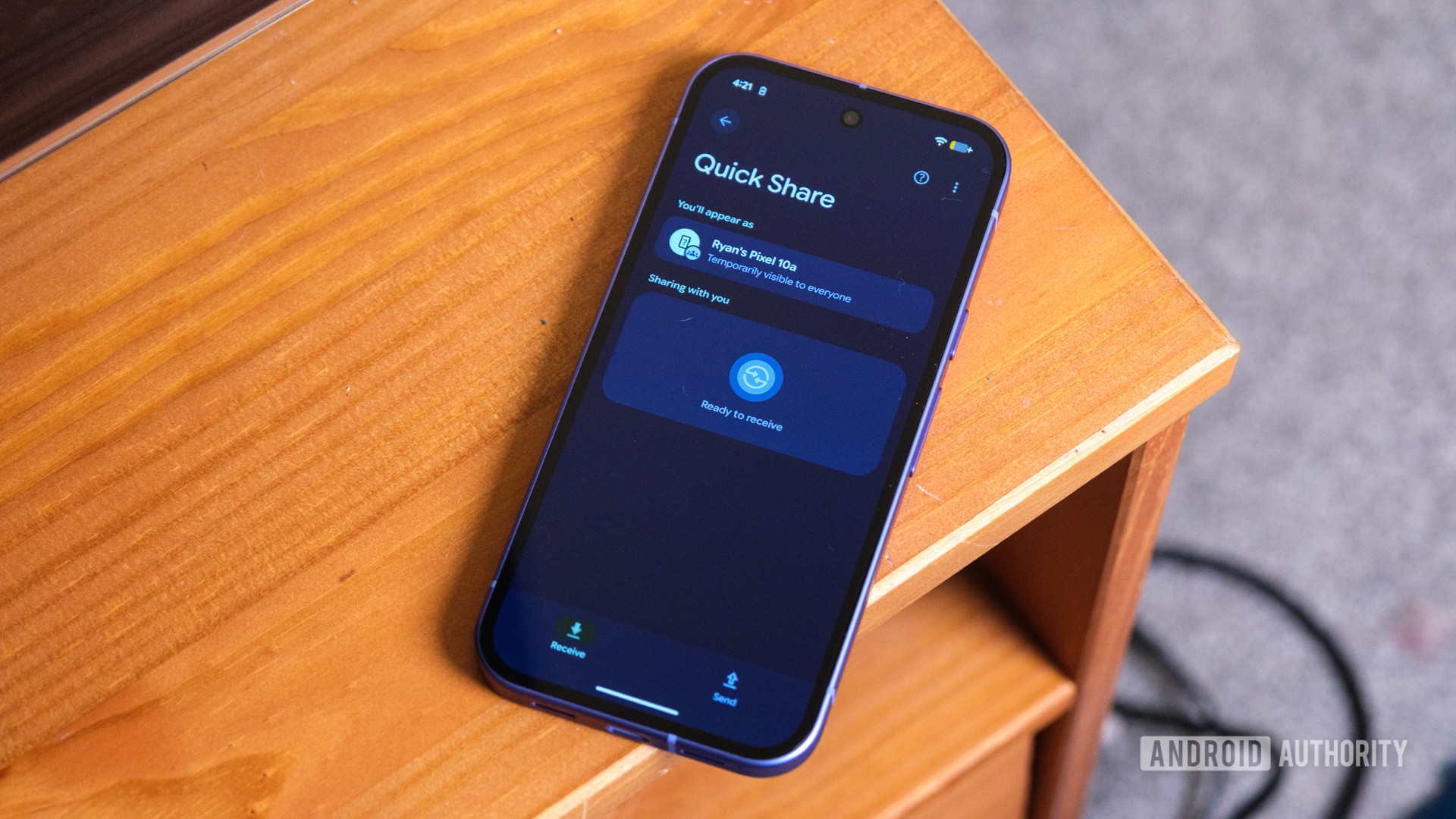
The Pixel 10a feels like a deliberate pivot by Google to recapture the essence of what made the original "a" series so beloved. It is a device that doesn’t try to be a professional cinema camera or a pocket-sized workstation. Instead, it tries to be a great phone. It acknowledges that while we love the capabilities of flagship technology, we also live in a world of coffee tables, skinny jeans, and human hands that grow tired of balancing glass-and-metal bricks.
In conclusion, the Google Pixel 10a serves as a necessary correction to the current trajectory of smartphone design. It proves that a device can be powerful, intelligent, and aesthetically pleasing without being a physical nuisance. By solving the desk wobble, improving pocketability, and prioritizing balanced weight distribution, Google has addressed the silent frustrations of the enthusiast community. The Pixel 10a is a reminder that "pro" shouldn’t just stand for professional-grade hardware; it should also stand for a professional-grade understanding of how a device fits into a human life. For those tired of the flagship arms race and the literal weight it carries, the Pixel 10a is the most refreshing "side-grade" of the year.
