
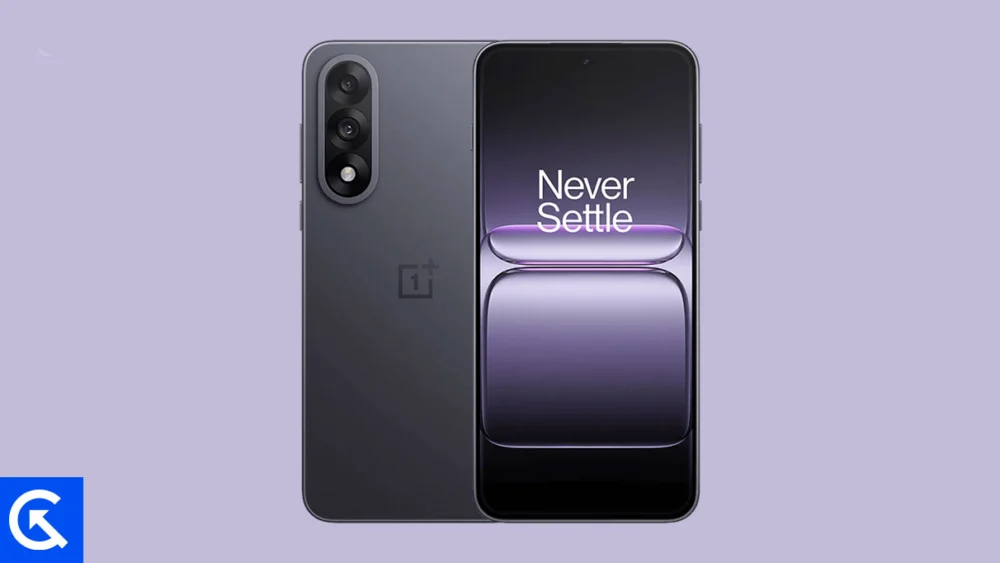
The mid-range smartphone market underwent a significant shift on July 8, 2025, with the official debut of the OnePlus Nord 5. Positioned as a bridge between accessible pricing and high-end performance, the device arrived with a robust hardware profile designed to satisfy both casual users and tech enthusiasts. While the factory-shipped OxygenOS 15 provides a polished experience, a growing segment of the Android community is looking toward custom ROMs to unlock the full potential of the hardware. The open-source nature of the Android Operating System remains its most profound advantage, fostering a global ecosystem of developers who refine, optimize, and reimagine the user experience through bespoke firmware.
The OnePlus Nord 5 serves as a formidable canvas for these developers. Built with a premium glass-sandwich design and an IP65 rating for dust and water resistance, the device is anchored by a 6.83-inch Swift AMOLED display. This panel is not merely large; it is technically sophisticated, boasting a 144Hz refresh rate, HDR10+ certification, and a peak brightness of 1800 nits. Such specifications ensure that whether a user is navigating a custom interface or consuming high-dynamic-range media, the visual fidelity remains uncompromising. Protection is provided by Corning Gorilla Glass 7i, a choice that underscores OnePlus’s commitment to durability in the mid-range segment.
Under the hood, the Nord 5 is powered by the Qualcomm Snapdragon 8s Gen 3 chipset, a 4nm powerhouse that balances thermal efficiency with raw processing speed. Accompanied by the Adreno 735 GPU and up to 12GB of RAM, the device handles demanding tasks with ease. It is this specific combination of high-end silicon and ample memory that makes the Nord 5 a primary candidate for custom ROM development. Developers can leverage the Snapdragon architecture to create firmware that prioritizes different aspects of the user experience, from extreme battery preservation to peak gaming performance.
To understand the appeal of custom firmware, one must first distinguish between the Stock ROM and its custom counterparts. The Stock ROM, or Stock Firmware, is the operating system pre-installed by the manufacturer. In the case of the Nord 5, this is OxygenOS 15 based on Android 15. While stable and feature-rich, Stock ROMs are often criticized for containing "bloatware"—pre-installed applications that cannot be removed and may consume system resources. Furthermore, manufacturers often impose limitations on UI customization and system-level tweaks to ensure a uniform user experience.
In contrast, a Custom ROM is a standalone version of the Android OS built from the ground up using the Android Open Source Project (AOSP) source code. These community-driven projects allow developers to strip away unnecessary OEM skins and carrier-specific software, resulting in a "pure" Android experience. Beyond aesthetics, custom ROMs frequently introduce features before they are officially released by Google or the manufacturer. They also serve as a vital lifeline for older devices, providing the latest security patches and OS versions long after official support has ended. For the Nord 5, which is promised four major Android upgrades, custom ROMs represent an insurance policy for longevity and a playground for personalization.
The gateway to this world of customization is the Team Win Recovery Project, commonly known as TWRP. Installing a custom recovery like TWRP is the essential first step for any enthusiast. It replaces the basic stock recovery and allows users to "flash" or install third-party zip files, create full system backups, and manage partitions. Once TWRP is established on the Nord 5, the transition from OxygenOS to a custom alternative becomes a streamlined process.
![List of Best Custom ROM for OnePlus Nord 5 [Updated]](https://www.getdroidtips.com/wp-content/uploads/2025/11/OnePlus-Nord-5.jpg)
Among the most anticipated developments for the Nord 5 is the integration of Android 16. The latest iteration of Google’s OS introduces "Material 3 Expressive," a design evolution that prioritizes fluidity and user intent. Rather than a total departure from the previous "Material You" philosophy, Material 3 Expressive focuses on micro-interactions, bolder typography, and more intuitive touch targets. Custom ROM developers are already working to port these aesthetic and functional improvements to the Nord 5, ensuring that users can experience the cutting edge of interface design without waiting for official carrier rollouts.
For those seeking the gold standard of stability and legacy, LineageOS remains the premier choice. Emerging from the remains of the legendary CyanogenMod, LineageOS has built a reputation for its "no-nonsense" approach to Android. The unofficial LineageOS 22 and 23 builds for the OnePlus Nord 5 offer a lightweight environment that maximizes the efficiency of the Snapdragon 8s Gen 3. These builds include highly sought-after features such as a customizable status bar, advanced theme engines, and granular control over the navigation bar. By removing the overhead of OxygenOS, LineageOS often results in improved RAM management and snappier system responses.
Another prominent contender in the custom firmware space is crDroid OS. Built upon the foundations of AOSP and LineageOS, crDroid is designed for users who believe that "more is more" when it comes to settings. It integrates the best features from various projects like AOSPA and SlimROM, offering a vast array of customization toggles that allow users to tweak almost every aspect of the operating system. Despite the wealth of options, crDroid maintains a reputation for performance, making it a favorite for those who want a personalized device that does not compromise on speed.
Furthermore, the "Pixel Experience" ROM is a perennial favorite that is currently in development for the Nord 5. This project aims to replicate the software environment of Google’s flagship Pixel devices. It includes the Pixel launcher, wallpapers, icons, fonts, and the exclusive "Google Photos" unlimited backup feature that is often a major draw for users. For Nord 5 owners who admire OnePlus hardware but prefer Google’s vision of software, Pixel Experience offers the perfect middle ground.
The hardware of the Nord 5 further complements these software efforts. The inclusion of a 50MP main camera with Optical Image Stabilization (OIS) and 4K/60fps video capability ensures that even on custom firmware, the device remains a potent tool for content creators. The massive battery capacity—reaching 6800mAh in global variants—paired with 80W fast charging, provides a safety net for users experimenting with different ROMs. Even if a particular build is not yet optimized for power consumption, the sheer capacity of the battery and the speed of the recharge cycle mitigate the impact on daily usability.
Beyond the technical specifications, the move toward custom ROMs reflects a broader desire for digital sovereignty. In an era where data privacy and software longevity are increasingly scrutinized, the ability to install an operating system that is transparent and community-audited is invaluable. Custom ROMs allow users to opt-out of proprietary tracking and choose exactly which services they want running in the background.
As the OnePlus Nord 5 matures, the developer community will likely continue to expand the list of available firmware. From specialized ROMs focused on audiophile-grade sound via the device’s stereo speakers and Bluetooth 5.4 aptX HD support, to "de-googled" versions of Android for maximum privacy, the possibilities are vast. The OnePlus Nord 5 is not just a smartphone; it is a versatile platform that rewards those willing to explore beyond the factory settings. Through the collaborative efforts of developers and the power of open-source software, the Nord 5 is poised to remain a relevant and high-performing device for years to come.
