
The landscape of the global tablet market has undergone a radical transformation over the last decade, shifting from a diverse ecosystem of experimental form factors to a bifurcated reality dominated by productivity-focused giants and budget-tier consumables. For those who have spent more than ten years entrenched in the Android ecosystem, the transition to Apple’s iPadOS is rarely a matter of brand preference, but rather a pragmatic response to a vanishing hardware category. As manufacturers increasingly prioritize massive screen real estate, the high-end compact tablet—once a staple of the mobile world—has become an endangered species, leaving power users with little choice but to look toward Cupertino.
The journey into the world of Android tablets began during the experimental days of Android 3.0 Honeycomb, an era defined by a sense of wild-west innovation. From the early modularity of ASUS Transformer pads to the gaming-centric focus of NVIDIA’s Shield tablets and the refined elegance of Samsung’s flagship lines, the Android platform once offered a solution for every conceivable niche. The primary allure was always the value proposition: a high-degree of hardware flexibility paired with an operating system that allowed for deep customization and open file management. However, as the market matured, the diversity that defined the early 2010s began to erode.
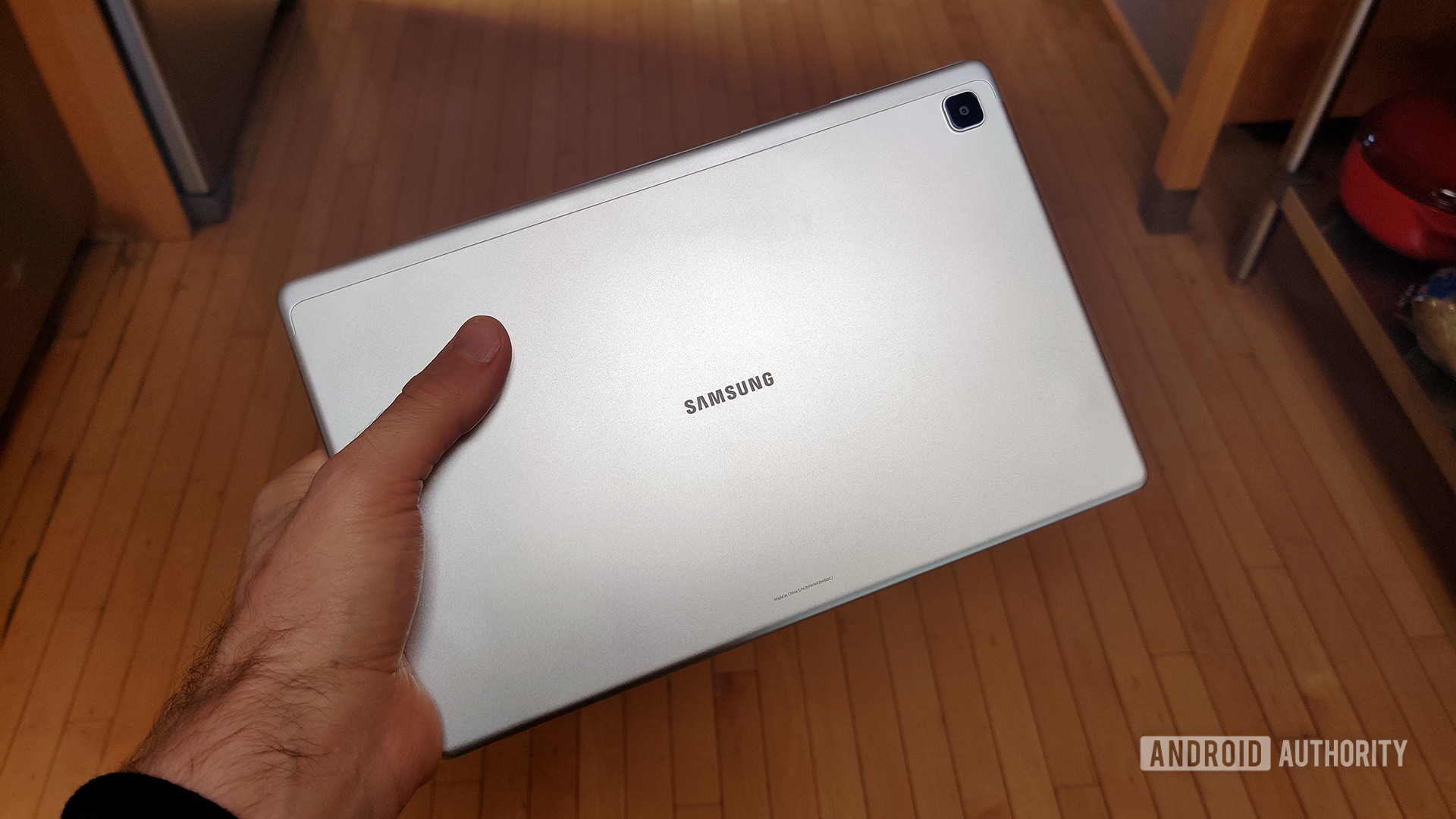
In recent years, the Android tablet market has consolidated around two extremes. On one end of the spectrum, brands like Samsung and Lenovo have pushed the boundaries of size, culminating in behemoths like the Galaxy Tab S10 Ultra, which boasts a staggering 14.6-inch display. These devices are engineering marvels, designed to replace laptops and serve as professional workstations. On the opposite end, the 8-inch to 9-inch category has been relegated almost entirely to the budget sector. Devices like the Amazon Fire series or the Galaxy Tab A line serve well for basic media consumption, but they lack the processing power, display quality, and long-term viability required by those accustomed to flagship-level performance.
This hardware gap became a critical issue for families seeking to upgrade aging equipment. The transition began around 2020, following the decline of the Galaxy Tab S2 8.0—a device that many consider the high-water mark for small Android tablets. When the time came to find a replacement, the market offered few premium alternatives. The temporary solution was a Galaxy Tab A 8.4, but the compromises were immediate. The sluggish performance of mid-range silicon and the lack of high-refresh-rate displays created a bottleneck for modern applications. By early 2026, as software demands increased and user needs evolved, the budget-tier hardware reached its breaking point.
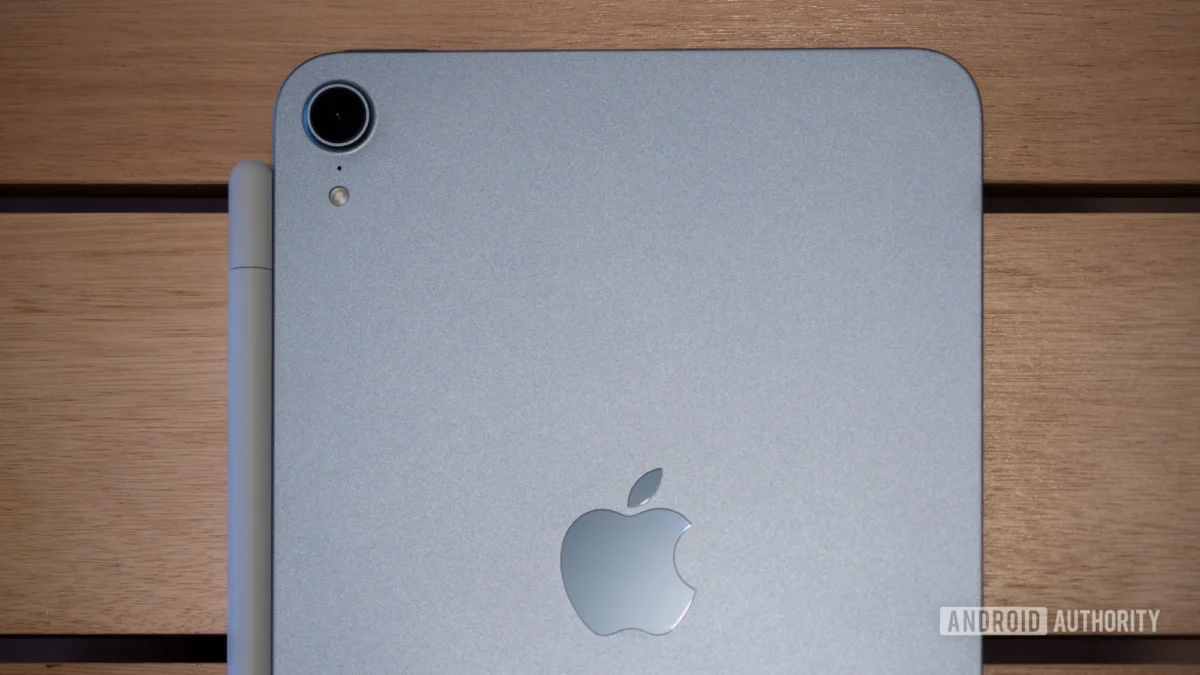
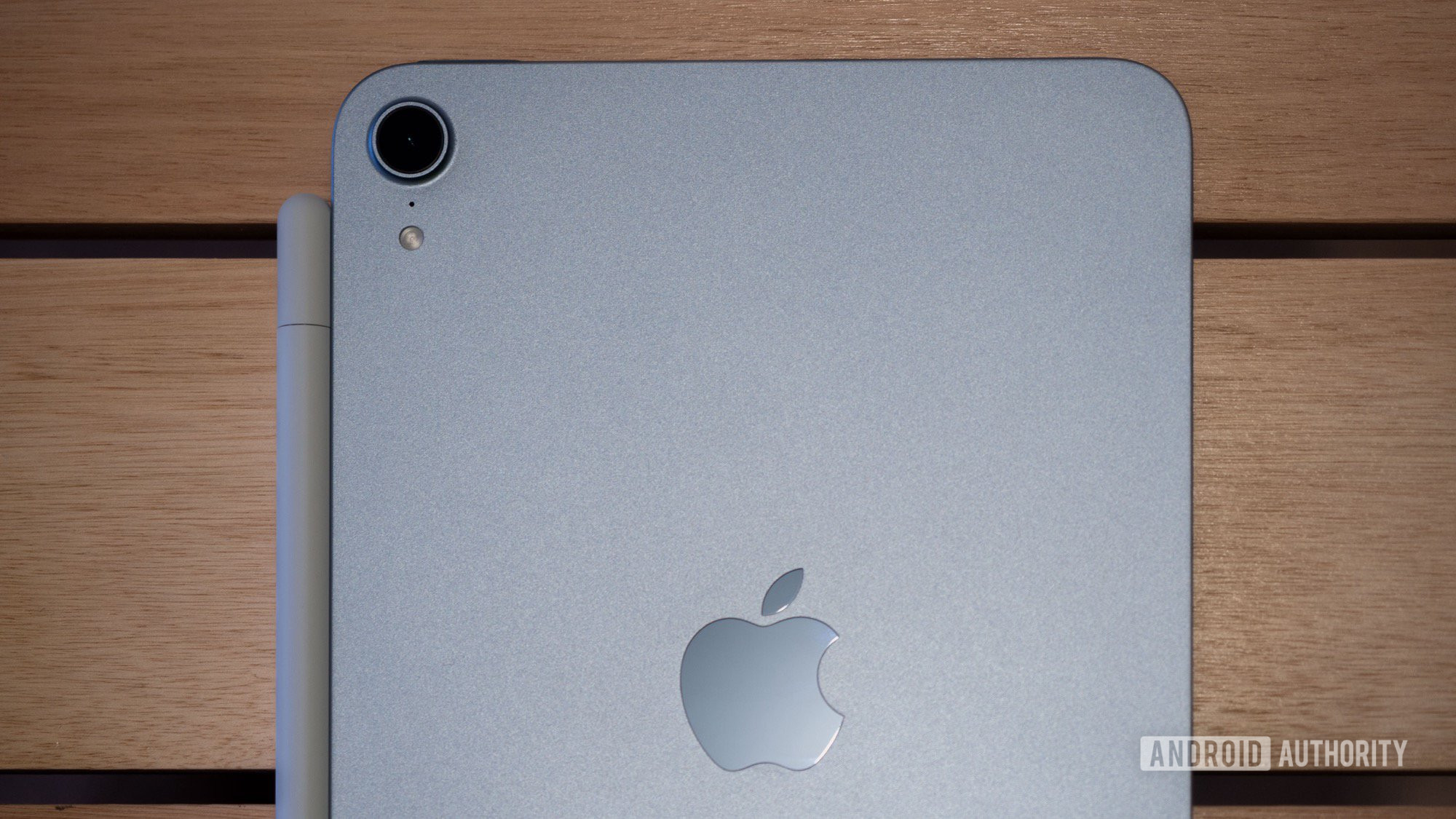
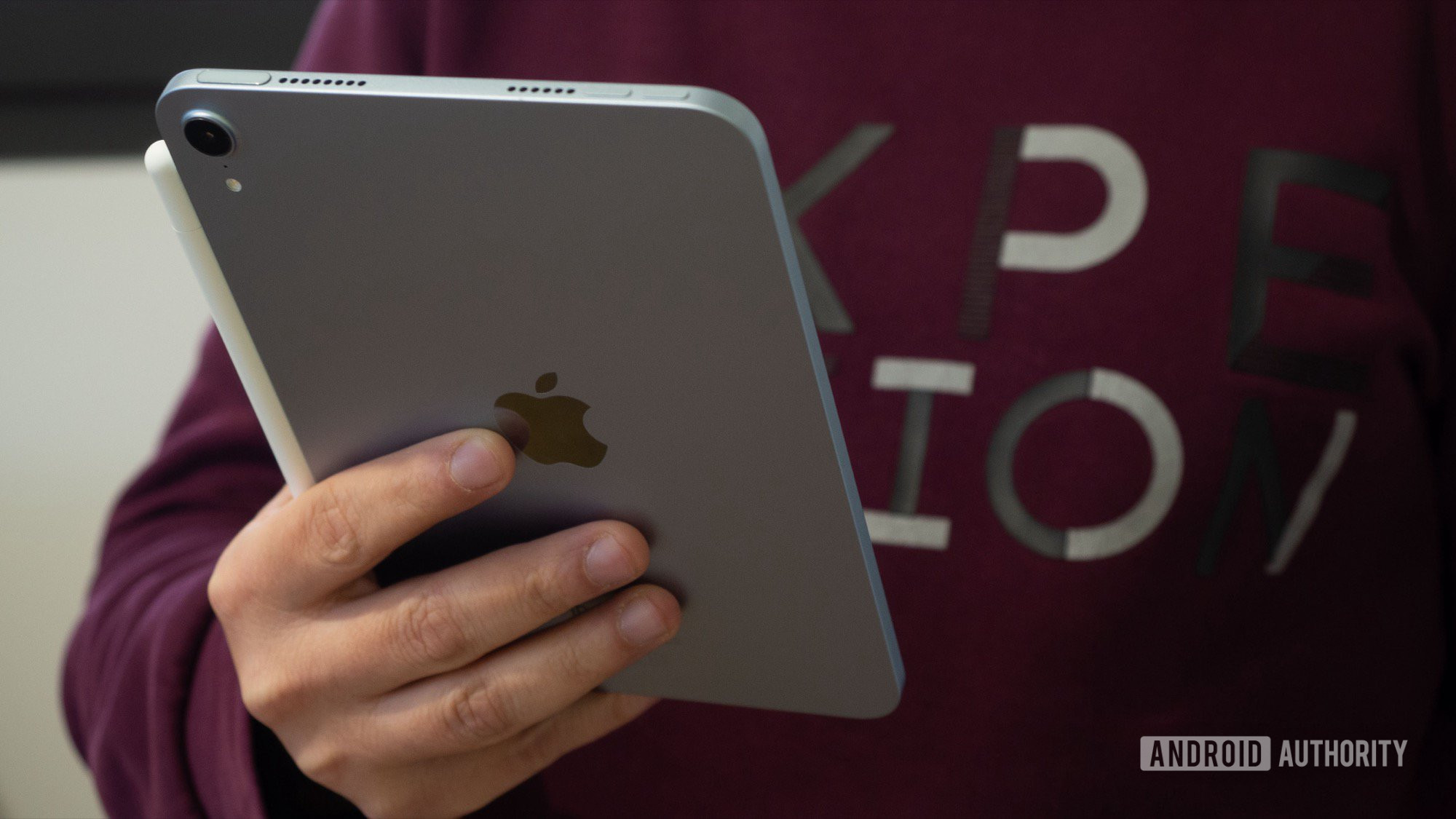
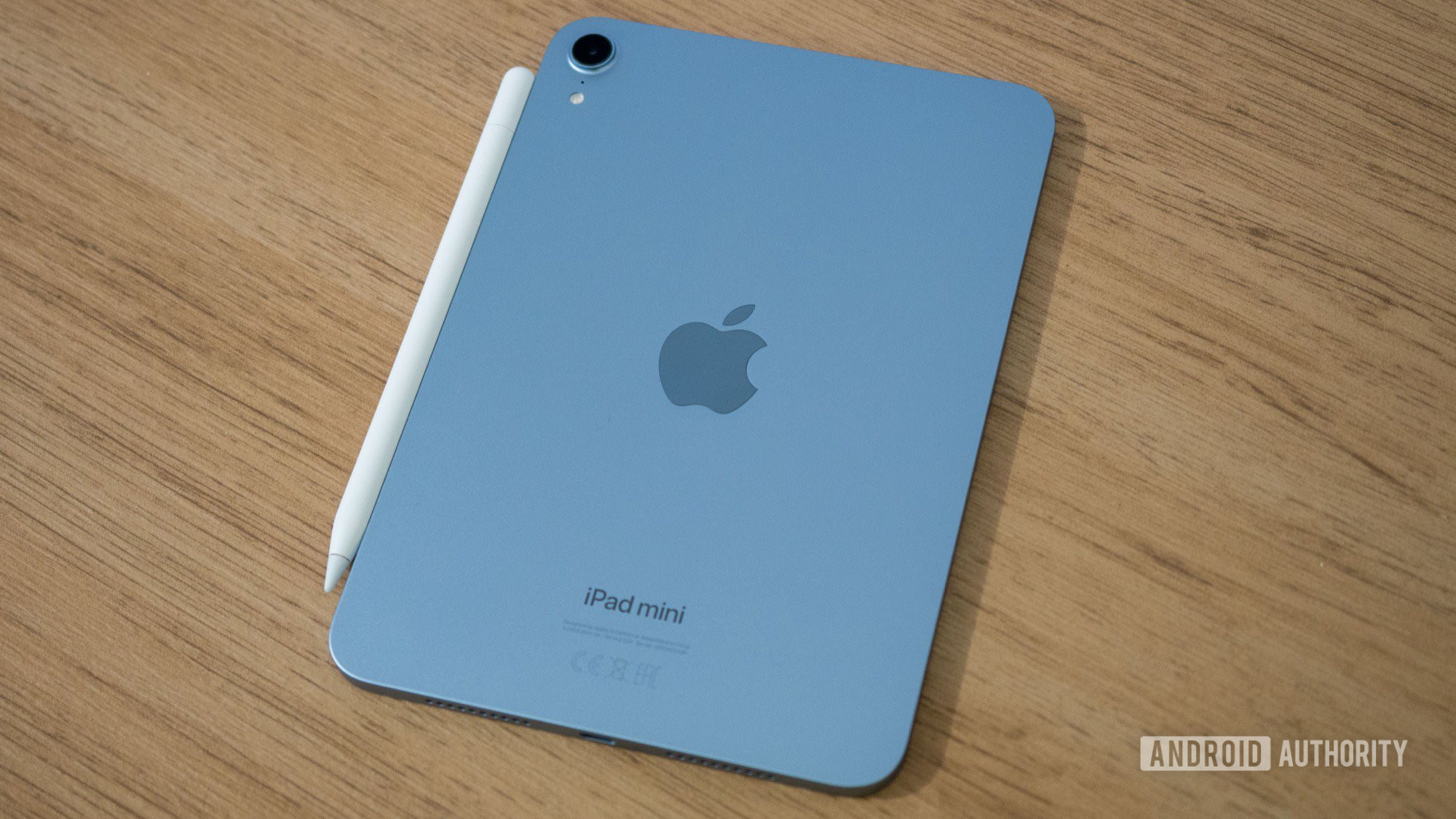
The decision to switch to the latest iPad Mini was not born of a sudden affinity for Apple’s closed ecosystem, but rather a realization that Apple is currently the only manufacturer treating the 8-inch form factor with professional-grade respect. The iPad Mini occupies a unique "Goldilocks" zone in the market: it is small enough for single-handed use and highly portable, yet it houses the A17 Pro chip, a processor capable of competing with many high-end laptops. For a family environment, the physical dimensions of the tablet are just as important as the internal specifications. Larger tablets, while visually impressive, are inherently more fragile and unwieldy. History has shown that 10-inch and 12-inch devices are significantly more prone to accidental drops and screen fractures, particularly when handled by younger users. The compact footprint of the iPad Mini offers a level of durability through ergonomics that larger tablets simply cannot match.
Beyond the hardware, the software experience remains the iPad’s strongest selling point. While Google has made commendable strides in optimizing Android for larger screens—most notably with the release of Android 12L and subsequent updates—the "app gap" persists. Developers still prioritize iPadOS for tablet-specific interfaces. When an app is downloaded on an iPad, there is a reasonable expectation that the UI will be thoughtfully scaled for the display, rather than simply being a stretched-out version of a smartphone interface. This is particularly evident in the gaming sector. The iPad Mini offers a library of titles that lean toward console-quality experiences, a stark contrast to the often ad-supported and less-optimized catalog found on the Google Play Store for tablets.
The accessory ecosystem further widens this divide. While third-party manufacturers do provide cases and styluses for Android devices, the integration of the Apple Pencil Pro represents a level of polish that is difficult to replicate. For users who have spent a lifetime preferring physical paper for sketching and note-taking, the low latency and pressure sensitivity of the latest iPad hardware provide a digital experience that finally feels natural. It transforms the device from a mere media consumption tool into a legitimate creative outlet.
However, the transition is not without its frustrations, and the "walled garden" of Apple remains a point of contention for those raised on Android’s philosophy of openness. The lack of deep customization is perhaps the first hurdle. Android users are accustomed to changing launchers, applying icon packs, and rearranging the system logic to suit their workflow. While iPadOS has introduced widgets and some home screen flexibility, it remains a rigid experience by comparison. For power users who enjoy "tinkering" with their tech, the iPad can feel like a beautiful but locked room.
File management remains another significant pain point. Android’s file system operates much like a traditional PC, allowing for easy drag-and-drop operations and, crucially, expandable storage via microSD cards. In a household where children frequently download large games and media files, the inability to pop in an inexpensive memory card means users are at the mercy of Apple’s expensive internal storage tiers. Furthermore, the restriction on sideloading apps creates a barrier for hobbyist developers. Those who use tools like Construct 3 to build and test their own applications will find the iPad’s security protocols to be a significant hindrance compared to the relative ease of installing an unverified APK on an Android device.
The most glaring deficiency of the iPad in a family context, however, is the lack of multi-user support. Android has mastered the art of profiles, allowing different family members to have their own distinct spaces, apps, and settings on a single shared device. Apple continues to treat the iPad as a strictly personal device, tied to a single Apple ID. This limitation forces families into a difficult financial position: either share a single cluttered profile or purchase multiple expensive devices. As children approach their teenage years and require more digital privacy and autonomy, the lack of user switching becomes a dealbreaker that highlights the high cost of the Apple ecosystem.
Despite these drawbacks, the move to the iPad Mini has been a net positive, primarily because it fulfills a need that the Android market has ignored. It provides a "safe" and high-performance environment where hardware and software are in perfect sync. For children, the reduced risk of malware and the consistent update cadence—which Apple typically maintains for five to seven years—provide a level of stability that is hard to find outside of Samsung’s most expensive offerings.
In the final analysis, the departure from Android tablets is less a rejection of the platform and more a commentary on the current state of hardware availability. The iPad is not necessarily a "better" platform in an objective sense; it simply provides the best version of a specific tool that no one else is currently making. While the author and many enthusiasts may continue to use Android for their primary phones and professional laptop-replacement tablets, the iPad Mini has claimed the crown of the compact category. Until an Android manufacturer decides to challenge this dominance with a truly flagship 8-inch device, the exodus of small-tablet enthusiasts to the iPad is likely to continue. For now, the iPad Mini remains the lone survivor for those who refuse to believe that "bigger" always means "better."
