

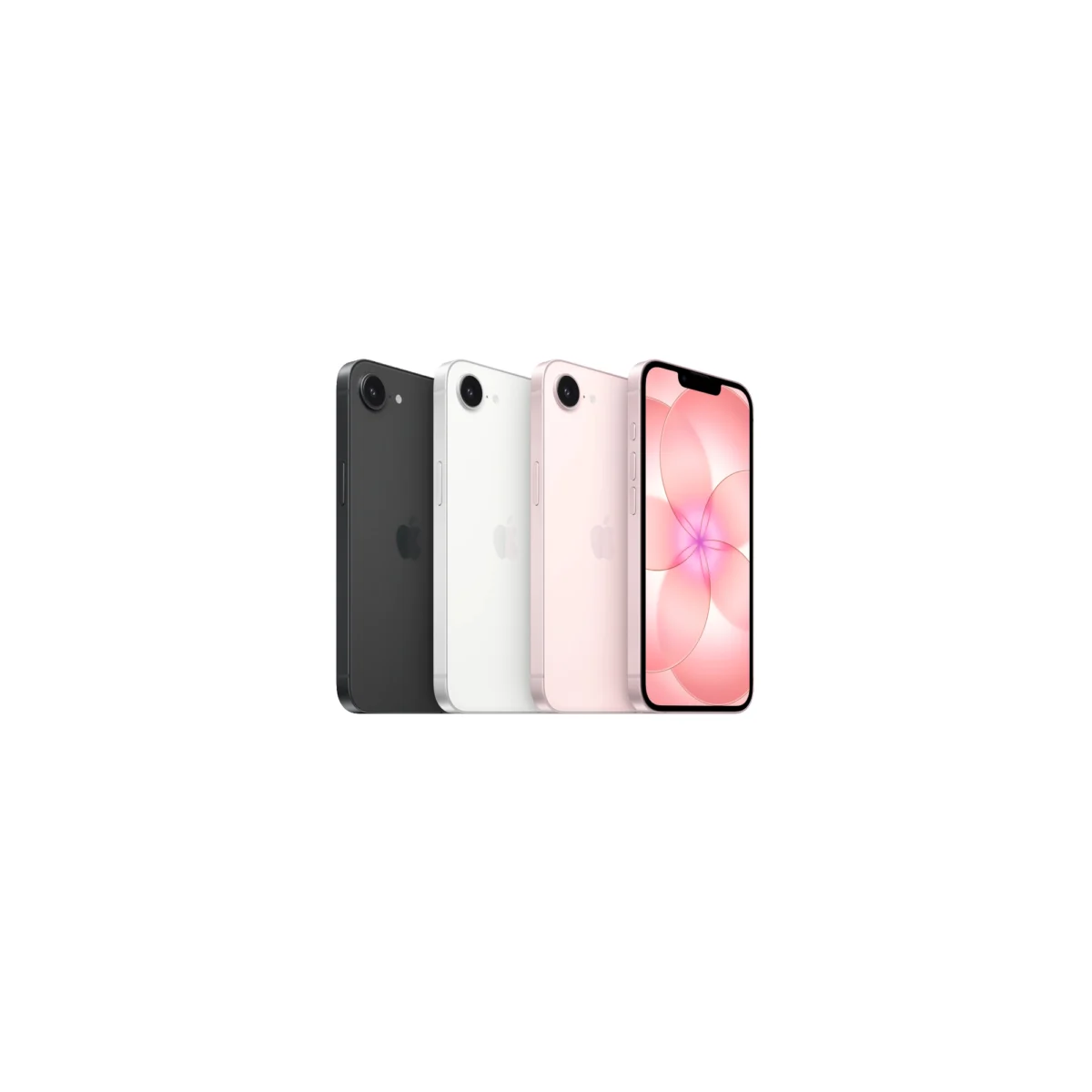
The global smartphone market in 2026 is defined by a paradox of high expectations and tightening budgets. As international economic volatility persists and the integration of generative artificial intelligence begins to reshape the workforce, consumers are increasingly retreating from the thousand-dollar flagship cycle. Instead, the industry has entered the era of "good enough," where the primary objective for the average buyer is to secure a premium experience without the burden of a premium monthly installment plan. In this transitionary landscape, the mid-range segment has become the most contested battlefield in mobile technology. Apple’s latest entry into this fray, the iPhone 17e, arrives as a device of immense contradictions. It is a smartphone that possesses the internal power to dismantle the $500 to $600 Android market entirely, yet it remains tethered to the past by a single, calculated hardware omission that prevents a total market monopoly.
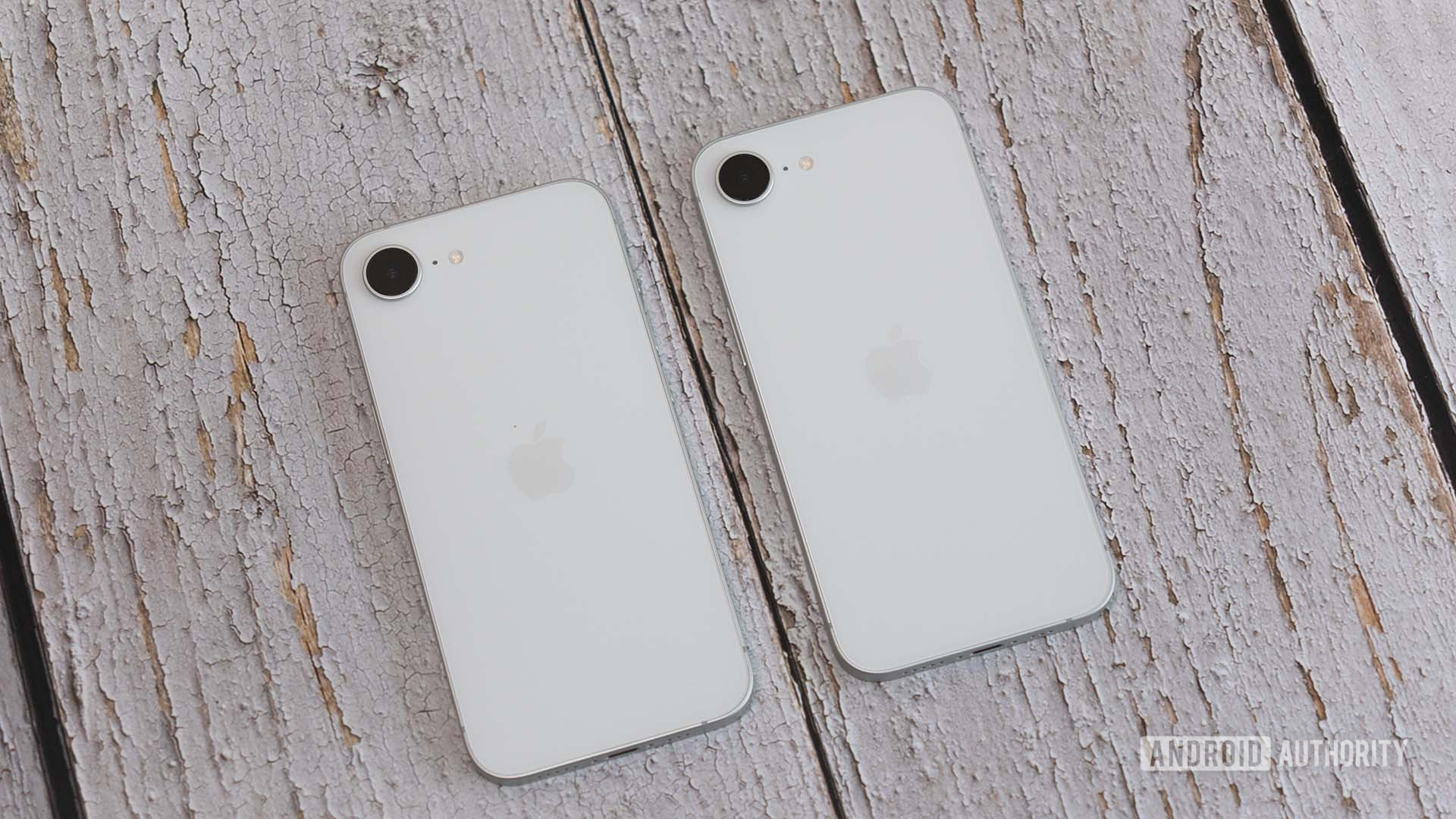
To understand the disruptive potential of the iPhone 17e, one must look beneath its familiar aluminum and glass exterior to the silicon heart beating within. Apple has made the unprecedented move of equipping its entry-level "e" series model with the A19 chipset. This is not a bin-sorted or throttled version of a previous year’s processor; it is the same high-performance engine found in the more expensive standard iPhone 17. In the context of the current market, the A19 is a computational juggernaut that leaves virtually every mid-range Android competitor in its wake. When compared to devices like the Samsung Galaxy A57, which typically relies on mid-tier Exynos or lower-series Snapdragon silicon, the performance gap is staggering. By providing flagship-grade processing power at a $599 price point, Apple has effectively ensured that the iPhone 17e will remain fast, responsive, and capable of handling complex tasks for the better part of a decade.
This focus on longevity is further bolstered by Apple’s decision to finally address long-standing criticisms regarding base storage and memory. For years, the company was perceived as miserly, forcing budget-conscious users to juggle limited 64GB or 128GB drives. The iPhone 17e shatters this tradition by offering 256GB of storage as the standard configuration. For the modern consumer, who is increasingly reliant on high-resolution video and local AI processing, this shift is more than a convenience; it is a necessity. Coupled with 8GB of RAM, the iPhone 17e is specifically engineered to meet the hardware requirements of Apple Intelligence. As AI becomes a central pillar of the iOS experience, the presence of sufficient memory ensures that the 17e will not be left behind as more advanced features are rolled out in future software updates. This level of future-proofing is a rarity in the sub-$600 category, where Android manufacturers often struggle to provide long-term software support for their mid-range hardware.
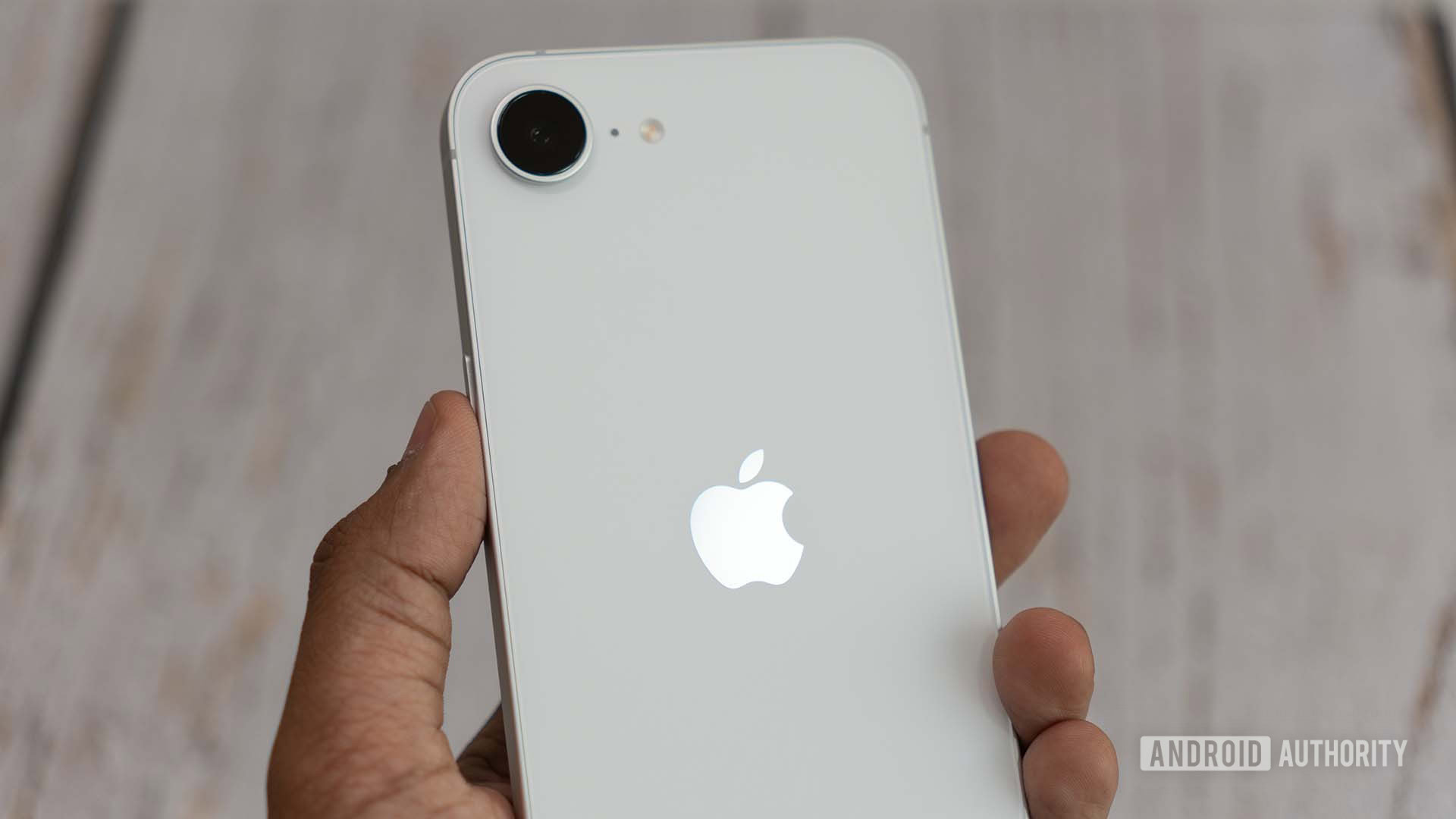
Beyond the internal specifications, the iPhone 17e leverages the strength of Apple’s vast accessory ecosystem to create a user experience that feels more integrated than its rivals. MagSafe, once a luxury feature for the Pro models, has matured into a cornerstone of the iPhone identity. In a market where magnetic car mounts, snap-on wallets, and wireless charging pucks have become ubiquitous, the iPhone 17e fits seamlessly into the daily lives of its users. While the Android ecosystem is currently navigating the growing pains of the Qi2 wireless charging transition, the 17e offers a refined, battle-tested magnetic connection that works out of the box. When contrasted with the Google Pixel 10a, which still struggles to match the sheer variety and reliability of the MagSafe-compatible market, the iPhone 17e presents a more cohesive vision of what a modern smartphone should be.
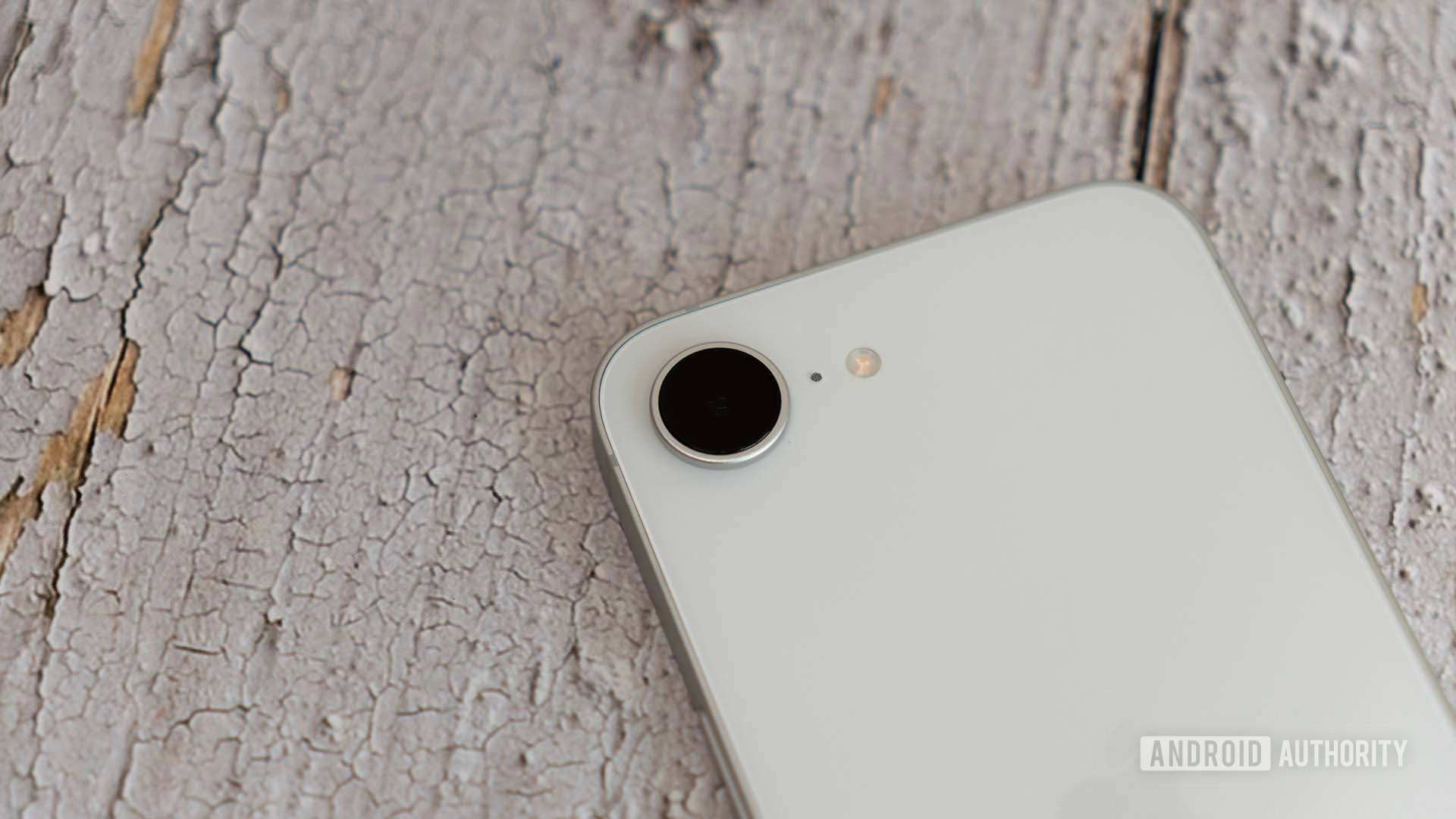
Even the photographic capabilities of the iPhone 17e reflect a philosophy of "quality over quantity." While many Android manufacturers pad their specification sheets with triple or quadruple camera arrays—often including low-resolution macro or depth sensors that offer little real-world utility—Apple has opted for a singular, high-quality 48MP rear sensor. This camera is optimized for the way modern users actually interact with their devices. It is built for the "point-and-shoot" generation, delivering the consistent color science, high dynamic range, and industry-leading video stability required for social media platforms like TikTok and Instagram. In the mid-range bracket, where lighting conditions often challenge smaller sensors, the 17e’s primary camera delivers results that frequently outperform the cluttered camera modules of its competitors.
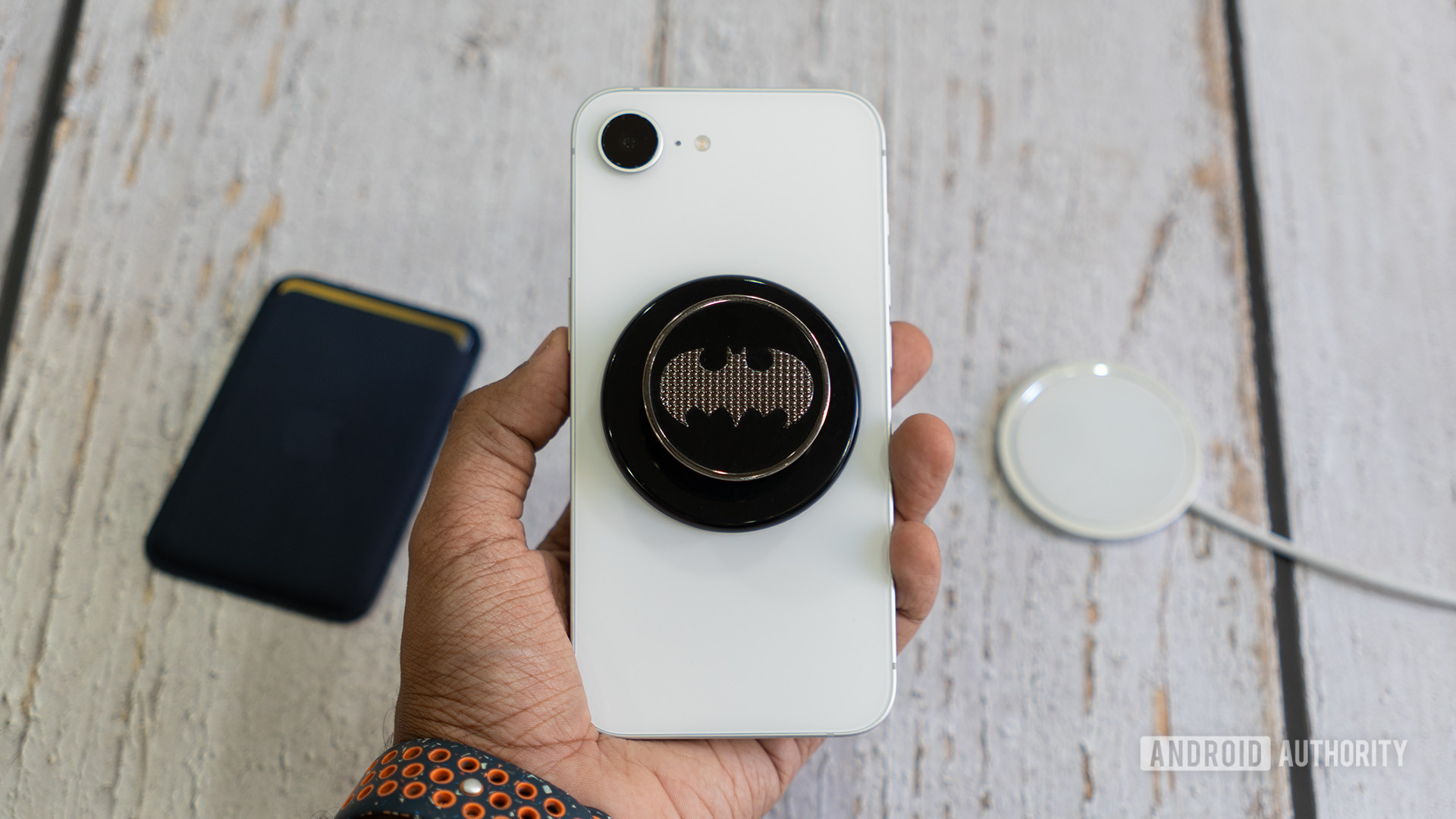
However, for all its technical brilliance, the iPhone 17e is haunted by a glaring weakness that serves as a constant reminder of Apple’s market segmentation strategy. The device is equipped with a 60Hz refresh rate display, a specification that feels increasingly like a relic from a bygone era. In 2026, even budget-friendly Android handsets costing as little as $300 frequently feature 90Hz or 120Hz panels. To use the iPhone 17e is to experience a jarring visual disconnect: the A19 chip is capable of lightning-fast operations, but the screen through which you view those operations is limited by a low refresh rate. This results in a persistent "jank" during scrolling and animations, a lack of fluid motion that is impossible to ignore for anyone who has experienced a modern high-refresh-rate display.
By gatekeeping its ProMotion 120Hz technology, Apple is practicing a form of strategic restraint that protects the sales of its higher-end models but does a disservice to its value-conscious customers. The inclusion of Ceramic Shield 2 and an advanced anti-reflection coating inherited from the flagship series are welcome additions, but they do not compensate for the absence of smooth motion. For a company that prides itself on the "magical" feel of its software, the 60Hz stutter is a significant blemish on an otherwise stellar package. It creates a scenario where the user is essentially viewing an 8/10 smartphone through a 5/10 window.
Despite this visual limitation, the iPhone 17e remains a formidable threat to the Android hegemony in North America. Apple’s target demographic for this device—users upgrading from aging iPhone 11 or 12 models, or younger consumers entering the ecosystem for the first time—may not yet be accustomed to the benefits of 120Hz. For these users, the social pull of the "blue bubble" in iMessage, the reliability of the Apple App Store, and the synergy with other products like the MacBook Neo create a value proposition that is difficult for Samsung or Google to match. Apple has successfully created an entry-level ecosystem where a student or professional can own a surprisingly competent laptop and smartphone for under $1,200, a price point that was once reserved for a single flagship phone.
The iPhone 17e is a calculated warning shot to the rest of the industry. It proves that Apple is willing to deploy its most powerful silicon and generous storage tiers to capture the mid-range market. The 60Hz display is the only barrier left standing, a final gatekeeping measure that prevents the iPhone 17e from being the undisputed king of the budget segment. However, the clock is ticking for the competition. Rumors within the supply chain suggest that the iPhone 18e will finally bridge the gap by introducing high-refresh-rate displays to the entry-level tier. When that day arrives, the "good enough" era for Android manufacturers may transform into an era of total displacement. For now, the iPhone 17e stands as a powerful, albeit compromised, masterpiece—a device that is exactly one upgrade away from changing the smartphone landscape forever.
