
The Xiaomi Redmi Note 13 4G, a robust entry in the competitive mid-range market, presents an exceptional platform for software modification due to the inherent open-source nature of the Android operating system. While the device ships with proprietary firmware, the enthusiast community leverages Android’s architecture to develop bespoke operating system images, commonly known as Custom ROMs, offering users substantially enhanced operational velocity, superior privacy controls, and access to features often unavailable in the official release schedule. This process of replacing the standard firmware unlocks the device’s full potential, transforming the user experience far beyond its factory specifications.
The Foundational Hardware: Redmi Note 13 4G Profile
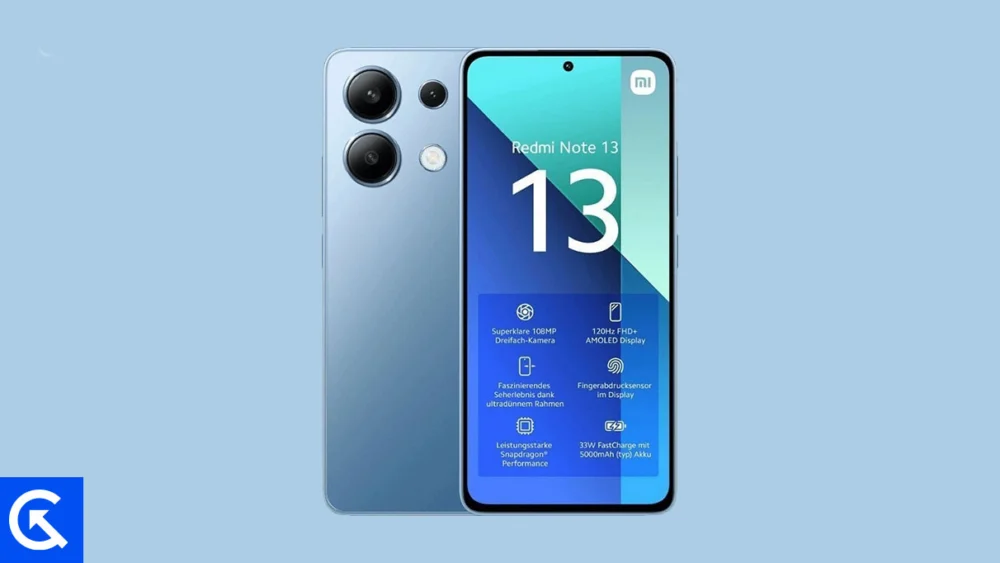
Launched in January 2024, the Redmi Note 13 4G serves as an excellent candidate for customized software builds, owing to its powerful and well-balanced specifications. The device boasts a stunning 6.67-inch AMOLED display, characterized by a fluid 120Hz refresh rate and an impressive 1800 nits of peak brightness, all shielded by Corning Gorilla Glass 3. Its construction includes an IP54 rating for basic dust and splash resistance, encased in a lightweight frame weighing 188.5 grams.
Internally, the phone is driven by the reliable Qualcomm Snapdragon 685 chipset, coupled with configurations featuring up to 8GB of RAM and 512GB of UFS 2.2 storage. This hardware configuration provides ample performance overhead for demanding custom operating systems. Shipped originally with Android 13, and currently slated for upgrades including Android 15 with HyperOS 2, the device already features modern software capabilities. Crucially, its endurance is anchored by a 5000 mAh battery supported by 33W fast charging, capable of reaching 50% capacity in under thirty minutes—a critical feature when experimenting with software that may alter power consumption profiles. Photography is managed by a versatile triple-camera array, featuring a high-resolution 108 MP primary sensor, complemented by an 8 MP ultrawide lens and a 2 MP macro lens. The hardware suite is rounded out by stereo speakers, a 3.5mm audio jack, NFC capability, and infrared functionality, confirming its suitability as a daily driver, regardless of the underlying firmware.
Differentiating Stock Firmware from Custom Development
Understanding the motivation behind flashing a Custom ROM requires defining the limitations of the factory-installed software. The Stock ROM, or Stock Firmware, is the preinstalled operating system provided by the manufacturer (in this case, Xiaomi’s MIUI or HyperOS). While optimized for the specific hardware, Stock ROMs often include manufacturer-specific applications and services—commonly termed "bloatware"—which consume system resources and limit user customization options. The functionality is strictly defined and controlled by the vendor.
Conversely, a Custom ROM is a modified, independently developed version of the Android operating system. Developers take the core Android Open Source Project (AOSP) code and build a new, standalone operating system image. These builds typically strip away all proprietary constraints and garbage applications, delivering a purer, cleaner Android experience. Custom ROMs are frequently updated by the developer community, often receiving essential security patches and new Android version features long before the official OEM support timeline expires. For devices like the Redmi Note 13 4G, custom development extends the device’s functional longevity and potentially enhances performance through optimized kernel configurations.
The Gateway to Modification: Prerequisites
Before attempting to install any alternative operating system, users must prepare their Redmi Note 13 4G device. The essential precursor to flashing a Custom ROM is the installation of a custom recovery environment, such as Team Win Recovery Project (TWRP). This recovery tool replaces the default, limited recovery mode, enabling the sideloading and flashing of third-party zip files, including the Custom ROM itself and associated packages like Google Apps (GApps), if not included in the primary build. This preparatory step necessitates unlocking the device’s bootloader, a procedure that typically voids the manufacturer’s warranty but is mandatory for accessing the deeper system partitions.
![List of Best Custom ROM for Xiaomi Redmi Note 13 4G [Updated]](https://www.getdroidtips.com/wp-content/uploads/2024/12/Xiaomi-Redmi-Note-13-4G.jpg)
The Spectrum of Custom Firmware for the Redmi Note 13 4G
The community has rapidly embraced the Redmi Note 13 4G, yielding a diverse collection of stable and experimental custom firmware options, each catering to different user preferences, ranging from maximum performance to enhanced visual customization.
Lineage OS (LOS)
Lineage OS stands as the spiritual successor to the legendary CyanogenMod project. Recognized globally for its stability and commitment to pure Android aesthetics, Lineage OS offers a highly reliable experience. The firmware minimizes resource consumption while providing essential user controls, including a customizable status bar, navigation bar adjustments, and quick toggle features. Lineage OS is often the choice for users prioritizing long-term stability and receiving consistent, community-driven security updates. Current stable and developmental versions available include Lineage OS 21 and the anticipated Lineage OS 22 builds.
PixelOS and Pixel Experience ROM
For users seeking the authentic Google software experience without the premium hardware price tag, PixelOS and Pixel Experience ROM are invaluable. These AOSP-based ROMs meticulously replicate the look, feel, and functionality of Google’s own Pixel smartphones. They integrate core Google applications and services directly into the operating system, coupled with Google-specific features and performance enhancements. PixelOS focuses on delivering a streamlined interface and maximizing system efficiency, closely mimicking the official software distribution of the flagship Pixel line.
Evolution X
Evolution X is designed to deliver a true Pixel aesthetic while incorporating a vast array of configuration options. This Custom ROM aims to marry the pure, unadulterated Google interface with substantial modding capabilities. Evolution X focuses on frequent updates, ensuring that users benefit from the latest monthly Android security patches derived from the newest AOSP sources, alongside comprehensive tools for personalized device configuration.
CrDroid OS
CrDroid OS is the choice for customization enthusiasts. Built from the ground up utilizing components from AOSP, Lineage OS, and other esteemed projects like AOSPA and SlimROM, CrDroid provides an extensive toolkit for personalization. Users can modify virtually every element of the interface, from system animations and notification styles to advanced gesture controls, all while maintaining a base of pure Android performance.
DerpFest ROM
DerpFest began as a smaller, community-focused project that has grown into a mature, stable platform. It provides a unique balance between stability and experimental features, making it accessible for both newcomers to the custom ROM scene and seasoned flashers. DerpFest’s development philosophy emphasizes a rich feature set derived from various sources, packaged into a highly reliable daily driver environment.
Performance-Focused Builds: Project Infinity X and AxionOS
Two notable entries focus squarely on refined performance and system responsiveness. Project Infinity X is an AOSP-based ROM emphasizing optimized performance, stunning visuals, and deep customization, designed specifically for enthusiasts who demand rapid, lag-free operation. Similarly, AxionOS positions itself as a direct alternative to manufacturer skins, engineered to make the Redmi Note 13 4G faster, more reliable, and inherently more powerful by minimizing overhead and maximizing hardware utilization.
Future Development: Android 16
While official Android releases are typically managed by Google and then adapted by OEMs, the custom community often explores forward-looking builds. Conceptual builds related to Android 16 highlight the introduction of Material 3 Expressive, the refined evolution of Google’s design language. This enhancement focuses on smoother, more dynamic animations, larger, more intuitive touch targets, and a bolder typographical hierarchy, signaling a future direction for Android user interfaces that community developers are quick to integrate into specialized ROMs.
The array of custom firmware available for the Xiaomi Redmi Note 13 4G confirms its standing as a highly modifiable device. By moving beyond the limitations of the proprietary stock environment, users gain access to optimized performance, extended feature sets, and the latest security protocols, ensuring the hardware remains relevant and competitive well into the future.
