

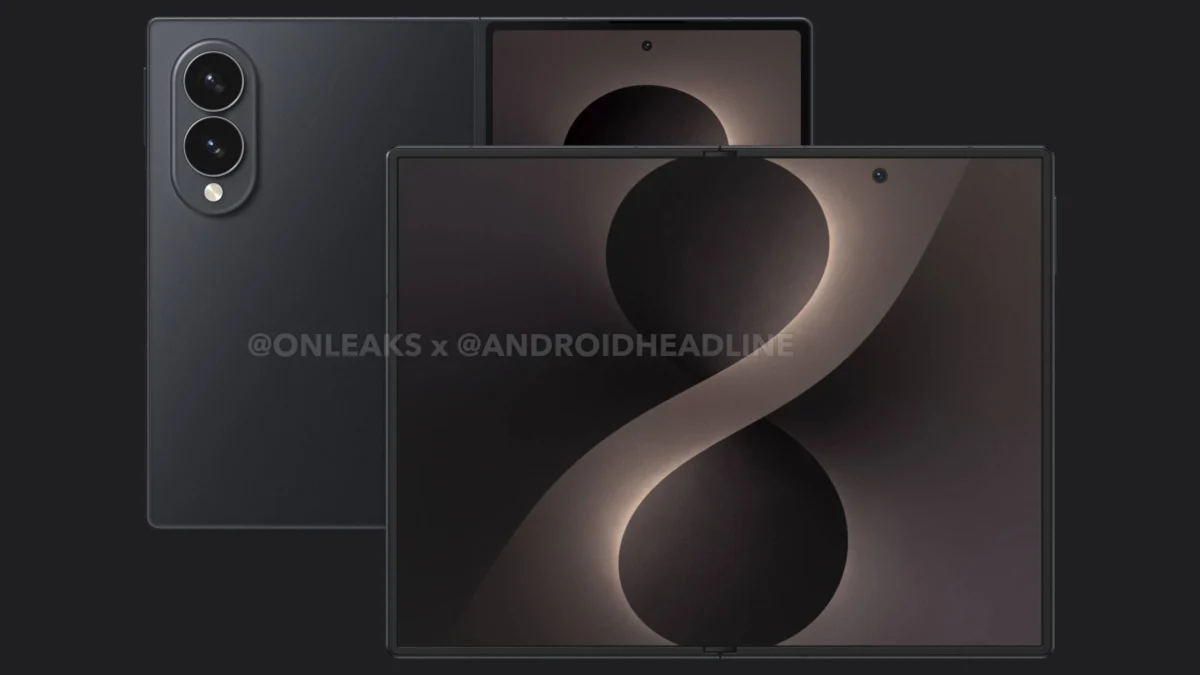
The landscape of the premium smartphone market is currently undergoing a seismic shift as manufacturers transition from the novelty of folding screens to the refinement of their utility and ergonomics. For years, Samsung has dominated the foldable sector with its Galaxy Z Fold series, a lineup characterized by a tall, narrow cover screen and a nearly square internal display. However, as consumer preferences evolve and international competitors push the boundaries of design, the South Korean tech giant appears ready to diversify its portfolio. Recent leaks suggest that the upcoming 2026 refresh will not only include the iterative Galaxy Z Fold 8 but will also introduce a significantly altered variant known as the Galaxy Z Fold 8 Wide. This new model aims to address long-standing critiques regarding the usability of the outer display while offering an internal canvas that mirrors the productivity-focused dimensions of professional tablets.
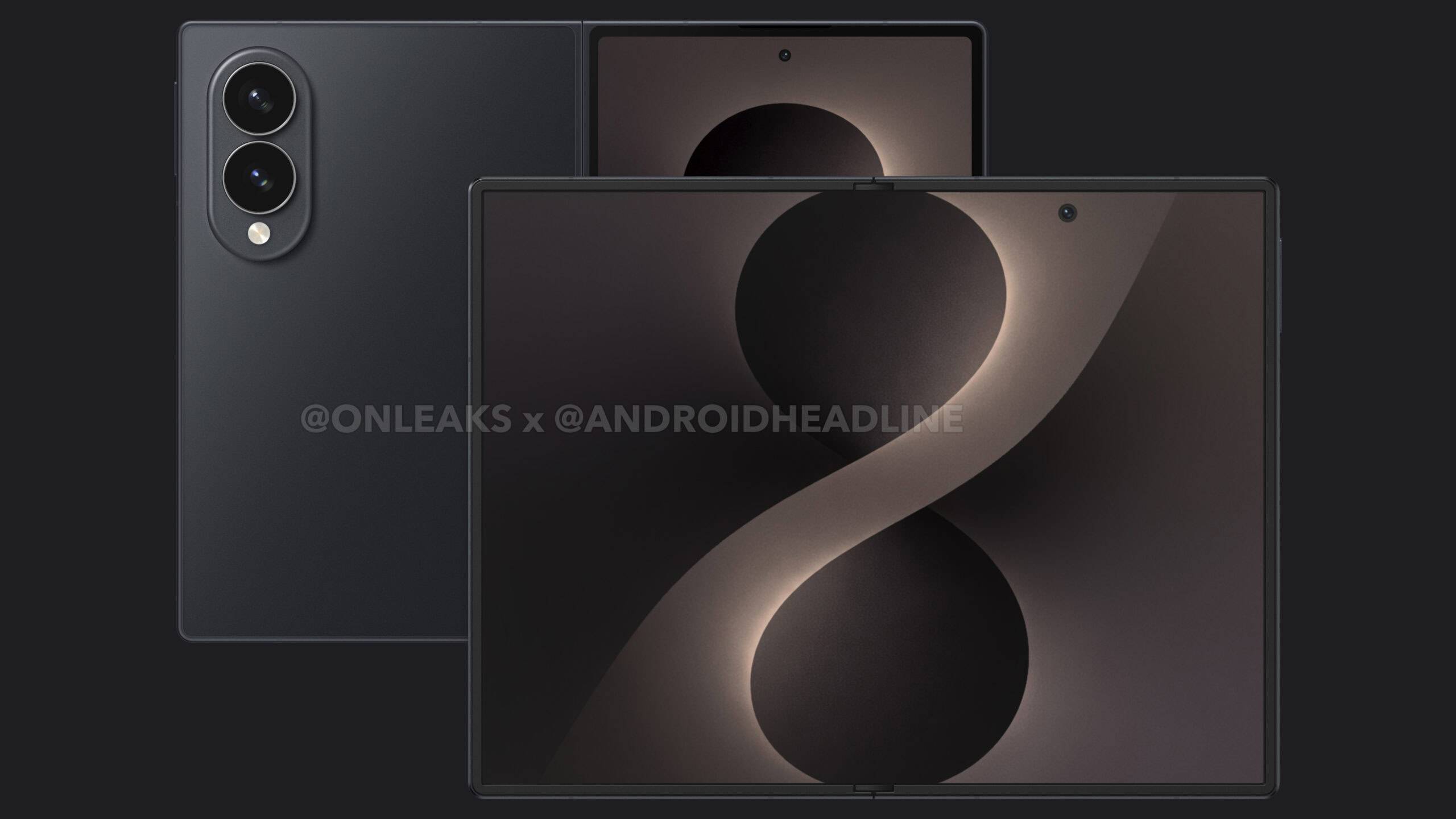
Information sourced from the prominent industry insider Ice Universe has shed light on the specific engineering goals Samsung is pursuing with the Galaxy Z Fold 8 Wide. According to the leak, the device will feature a primary internal display with a 4:3 aspect ratio. For those familiar with the history of personal computing and mobile hardware, this ratio is immediately recognizable. It was the standard for the television industry for decades and remains the preferred canvas for the Apple iPad. By adopting a 4:3 ratio, Samsung is signaling a departure from the "squarish" 1:1 or 6:5 ratios seen in previous Fold generations. This shift suggests a device optimized for horizontal real estate, making it far more conducive to document editing, web browsing, and multi-window multitasking.
The external "cover" screen is also receiving a dramatic overhaul. The Galaxy Z Fold 8 Wide is rumored to sport a 4.7:3 aspect ratio on its outer panel. This is perhaps the most significant change for daily users, as it addresses the "remote control" feel of current Fold models. A 4.7:3 ratio results in a much wider, more traditional smartphone experience when the device is closed. This allows for a full-sized keyboard that reduces typing errors and ensures that standard Android applications do not feel cramped or vertically stretched. By widening the chassis, Samsung is effectively creating a device that functions as a flagship smartphone on the outside and a professional-grade tablet on the inside, without the compromises in aspect ratio that have plagued the category since its inception.
This strategic pivot is not occurring in a vacuum. Samsung is facing unprecedented pressure from Chinese manufacturers who have aggressively pursued thinner and wider foldable designs. Most notably, Huawei recently launched the Pura X Max, a device that effectively "beat Samsung to the punch" regarding the wide-format foldable aesthetic. Furthermore, rumors regarding Apple’s entry into the foldable market—tentatively dubbed the "iPhone Fold"—suggest that the Cupertino company is also eyeing a 4:3 internal display. If these reports hold true, the industry is converging toward a new standard for foldables. Samsung’s decision to launch a "Wide" variant of the Fold 8 appears to be a preemptive strike to ensure it remains the benchmark for the category before Apple can establish its own foothold.
Beyond the screen dimensions, the Galaxy Z Fold 8 Wide is expected to be a marvel of modern industrial design. Previous leaks have indicated that Samsung is targeting an ultra-slim profile to maintain portability despite the increased width. The device is rumored to measure a mere 4.9mm when unfolded and 9.8mm when closed. Achieving a thickness of under 10mm in a folded state is a critical milestone for the industry; it places the foldable in direct competition with traditional "slab" phones in terms of pocketability. To achieve this, Samsung is likely employing advanced hinge mechanisms and high-density battery technologies that allow for a thinner chassis without sacrificing structural integrity or endurance.
The internal hardware of the Galaxy Z Fold 8 Wide will likely reflect its status as a "super-flagship." Speculation points toward the inclusion of the Qualcomm Snapdragon 8 Elite Gen 5 processor. This chipset, expected to be the pinnacle of mobile silicon in 2026, will likely focus heavily on on-device generative artificial intelligence and high-efficiency multitasking. Given the tablet-like 4:3 internal screen, the device will require immense processing power to manage three or four simultaneous application windows. Samsung is expected to pair this processor with high-capacity RAM—likely starting at 16GB—and storage options reaching up to 1TB to accommodate professional workflows.
The choice of a 4:3 aspect ratio also carries a certain level of cultural and functional nostalgia. In the gaming community, 4:3 is the "golden ratio" for retro titles, making the Galaxy Z Fold 8 Wide a potentially perfect device for emulation enthusiasts. From a productivity standpoint, the 4:3 ratio is mathematically superior for viewing PDFs and digital textbooks, as it aligns closely with the dimensions of standard A4 or Letter-sized paper. While modern cinematic content has moved toward 16:9 and 21:9 formats, a 4:3 screen still offers a massive viewing area. Even with the inevitable "letterboxing" (black bars at the top and bottom), the sheer scale of a 7.6-inch 4:3 display provides a larger video playback area than almost any traditional smartphone on the market.
Market analysts suggest that by offering both a standard Galaxy Z Fold 8 and a Galaxy Z Fold 8 Wide, Samsung is adopting a "Pro" and "Ultra" segmentation strategy similar to its Galaxy S-series. The standard Fold 8 may cater to those who prefer a narrower, more one-handed friendly device, while the Wide variant will target power users, creative professionals, and those who currently carry both a phone and a tablet. This dual-pronged approach allows Samsung to capture a broader demographic and defend its market share against the diverse offerings from competitors like Honor, Xiaomi, and Google.
The software experience will be equally vital to the success of this new form factor. Samsung’s One UI has long been considered the gold standard for foldable software, offering features like the Taskbar, App Continuity, and Flex Mode. For the Fold 8 Wide, Samsung will likely introduce enhanced "split-view" optimizations that take advantage of the 4:3 canvas. We may see the ability to snap apps into more logical grids or a desktop-like environment that bridges the gap between mobile Android and the Samsung DeX experience.
While the Galaxy Z Fold 8 Wide is expected to debut in the summer of 2026 during Samsung’s traditional Unpacked event, the anticipation is already building. The move toward wider aspect ratios represents the "coming of age" for foldables. No longer are these devices mere experiments in flexible glass; they are becoming refined tools designed to replace multiple pieces of hardware in a user’s kit. By embracing the 4:3 ratio, Samsung is not just following a trend—it is returning to a classic, functional geometry that has proven its worth across decades of computing history.
As we move closer to the official unveiling, questions remain regarding the price point and regional availability. Given the sophisticated engineering required to make a wide foldable that is also under 10mm thick, the Galaxy Z Fold 8 Wide will undoubtedly command a premium price, likely exceeding the current $1,899 starting point of the Fold 6. However, for the user who views their smartphone as their primary workstation, the promise of a pocketable 4:3 tablet may be an investment worth making. Samsung’s gamble on "Wide" is a clear indication that the future of the foldable is not just about the fold itself, but about the quality and utility of the space that the fold creates.
