

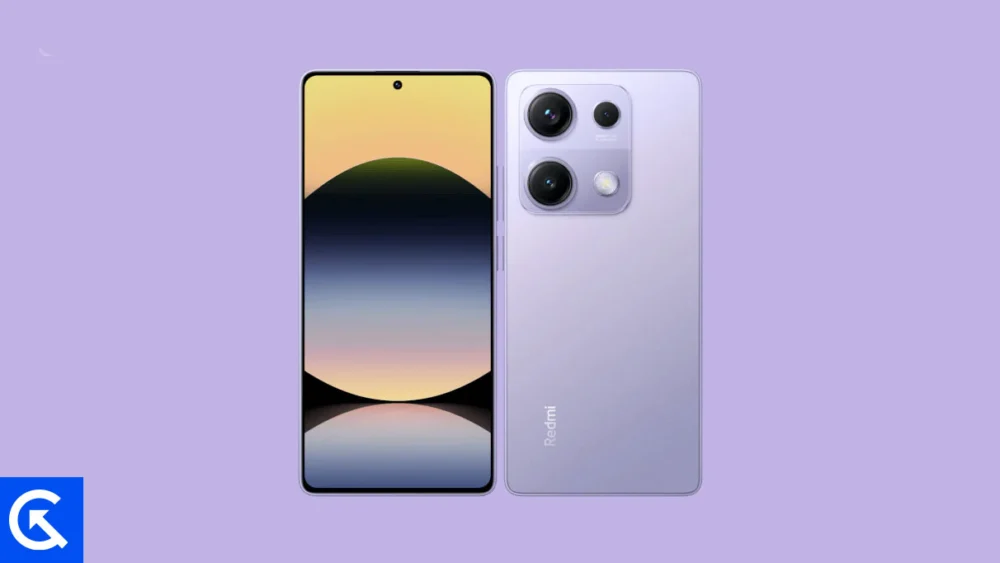
The pursuit of the latest Android features often outpaces manufacturer update schedules, especially for popular mid-range devices. For owners of the Xiaomi Redmi Note 14S, this gap has been dramatically closed with the release of an unofficial, community-ported custom ROM based on the newly launched Android 16 operating system. While Google’s latest iteration of Android is currently exclusive to its own Pixel lineup, dedicated open-source developers have successfully adapted the core Android Open Source Project (AOSP) build, allowing the Redmi Note 14S to leapfrog its official software path and access cutting-edge features ahead of schedule.
This development is significant for a device that, while technologically robust, faces the inevitable expiration of major platform updates. Installing this custom firmware allows users to maximize the device’s lifespan and experience Google’s most recent advancements in design, security, and performance.
Android 16 and the Evolution of User Experience
Android 16 represents a crucial phase of refinement for Google’s mobile platform, centering heavily on aesthetic maturity and system optimization. The most visible transformation in this release is the introduction of Material 3 Expressive. This design language is not a radical departure but a sophisticated evolution of the established Material Design 3 framework, first seen in Android 13.
Material 3 Expressive focuses on enhancing user interaction through fluidity and responsiveness. Key changes include significantly smoother, more dynamic transition animations that provide better context during navigation, coupled with an emphasis on larger, more accessible touch targets. Typography is bolder and more intentional, contributing to a modern, polished visual identity. This iterative approach ensures users benefit from a fresh, contemporary interface without the disorientation of a complete overhaul.
![How to Install Android 16 on Xiaomi Redmi Note 14S [Download Link]](https://www.getdroidtips.com/wp-content/uploads/2025/03/Xiaomi-Redmi-Note-14S.jpg)
Beyond the visible design elements, Android 16 incorporates numerous system optimizations designed to improve resource management, particularly beneficial for non-flagship hardware like the Redmi Note 14S. These enhancements typically translate into improved battery efficiency, quicker application loading times, and heightened security protocols baked into the system kernel. For users impatient with the lengthy cycles of official manufacturer updates, a stable custom AOSP build offers immediate access to this improved user experience.
The Capability of the Redmi Note 14S
The Xiaomi Redmi Note 14S, initially hitting the market in March 2025, remains a highly capable piece of hardware, making it an excellent candidate for extended software life via custom ROMs. The device is built around the efficient MediaTek Helio G99 Ultra chipset, featuring an octa-core CPU and the Mali-G57 MC2 GPU, providing ample power for modern applications and demanding games.
The internal configuration—typically 8GB of RAM paired with 256GB of UFS 2.2 storage (expandable via a shared SIM slot)—ensures fast data access and multitasking proficiency. Visually, the device excels with a 6.67-inch AMOLED display offering a smooth 120Hz refresh rate and high peak brightness (1300 nits), protected by Corning Gorilla Glass 5.
Photography remains a strong point, anchored by a high-resolution 200MP main sensor featuring Optical Image Stabilization (OIS), complemented by an 8MP ultrawide lens. The device’s power is supplied by a substantial 5000mAh battery, supported by impressive 67W fast charging technology, capable of reaching a full charge in under 50 minutes. Given this strong technical foundation, the installation of Android 16 ensures the hardware’s capabilities are not bottlenecked by older software.
Stability and Developer Status
While the excitement surrounding an early Android 16 port is high, it is crucial to note that this build is an unofficial community effort derived from the AOSP source code. Early reports from the developer community suggest a remarkable level of stability for a newly ported operating system. Initial testing indicates that core functionality, including the display, cellular connectivity, camera, Wi-Fi 5, and Bluetooth 5.2, is fully operational.
![How to Install Android 16 on Xiaomi Redmi Note 14S [Download Link]](https://www.getdroidtips.com/wp-content/uploads/2025/03/Xiaomi-Redmi-Note-14S-300x169.jpg)
As is common with early custom firmware, users must remain vigilant for potential edge-case issues. While no major, crippling bugs have been universally reported, minor stability issues or specific hardware features (such as NFC in certain regions or specialized MIUI features) might exhibit intermittent failures. Users engaging in this process are encouraged to participate actively by reporting any observed anomalies, complete with detailed logs, to the development team to facilitate rapid patching and improvement.
The Essential Pre-Installation Requirements
Transitioning from official HyperOS firmware (which the device launched with, based on Android 15) to a custom Android 16 ROM is a technical process requiring meticulous preparation. Failure to adhere to the prerequisites can result in data loss or potentially "bricking" the device.
1. Comprehensive Data Backup:
The installation of a custom ROM, particularly the initial step of unlocking the bootloader, mandates a complete factory reset, erasing all user data, applications, and settings. A full backup of all critical data—photos, contacts, messages, and application data—is mandatory.
2. Power Assurance:
The device must be charged to a minimum of 50% capacity. Any interruption of power during the critical flashing sequences can corrupt system partitions and render the device unusable.
3. Bootloader Unlocking:
The fundamental prerequisite for any custom modification is unlocking the device’s bootloader. This security measure, implemented by Xiaomi, prevents unauthorized software from being loaded. The official unlocking procedure, which involves requesting permission from Xiaomi, must be followed. This process invariably wipes the device’s internal storage as a security precaution.
![How to Install Android 16 on Xiaomi Redmi Note 14S [Download Link]](https://www.getdroidtips.com/wp-content/uploads/2020/06/cmd-platform-tools.jpg)
4. Advanced Utility Tools (ADB and Fastboot):
The Android Debug Bridge (ADB) and Fastboot binaries, packaged within Google’s Platform-Tools, are indispensable. ADB serves as the communication bridge, allowing the computer to interact with the device while it is running. Fastboot, however, is the low-level utility required to execute commands when the device is in bootloader mode, essential for flashing custom recovery images. Appropriate Xiaomi USB drivers must also be installed on the host computer to ensure a stable, high-speed connection.
5. Custom Recovery Installation (TWRP):
Stock recovery environments are designed solely to install officially signed firmware updates. To install third-party custom ROMs, a custom recovery solution like Team Win Recovery Project (TWRP) is necessary. TWRP provides a touch-based interface for performing system wipes, flashing unsigned ZIP files (the ROM and GApps), and managing partitions. Following the bootloader unlock, users must flash the dedicated TWRP recovery image for the Redmi Note 14S using Fastboot commands.
6. Acquiring Firmware Components:
The final preparatory step involves securing the necessary files: the unofficial Android 16 custom ROM package and the appropriate Google Apps (GApps) package. AOSP builds, by definition, lack proprietary Google services (such as the Play Store, Maps, and integrated accounts). Therefore, the GApps package must be downloaded and flashed immediately after the ROM, ensuring that the critical Google infrastructure is installed before the first boot.
The Flashing Procedure
Once all prerequisites are satisfied and the device is booted into the TWRP custom recovery environment, the installation sequence is standardized. The process typically involves performing a full system wipe (including Dalvik/ART cache, data, and system partitions), followed by flashing the custom ROM ZIP file. Crucially, immediately after the ROM flash completes, the user must flash the GApps package before rebooting the system. Rebooting between the ROM and GApps installation will result in a non-functional system that requires re-flashing.
The first startup following a custom ROM installation will be significantly longer than usual as the operating system initializes all components and compiles the necessary application caches. Upon successful boot, the user is presented with the standard Android setup screen, ready to configure their device running the very latest Android platform.
![How to Install Android 16 on Xiaomi Redmi Note 14S [Download Link]](https://www.getdroidtips.com/wp-content/uploads/2020/08/twrp-custom-rom.jpg)
By undertaking this technically demanding process, Redmi Note 14S owners successfully circumvent the typical constraints of the manufacturer update cycle, ensuring their capable hardware is matched with contemporary software, extending the relevance and utility of their mid-range smartphone well into the future. While this route carries inherent risks, the reward is an unparalleled early adoption experience of Android 16.
