

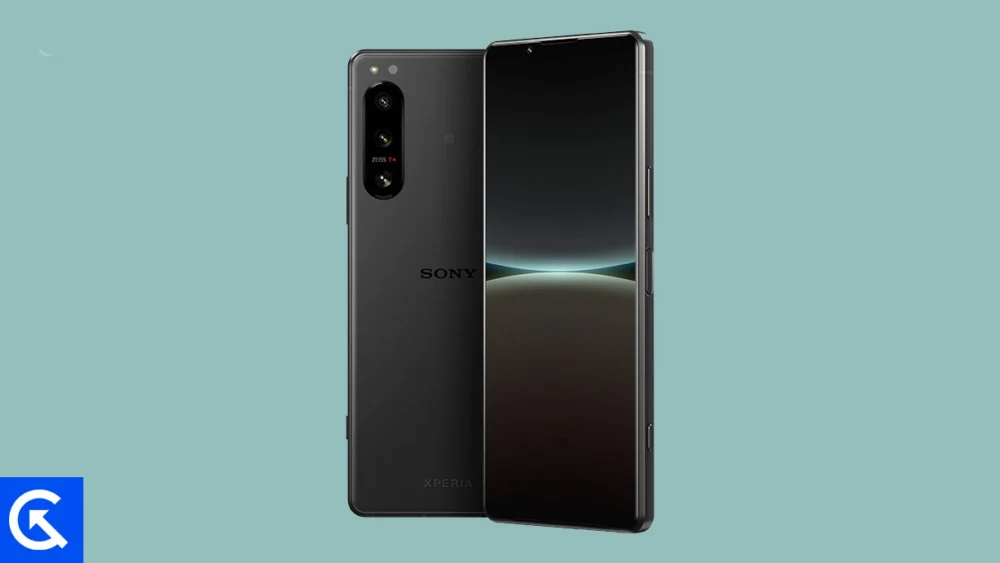
The rapid development cycle of the Android ecosystem often leaves even powerful, recent flagship devices behind when official software support wanes. For users of the Sony Xperia 5 IV, a device praised for its premium compact design and creator-focused camera tools, the path to obtaining the latest operating system, Android 16, now runs through the dedicated custom ROM community. While Google has only recently commenced the official rollout of Android 16 on its Pixel devices, independent developers have quickly ported unofficial Android Open Source Project (AOSP) builds, enabling owners of the Xperia 5 IV to experience the cutting-edge features and performance enhancements of the new OS immediately. This unauthorized port breathes essential new life into a device that remains technically robust.
Android 16: An Evolution of Expressive Design
Android 16 introduces significant refinements that, while not constituting a radical visual reinvention, represent a crucial evolution in user interaction and aesthetics. The most prominent user-facing change is the debut of Material 3 Expressive. This design philosophy builds upon the foundation of Material Design 3, which first appeared in Android 13, pushing for a more dynamic, fluid, and visually engaging interface.
Material 3 Expressive is characterized by smoother, more contextual animations that react dynamically to user input, providing a more tangible feel to digital interactions. It also incorporates bolder typography and strategically enlarged touch targets, enhancing accessibility and ease of use, particularly on smaller screens like the Xperia 5 IV’s 6.1-inch panel. This update arrives at a time when the previous design iterations were beginning to feel static. Material 3 Expressive injects vitality and polish, ensuring the Android interface remains modern and competitive without sacrificing the familiar visual language users appreciate.
![How to Install Android 16 on Sony Xperia 5 IV [Download Link]](https://www.getdroidtips.com/wp-content/uploads/2026/01/Sony-Xperia-5-IV.jpg)
Beyond the aesthetic overhaul, Android 16 also bundles critical system optimizations. These include enhanced resource management, which typically translates to better battery life and sustained performance under heavy load—a welcome improvement for devices running high-performance chipsets. Furthermore, the new OS solidifies support for emerging form factors, such as advanced foldable interfaces and larger tablet displays, future-proofing the user experience regardless of the connected hardware ecosystem.
The Enduring Appeal of the Sony Xperia 5 IV
The Sony Xperia 5 IV, released as a compact powerhouse, remains an ideal candidate for a performance-extending custom ROM upgrade. Its hardware specifications delineate it as a niche, premium choice. The device features a sleek, narrow 6.1-inch OLED display utilizing Sony’s signature 21:9 cinematic aspect ratio, paired with a smooth 120Hz refresh rate and exceptional color fidelity. Constructed with Gorilla Glass Victus front and back, an aluminum frame, and robust IP65/IP68 certification, the phone is built for durability and comfort, weighing a manageable 172g.
Internally, the Xperia 5 IV is powered by the capable Snapdragon 8 Gen 1 processor. While not the latest silicon, this chipset ensures rapid, reliable performance across demanding applications, multimedia consumption, and high-end mobile gaming. Crucially, the device retains features often abandoned by contemporary flagships, including a dedicated 3.5mm headphone jack with Hi-Res audio support and a microSD card expansion slot, appealing directly to audiophiles and content creators who require flexible storage.
The camera system is perhaps the device’s most defining characteristic. It employs three 12 MP sensors, all equipped with Zeiss optics and professional features borrowed from Sony’s Alpha line of mirrorless cameras. These include real-time autofocus on all three lenses and advanced video recording capabilities, such as 4K HDR capture at up to 120 frames per second. The integration of Alpha-inspired controls, including eye-tracking autofocus, makes the Xperia 5 IV a true pocket camera for enthusiasts. A generous 5000 mAh battery, substantial for a phone of its size, supports wired, wireless, and reverse wireless charging, underscoring its utility as a compact, professional-grade multimedia tool.
![How to Install Android 16 on Sony Xperia 5 IV [Download Link]](https://www.getdroidtips.com/wp-content/uploads/2026/01/Sony-Xperia-5-IV-300x169.jpg)
Prerequisites for Flashing: Navigating the Custom ROM Landscape
Installing an unofficial AOSP build of Android 16 on the Xperia 5 IV is not a standard over-the-air update; it requires significant modification of the device’s system partitions. This process mandates careful adherence to several critical technical prerequisites, which carry inherent risks, including the potential for data loss or device damage (bricking) if procedures are not strictly followed.
1. Data Integrity and Security: The foremost requirement is a complete and verified backup of all personal data. Unlocking the bootloader, a necessary step in this process, is destructive and initiates a factory reset, irrevocably wiping all user data stored on the device.
2. Bootloader and Recovery Modification: To install any non-official operating system, users must first unlock the bootloader. This procedure removes the software restrictions imposed by Sony, which typically prevent the installation of custom software. Unlocking the bootloader universally voids the manufacturer’s warranty. Once unlocked, the proprietary Sony recovery environment must be replaced with a custom recovery tool, most commonly TWRP (Team Win Recovery Project). TWRP acts as the necessary intermediary, a powerful command-line utility and touch-based interface required to flash the custom ROM and auxiliary files onto the device’s system partitions.
3. Command-Line Tools and Drivers: Successful communication between the computer and the device’s low-level hardware relies on the ADB (Android Debug Bridge) and Fastboot command-line binaries, collectively known as Platform-Tools. ADB facilitates general debugging and file transfer, while Fastboot is the advanced utility used specifically for flashing images (like TWRP and the ROM) while the device is in bootloader mode. Additionally, proprietary Sony USB drivers must be installed on the host computer to ensure a stable, high-speed connection necessary for these operations.
![How to Install Android 16 on Sony Xperia 5 IV [Download Link]](https://www.getdroidtips.com/wp-content/uploads/2020/06/cmd-platform-tools.jpg)
4. Software Components: The installation requires two primary software packages: the Android 16 custom ROM (the unofficial AOSP build) and the Google Apps package (GApps). AOSP builds, by definition, do not contain proprietary Google applications (like the Play Store, Gmail, or Maps). GApps must be sourced separately and flashed immediately after the main ROM file, using the TWRP interface, before the first system reboot. Failure to flash GApps at this specific time often necessitates repeating the entire flashing procedure.
Stability and Developer Contribution
The current status of the Android 16 port for the Sony Xperia 5 IV appears highly promising. Initial reports from the developer community suggest remarkable stability, with the core functionalities—including cellular connectivity, Wi-Fi, camera operation, and display—all functioning correctly.
However, users must recognize that this is an unauthorized, community-driven port, not an official release. Minor, undiscovered bugs or feature incompatibilities may still exist. The stability of such projects relies heavily on community engagement. Users who choose to install this custom ROM are encouraged to report any encountered issues, providing detailed logs to the developer. This collaborative feedback loop is essential for refining the build, fixing potential glitches, and ensuring the long-term viability of the Android 16 experience on the Xperia 5 IV.
By engaging in this process, Xperia 5 IV owners are not merely updating their phone; they are actively extending its functional lifespan, accessing modern features that the original equipment manufacturer may never officially deliver, and participating in the wider ethos of open-source mobile development. The resulting refresh provides a powerful, compact device with the newest design language and system optimizations Android has to offer.
