

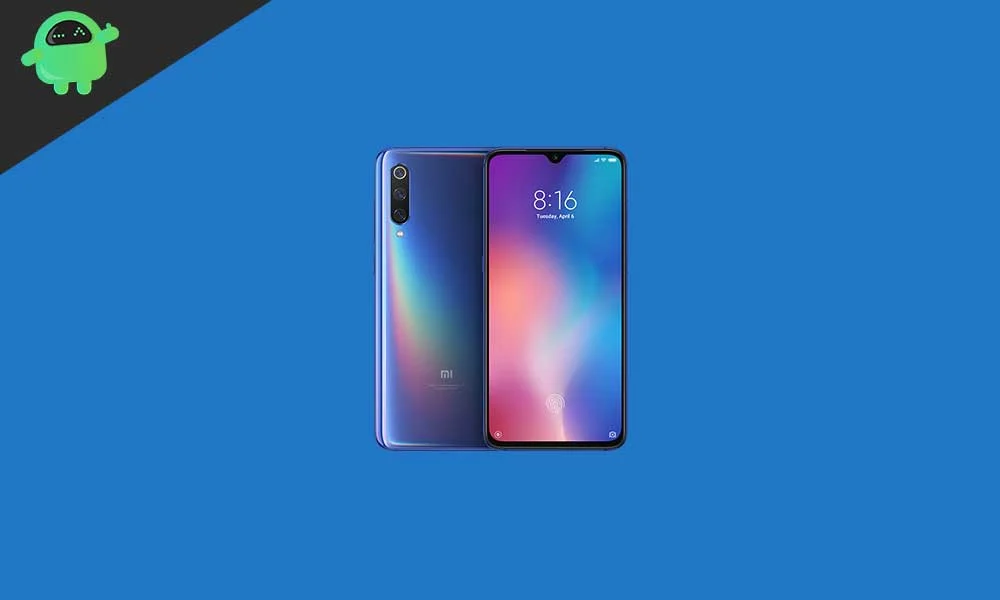
The Xiaomi Mi 9, a device that once stood at the pinnacle of the smartphone market upon its debut in early 2019, is experiencing an unexpected technological renaissance. While official manufacturer support for the device concluded years ago, the vibrant third-party developer community has successfully bridged the generational gap by porting an unofficial Android 16 build to this aging titan. This development allows users to bypass the limitations of legacy software and experience the cutting-edge features of Google’s latest operating system, which was originally intended for modern hardware like the Pixel series. The transition from its native Android 9.0 Pie to the experimental frontiers of Android 16 represents a monumental leap in software architecture, security, and user interface design.
When it launched, the Xiaomi Mi 9 was celebrated for its robust internal specifications, many of which remain surprisingly competent by modern standards. At its heart lies the Qualcomm Snapdragon 855, a 7nm octa-core processor that marked a significant milestone in mobile computing efficiency and power. Complemented by 6GB or 8GB of LPDDR4X RAM and internal storage options of 64GB or 128GB, the hardware provides a stable foundation for the resource requirements of modern Android iterations. The device’s visual output is handled by a 6.39-inch Super AMOLED display, which continues to offer vibrant color reproduction and deep blacks, making it an ideal canvas for the aesthetic refinements introduced in the latest OS. Furthermore, the triple-camera array—comprising a 48MP primary sensor, a 12MP telephoto lens, and a 16MP ultrawide sensor—remains a versatile tool for mobile photography, especially when paired with modern image processing algorithms found in newer software builds.
![How to Install Android 16 on Xiaomi Mi 9 [Download Link]](https://www.getdroidtips.com/wp-content/uploads/2020/04/Xiaomi-Mi-9.jpg)
The arrival of Android 16 brings a paradigm shift in the user experience through the introduction of "Material 3 Expressive." This design philosophy represents the next stage in the evolution of Google’s Material Design language, moving beyond the static layouts of previous years toward a more dynamic and responsive interface. Material 3 Expressive focuses on enhancing the tactile feel of the OS, utilizing smoother transition animations, bolder typography, and larger touch targets that accommodate a wider range of ergonomic needs. On a device like the Mi 9, these changes breathe new life into the hardware, making the interaction feel more fluid and contemporary. Beyond the visual surface, Android 16 introduces deep system optimizations designed to improve battery longevity and background task management. For a device equipped with a 3300 mAh battery—a capacity considered modest by today’s standards—these software-level efficiencies are critical for maintaining daily usability.
Furthermore, Android 16 emphasizes privacy and security, offering users more granular control over data permissions and sensor access. The integration of updated security patches and the modern Android Runtime (ART) ensures that applications launch faster and run more efficiently than they did on the device’s original MIUI firmware. The custom ROM community’s ability to port these features to the Mi 9 is a testament to the flexibility of the Android Open Source Project (AOSP). By stripping away the heavy "bloatware" often associated with manufacturer skins, these AOSP-based builds provide a "clean" Android experience that prioritizes performance and stability over superfluous features.
However, the journey to modernizing a legacy device involves a rigorous technical process that requires precision and a fundamental understanding of Android’s underlying structure. Before an enthusiast can initiate the installation of Android 16, several prerequisites must be met to ensure the integrity of the device. The most critical step is the backup of all personal data. Since the installation of a custom ROM necessitates a complete wipe of the internal storage, users must secure their photos, documents, and application data on external cloud services or physical storage. Additionally, maintaining a battery charge of at least 50% is non-negotiable; a sudden power loss during the flashing process can lead to a "bricked" state, rendering the hardware temporarily or permanently unusable.
![How to Install Android 16 on Xiaomi Mi 9 [Download Link]](https://www.getdroidtips.com/wp-content/uploads/2020/04/Xiaomi-Mi-9-300x180.jpg)
The technical infrastructure required for this upgrade includes the installation of Android Debug Bridge (ADB) and Fastboot binaries on a workstation. These command-line utilities serve as the primary communication bridge between a computer and the mobile device, allowing for low-level modifications to the system partitions. Alongside these tools, the correct Xiaomi USB drivers must be installed to facilitate a stable data connection. Perhaps the most significant hurdle for many users is the unlocking of the bootloader. Xiaomi’s security protocols require users to utilize the official Mi Unlock Tool, a process that often involves a mandatory waiting period. Unlocking the bootloader is the "key" that opens the device’s software gates, allowing for the installation of a custom recovery environment like Team Win Recovery Project (TWRP). TWRP is an essential interface that replaces the stock recovery, providing the tools necessary to format partitions and flash the new Android 16 image.
Once the environment is prepared, the user must acquire the Android 16 ROM and the corresponding Google Apps (GApps) package. Because AOSP builds are inherently "de-Googled" to respect open-source licenses, users who desire access to the Google Play Store, Gmail, and Maps must flash a separate GApps package immediately following the ROM installation. This sequence is vital; failing to flash GApps before the initial boot can lead to systemic errors and force a restart of the entire process.
The installation procedure itself is a methodical series of actions performed within the TWRP recovery environment. It begins with a "Clean Wipe," which involves clearing the Data, Cache, and Dalvik/ART Cache partitions. This ensures that no residual data from the previous operating system interferes with the new Android 16 architecture. Following the wipe, the ROM file is transferred to the device and "flashed" via the TWRP install menu. Once the system image is successfully written to the partition, the GApps package is applied. The final step is a reboot, which initiates the first boot sequence of the new OS. It is important to note that the initial boot can take several minutes as the system configures new encrypted directories and optimizes application caches.
![How to Install Android 16 on Xiaomi Mi 9 [Download Link]](https://www.getdroidtips.com/wp-content/uploads/2020/06/cmd-platform-tools.jpg)
While the current builds of Android 16 for the Xiaomi Mi 9 are reported to be remarkably stable, they remain "unofficial" and "experimental." In the world of custom ROMs, "What Works" typically includes core functionalities such as Wi-Fi, Bluetooth, cellular data, and basic camera operations. However, users may encounter "Known Issues" or minor bugs related to specific hardware sensors or niche software features. The developer community relies on user feedback and detailed bug reports (including logcats) to refine the software. This collaborative ecosystem is what allows a five-year-old phone to run software that hasn’t even reached many of the world’s current flagship devices.
In conclusion, the availability of Android 16 for the Xiaomi Mi 9 is a significant achievement that highlights the longevity of well-engineered hardware when supported by a dedicated community. By following the detailed installation roadmap, users can transform their aging Mi 9 into a modern powerhouse, enjoying the aesthetic elegance of Material 3 Expressive and the functional superiority of the latest Android framework. While the process carries inherent risks, the reward is a device that feels brand new, proving that in the digital age, hardware is only as old as the software it runs. As Google continues to evolve the Android platform, the Xiaomi Mi 9 stands as a testament to the enduring spirit of the open-source movement, providing a blueprint for how we might extend the lifecycle of consumer electronics in an era of rapid technological turnover.
