
The landscape of personal technology is defined by a relentless cycle of innovation, where the debut of next-generation software often necessitates the retirement of aging hardware. Samsung, a global leader in the mobile and wearable sectors, is currently navigating this transition as it prepares for the highly anticipated rollout of One UI 8.5. This major software overhaul is not merely a visual refresh but a fundamental restructuring of how Galaxy devices interact within a unified ecosystem. As part of this preparation, the South Korean tech giant has begun updating its core applications, most notably the Galaxy Wearable app. While these updates introduce support for cutting-edge hardware and sophisticated artificial intelligence, they also mark the definitive end of the road for two of the company’s most recognizable legacy fitness trackers: the Galaxy Fit and the Galaxy Fit e.
The shift began with a series of strategic previews highlighting the capabilities of One UI 8.5. Central to this new version is a massive upgrade to Bixby, Samsung’s proprietary virtual assistant. In an era increasingly dominated by generative artificial intelligence, Samsung is pivoting Bixby toward a more sophisticated model featuring natural language understanding and real-time web access. This transformation aims to move the assistant beyond simple voice commands, turning it into a contextual companion capable of handling complex queries and providing proactive suggestions. However, such advanced software requires a robust underlying framework, which has led to the recent update of the Galaxy Wearable app, version 2.2.68.26010761. Currently rolling out in South Korea with a global release expected shortly, this update serves as a bridge to the future while simultaneously severing ties with the past.
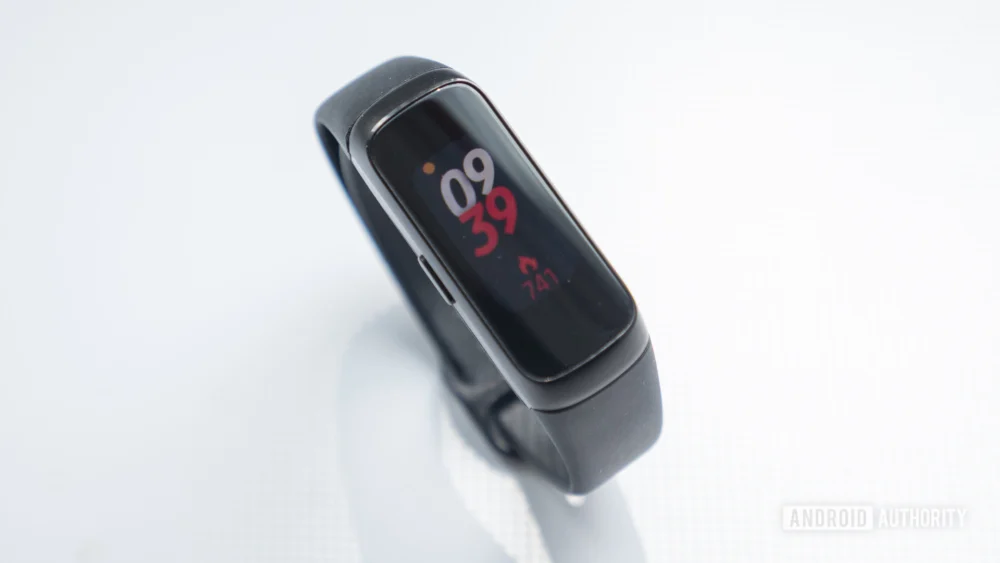
The most significant casualty of this software progression is the support for the Galaxy Fit and Galaxy Fit e. Launched in 2019, these devices represented Samsung’s aggressive push into the entry-level fitness tracking market. At the time of their release, the wearable market was undergoing a shift; consumers were looking for affordable, lightweight alternatives to full-featured smartwatches. The Galaxy Fit was designed to meet these needs, offering a sleek form factor and essential health tracking metrics. Its sibling, the Galaxy Fit e—where the "e" stood for "essential"—was an even more budget-conscious iteration, stripping away non-essential features to compete directly with low-cost trackers from rivals like Xiaomi and Fitbit.
Now, seven years after their debut, Samsung has officially designated these devices as legacy hardware. In the fast-moving world of consumer electronics, a seven-year lifespan is remarkable, exceeding the typical three-to-five-year support window seen in the industry. The decision to terminate support is a practical one, rooted in the technical limitations of 2019-era hardware. The Galaxy Fit and Fit e operate on relatively primitive sensors and processing units that lack the memory and computational power required to interface with the modern APIs and security protocols of One UI 8.5. As Samsung enhances the security of its Smart Switch service and integrates deeper AI-driven health insights, maintaining backward compatibility for these trackers would likely compromise the performance and stability of the Galaxy Wearable app for the majority of its users.
For the dwindling number of users still relying on the Galaxy Fit or Fit e in 2026, the news brings a measure of obsolescence. Once the Galaxy Wearable app is updated to the latest version, these devices will no longer be able to pair with new smartphones or receive synchronization updates. While the hardware itself may continue to function as a standalone pedometer or clock, its "smart" capabilities will be effectively neutralized. Industry analysts suggest that users who wish to extend the life of these trackers should exercise caution and avoid updating the Galaxy Wearable app on their smartphones. However, this is a temporary solution at best, as older versions of the app may eventually lose connectivity with Samsung’s cloud servers or fail to function on newer versions of the Android operating system.
The retirement of the original Fit series also highlights the evolution of Samsung’s fitness tracking philosophy. Following the 2019 models, the company released the Galaxy Fit 2 in 2022, which refined the design and improved battery life. More recently, the Galaxy Fit 3, launched in 2024, has become the standard-bearer for the lineup. With a larger AMOLED display, fall detection, and a more robust aluminum chassis, the Galaxy Fit 3 offers a premium experience at a highly competitive price point of approximately $60. Samsung’s decision to drop support for the 2019 models is clearly intended to nudge the remaining user base toward these more capable, modern alternatives that are fully optimized for the One UI 8.5 environment.
Beyond the sunsetting of legacy hardware, the Galaxy Wearable app update serves a more forward-looking purpose: the integration of the Galaxy Buds 4 and Galaxy Buds 4 Pro. These upcoming audio peripherals are set to be the stars of the next Galaxy Unpacked event, scheduled for Wednesday, February 25. The inclusion of support for the Buds 4 series within the app’s code confirms that the launch is imminent. The Galaxy Buds 4 series is expected to leverage the new AI capabilities of One UI 8.5, potentially offering features such as real-time language translation, adaptive noise cancellation that learns from the user’s environment, and enhanced spatial audio for a more immersive media experience. By updating the app now, Samsung ensures that early adopters will have a seamless "out-of-the-box" experience when the new earbuds hit retail shelves.
The timing of these updates is meticulously coordinated with the broader Samsung roadmap. The Galaxy Unpacked event is not just a hardware showcase; it is a declaration of the company’s vision for the next year of mobile computing. Alongside the Buds 4, Samsung is expected to provide deeper insights into the Galaxy S26 series and the full rollout schedule for One UI 8.5. The theme of the event is likely to center on "Seamless Connectivity," a concept that requires all devices in the ecosystem to speak the same technological language. By clearing out the "technical debt" associated with supporting seven-year-old trackers, Samsung can focus its engineering resources on perfecting the handoff between the smartphone, the watch, and the earbuds.
There remains some ambiguity regarding how the end of support will affect the Samsung Health app. While the Galaxy Wearable app manages device settings, firmware updates, and pairing, Samsung Health is the repository for fitness data. If the Galaxy Wearable app can no longer communicate with the Fit or Fit e, it stands to reason that data will no longer flow into Samsung Health. This could result in a loss of historical continuity for users who have tracked their fitness journey on these devices for years. However, Samsung typically allows users to export their health data, and those who upgrade to a Galaxy Fit 3 or a Galaxy Watch 7 will find their previous records waiting for them in the cloud, provided they stay within the Samsung account ecosystem.
In conclusion, the update to the Galaxy Wearable app is a bittersweet milestone. It signals a leap forward into a more intelligent, AI-driven future characterized by the arrival of One UI 8.5 and the Galaxy Buds 4 series. At the same time, it serves as a final curtain call for the Galaxy Fit and Fit e, devices that played a crucial role in democratizing fitness tracking for Samsung users nearly a decade ago. As the tech world gathers its attention for the February 25 Unpacked event, the message from Samsung is clear: the future is bright, but it has no room for the limitations of the past. For those still clinging to their original Fit trackers, the message is equally clear: the time has come to embrace the next generation of wearable technology.
