

The evolution of Google’s wearable strategy has been a masterclass in iterative refinement. Since the debut of the original Pixel Watch, the tech giant has systematically addressed the criticisms leveled against its hardware, moving from a position of aesthetic novelty to one of serious athletic utility. While early versions were often praised for their pebble-like design and seamless integration with the Android ecosystem, they were frequently hampered by lackluster battery life and inconsistent sensor performance. With the release of the Pixel Watch 4, Google appears to have finally closed the gap between a "smartwatch that does fitness" and a "fitness watch that is smart." Nearly half a year since its launch, the standout feature remains a fundamental technical upgrade that has transformed the device for runners and outdoor enthusiasts: the introduction of high-precision dual-band GPS.
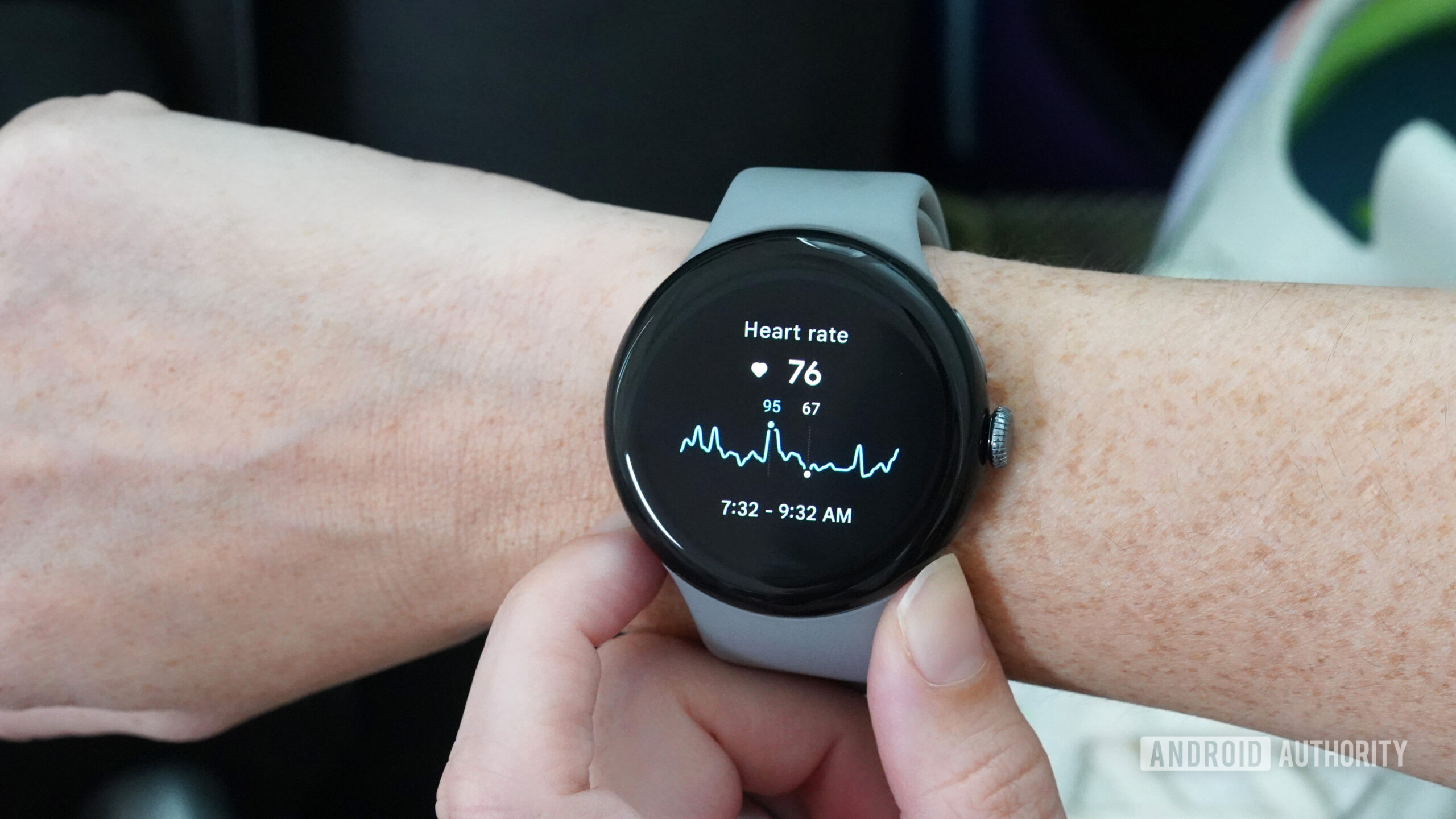
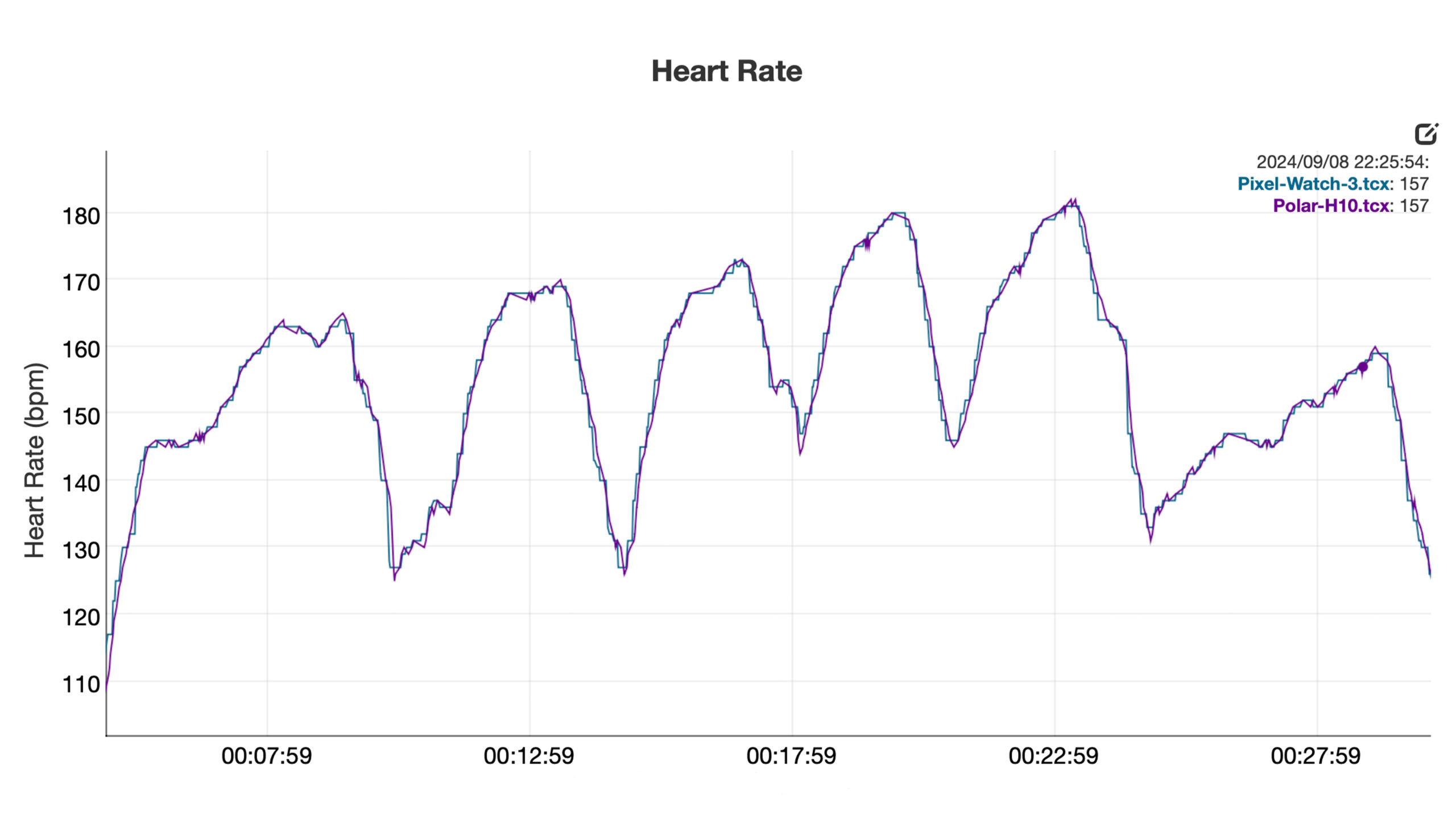
To understand why the Pixel Watch 4’s GPS is such a significant milestone, one must look back at the trajectory of the series, particularly the Pixel Watch 3. Last year’s model was a pivotal moment for Google. It introduced a secondary, larger case size to accommodate a wider variety of wrist shapes and expanded battery needs, and it brought about a breakthrough in heart rate monitoring. For many users, the Pixel Watch 3’s heart rate sensor was a revelation, rivaling the accuracy of professional-grade chest straps. This allowed for highly effective structured training, where athletes could rely on color-coded heart rate zones to manage their effort levels in real-time. However, even as the heart rate data reached elite levels, a different foundational metric remained frustratingly stagnant.
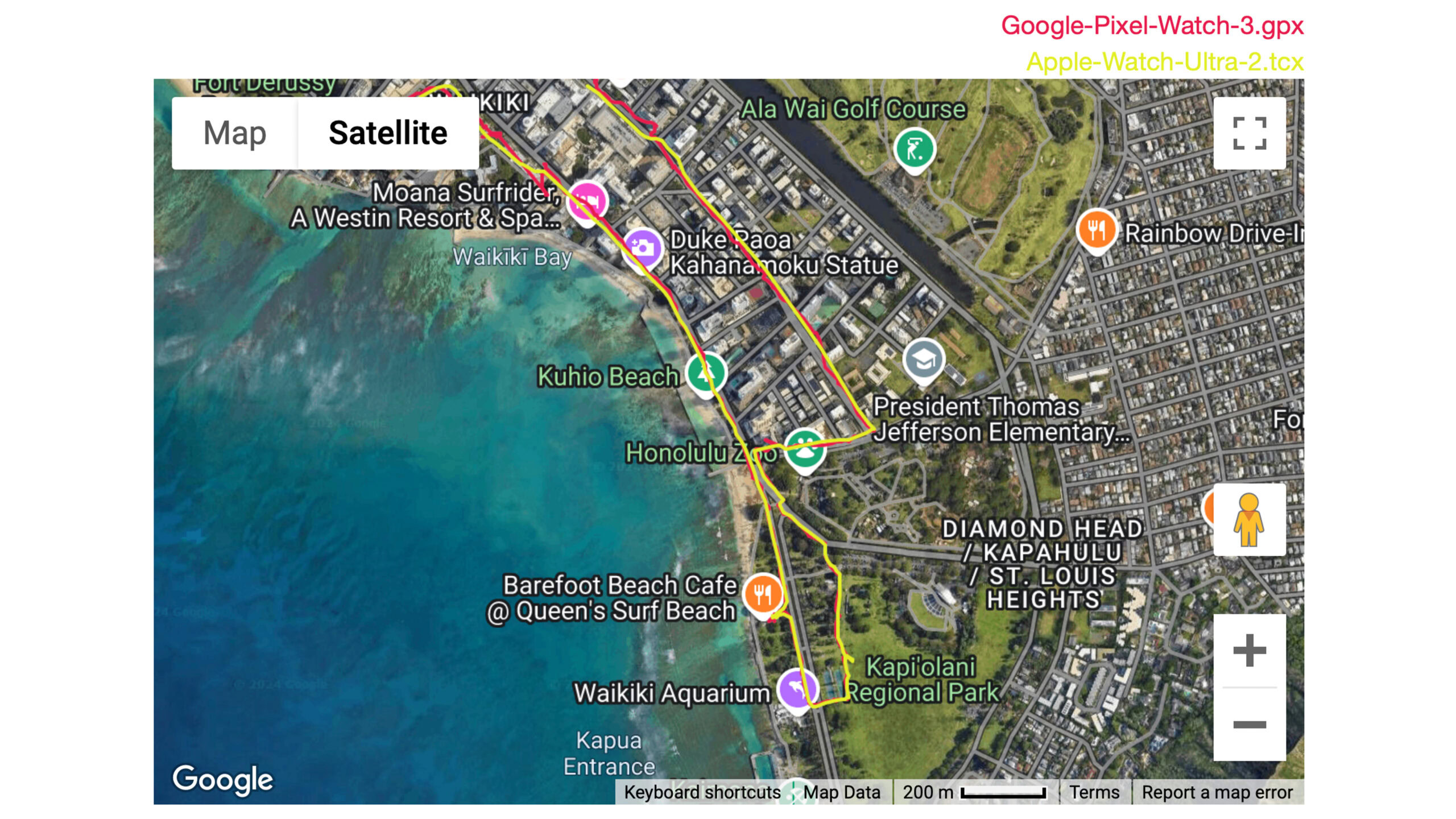
The GPS on previous Pixel Watch iterations was serviceable for the casual walker but often failed the "stress test" of dedicated athletes. Runners frequently observed "GPS drift," where recorded routes would inexplicably veer into the middle of buildings, cut across residential yards, or place the runner in the middle of a river. These inaccuracies were more than just aesthetic blemishes on a map; they fundamentally skewed distance and pace data. For a runner attempting to maintain a specific tempo or training for a marathon, a discrepancy of even a few percentage points in distance can lead to significant errors in training load calculations. The Pixel Watch 3, despite all its polish, still felt like it was guessing in challenging environments, such as "urban canyons" with tall buildings or areas with dense forest canopies.
The Pixel Watch 4 was designed to solve this specific disparity. The core of this improvement is the shift to a dual-band GPS system, which utilizes both L1 and L5 satellite frequencies. In traditional single-band GPS, signals are easily reflected off hard surfaces—a phenomenon known as multipath interference. This is what causes a watch to think a runner is zig-zagging through a skyscraper. By utilizing the L5 frequency, the Pixel Watch 4 can more effectively filter out these reflected signals, resulting in a much cleaner and more reliable "lock" on the user’s actual position.
While dual-band GPS is becoming a standard expectation for premium wearables, its implementation is not always a guaranteed success. Hardware integration and software algorithms must work in tandem to process the increased data load without draining the battery. Five months of real-world testing have revealed that Google has mastered this balance. Early in the device’s lifecycle, some users noted that while the accuracy was improved, there were still minor deviations when compared to high-end dedicated sports watches like the Garmin Epix Pro. However, a longitudinal look at the device’s performance suggests a sophisticated calibration period. Over several months of consistent use, the Pixel Watch 4’s positioning has sharpened significantly.
In comparative testing against the Garmin Forerunner 570—a device widely considered a benchmark for running precision—the Pixel Watch 4 has occasionally outperformed the specialist. In scenarios where the Garmin device might slightly clip a corner or slip into a roadside home on the digital map, the Pixel Watch 4 has shown a remarkable ability to keep the route firmly planted on the pavement. This level of reliability extends to comparisons with the Apple Watch Ultra 3, suggesting that Google is now competing at the absolute highest level of consumer GPS technology.
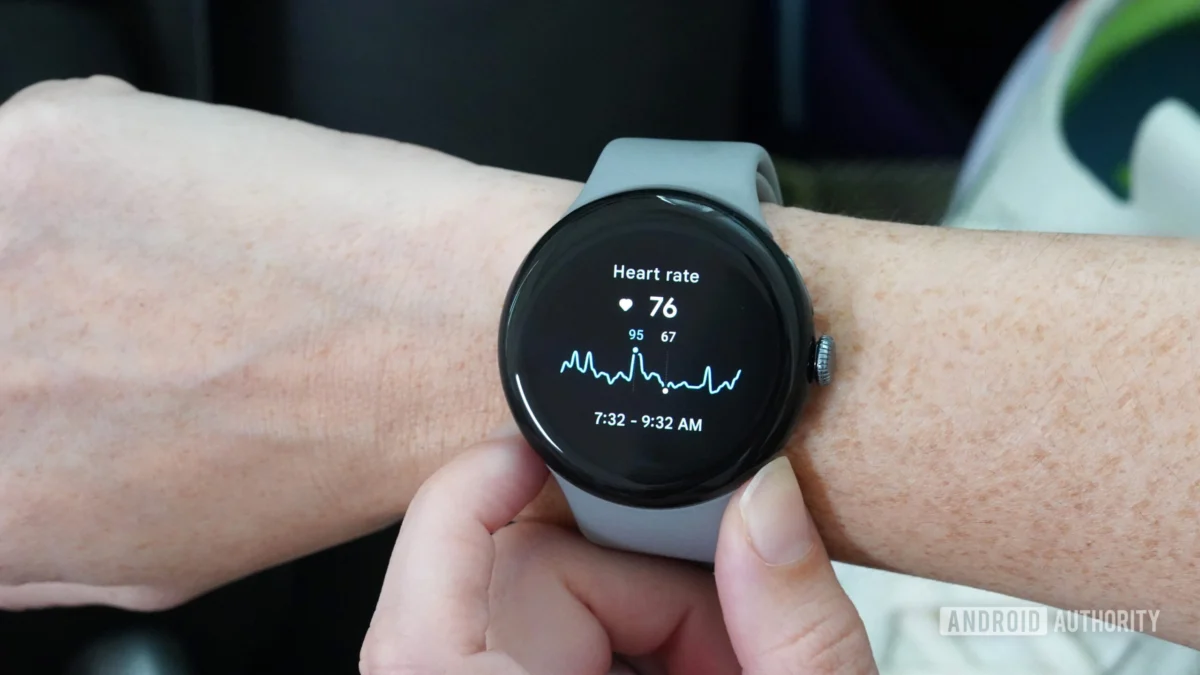
The implications of this accuracy are felt most keenly during active workouts. The "Workout Face" on the Pixel Watch 4 provides a streamlined view of these metrics, allowing runners to trust that their current pace and total distance are reflective of reality. This trust is essential for the psychological aspect of training. Knowing that the watch isn’t going to "drop" the signal under a bridge or provide a false "PR" (personal record) because it miscalculated a mile allows the athlete to focus entirely on their physical performance.
Importantly, this leap in navigational power has not come at the cost of the features that made the previous generation successful. The heart rate tracking remains a gold standard for wrist-based optical sensors. During high-intensity interval training (HIIT) and steady-state runs, the Pixel Watch 4 continues to track closely with electrocardiogram (ECG) chest straps, capturing the subtle peaks and valleys of a cardiovascular workout without the lag often associated with lesser wearables. By pairing elite-tier heart rate data with now-elite-tier GPS data, Google has created a comprehensive training tool that rivals the traditional "big three" of the fitness watch world: Garmin, Polar, and Coros.
Beyond the internal sensors, the physical design of the Pixel Watch 4 enhances the athletic experience. The "Actua 360" Display is a marvel of engineering, boasting a peak brightness of 3,000 nits. This ensures that even in the harshest midday sun, workout metrics are legible at a glance. The reduction in bezel size compared to the Pixel Watch 2 and 3 also provides more screen real estate for data fields, making it easier to read complex information like elevation gain or split times while moving at high speeds.
Battery life, a historical pain point for the Pixel line, has also seen intelligent management. Despite the higher power demands of dual-band GPS and a high-brightness display, the Pixel Watch 4 maintains multi-day battery life in standard use. Even during long, GPS-tracked sessions, the battery drain is predictable and optimized. This allows users to transition from a morning long run to a full day of office notifications and sleep tracking without the constant anxiety of finding a charger.
The software ecosystem further enriches the hardware. The integration of "Power AI" and Fitbit’s advanced health metrics provides users with a holistic view of their recovery and readiness. Features like the "Daily Readiness Score" and "Target Load" are now backed by data that users can actually trust. When the watch suggests a rest day because your "cardio load" was too high, that suggestion carries more weight because the underlying GPS and heart rate data used to calculate that load are accurate. Furthermore, the inclusion of emergency satellite communications adds a layer of safety for trail runners and hikers who might venture beyond the reach of cellular towers, a feature that was once the exclusive domain of niche outdoor equipment.

In conclusion, the Pixel Watch 4 represents the arrival of the Google wearable as a mature, no-compromise platform. By identifying the GPS inaccuracy of the Pixel Watch 3 as the final major hurdle for serious athletes, Google has delivered a product that finally feels complete. Five months of testing have proven that the shift to dual-band GPS was not just a marketing bullet point, but a fundamental improvement in the device’s utility. For the runner who wants the intelligence of Wear OS, the sleekness of Google’s industrial design, and the precision of a dedicated racing watch, the Pixel Watch 4 is no longer a compromise—it is the standard. It is a testament to the idea that in the world of technology, sometimes the most important upgrade isn’t the one that adds a new gimmick, but the one that perfects a basic necessity.
